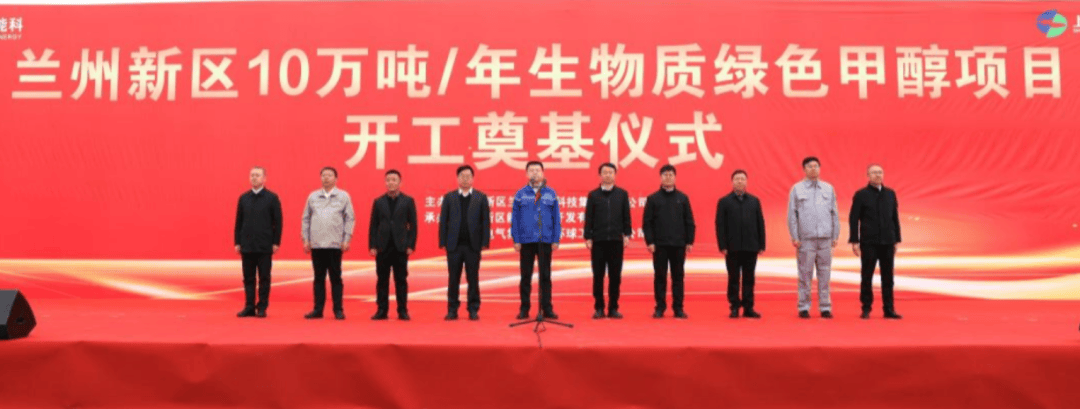
en.Wedoany.com Reported - China Machinery TDI Tenth Design Institute has successfully won the bid for the engineering design project of the 100,000 tons/year biomass green methanol supporting 210,000 tons/year biomass pelletizing project for Lanzhou New District Nengke Ecological Development Co., Ltd. This marks the institute's latest undertaking of a green methanol biomass pelletizing task at a scale exceeding 100,000 tons, following several large-scale biomass energy projects.
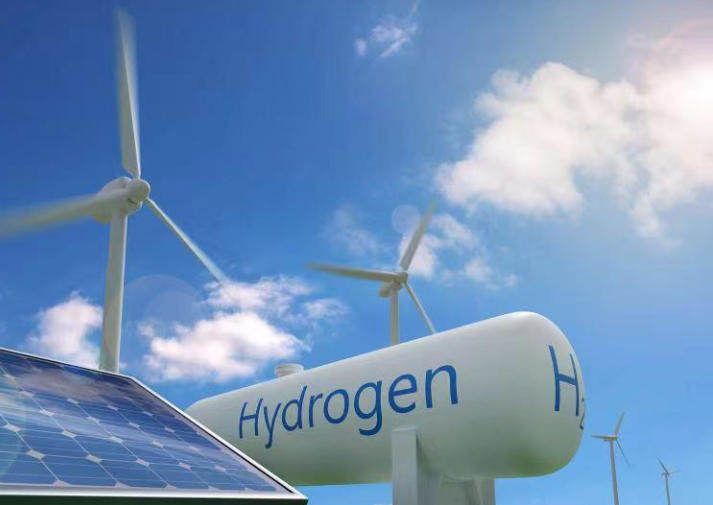
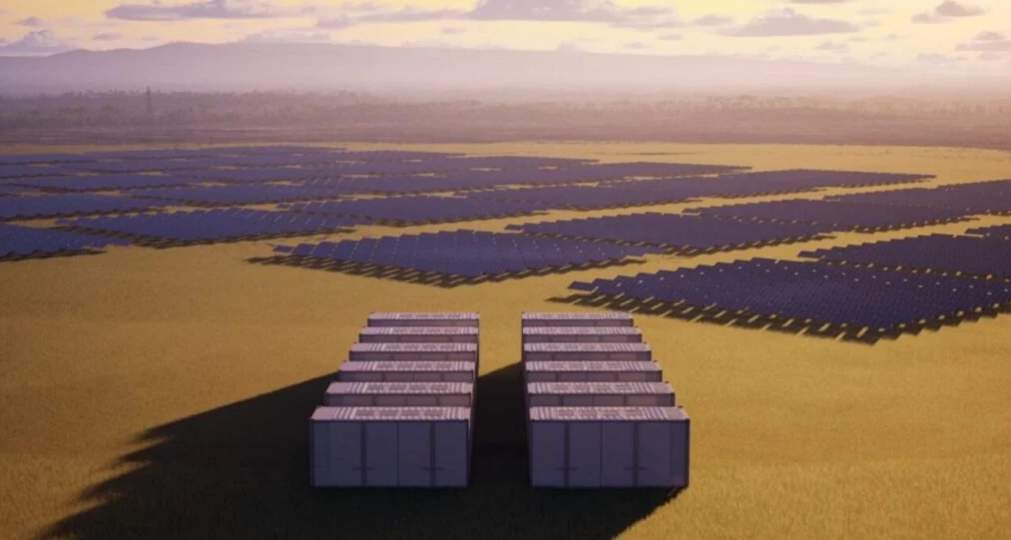
This project is a provincial-level key green chemical project, adopting a deeply coupled process route of "photovoltaic green electricity—water electrolysis for green hydrogen—biomass gasification." Using local agricultural crop straw, forestry residues, and other agricultural and forestry wastes as raw materials, the green hydrogen produced from photovoltaic green electricity serves as a gasification agent to participate in the biomass gasification reaction, replacing fossil-based hydrogen sources at the source, improving syngas quality and carbon conversion efficiency. Once operational, the project is expected to harmlessly consume 300,000 tons of agricultural and forestry solid waste annually, produce 100,000 tons of green methanol, and reduce carbon dioxide emissions by over 200,000 tons per year.
In the industrial chain of "raw material collection and storage—pelletizing and forming—gasification and purification—methanol synthesis," the pelletizing stage is a key pretreatment process. Agricultural and forestry biomass bulk materials have complex forms, low bulk density, high moisture content, and are prone to moisture absorption and mold. Direct feeding into the furnace can easily cause issues such as "bridging" in the hopper and blockage of the screw feeder. Through densification and forming technology, the institute compresses loose biomass to 1/6 to 1/8 of its original volume, producing pellet fuel with high calorific value and uniform particle size. This increases the raw material bulk density from less than 150 kg/m³ to over 650 kg/m³, eliminates the risk of feed blockage, ensures continuous conveying, and achieves uniform distribution of the reaction interface within the gasifier, enhancing effective gas yield. Uniform particles exhibit strong heating consistency, making the pyrolysis process controllable, reducing the generation of tar and heavy by-products, lowering the blockage frequency and chemical consumption of the downstream syngas purification system, and extending the operating cycle of the purification unit and the service life of the catalyst. The increased energy density from densification reduces the raw material collection radius and transportation costs. The finished pellets are free from mold and spontaneous combustion risks, allowing for safe long-term storage.
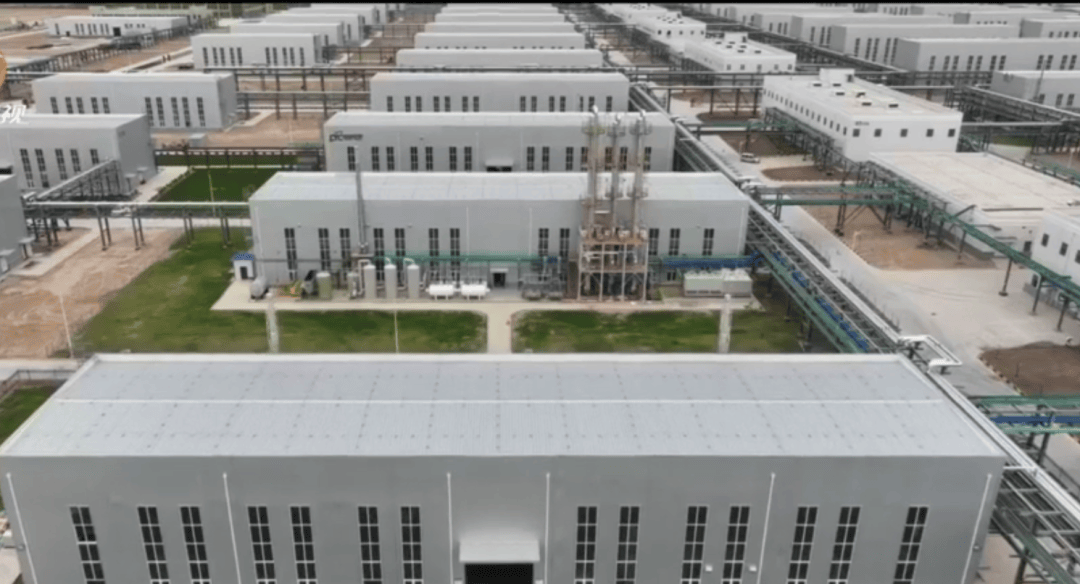
The design scope for this winning bid covers a fully intelligent pelletizing production line from raw material unloading and storage, multi-stage crushing, drying and conditioning, pelletizing and cooling, to screening, packaging, and transportation. It is simultaneously equipped with supporting public and auxiliary facilities such as a large-capacity raw material yard, comprehensive office building, central control analysis room, as well as power distribution, fire protection, and environmental dust removal systems. Leveraging its accumulated core technologies in biomass forming and gasification, the institute has customized optimized process schemes—including cascade waste heat recycling, negative-pressure explosion-proof micro-dust capture, and reinforced die-roller wear resistance—tailored to the high-fiber, high-ash characteristics of local raw materials such as corn stalks and wheat straw in Lanzhou New District.
Taking this project as a starting point, the institute will expand its full-chain business in biomass-to-green methanol, extending from pretreatment and gasification synthesis to downstream green chemicals and carbon footprint certification and trading fields. It aims to promote the conversion of agricultural organic waste into high-value-added green fuels and chemical raw materials, and to build a sustainable business model spanning "farmland—pellet plant—energy base."