SMM ASEAN Ferrous Metals Industry Summit to Be Held in Kuala Lumpur, Malaysia in November
en.Wedoany.com Reported - The ASEAN ferrous metals industry is entering a phase of rapid growth coupled with structural adjustment. Multiple factors, including sustained regional infrastructure demand, rapid expansion of local production capacity, evolving cross-border trade patterns, and adjustments in national trade policies, are creating a landscape of both opportunities and challenges for the region's steel market.
On the demand side, apparent steel consumption in the six major ASEAN economies exceeded 81 million tons in 2024 and is projected to reach 87.9 million tons by 2026. Vietnam, with a growth rate of over 21% in 2024, is expected to lead regional increments.
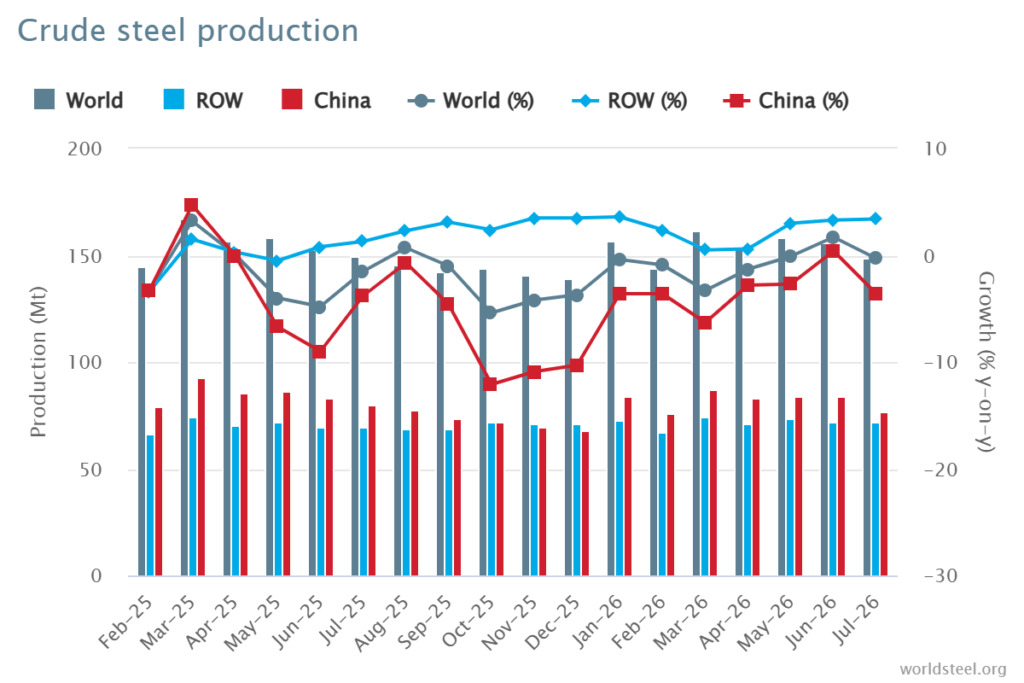
Regarding production capacity, ASEAN's crude steel output surpassed 60 million tons in 2025 and is forecast to reach 90.6 million tons by 2030, making it the fastest-growing region globally. However, the import penetration rate remains above 60%, with steel imports increasing by 5 million tons in 2025. The capacity structure is undergoing a profound transformation, with the share of blast furnace-basic oxygen furnace (BF-BOF) rising from 6% in 2011 to 30% in 2020. Indonesia and Vietnam together control 74% of crude steel output, and this is the primary destination for overseas investment by Chinese steel enterprises.
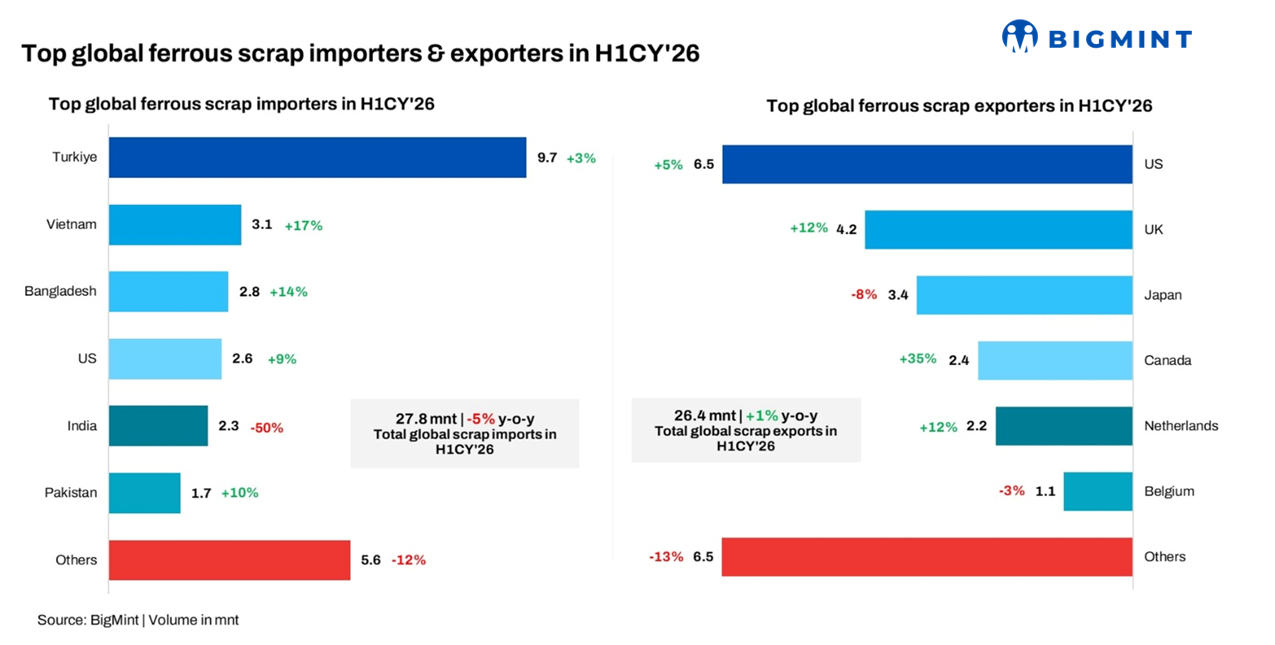
In terms of trade flows, China's steel exports to ASEAN reached 28.219 million tons in 2024, a year-on-year increase of 29.3%; in the first half of 2025, billet exports surged to 5.89 million tons, an increase of 300.3%. With Vietnam suspending slab exports in March 2026, the supply gap in ASEAN is estimated at 2.3 million tons. Price stratification is emerging, with Vietnam becoming a regional price trough at $482 per ton, Japan and South Korea occupying the high-end market, Malaysia absorbing spillover demand with a cumulative 78.9% increase over three years, and Indonesia's average price bucking the trend to rise to $522 per ton, with a clear focus on high-end imports.
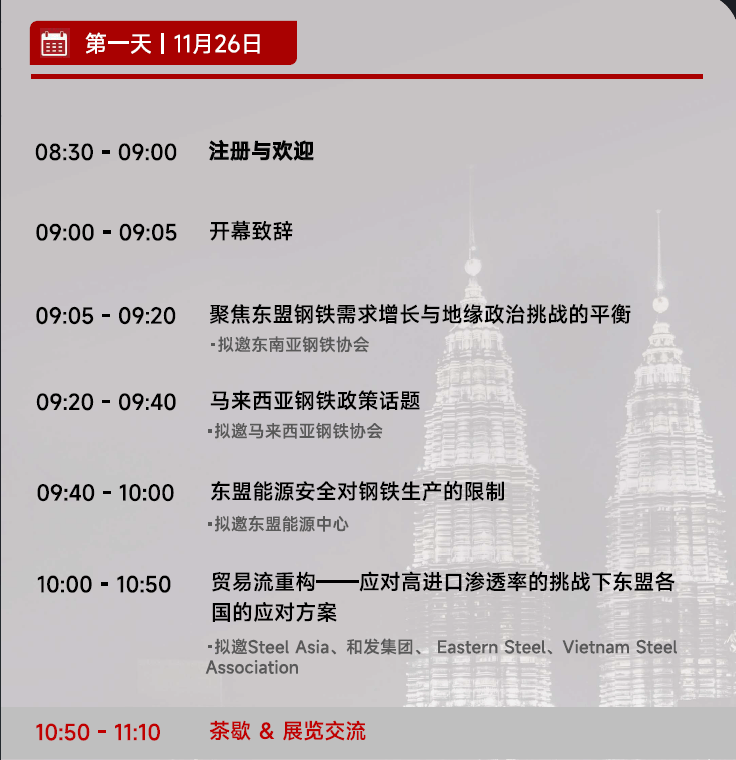
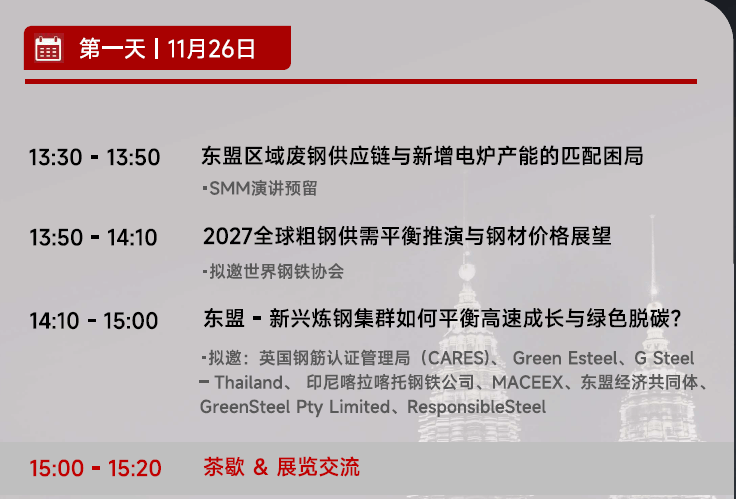
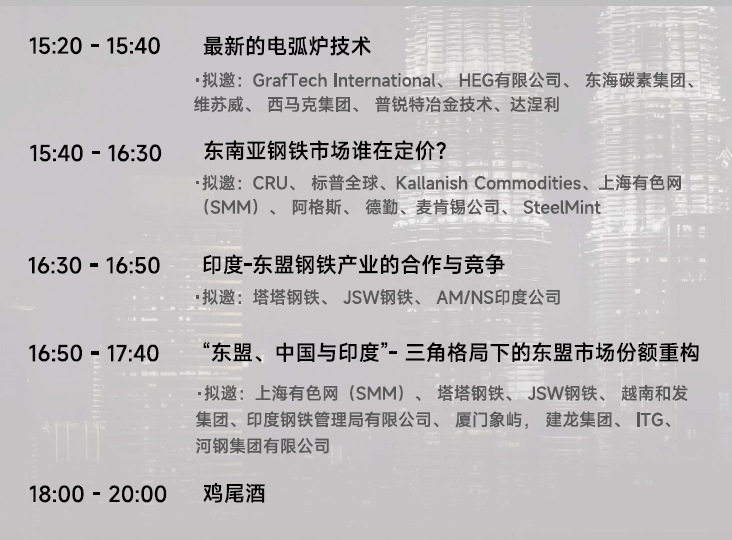
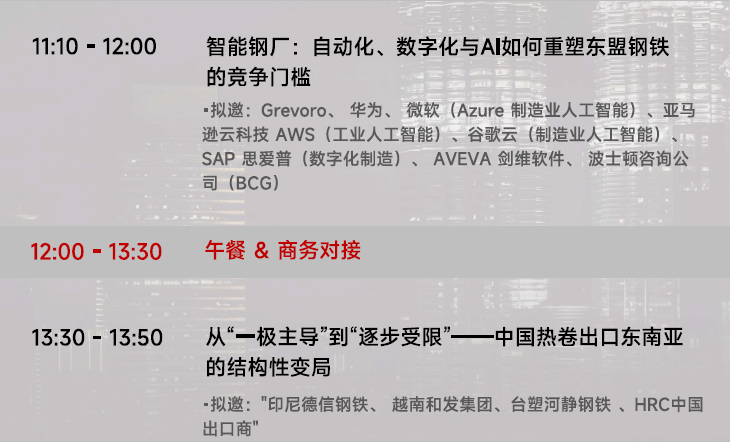
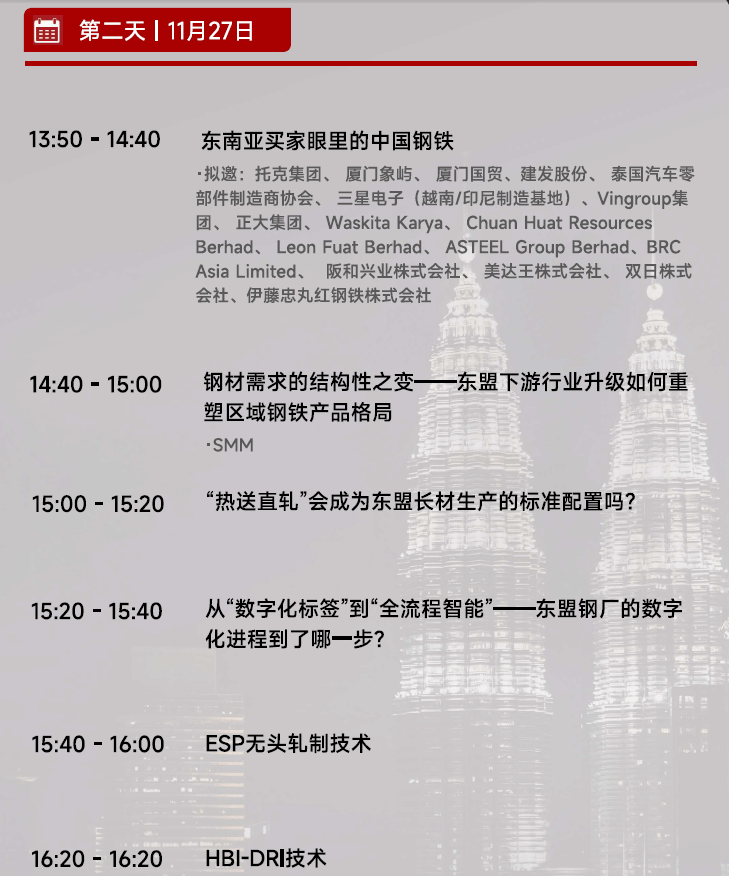
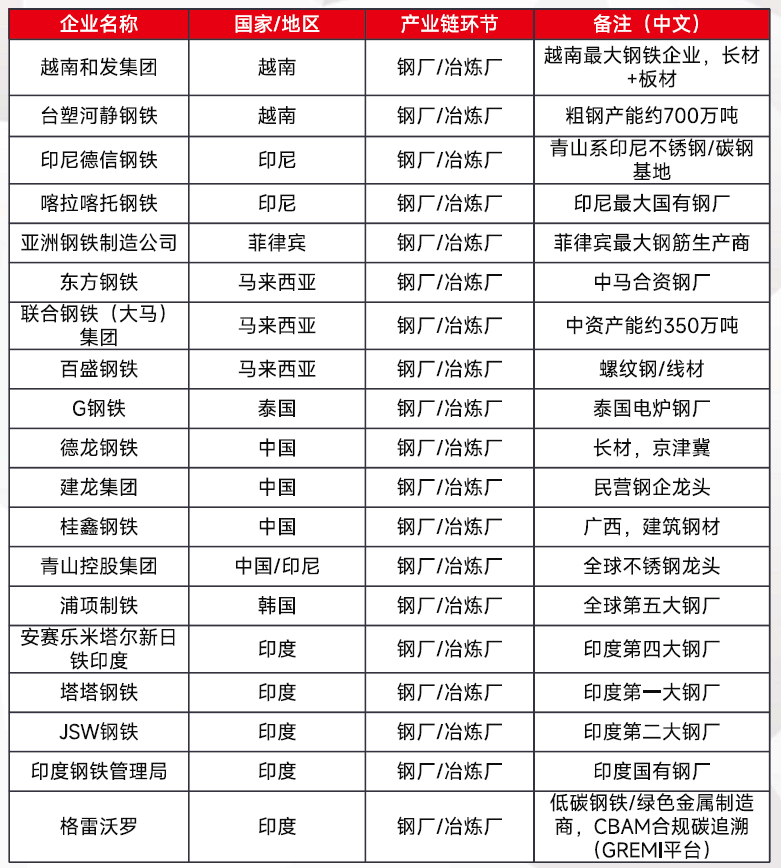
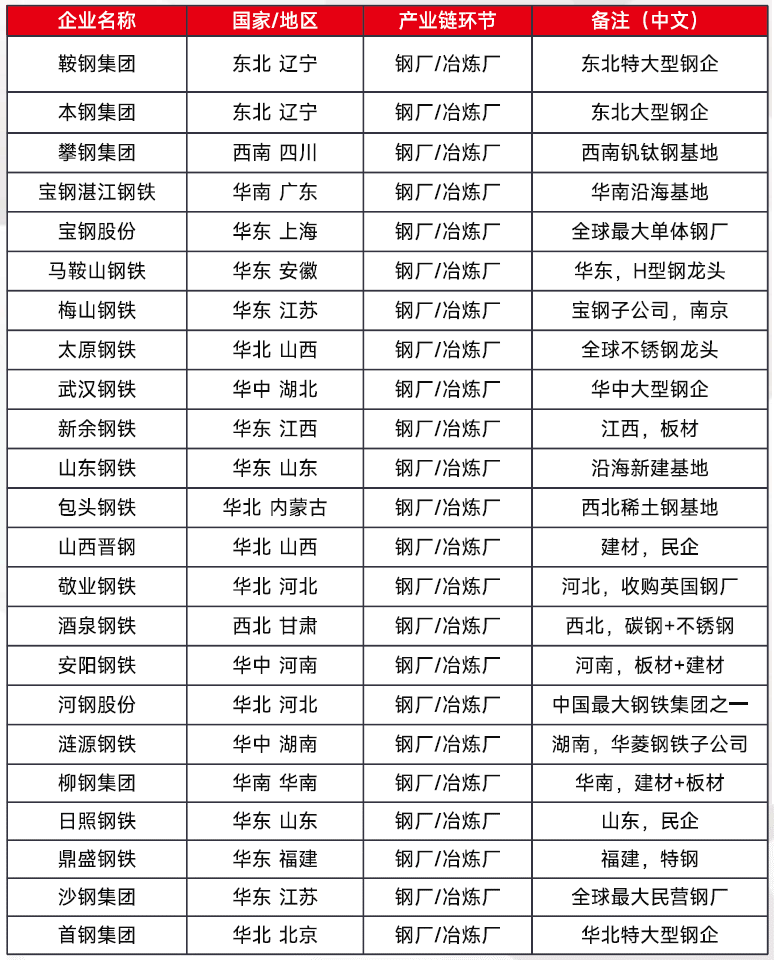
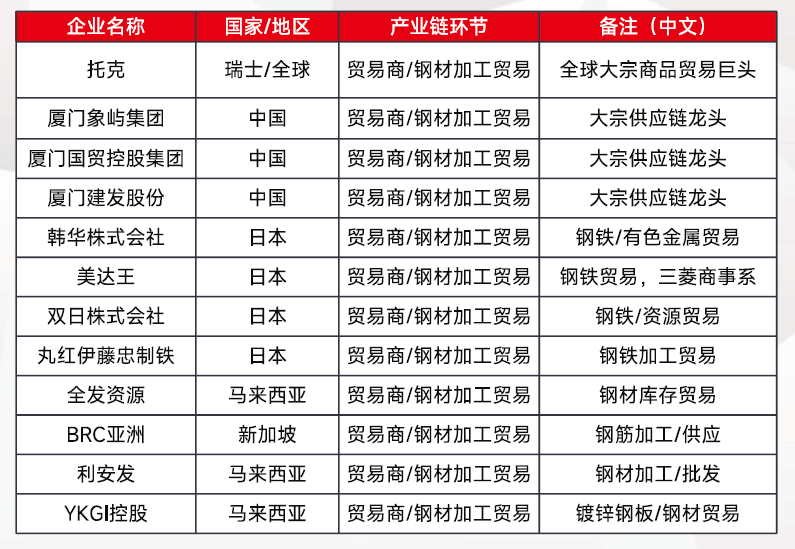
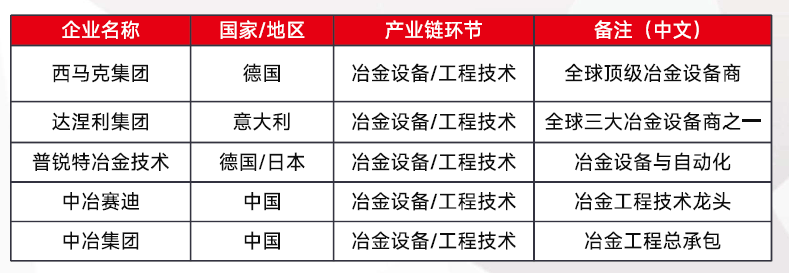
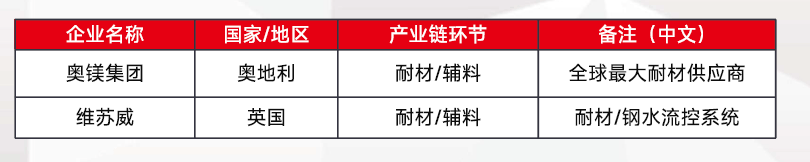
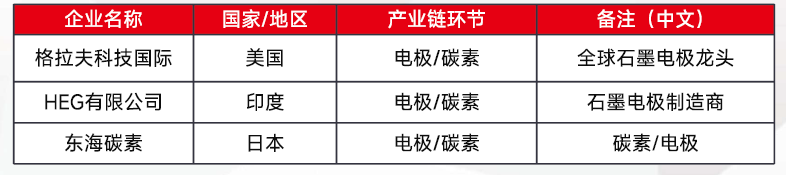
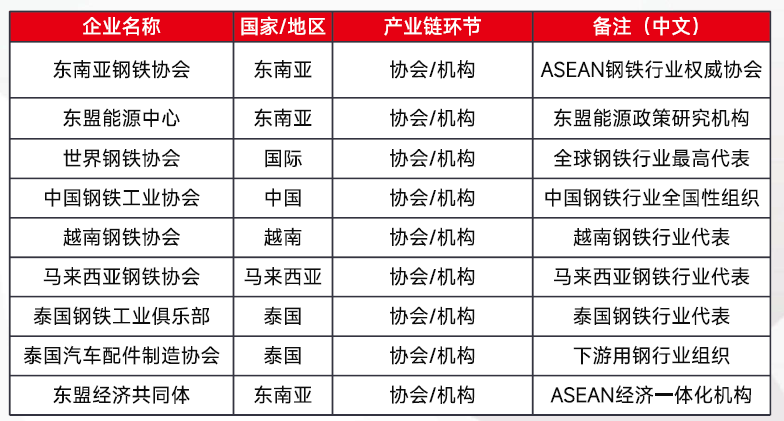
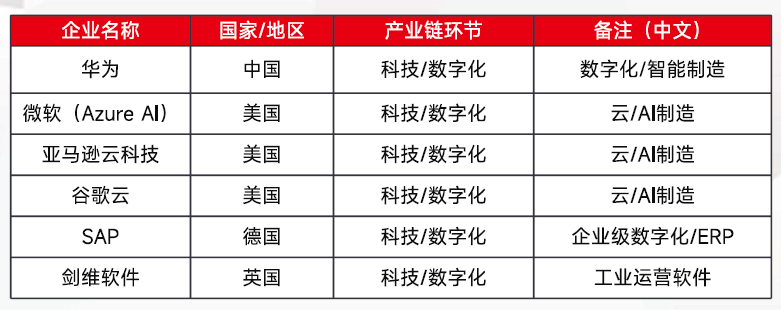
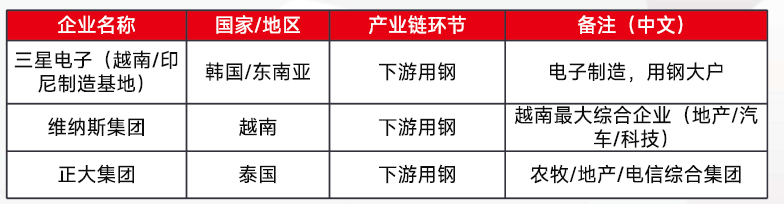
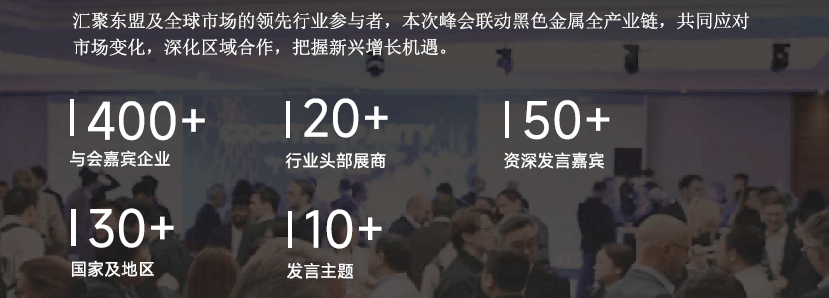
Against the backdrop of intertwined variables such as supply-demand expansion, capacity iteration, trade restructuring, and price divergence, Shanghai Metals Market (SMM) plans to hold the 2026 SMM ASEAN Ferrous Metals Industry Summit in Kuala Lumpur, Malaysia, from November 26 to 27. The summit aims to provide a high-end dialogue platform for the industry, addressing pain points and exploring business opportunities. The agenda covers multiple topics, including the ASEAN steel market outlook, China-ASEAN trade and supply chain restructuring, capacity expansion and production transformation, trade policy and market access, high-growth demand and product opportunities, as well as executive exchanges and regional cooperation. Participants will include major producers, traders, buyers, investors, association policymakers, and industry experts from ASEAN, China, and the global market.





Related Products

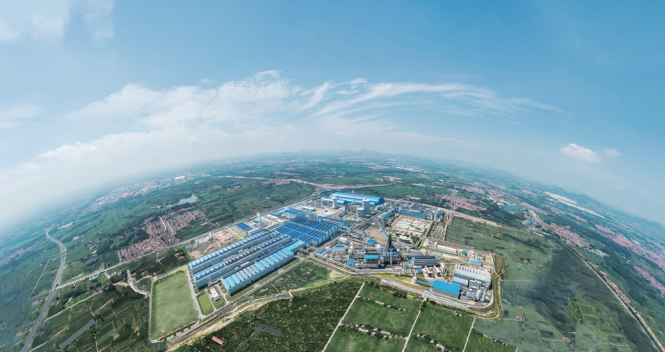
Linyi Steel Investment Special Steel 2.7 Million Tons per Year High-quality Special Steel Project
Capital Engineering & Research Incorporation Limited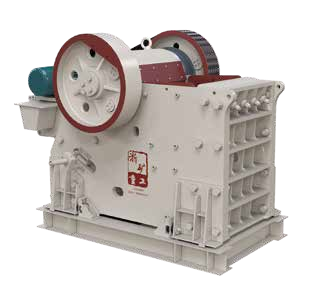


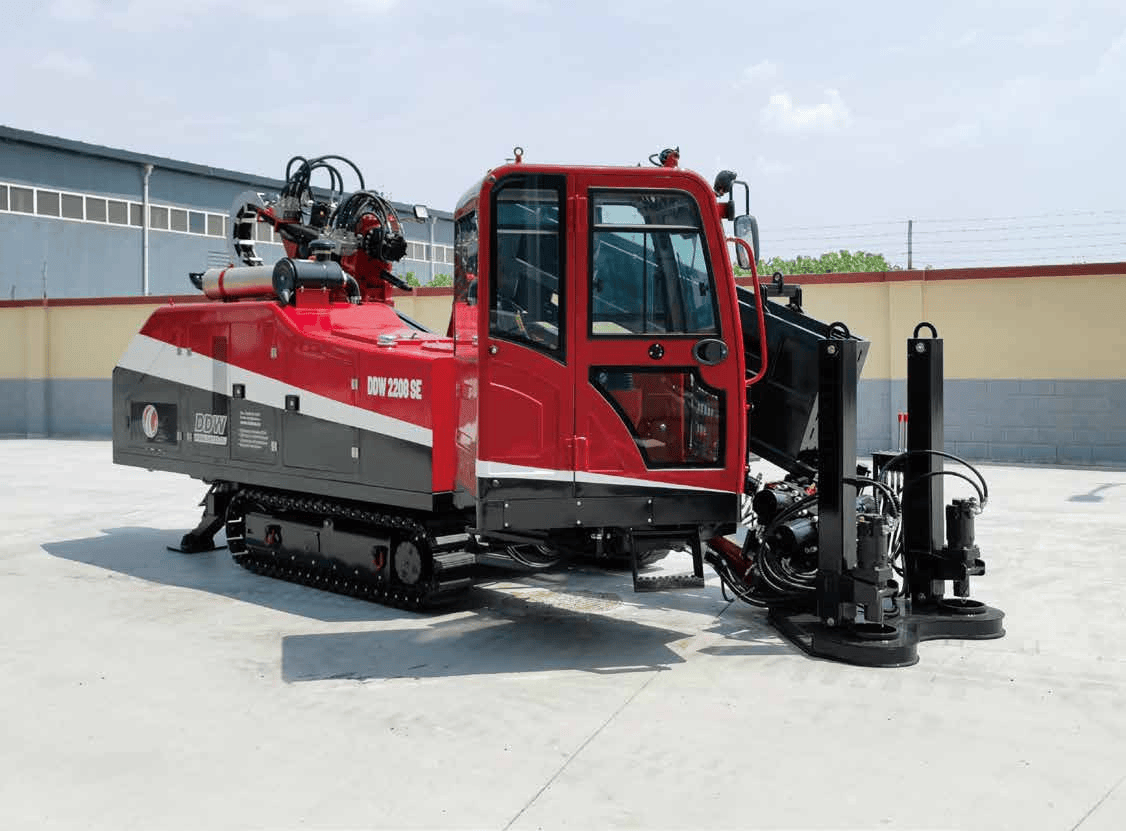
DDW22/08SE-HORIZONTAL DIRECTIONAL DRILL
DW/TXS Construction Equipment (Beijing) Co., Ltd.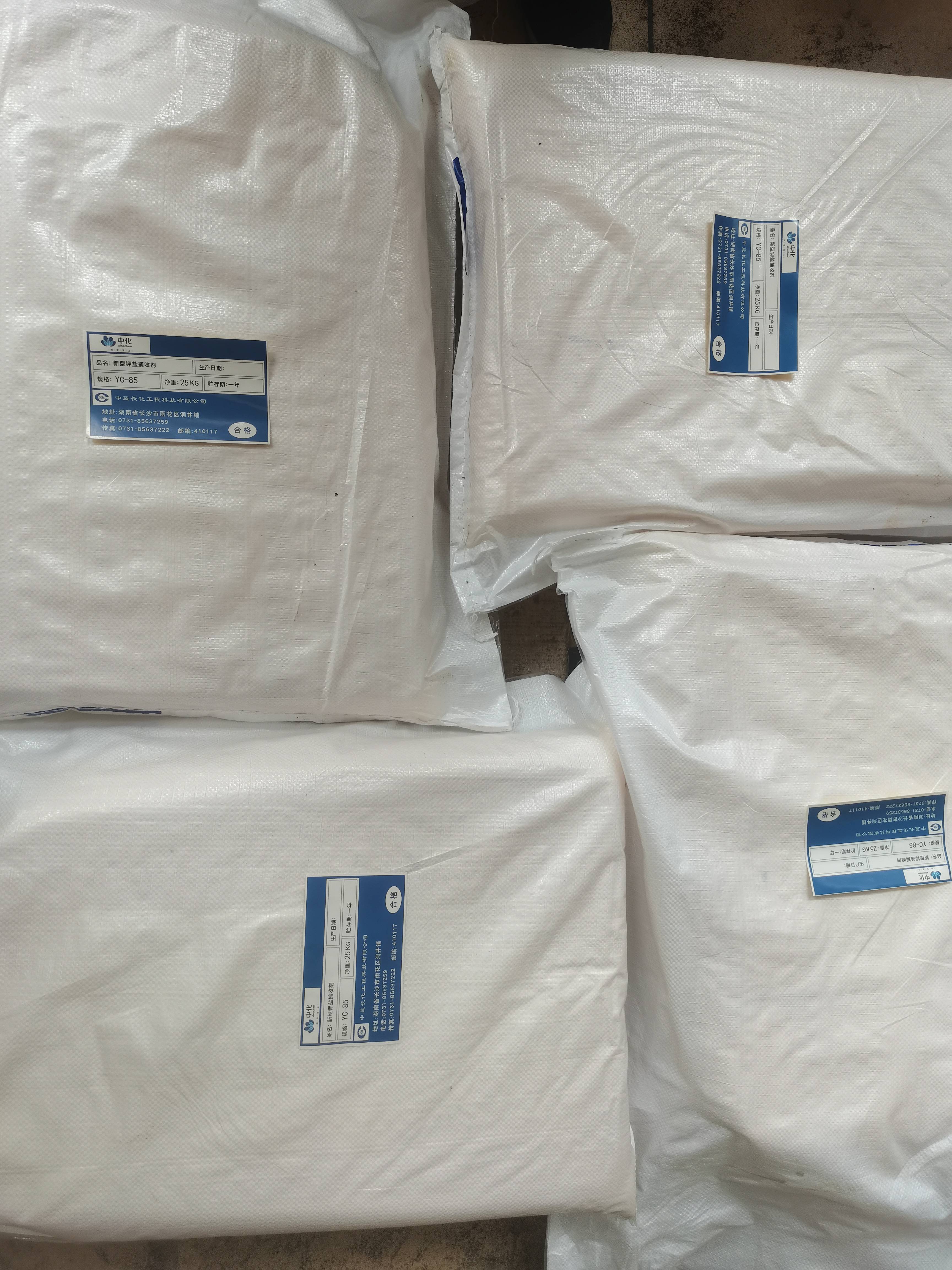
New Environmentally Friendly Green Potassium Salt Collector
Chonfar Engineering and Technology Co., Ltd.
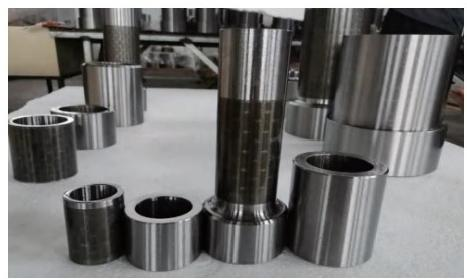
High-temperature Equal Wall Thickness High-power Screw Drilling Tool
Orient Energy & Technologies Co., Ltd.