US API Laser Tracker Achieves 0.1mm Coaxiality Precision Inspection for Large Compressors
en.Wedoany.com Reported - The US API Laser Tracker enables precision 3D inspection of large compressor components, replacing traditional measurement methods with 0.1mm coaxiality accuracy. This technology addresses key geometric tolerance inspection challenges for core power equipment in petrochemical, oil refining, and natural gas transmission sectors through single-station measurement within an 80-meter radius and micron-level precision.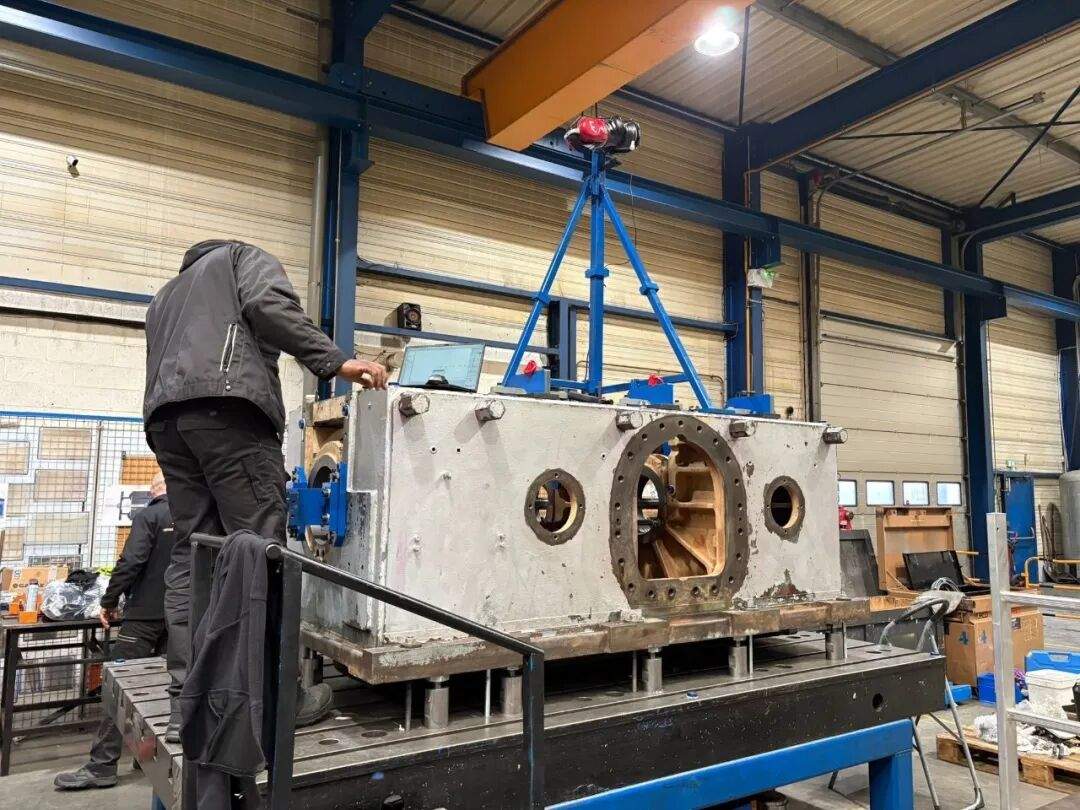
Large compressors operate continuously under high loads, requiring stringent accuracy for geometric tolerance items such as hole position, cylindricity, end face flatness, and parallelism. Among these, the coaxiality inspection accuracy between multiple bearing holes must reach 0.1mm, while end face flatness and parallelism are required to be controlled within 0.02mm/m. Traditional segmented measurement methods such as wire alignment, internal micrometers, and frame levels introduce significant splicing errors and human errors in large-scale measurements, making it difficult to accurately evaluate overall geometric relationships.
The API Laser Tracker has a measurement radius of up to 80 meters, covering body components over ten meters in length. It completes data acquisition in a single station to avoid transfer errors, and its built-in weather station automatically compensates for the effects of temperature, humidity, and air pressure. During measurement, the operator holds a target ball with a built-in prism against the area to be inspected. The laser tracker locks onto and collects spatial coordinates at a rate of 1,000 points per second, with data transmitted in real-time to measurement software for subsequent analysis.
This case focuses on implementing coaxiality inspection for large compressor bores. After setting up the equipment, engineers collect points on each bore wall to fit cylinders and calculate central axes, then compare the positional relationships of multiple axes to evaluate whether the coaxiality meets the 0.1mm accuracy requirement.
API has also developed accessories such as 90° adapter rings and magnetic bases for confined spaces, supporting extended applications including deep holes, hidden points, and automated 3D measurement.
The digital verification method overcomes the limitations of traditional manual measurements, providing real-time data support for assembly adjustments, thereby helping to improve compressor factory quality and operational lifespan.
Founded by Dr. Kam Lau in 1987 in Rockville, Maryland, USA, API is the inventor of the laser tracker, specializing in the research, development, and production of precision measurement instruments and high-performance sensors.
Related Products

Strip Coating and Plating Production Line Equipment
MCC-SFRE HEAVY INDUSTRY EQUIPMENT CO., LTD.
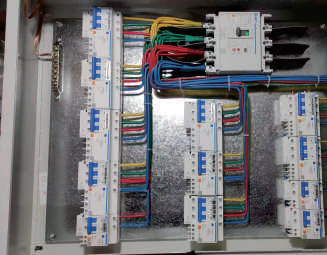
QLZNGJ Intelligent Steel Reinforcement Trolley
Luoyang China Railway Qiangli Machinery Co., Ltd.
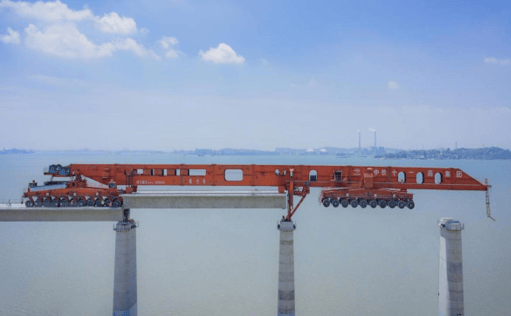
High-Speed Railway Lifting, Transporting, and Erecting Equipment: Integrated Transport and Erection Machine
Hanjiang Heavy Industry Co., Ltd. of China Railway 11th Bureau Group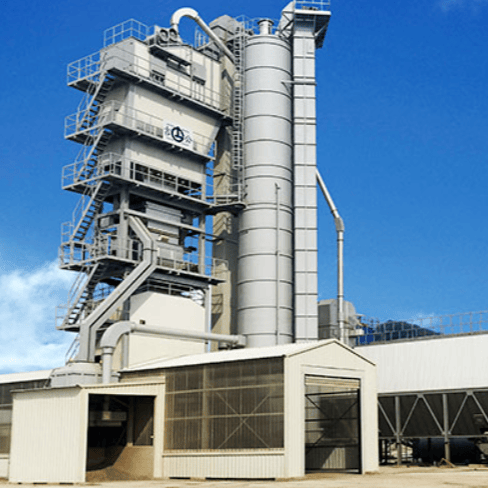
LBH4000 Batch Environmental Protection Asphalt Mixing Plant | Asphalt Batching Plant | Asphalt Mixing Plant
Jilin Province Road Construction Machinery Co., Ltd.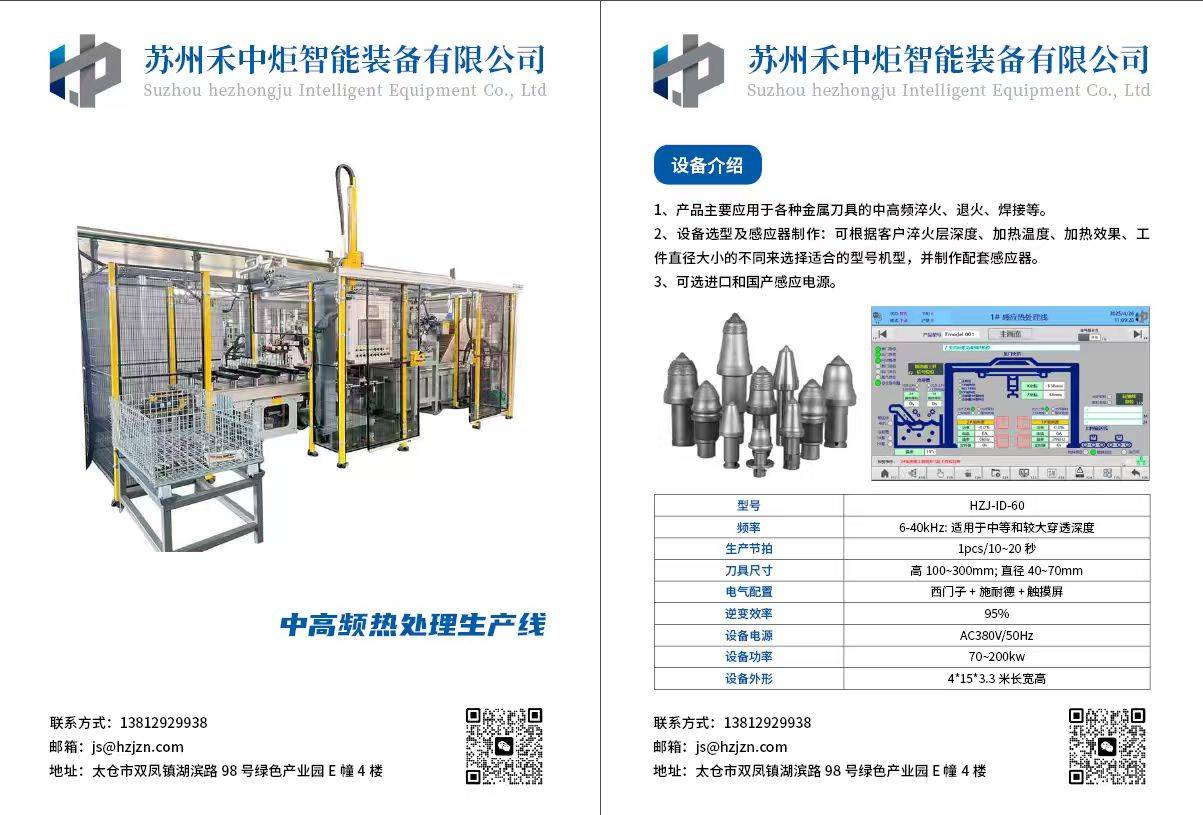
Excavator Bucket Teeth Heat Treatment Production Line
Suzhou Hezhongju Intelligent Equipment Co., Ltd.
Standard Nozzle Flowmeter
Jinggong Automatic Control Instrument Complete Technology Development Company
CLX Series Intelligent Hydraulic Gyratory Crusher
Guangdong CHUANGLI intelligent machinery Equipment Co., LTD