Chile's Lucero Energy Storage Project Invests $55.3 Million, 4-Hour Storage, Enters Environmental Review
en.Wedoany.com Reported - On July 12, 2026, an independent battery energy storage project with a total capacity of 200 or 240 MWh has entered Chile's environmental assessment process through an Environmental Impact Declaration (DIA). The project, named the Lucero Substation Energy Storage System (BESS, Ríos de Jerez), involves an investment of $55.3 million and is located in the municipality of Bulnes, Ñuble Region, developed by Ríos Chile La Palma SpA.
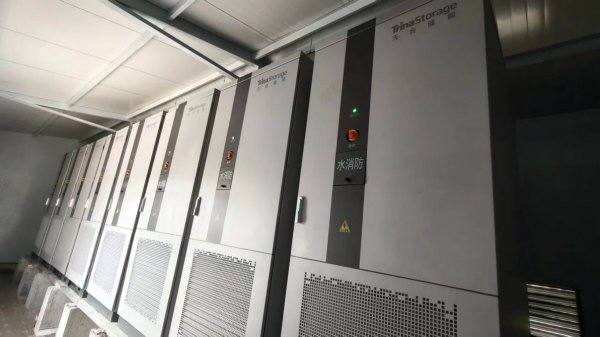
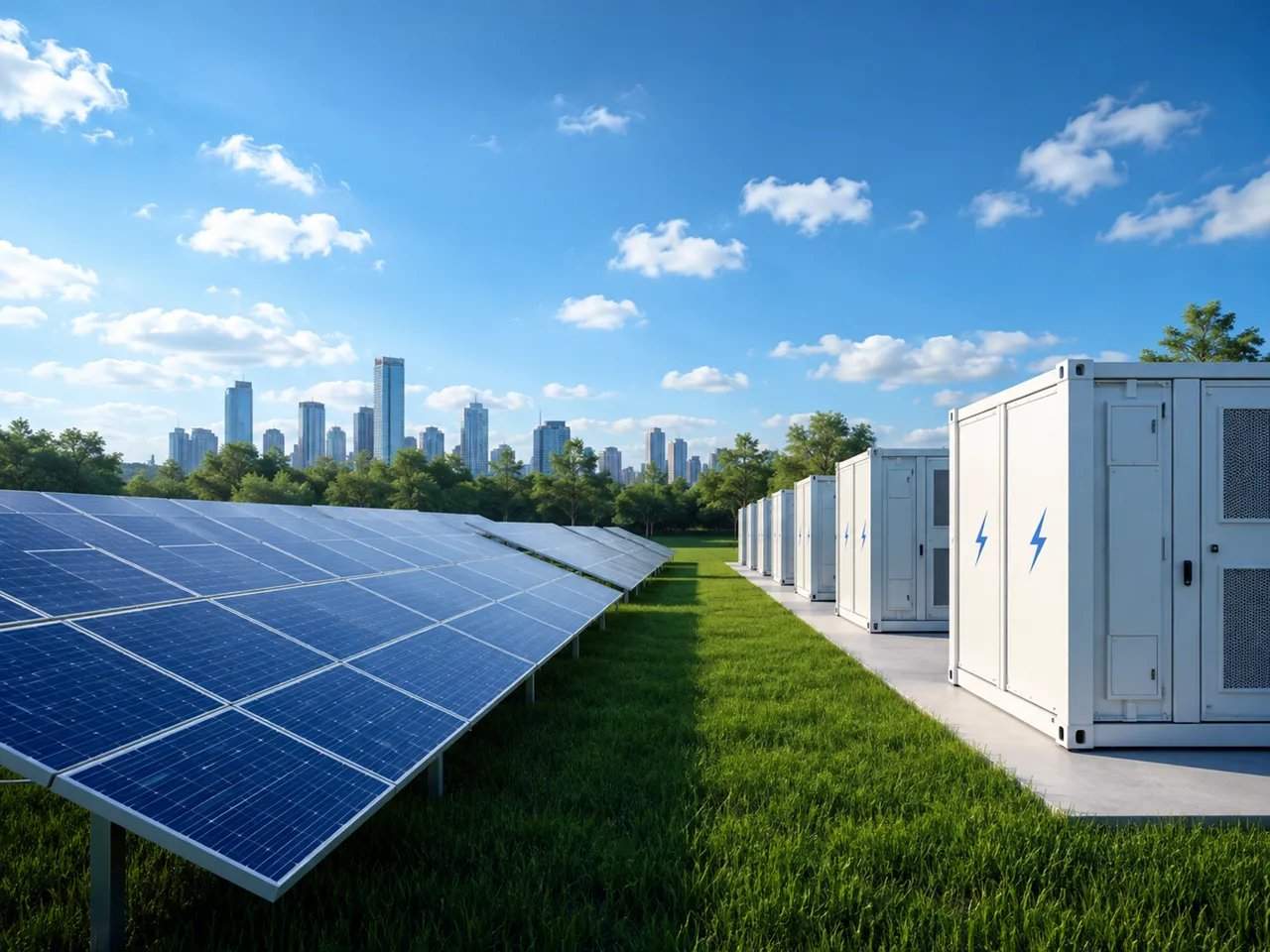
The project plans to construct and operate a battery energy storage station, connected to Chile's National Electric System (SEN) via the Lucero Substation. The BESS station has a planned capacity of 50 MVA with a storage duration of four hours, based on lithium-ion batteries, storage cabinets, and AC/DC conversion units. Its nominal energy is recorded as 200 MWh in the environmental documents, but 240 MWh in the DIA summary, a technical discrepancy that needs clarification during the environmental assessment period.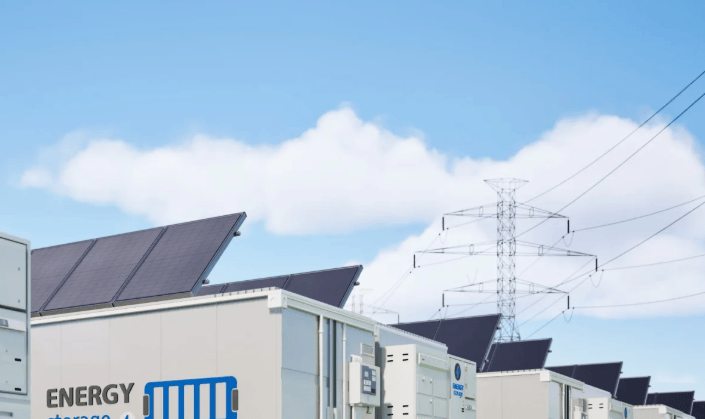
The project operates in a standalone mode, meaning it is not equipped with its own power generation facilities. Electricity is drawn from the National Electric System and stored in batteries, then reinjected into the grid during peak hours or when the system requires it. The project claims this model will provide operational flexibility, security, adequacy, and economic efficiency to the National Electric System, allowing energy storage during low-load or surplus generation periods and release during high-demand periods. Related infrastructure includes a step-up substation and a 66 kV line to connect the storage system to the Lucero Substation. Project documents indicate the substation will be equipped with a 33/66 kV, 50 MVA transformer, while the DIA summary mentions a 20/66 kV substation, another discrepancy to be clarified during the approval process.
The project site is located in the municipality of Bulnes, covering an area of approximately 2.21 hectares, of which 0.49 hectares are for temporary works and 1.72 hectares for permanent works. Access to the project will be from Route 5 via the N-69 road to the Lucero Substation. Site selection reasons include land availability, suitable terrain for BESS system installation, proximity to the National Electric System connection point, and the presence of areas with high electricity demand.
The project timeline shows that construction is planned to begin in January 2028, with an expected duration of six months, ending in June 2028. The construction phase is expected to employ an average of 20 workers, with a maximum of 40. Operations will begin in July 2028, including energization testing and commissioning, and will continue for 20 years until July 2048. The total project lifespan is 21 years, including construction, operation, and closure phases.
The permanent works mainly consist of four parts: the energy storage station, the step-up substation, the 66 kV high-voltage line, and administrative facilities for control and inspection. During construction and closure, construction sites and laydown areas will be set up. The construction phase includes earthworks, internal roads, BESS system construction, electrical equipment installation, inverters, low and medium voltage networks, the 66 kV line, and works related to the step-up substation.
The project does not involve the extraction or exploitation of renewable natural resources during construction, operation, or closure. During construction, water will be supplied by authorized third parties, with a maximum estimated demand of 6 m³/day for drinking water and 442 m³/month for industrial water. During operation, maximum drinking water consumption is estimated at 1.2 m³/day, and industrial water at approximately 3 m³/month, mainly for cleaning permanent works.
In the environmental impact assessment, noise evaluation during the construction phase considered five nearby human receptors and one animal receptor, with receptors 3 and 4 exceeding the thresholds of Chile's MMA Supreme Decree No. 38/2011, thus requiring control measures. During the operational phase, noise and vibration thresholds for the assessed receptors did not exceed limits. The project also evaluated electromagnetic fields associated with medium and high voltage electrical facilities, including the substation, transmission lines, and BESS system, concluding that they comply with international reference standards.
Related Products

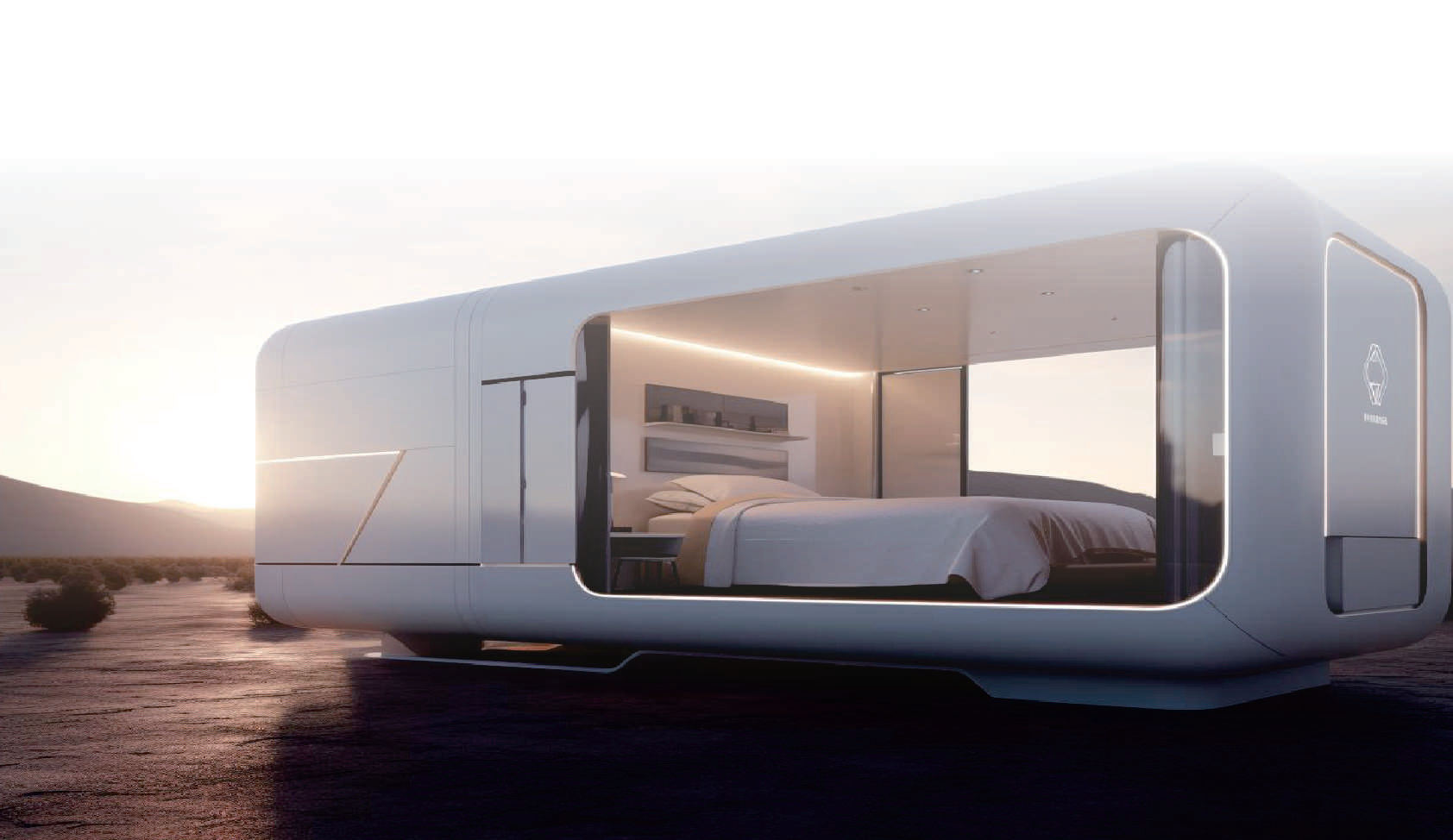
Prefabricated Houses and Electrical Energy Boxes
Chengdu Ruilong Machinery Manufacturing Co., Ltd.
Double-slide Triple-sealed Hot Air Isolation Door
Xi'an Yingchuan Electric Power Equipment Co., Ltd.
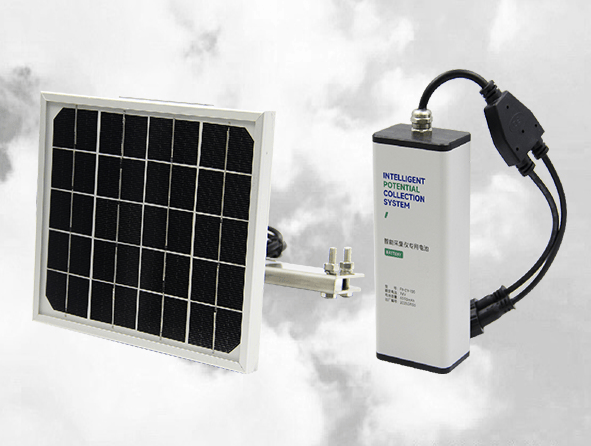
Inductive Power Harvesting Self-Powered Device - Safuneng
SELF ENERGY TECHNOLOGY (SHENZHEN) CO., LTD.