China's Aish Technology Strengthens R&D in Video Generation and Real-Time World Models
en.Wedoany.com Reported - China's Aish Technology announced on July 14 that it has completed its overall Series C financing round, with total cumulative funding reaching 2.98 billion yuan. The C+ round was led by Alibaba Group, with participation from over ten institutions including Lollapalooza Capital, Ivy Capital, Huiyuan Capital, Zhongding Capital, Mirae Asset Global Investments, OCBC's Lion X Fund, BlueFocus, CloudAlpha, and iGlobe Partners. The new funds will be primarily used for research and development of foundational video generation models and real-time world models, global product growth, and industrial scenario deployment.
The focus of this subsequent investment will be on model R&D and product capability building. Founded in 2023, Aish Technology specializes in developing multimodal video large models and world models, and has launched AI video products tailored for different use cases based on its self-developed models. Currently, the company's products include PixVerse for global users, "PaiWo AI" for the Chinese market, and related models and product capabilities serving team production, developer integration, and interactive applications. Its users span 177 countries and regions worldwide.
In terms of foundational video generation models, Aish Technology will continue to enhance the model's ability to understand and generate text, images, audio, and dynamic scenes, enabling the model to complete video content generation, modification, and continuous interaction according to user instructions. The company has been iterating on the PixVerse video generation model, with related products evolving from single video clip generation to synchronized audio and video, multi-shot expression, and real-time content interaction. This round of resource investment will continue to be used for foundational model training, generation quality optimization, and product updates, though the company has not yet disclosed the specific release timeline or technical parameters for the next-generation model.
The real-time world model is another major area of development. In early 2026, Aish Technology launched PixVerse R1, which supports 1080P resolution and real-time natural language interaction. Users can change character actions, scene states, and content direction through commands while the video is running. Unlike generating fixed-duration videos, the real-time world model requires continuous understanding of user input and updating of visuals. Therefore, subsequent R&D will focus on real-time response, visual consistency, interactive control, and continuous generation capabilities.
Regarding industrial scenario deployment, Aish Technology plans to continue integrating video generation capabilities into content creation, brand marketing, advertising, film and television, gaming, and developer services. This effort goes beyond launching generation tools for individual users, extending to providing model invocation, product integration, and content production capabilities for enterprises and teams, embedding video generation models into specific business workflows. The company has previously advanced API applications through the PixVerse open platform and collaborated with industry enterprises and creative teams.
Global product growth will proceed in parallel with model R&D. Aish Technology needs to continuously adjust its products based on language, content habits, and product demands in different markets, while improving its service system for global users. PixVerse primarily targets overseas markets, while "PaiWo AI" serves Chinese users. Both product lines will jointly deliver the application outputs of foundational video generation models and real-time world models.
Currently, publicly available information only clearly identifies four investment directions: foundational video generation models, real-time world models, global products, and industrial applications. No plans have been disclosed for building new data centers, GPU computing clusters, R&D bases, or other physical facilities. Therefore, the focus of this phase should be understood as building the model R&D system, product platform, and industrialization capabilities, without further speculation on specific server scale, computing procurement quantities, or engineering locations.
Related Products
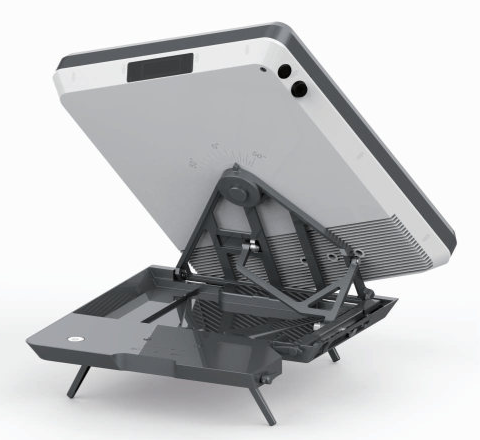

Flat Portable Satellite Terminal 0.35m Aperture Manual Portable Terminal
China Starwin Science & Technology Co., Ltd.
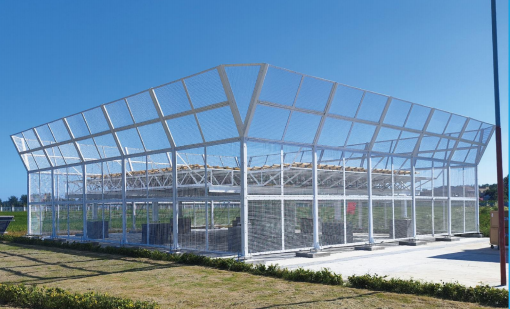
TWP16 P-Band Tropospheric Wind Profile Radar
China Huayun Meteorological Technology Group Co., Ltd.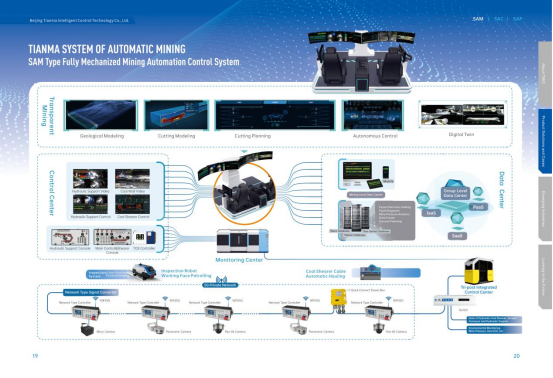
Comprehensive Mining Automation Control System
Beijing Tianma Intelligent Control Technology Co., Ltd.

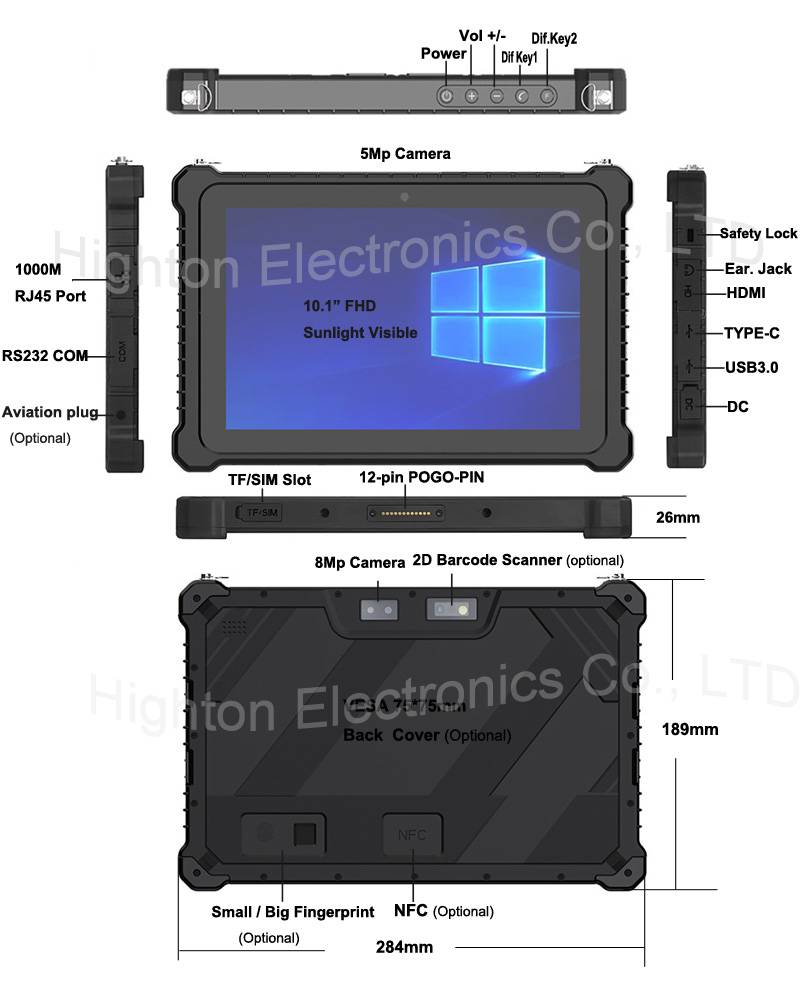
Hot Selling 10 Inch Intel N5100 I5 I7 FHD 8 +128GB 16+256GB Win10 Pro Win11 Pro 4G 5G Rugged Tablet PC Pad with NFC Barcode
Highton Electronics Co., Ltd.

Mine Explosion-proof and Intrinsically Safe Industrial Ethernet Ring Network (10 Gigabit/Gigabit)
Chongqing Mas Sci&Tech Co., Ltd.