German Ship Management Company Completes Deployment of Fuel Testing Kits Across 300 Vessels
en.Wedoany.com Reported - CM Technologies GmbH (CMT) has completed the full deployment of integrated marine fuel and lubricating oil testing and analysis kits across a fleet of 300 container ships and bulk carriers managed by a German ship management company.
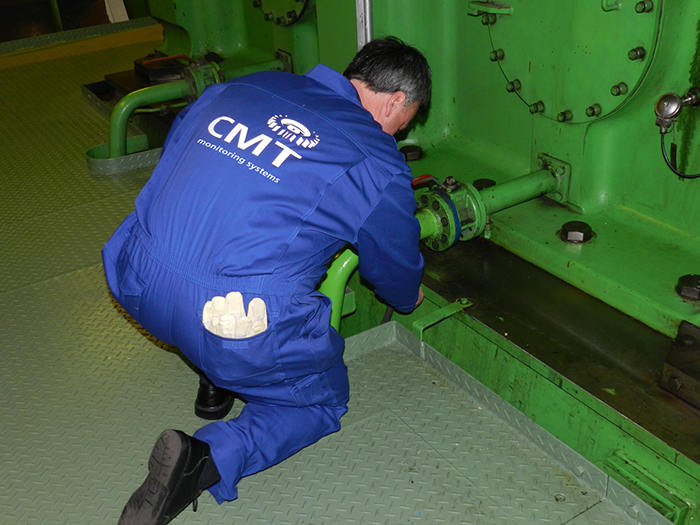
The testing and monitoring solutions provider, headquartered in Glückstadt, Germany, stated that the fleet-wide deployment was carried out progressively over the past decade, establishing a unified testing platform that enables consistent fuel and lubricating oil analysis across the entire fleet, regardless of vessel type, trade route, or operational conditions.
CMT noted that this deployment represents a significant shift in how ship management companies and shipowners implement onboard engine condition monitoring across large fleets. Uwe Krüger, Managing Director of CMT, stated that fuel and lubricating oil analysis is no longer viewed solely as a ship-level engineering function but is becoming part of a broader operational control framework that supports decision-making, maintenance planning, and risk management across the entire fleet. Shipping companies are seeking solutions that deliver immediate results onboard and desire consistency in monitoring across their fleets.
According to CMT, the increased use of very low sulfur fuel oil (VLSFO) and other blended fuels following the implementation of the International Maritime Organization (IMO) 2020 regulations has driven the trend toward standardized diesel engine performance monitoring. Krüger stated that this presents new challenges for vessel operators in terms of fuel stability, compatibility, and contamination, with related issues becoming increasingly frequent.
Traditionally, operators relied on shore-based laboratories to analyze fuel and lubricating oil samples. However, CMT pointed out that while laboratory analysis remains an important component of mechanical condition monitoring, the time required to obtain results limits the ability to effectively respond to developing issues. Krüger said that more shipping companies are equipping their vessels with marine fuel and lubricating oil testing cabinets, enabling crew members to perform routine analyses more easily. Regular testing has become the norm, with routine tests including moisture content, catalyst fines, viscosity, density, iron wear, and lubricating oil condition.
Water contamination can promote corrosion of engine components; catalyst fines from the refining process may pass through the fuel treatment system, causing rapid wear to pumps, injectors, and cylinder liners; viscosity and density checks upon delivery allow operators to independently verify fuel quality; iron content analysis in cylinder drain oil tracks wear rates over time, providing early warnings before problems become severe.
Krüger stated that testing has been integrated into the daily operations of vessels, rather than being conducted periodically or outsourced. The key advantage of the standardized approach is the ability to directly compare results between vessels. Since measurements are generated using the same equipment and procedures, technical teams can benchmark performance between sister ships, identify abnormal trends, and investigate deviations, transforming onboard testing into a fleet-wide intelligent tool.
Recently, the ship management company upgraded its testing program, replacing traditional wet chemical iron test kits with CMT's ferrous wear measurement devices. This change reduces reliance on reagents while improving the repeatability and consistency of wear monitoring. Krüger noted that earlier identification of abnormal wear gives crew members and technical managers more time to investigate and resolve issues before they develop into catastrophic engine failures and costly disruptions; a single testing platform also reduces procurement complexity and ensures consistent training and data processing across the entire fleet.
Related Products

6kV-35kV Medium and High Voltage Direct-Connected Energy Storage System
Hainan Jinpan Smart Technology Co., Ltd.
Electromagnetic Fluid Seawater Floating Oil Separation and Recover Equipment
Huate Magnet Group Co., Ltd.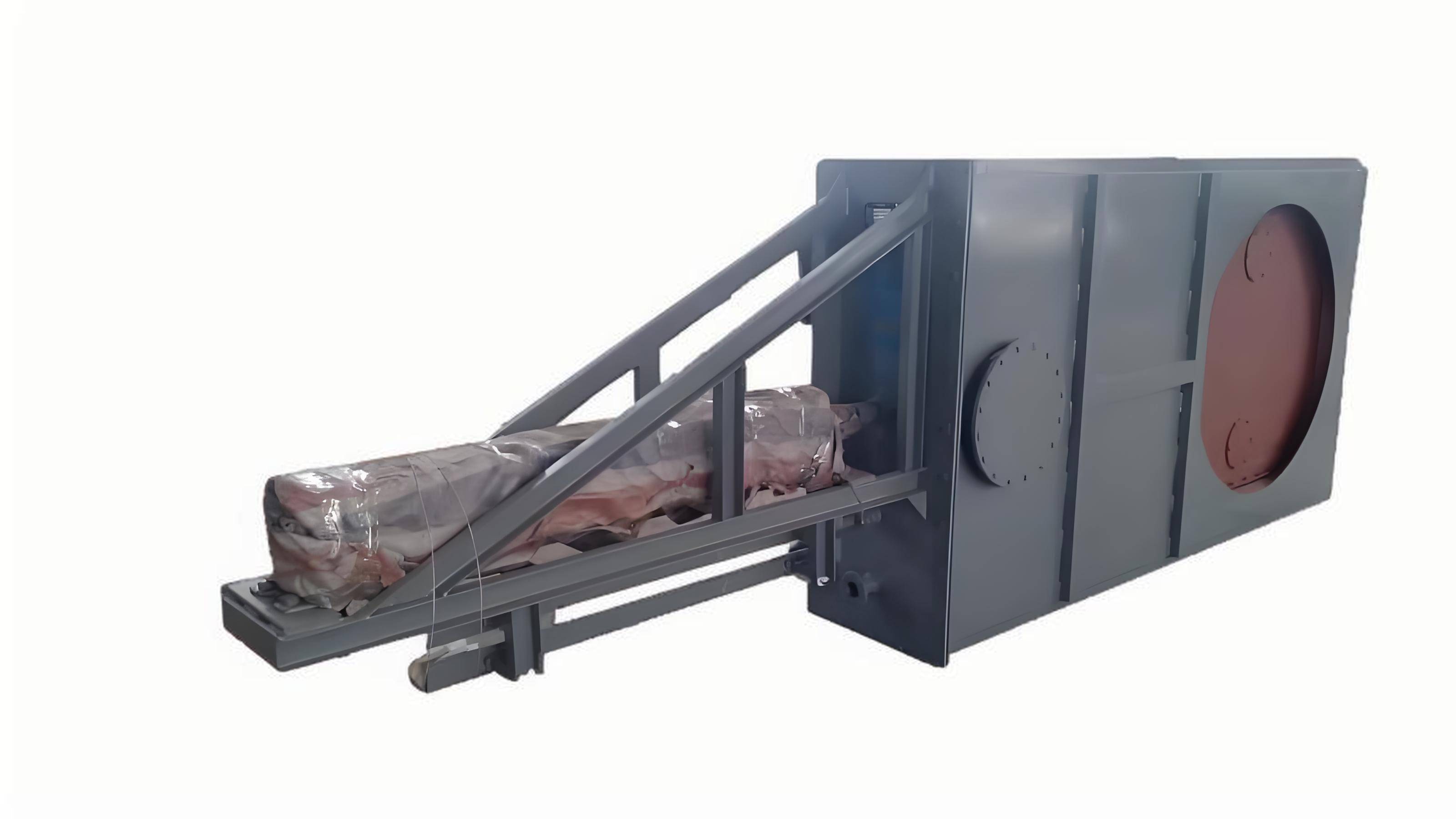
Double-slide Triple-sealed Hot Air Isolation Door
Xi'an Yingchuan Electric Power Equipment Co., Ltd.

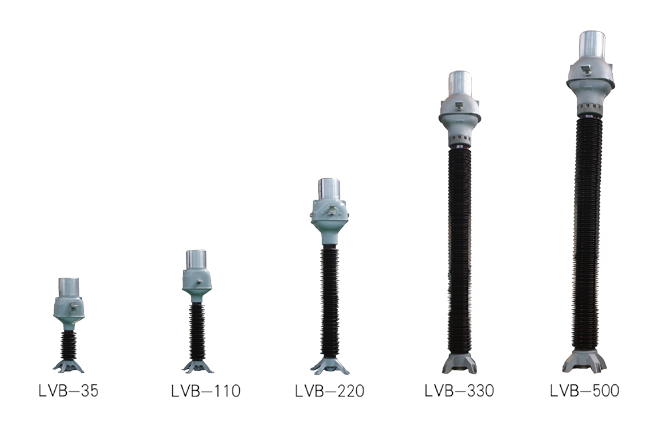
LVB Series 35-500kV Oil-immersed Inverted Current Transformer
Shandong TaiKai Instrument Transformer Co., Ltd.
Perfluorinated Ionic Membrane-CM-10N Series Membrane
Guizhou Juneng Century Technology Co., Ltd