en.Wedoany.com Reported - The newly built Fuyang-Mengcheng-Suzhou (Huaibei) Railway (referred to as the Huaifu High-Speed Railway), constructed by the China Railway No.4 Engineering Group Co., Ltd., a subsidiary of China Railway Group Limited, began static acceptance on July 12.
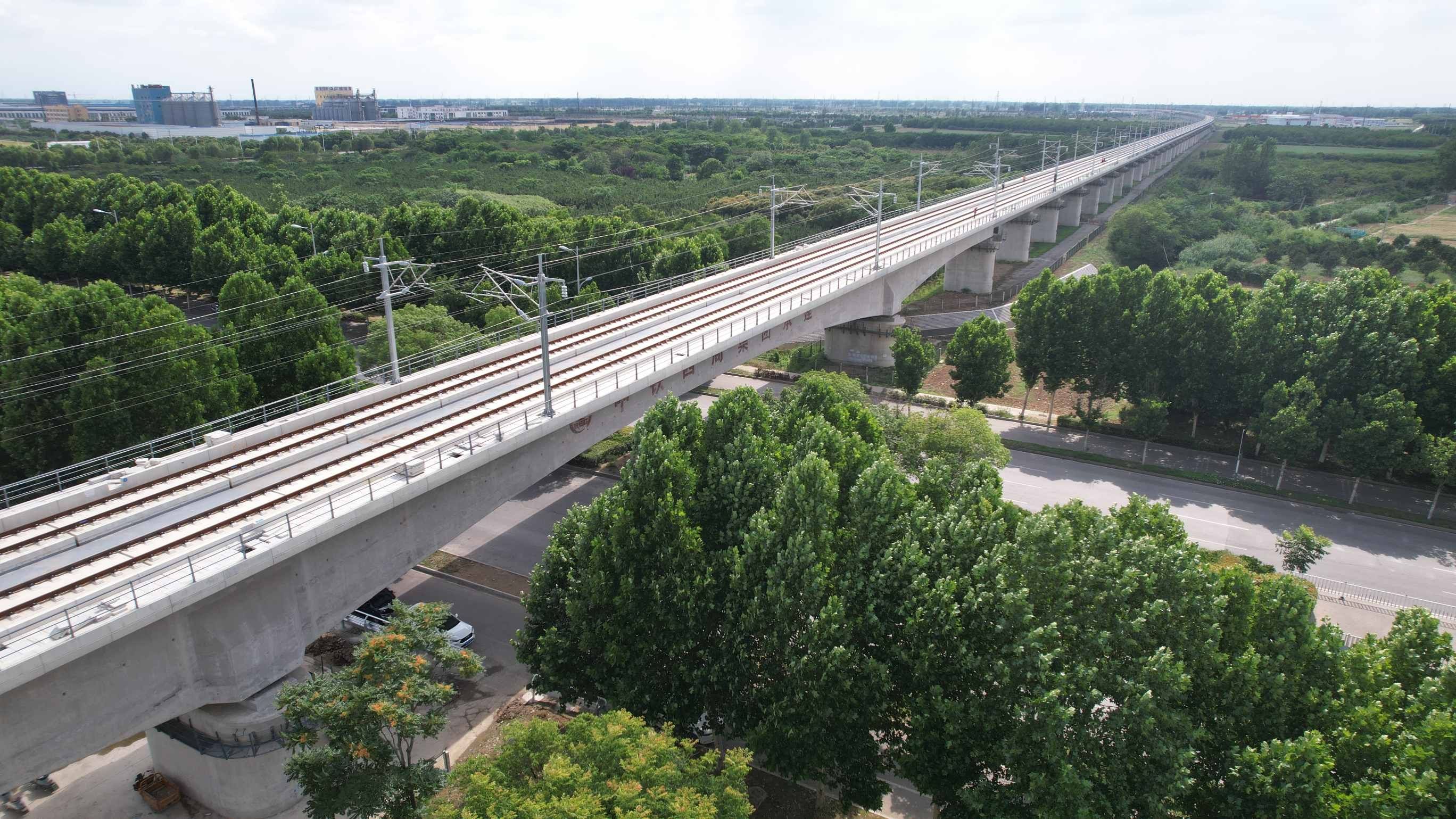
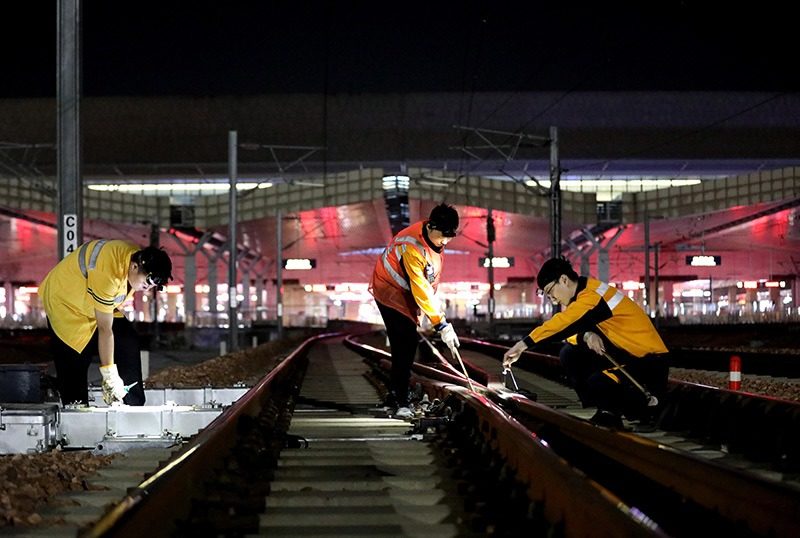
Static acceptance is a critical step in the completion and acceptance of high-speed railway projects. After construction, equipment installation, and commissioning are completed according to the design, it involves inspecting and confirming the quality of the project, covering disciplines such as track, communication, signaling, power and traction power supply, building, and environmental and water protection systems. This is equivalent to conducting a comprehensive and detailed "physical examination" of the entire line.
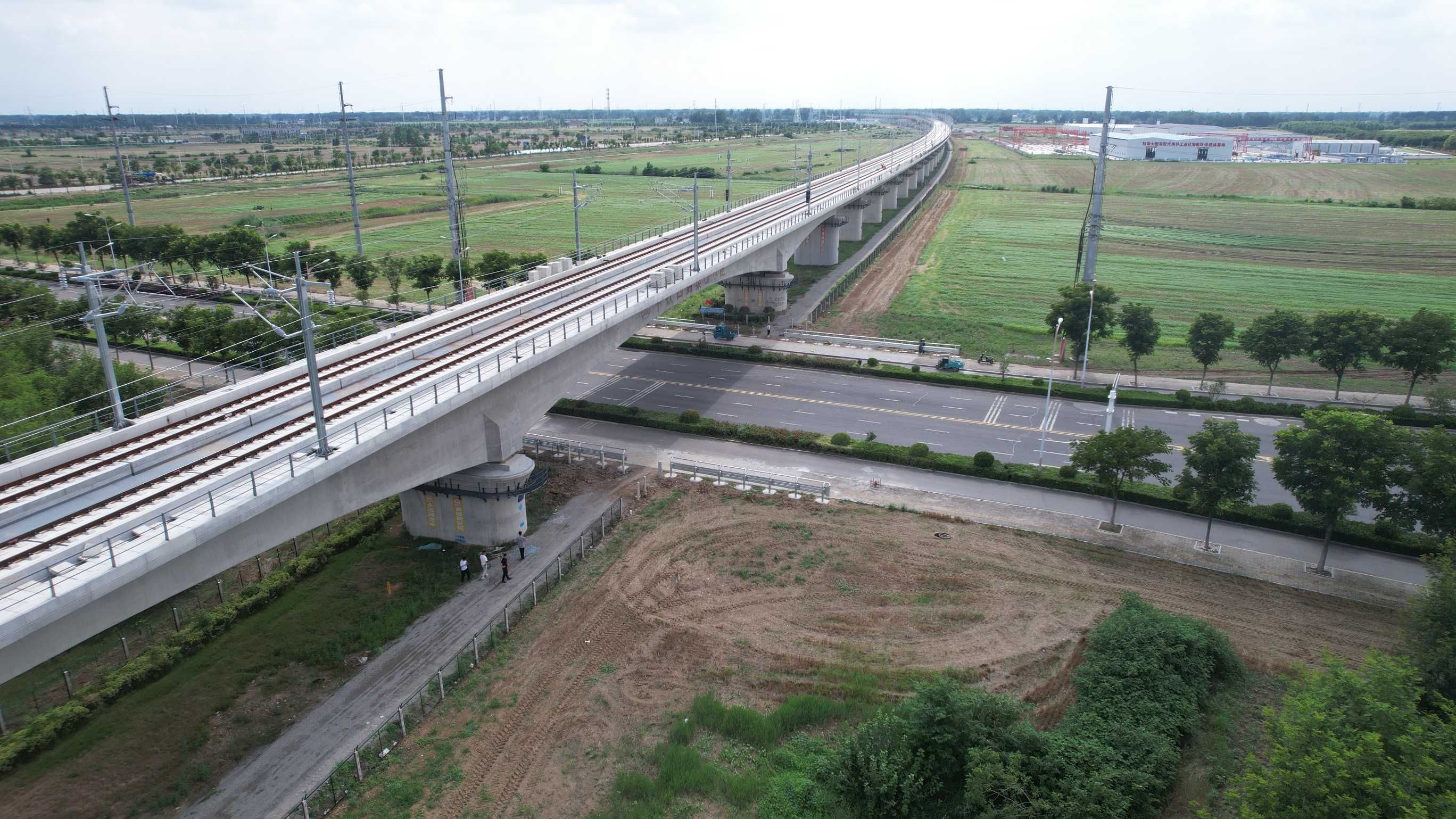
The Huaifu High-Speed Railway is an important component of the intercity railway network in northern Anhui. The line starts from Fuyang West Station, a shared station on the Shangqiu-Hefei section of the Beijing-Hong Kong High-Speed Railway and the Zhengzhou-Fuyang High-Speed Railway, passes through Lixin County and Mengcheng County in Bozhou City, and ends at Shuangduiji Station on the Huaibei-Bengbu High-Speed Railway. It utilizes the Huaibei-Bengbu High-Speed Railway towards Huaibei and includes a connecting line to the Bengbu direction of the same railway. The newly built main line has a total length of approximately 142.5 kilometers, with 4 stations. China Railway No.4 Engineering Group Co., Ltd. is responsible for constructing 68.1 kilometers of the line.
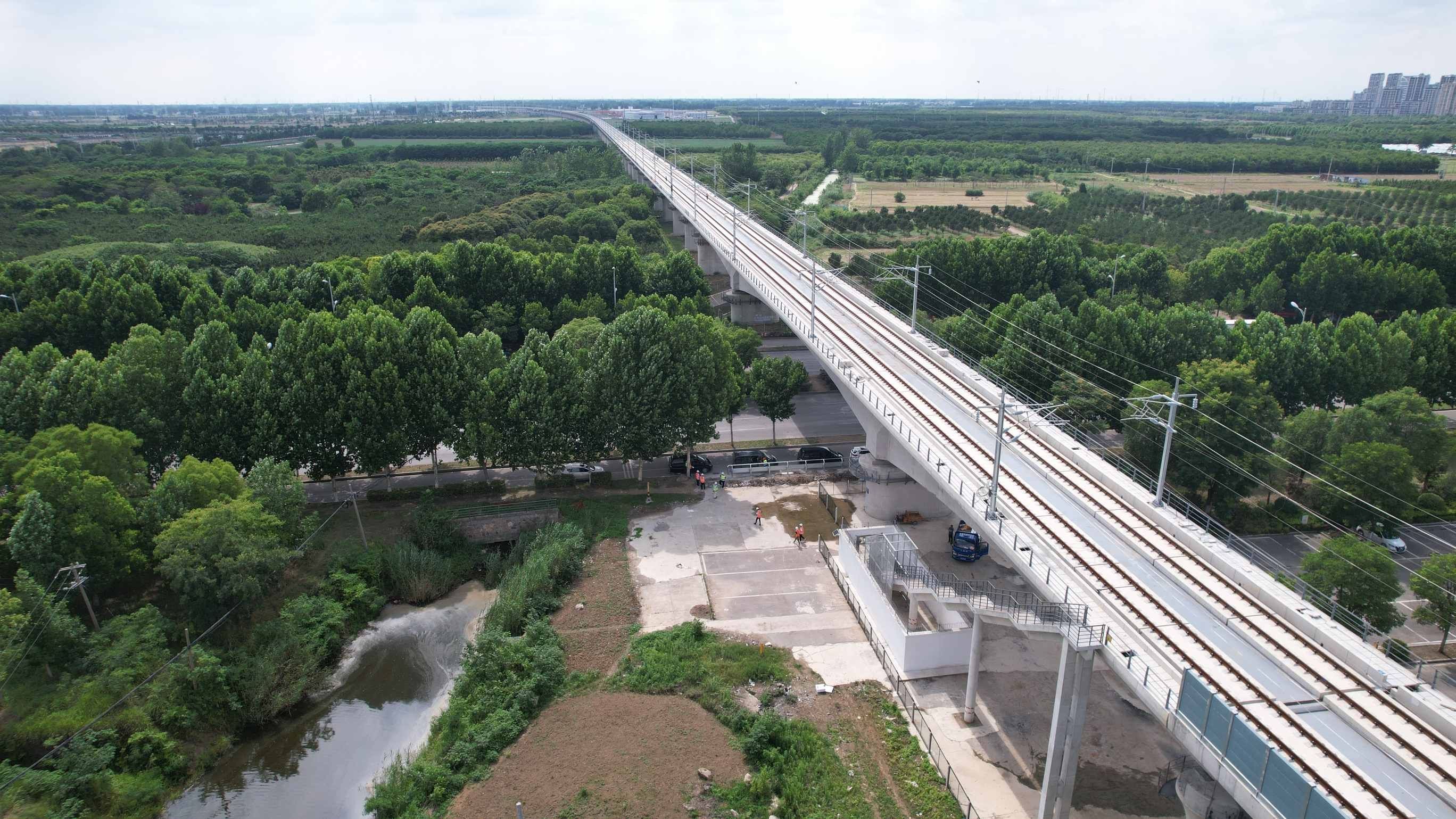
Once completed, the Huaifu High-Speed Railway will end the history of Mengcheng County and Lixin County being without high-speed rail. This is of great significance for improving the regional railway network layout, promoting the construction of the industrial transfer cluster area in northern Anhui, driving the revitalization and development of northern Anhui, and better supporting national strategies such as the integrated development of the Yangtze River Delta and the rise of the central region.