Denmark's Airengy and Nobian Study Salt Cavern Compressed Air Energy Storage
en.Wedoany.com Reported - Airengy and European chemicals producer Nobian have reached an agreement to jointly evaluate the feasibility of developing a compressed air energy storage project using existing salt caverns in Denmark. The proposed compressed air power plant could provide up to 2.5 GWh of storage capacity, with a power output expected to range between 3 MW and 10 MW.
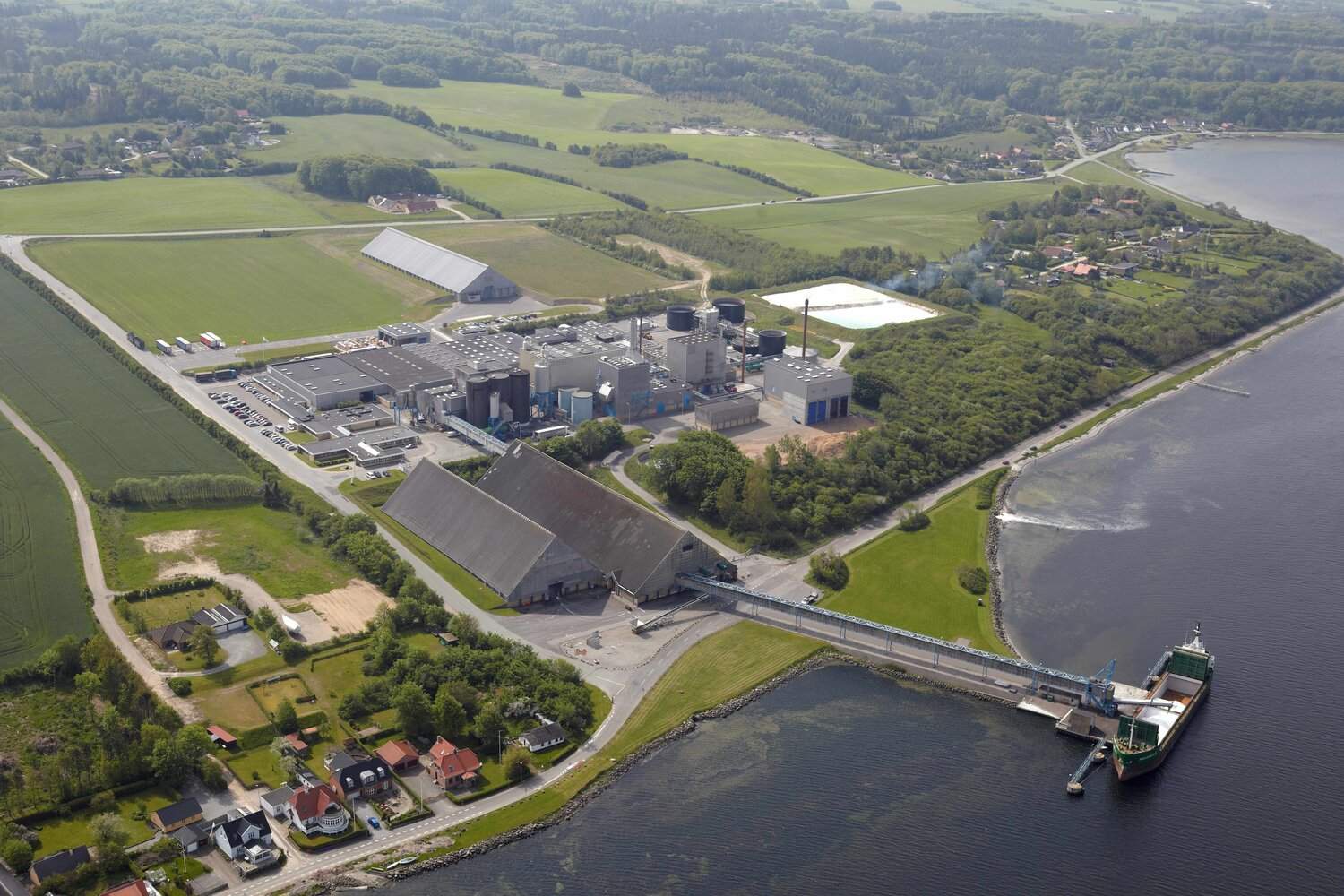
The parties are currently in the feasibility study phase, reviewing the project's technical requirements, regulatory pathway, and business case before deciding whether to proceed with construction. A compressed air energy storage system works by compressing air and storing it underground, then releasing the air to drive power generation when electricity is needed. Salt caverns, due to their large underground volume, are considered ideal rock formations for such storage, avoiding the need to build surface-level battery facilities of equivalent capacity.
Under the agreement, Nobian will continue to manage the salt cavern and retain the operating license, with responsibilities covering permitting, regulatory processes, supporting infrastructure, stakeholder engagement, and community communication. Airengy will lead the design of the AirBattery system, including compression and power generation equipment. The feasibility study will assess how the equipment connects to the existing salt cavern and surrounding energy infrastructure. The balance between storage capacity and power output indicates that the project is positioned for long-duration discharge rather than short-term grid support. Final operating characteristics will depend on technical studies, grid requirements, and commercial structures.
Long-duration energy storage is gaining attention as European electricity markets increase wind and solar power generation. Unlike short-duration batteries, systems designed for extended storage help manage prolonged gaps between renewable energy generation and electricity demand. The Danish project could absorb power when renewable output is high and release it when supply drops or demand rises, while also aiding grid congestion management and reducing the impact of extreme wholesale electricity price fluctuations.
The Danish proposal is part of Airengy's broader European project pipeline, with the company also announcing compressed air energy storage collaborations involving sites in England, Romania, and Germany. Its development strategy includes building small-scale plants with planned outputs of around 1 MW to 1.5 MW in England and Romania, as well as larger projects in markets like Denmark. The partnership with Nobian gives Airengy access to a salt cavern operator with experience in salt production, solution mining, and underground infrastructure. For Nobian, this evaluation provides an opportunity to explore whether its salt cavern assets can support electricity storage.
The project still faces numerous hurdles, including meeting technical and safety requirements, obtaining permits, confirming grid access, and demonstrating that expected market revenues are sufficient to support development and operations. Long-duration energy storage projects also depend on electricity market frameworks that assign sufficient value to flexibility, capacity, reliability, and grid services. Airengy is also independently evaluating potential applications of its compressed air platform in power-intensive industries, including data centers. The Danish agreement does not currently constitute a construction commitment but provides a framework for both companies to determine whether existing salt caverns can be transformed into commercially viable long-duration energy storage facilities.
Related Products


Off-Grid Fuel Cell Supercharging Station (180kW Configuration)
Shanghai REFIRE Group Limited
Optional Accessory - Auxiliary Sampling Module
Beijing Soaring Electric Technology Co., Ltd.
1000kV Jin Southeast-Nanyang-Jingmen UHV AC Transmission and Transformation Pilot Demonstration Project
Anhui Hongyuan Steel Tower Co., Ltd.
Double-slide Triple-sealed Hot Air Isolation Door
Xi'an Yingchuan Electric Power Equipment Co., Ltd.
Forest and Grassland Heat Source Infrared Monitor
China Huayun Meteorological Technology Group Co., Ltd.