2026 World Cup Football Integrates MEMS and UWB, 500Hz Sampling for Centimeter-Level Positioning
en.Wedoany.com Reported - On the green pitch of the 2026 World Cup, a football embedded with a MEMS inertial sensor, an ultra-wideband (UWB) positioning chip, and a wireless charging coil records every touch at a sampling rate of 500 times per second. Leveraging 12 base stations, it achieves centimeter-level positioning, providing core data for semi-automated offside calls.
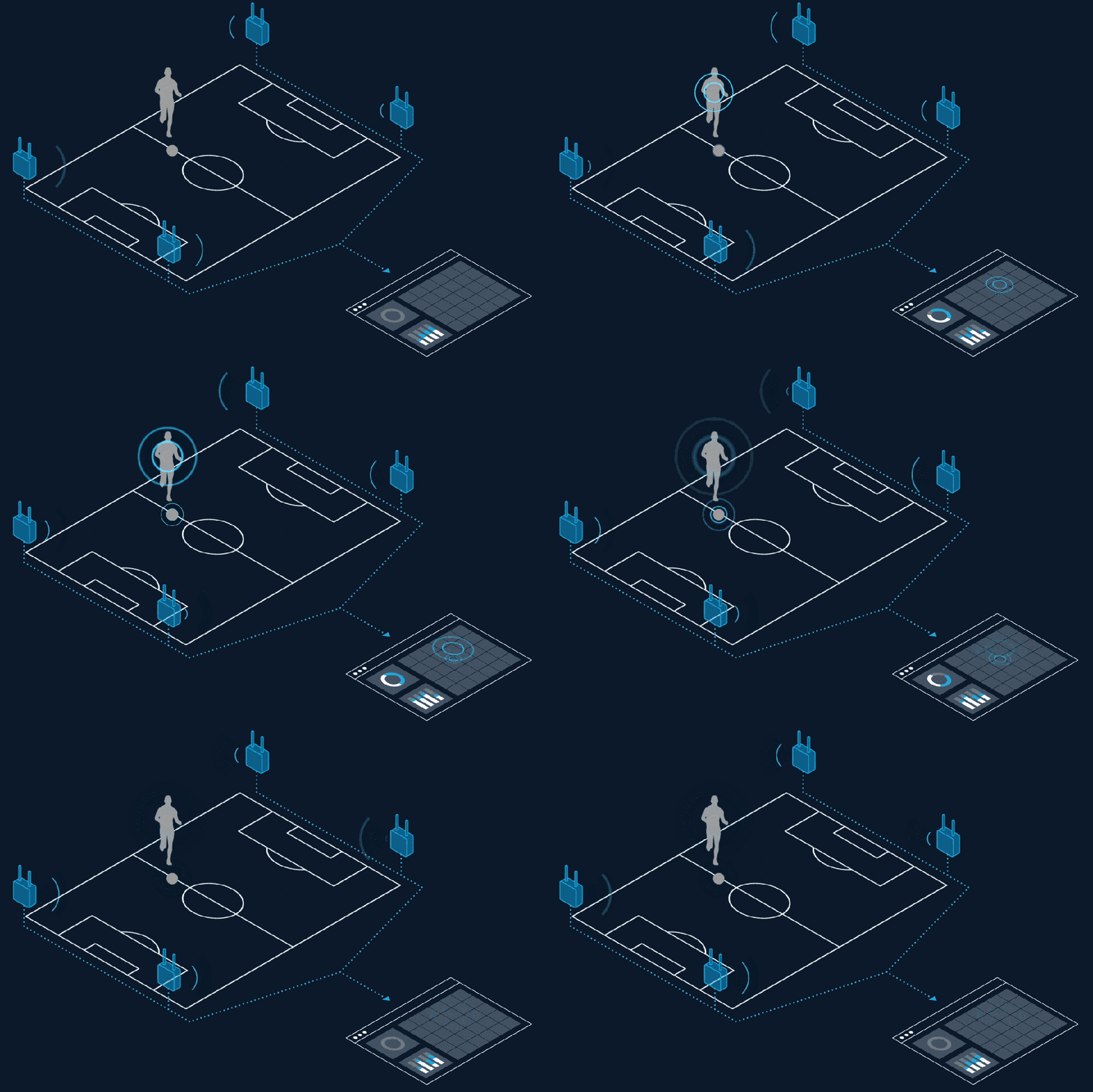
The inertial sensor inside the football records acceleration changes at 500 times per second, while the UWB positioning chip transmits pulse signals to 12 base stations around the pitch, locking the ball's three-dimensional position to the centimeter level. The time of touch and the offside line are automatically determined in less than half a second.
The technology transfer of MEMS sensors began during the Cold War. At the end of World War II, Nazi Germany's V-2 rocket first used mechanical gyroscopes for inertial guidance. During the Cold War, a laboratory led by Professor Charles Stark Draper at the Massachusetts Institute of Technology developed precision inertial navigation systems for strategic weapon platforms such as the Tomahawk cruise missile, the Polaris submarine-launched ballistic missile, and the B-52 strategic bomber. In the late 1980s, MEMS technology emerged, using semiconductor processes to etch micron-scale mechanical structures on silicon wafers. In 1993, Analog Devices launched the ADXL50, the world's first commercially mass-produced MEMS accelerometer, used in automotive airbags to detect collisions and trigger deployment within 30 milliseconds. In 2007, the MEMS three-axis accelerometer LIS302DL, supplied by STMicroelectronics, entered the first-generation iPhone to detect device orientation, bringing MEMS sensors into the daily lives of billions of consumers for the first time. Over the next decade, MEMS sensor size shrank to 3×3 mm, and costs dropped to $1–2, enabling widespread use in phone step counting, drone stabilization, fitness tracker monitoring, and Nintendo Wii motion controls. At the 2018 World Cup in Russia, players wore MEMS-based wearable sensors for the first time. At the 2022 World Cup in Qatar, the official match ball "Al Rihla," developed by adidas, featured a 500 Hz inertial measurement unit (IMU) co-developed by Germany's KINEXON and adidas, recording three-axis acceleration data 500 times per second to precisely detect the moment of touch. For the 2026 World Cup, the football's IMU sampling rate is expected to increase to 1000 Hz or higher, potentially integrating a nine-axis IMU.
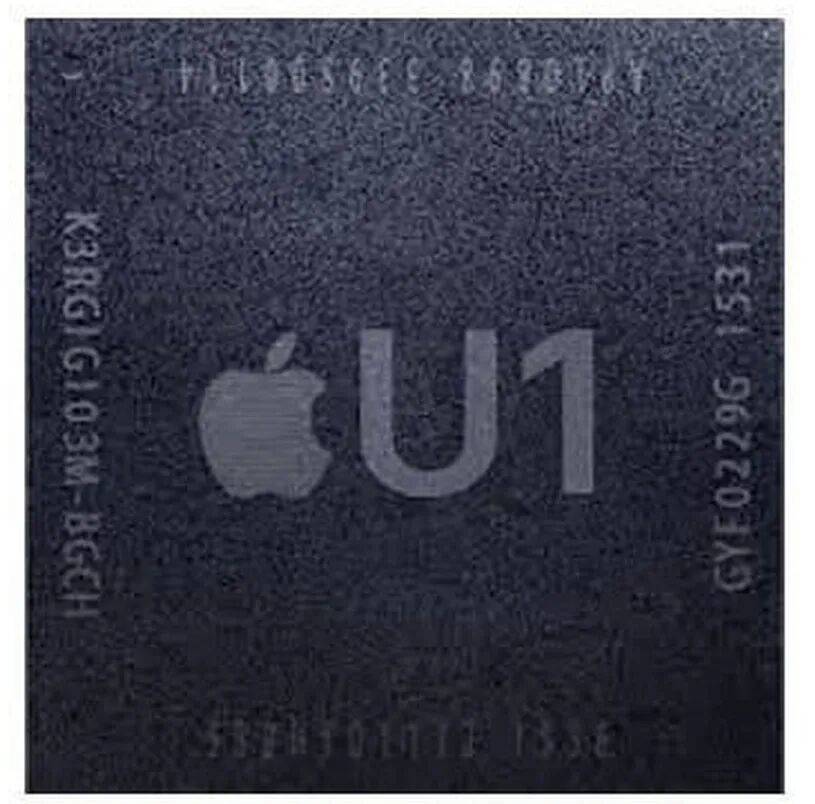
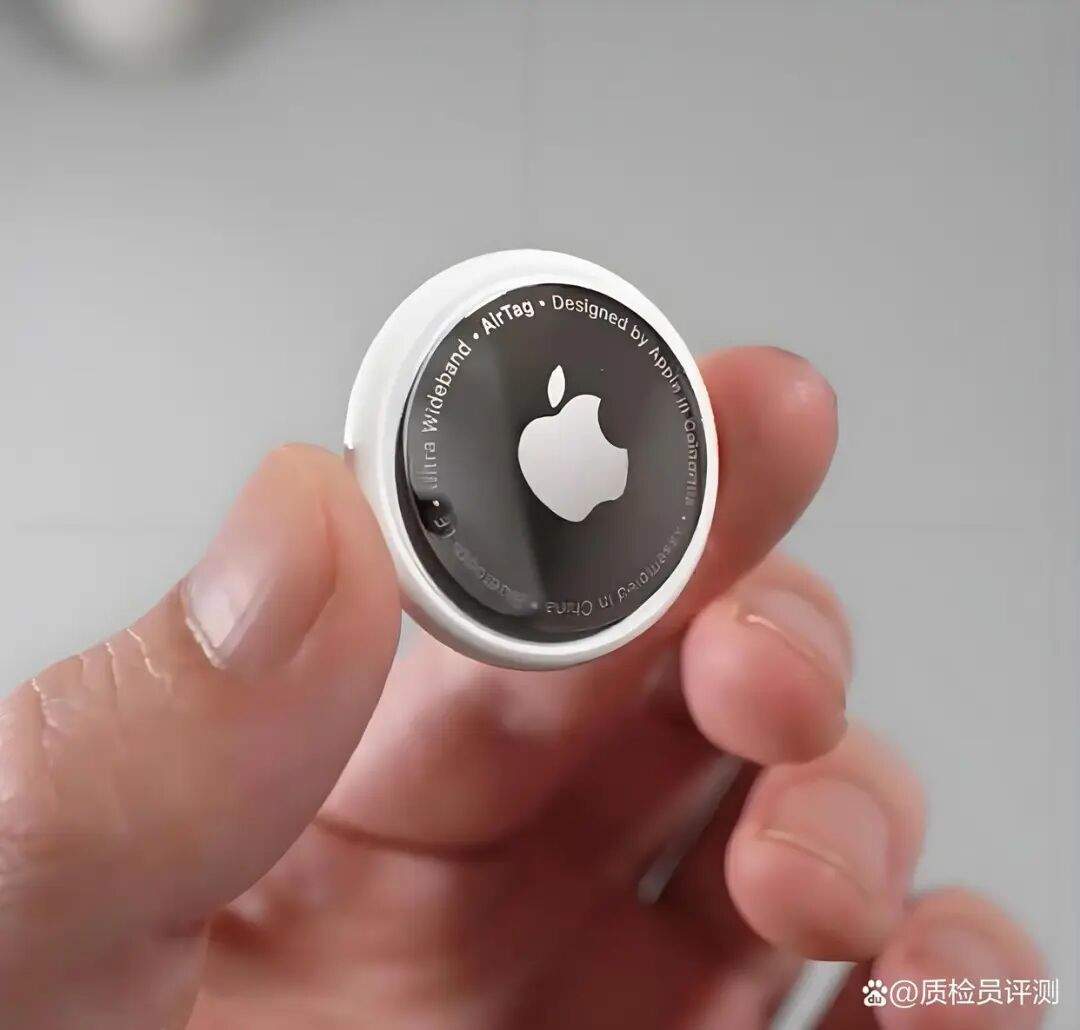
The origins of UWB positioning technology trace back to the 1960s. Due to its extremely narrow pulses and ultra-wide spectrum, UWB signals are difficult for narrowband receivers to intercept and decode, leading the U.S. Department of Defense to use them for low-probability-of-intercept radar in stealth aircraft and secure battlefield communications. In 2002, the U.S. Federal Communications Commission issued an order approving the opening of the 3.1 to 10.6 GHz frequency band for civilian UWB devices. Since then, UWB has been primarily used in B2B scenarios such as mine personnel positioning, hospital equipment tracking, and warehouse logistics forklift dispatching. In September 2019, Apple embedded its self-developed U1 chip in the iPhone 11 series, enabling spatial awareness. In April 2021, the AirTag was released, featuring the U1 chip for centimeter-level precise ranging to guide users in finding items. That same year, BMW launched a digital car key based on UWB. At the 2022 World Cup in Qatar, FIFA partnered with KINEXON to install 12 UWB positioning base stations in each stadium. The match ball "Al Rihla" integrated a UWB sensor, transmitting pulse signals to the base stations dozens of times per second, calculating the ball's three-dimensional position via time-of-flight differences with centimeter-level accuracy. For the 2026 World Cup, the UWB positioning system is expected to further increase its refresh rate, potentially achieving real-time 3D rendering of the ball's full trajectory for the first time throughout an entire match.
The principle of wireless charging originates from Nikola Tesla's electromagnetic induction concept in the 1890s. Tesla built the Wardenclyffe Tower on Long Island, New York, attempting to achieve global wireless power transmission via low-frequency electromagnetic waves, but the project was halted due to investor withdrawal. In the 20th century, wireless charging technology was first applied to electric toothbrush charging bases and medical implants like pacemakers. In 2008, the Wireless Power Consortium was founded. In 2010, the consortium released the Qi standard. In 2017, Apple first supported Qi wireless charging in the iPhone 8 and iPhone X. In 2007, a team led by Marin Soljačić at the Massachusetts Institute of Technology published a paper on magnetic resonance wireless charging in the journal *Science*, opening the door to wireless charging for electric vehicles, with companies like WiTricity subsequently commercializing it. In the 2020s, some smart training balls began adopting wireless charging solutions, with coils fully enclosed inside the ball shell without exposed electrodes. The 2022 World Cup match ball still used traditional battery power. Industry forecasts suggest that the official match ball for the 2026 World Cup may adopt a wireless charging solution, with an embedded receiving coil and a micro-capacity battery or supercapacitor inside the ball.
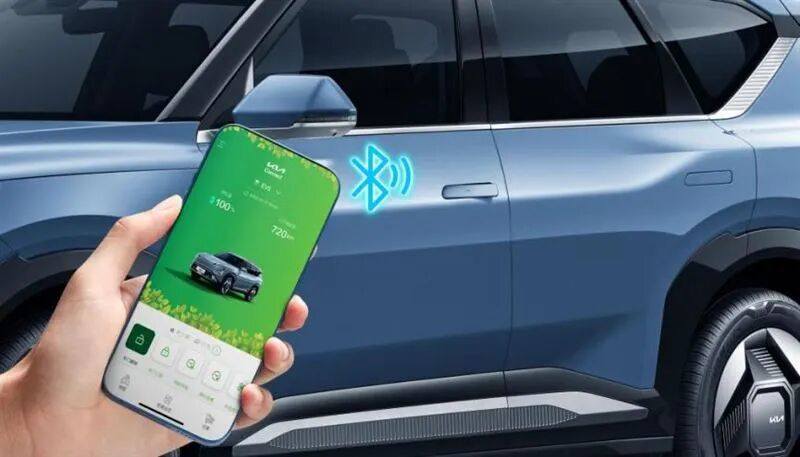
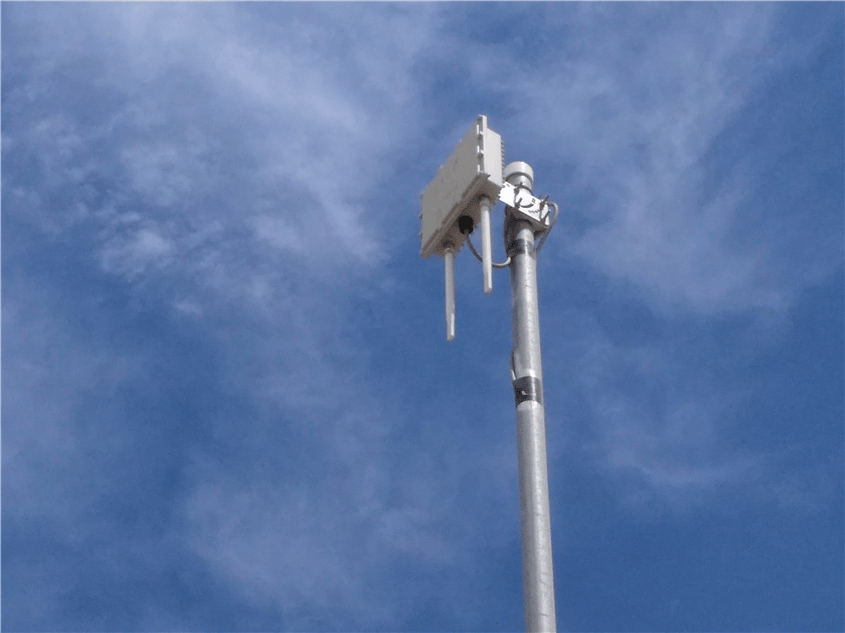
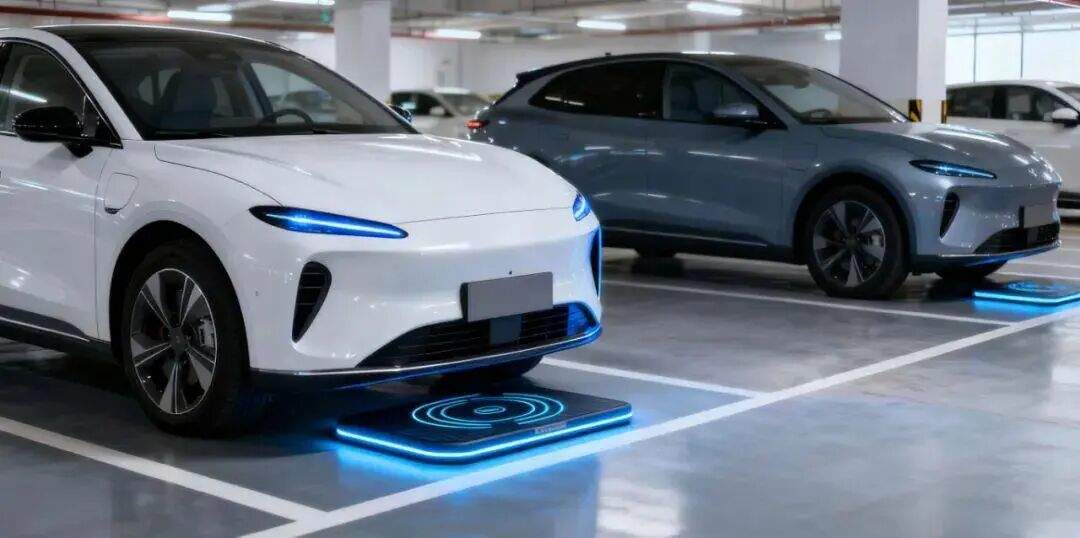
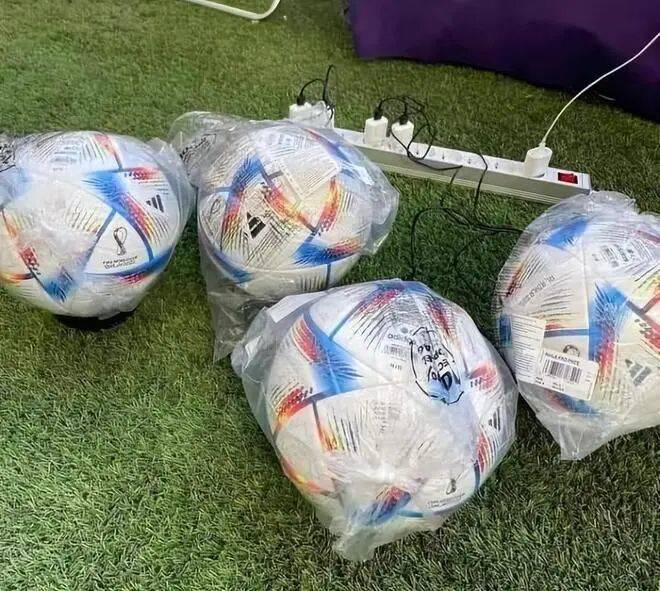
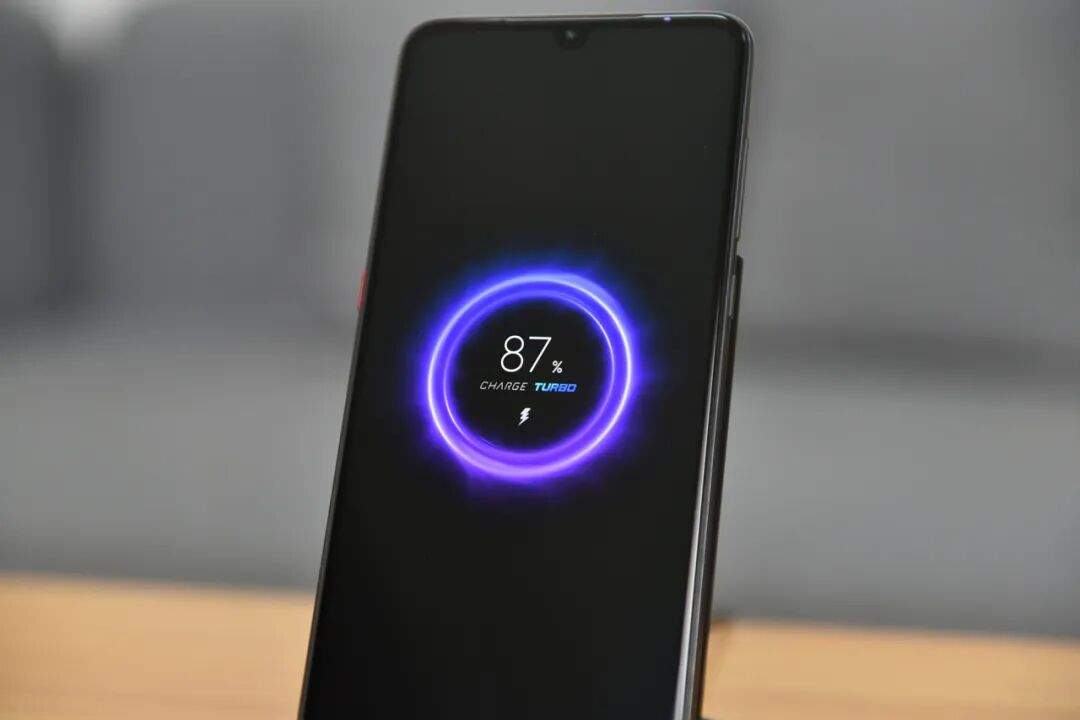
China exhibits different development patterns across these three technology areas. In the MEMS sensor field, China is the world's largest consumer market. Goertek Microelectronics holds over 30% of the global market share in MEMS acoustic sensors, entering the supply chain of Apple and Samsung. Companies like AAC Technologies, BYD Semiconductor, and MEMSIC have achieved breakthroughs in categories such as accelerometers and pressure sensors. However, in high-precision products like tactical-grade and navigation-grade MEMS inertial sensors, China still relies on imports, with core design tools, manufacturing processes, and testing/calibration equipment dominated by overseas companies such as Bosch, STMicroelectronics, TDK-InvenSense, and Analog Devices. In the UWB positioning field, domestic companies like Jingwei Technology, Haoyun Technology, Tsinghua Unisplendour Technology, and Yibaide have launched positioning chips and base station systems with independent intellectual property, achieving batch applications in B2B scenarios such as coal mine personnel positioning and warehouse logistics forklift dispatching. In 2021, Xiaomi launched its "One-Finger Connect" UWB technology. Core intellectual property and advanced manufacturing processes for high-end UWB chips are dominated by overseas companies like Apple, NXP, and Qorvo. In the wireless charging field, China holds the most advantageous position, being the world's largest producer of wireless charging equipment and consumer market. Huawei, Xiaomi, OPPO, and vivo have mass-produced and shipped wireless fast-charging solutions ranging from 50W to over 100W. In the development of the Qi standard, Huawei, Xiaomi, and ZTE are core Chinese members. In the field of electric vehicle wireless charging, companies like BYD, ZTE New Energy, and Teld have carried out high-power wireless charging demonstration projects. The wireless charging industry chain, from upstream magnetic materials and enameled wire to midstream module packaging and downstream terminal product manufacturing, has formed a complete closed loop. However, in the technical certification and core sensor supply system for FIFA-level official match balls, Chinese companies have not yet entered the core supplier list, with European companies like adidas and KINEXON still dominating this market.
Related Products

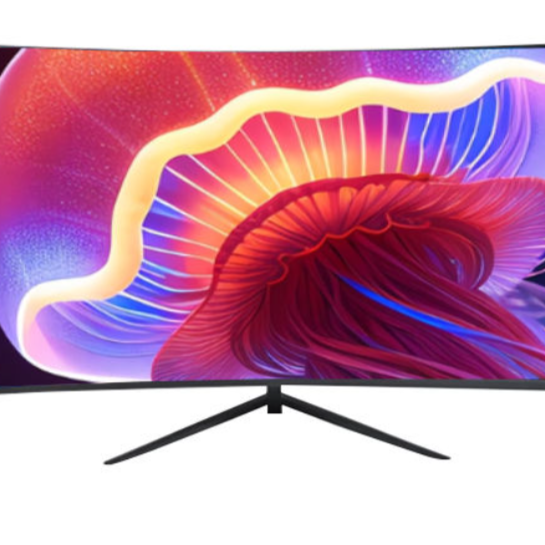
20 Inch 1600*900 Full HD 60Hz TFT LED Monitor with VGA and DP Interfaces for Desktop Computers-Business Use
Guangzhou Zanying Optoelectronics Technology Co., Ltd.
Industrial and Commercial Point-Type Gas Detector
Jinan Benan Technology Development Co., Ltd.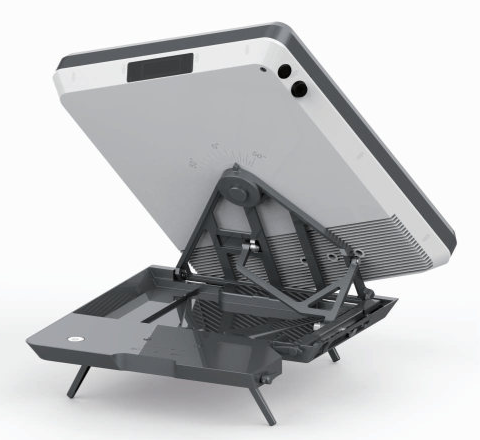
Flat Portable Satellite Terminal 0.35m Aperture Manual Portable Terminal
China Starwin Science & Technology Co., Ltd.
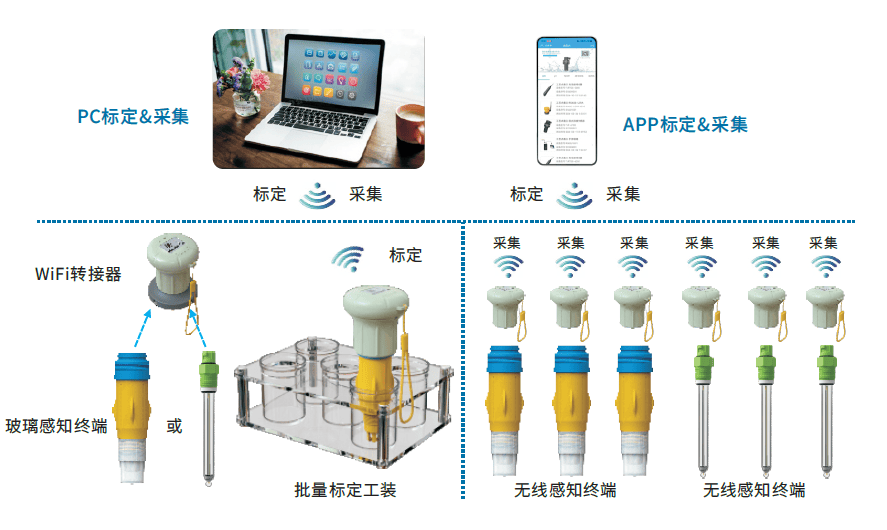

TWP16 P-Band Tropospheric Wind Profile Radar
China Huayun Meteorological Technology Group Co., Ltd.
GYTA Type Non-Self-Supporting Aerial/Duct Optical Cable
TONGDING INTERCONNECTION INFORMATION CO., LTD.