South Korea's National Oil Company Launches Cross-Border Carbon Capture and Storage Study
en.Wedoany.com Reported - July 13, 2026, the Korea National Oil Corporation (KNOC) is advancing a cross-border carbon capture and storage plan, aiming to export carbon dioxide generated by South Korean industries and store it in depleted offshore oil fields in Southeast Asia.

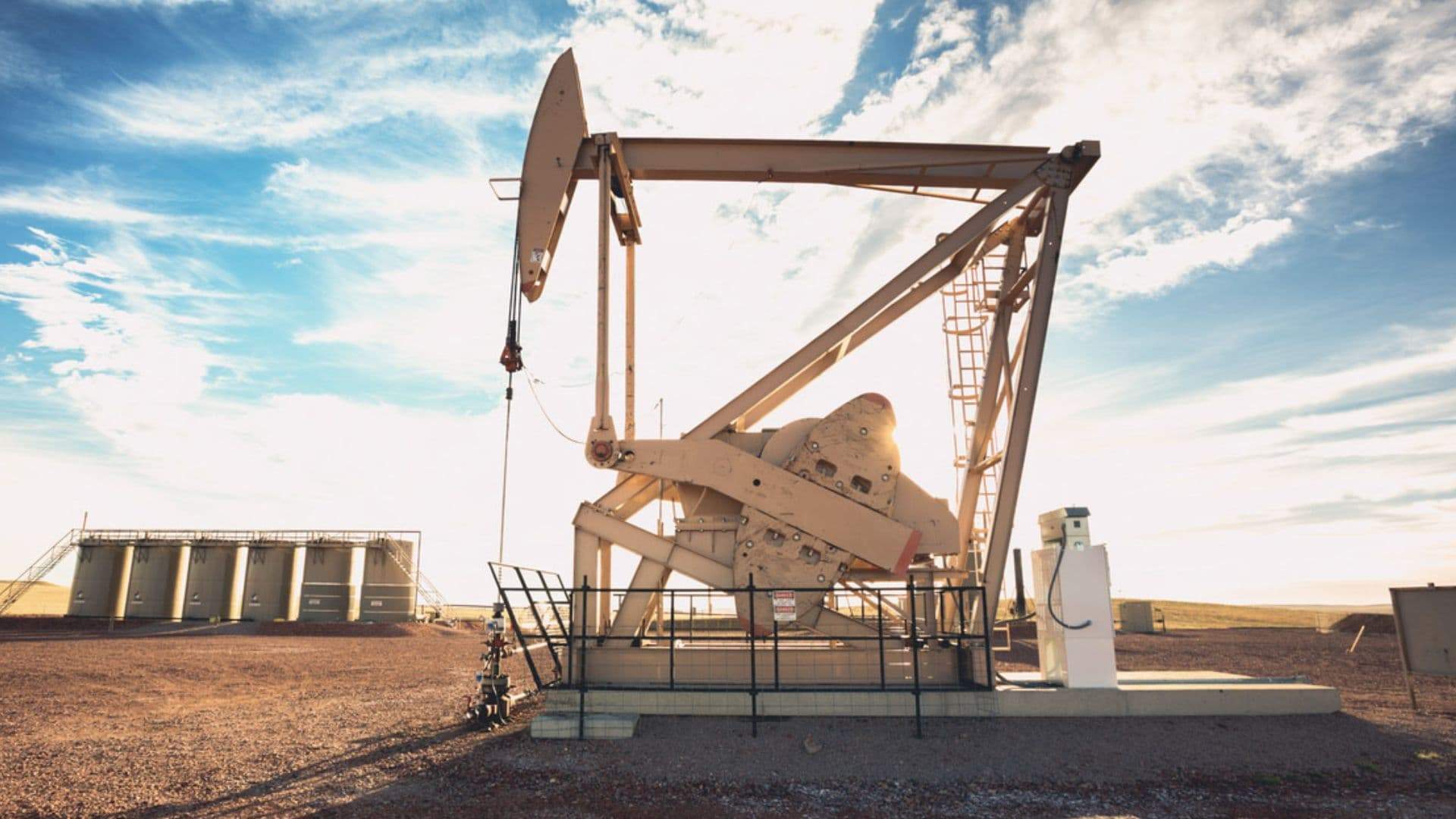
The Korea National Oil Corporation (KNOC) recently launched an international tender for a reservoir development simulation study, which is part of its offshore carbon capture and storage (CCS) research. The study will be conducted in collaboration with a state-owned oil company in Southeast Asia to assess the feasibility of permanently storing carbon dioxide in depleted offshore oil fields. Hyundai Engineering & Construction Co. has been designated to lead the project.
South Korea is home to a large concentration of heavy industries such as steel, petrochemicals, refining, and cement, whose carbon emissions are difficult to reduce. Although South Korea has made progress in carbon capture technology, domestic deployment still faces bottlenecks, with the main obstacle being the lack of geological formations needed to safely and permanently store millions of tons of captured carbon dioxide. To bypass this bottleneck, the South Korean government is actively pursuing a cross-border CCS strategy.
Southeast Asia, due to decades of intensive oil and gas production, has a large number of depleted reservoirs and well-mapped offshore geological formations, considered suitable for large-scale carbon storage. The newly launched study will focus on assessing the storage capacity of two specific depleted oil and gas fields and conducting carbon dioxide injection simulations before actual injection to evaluate the long-term feasibility, integrity, and safety of the storage sites. If successful, the project will pave the way for highly replicable cross-border carbon pipelines, helping South Korea's industrial giants leverage geological assets thousands of miles away to achieve their climate goals.
Related Products
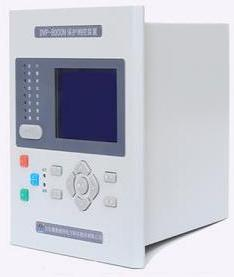

Microcomputer Protection and Substation Automation
Beijing Agent Devote Power Technology Development Co., Ltd.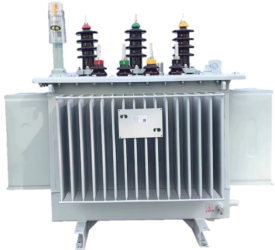
Oil-immersed Amorphous Alloy Core Distribution Transformer
Pinggao Group Smart Electric Co., Ltd.

CAP1400 main feedwater flow nozzle flowmeter.
Jiangsu Hongda Instrument Technology Co., LTD.
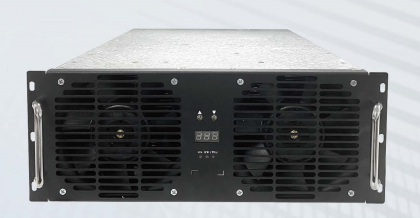
80kW Megawatt Supercharging Module TH80F10030C9
Shijiazhuang Tonhe Electronics Technologies Co., Ltd.