Hitachi Energy Partners with Eve to Advance Urban Air Mobility
en.Wedoany.com Reported - Hitachi Energy and Eve Air Mobility have announced a partnership to jointly explore energy infrastructure solutions in the field of Urban Air Mobility (UAM), aiming to provide grid access and charging support for future flying taxi operations.
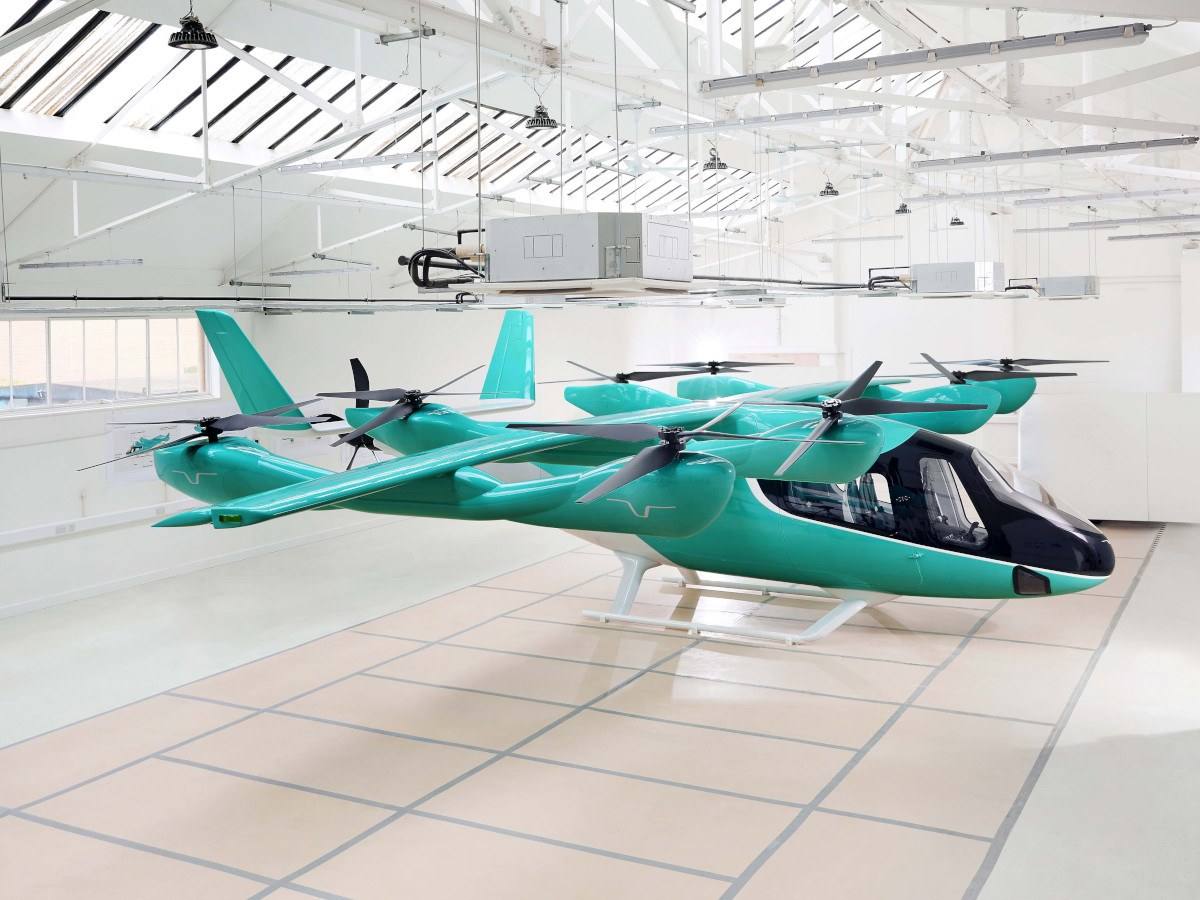
The European Union Aviation Safety Agency (EASA) has noted that Urban Air Mobility (UAM) could become a commercial reality in the EU within the next three to five years, seen as one way to address traffic congestion in densely populated areas. Innovations in battery technology and electric propulsion provide technical support for this prospect.
Under the Memorandum of Understanding (MoU) signed by both parties, Hitachi Energy will leverage its extensive global experience in energy infrastructure deployment, while Florida-based Eve Air Mobility—a manufacturer of electric vertical takeoff and landing (EVTOL) aircraft and UAM products—will contribute its expertise in vertiports and EVTOL aircraft. The two companies will jointly assess the operational requirements of vertiports, including power availability and high-power charging solutions for EVTOL aircraft.
Johann Bordais, CEO of Eve Air Mobility, stated that building a successful urban air mobility ecosystem requires cross-industry collaboration. As the industry moves toward commercial operations, understanding how charging infrastructure, grid connections, and vertiport energy needs integrate into existing networks becomes increasingly important. The company revealed that it has received approximately 2,700 letters of intent from potential customers for its EVTOL aircraft and has been conducting flight tests since last December.
Marco Berardi, Head of Grid and Power Quality Solutions and Services at Hitachi Energy, said that with over a century of innovation, the company is committed to decarbonizing power systems while meeting surging electricity demand. He believes no single company or country can achieve the energy transition alone, and therefore is pleased to collaborate with Eve to accelerate the decarbonization of urban air mobility. Under the MoU, the two companies will also explore the possibility of repurposing retired aviation batteries for energy storage.
Related Products


Pantograph-Catenary Comprehensive Detection Device (1C)
CHENGDU TANGYUAN ELECTRIC CO., LTD.

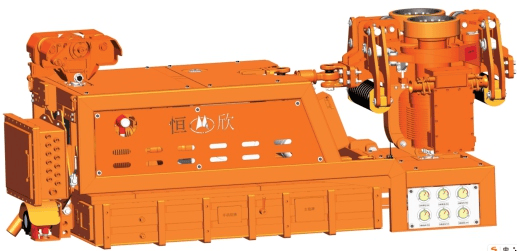
Explosion-proof lithium battery dispatching monorail crane locomotive (permanent magnet frequency conversion integrated machine)
Xiangtan Hengxin Industrial Co., Ltd.

"Shunyi 1600" Deep-submerging Bottom-sitting Multi-functional Wind Power Engineering Vessel
Zhengli Offshore Engineering Co., Ltd.