Brazil's R$387.3 Million SP-333 Highway Bridge Duplication Project Reaches 75% Completion
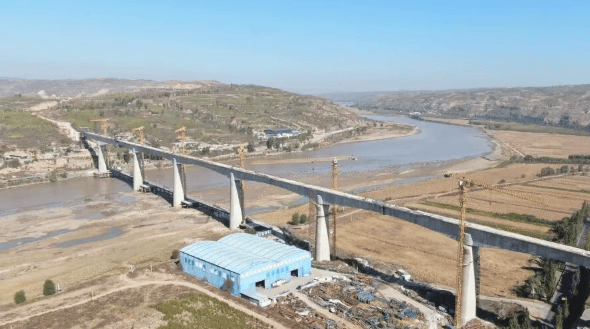
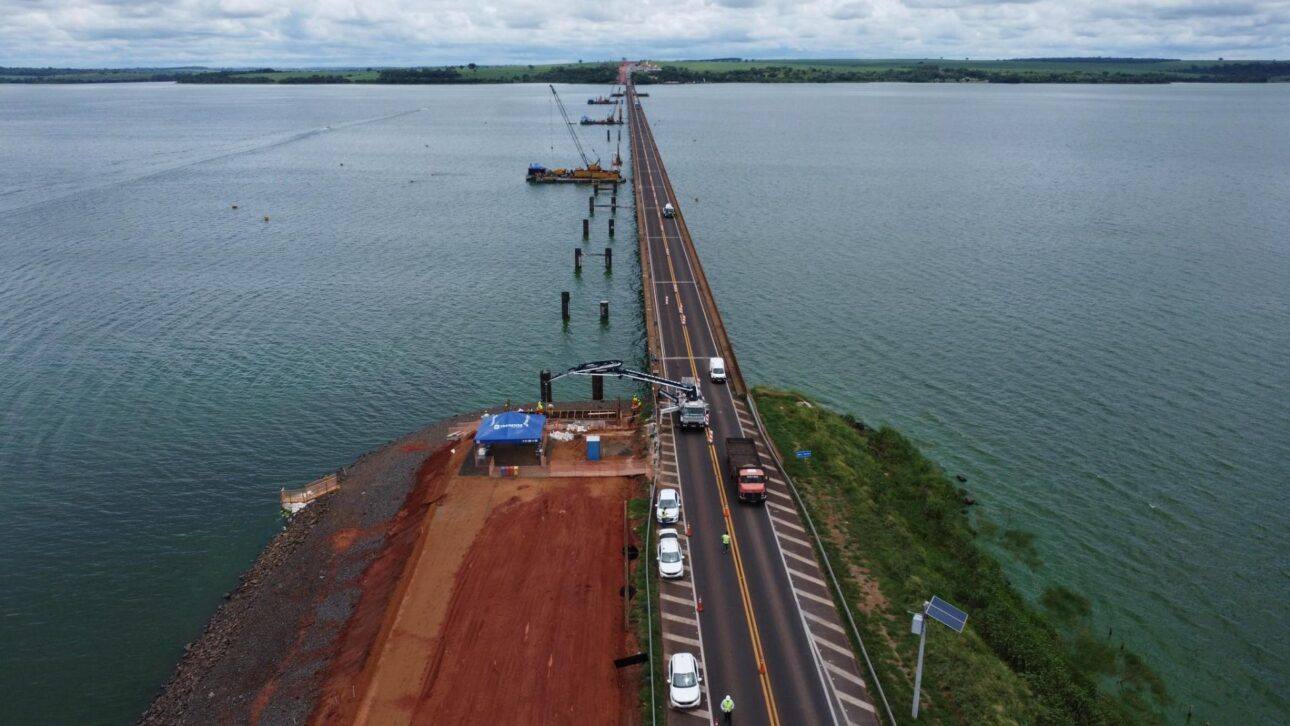
en.Wedoany.com Reported - The duplication project of the Ponte Engenheiro Gilberto Paim Pamplona in São Paulo state, Brazil, has reached 75% completion and is expected to be finished by 2026. Located on the SP-333 highway (Rodovia Dr. Mário Gentil) between the municipalities of Novo Horizonte and Pongaí, crossing the Tietê River, it is the longest bridge in São Paulo state, approximately 2.4 km long, situated between km 229 and 232 of the SP-333 highway.

The project builds a new parallel bridge without replacing the existing one, aiming to increase the capacity of the SP-333 highway. The existing structure will be renovated and repurposed for pedestrian and bicycle use. Official announcements state that the investment for the project is R$387.3 million (adjusted as of April 2026). Once the new bridge is completed, the eastern side of the highway will feature two traffic lanes, while the existing bridge will undergo lighting and safety improvements. By reorganizing traffic flow, the duplication project aims to reduce bottlenecks on this long bridge and better separate traffic directions.
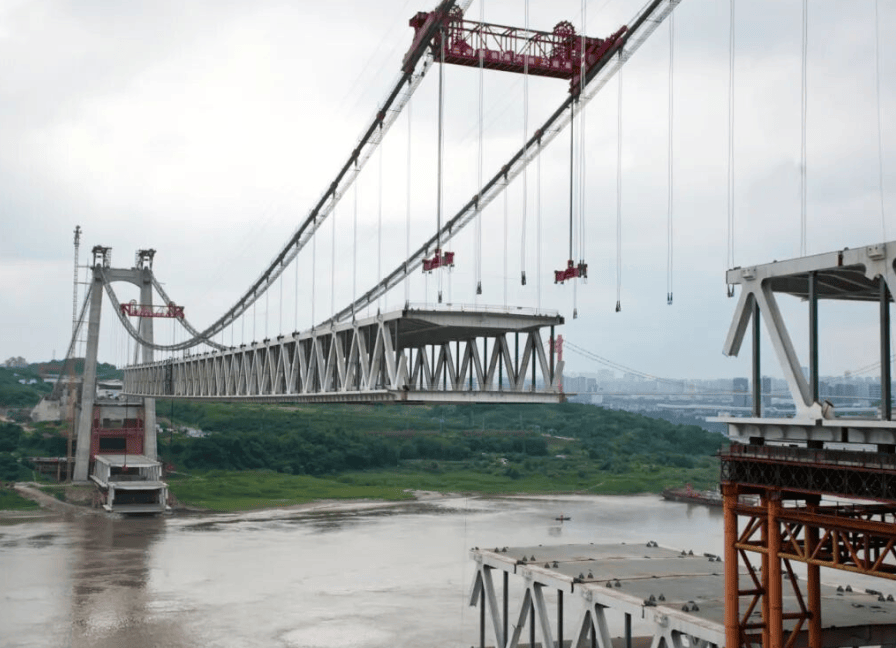
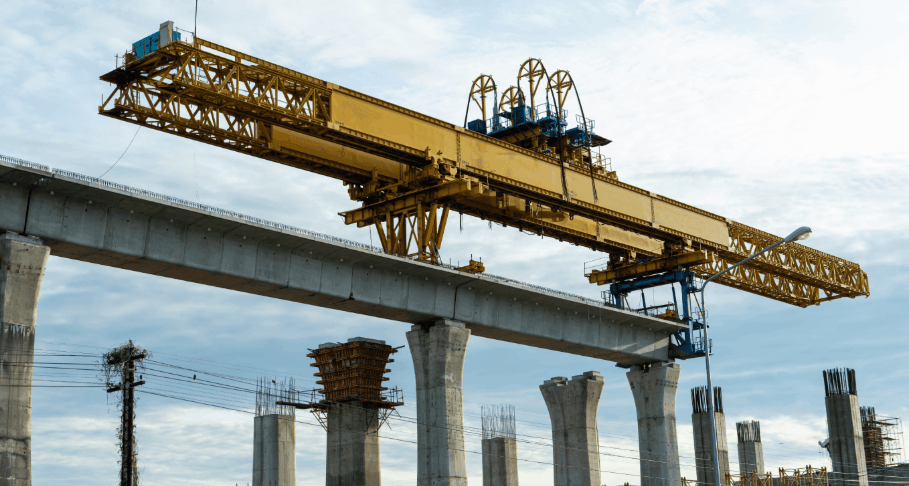
Due to construction over the Tietê River, the work involves complex river operations, requiring the use of barges, support vessels, and specialized equipment. The foundation of the new structure is designed with 124 support piles, 112 of which are located within the river. Construction employs precast concrete beams and the balanced cantilever method for mid-span sections, designed to avoid interrupting navigation on the Tietê-Paraná Waterway. This waterway handles regional cargo transport, and maintaining navigation during construction was a core planning consideration.
Within the São Paulo state highway network, SP-333 serves as a circulation axis connecting agricultural, industrial, and urban areas. Upon completion of the new bridge, authorities expect increased capacity and safer traffic flow, particularly by reducing head-on collision risks through traffic separation. The project aims to reduce operational constraints on this crossing over the Tietê River, which is significant for heavy vehicles and long-distance travel.
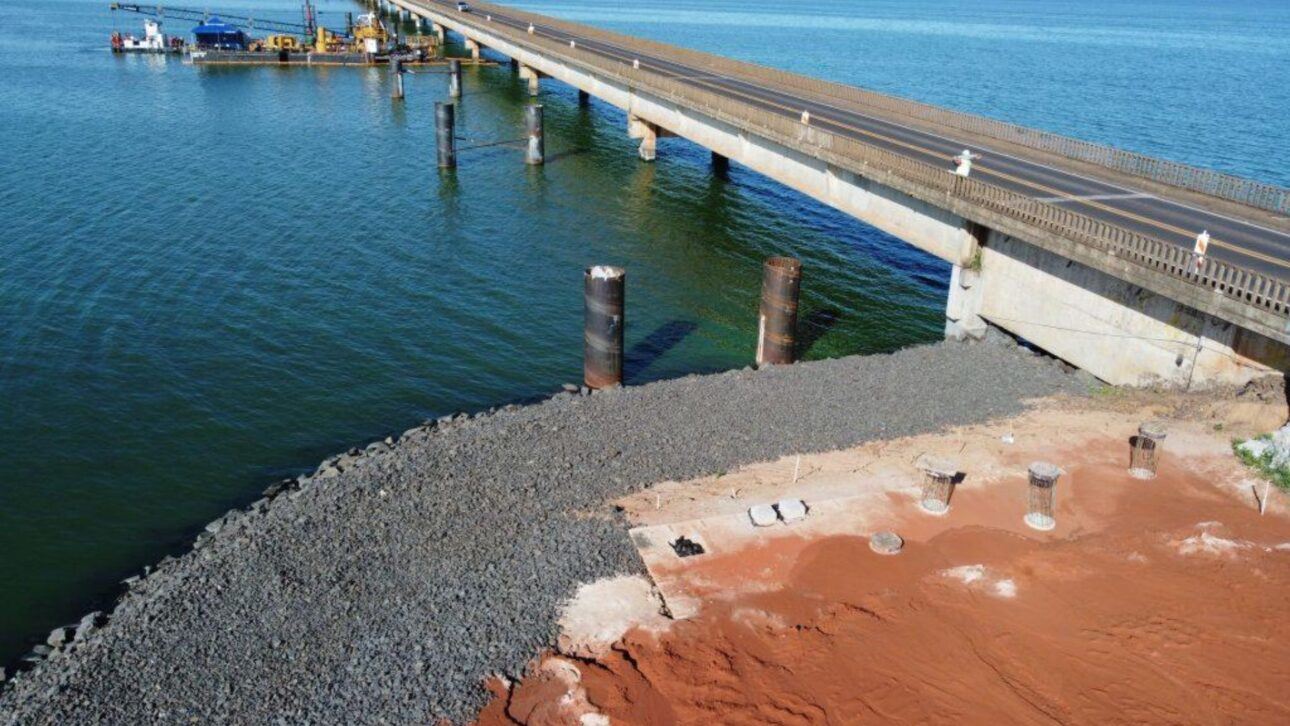
After the new bridge is delivered, the existing bridge will not be abandoned. The project plans to renovate it for pedestrian and bicycle use, with enhanced lighting and safety upgrades. This allows the old bridge to serve a complementary function, separated from main vehicular traffic. The duplication project is expected to be completed in 2026, with the schedule depending on structural completion, renovation of the existing bridge, and adjustments for full operation.
Related Products


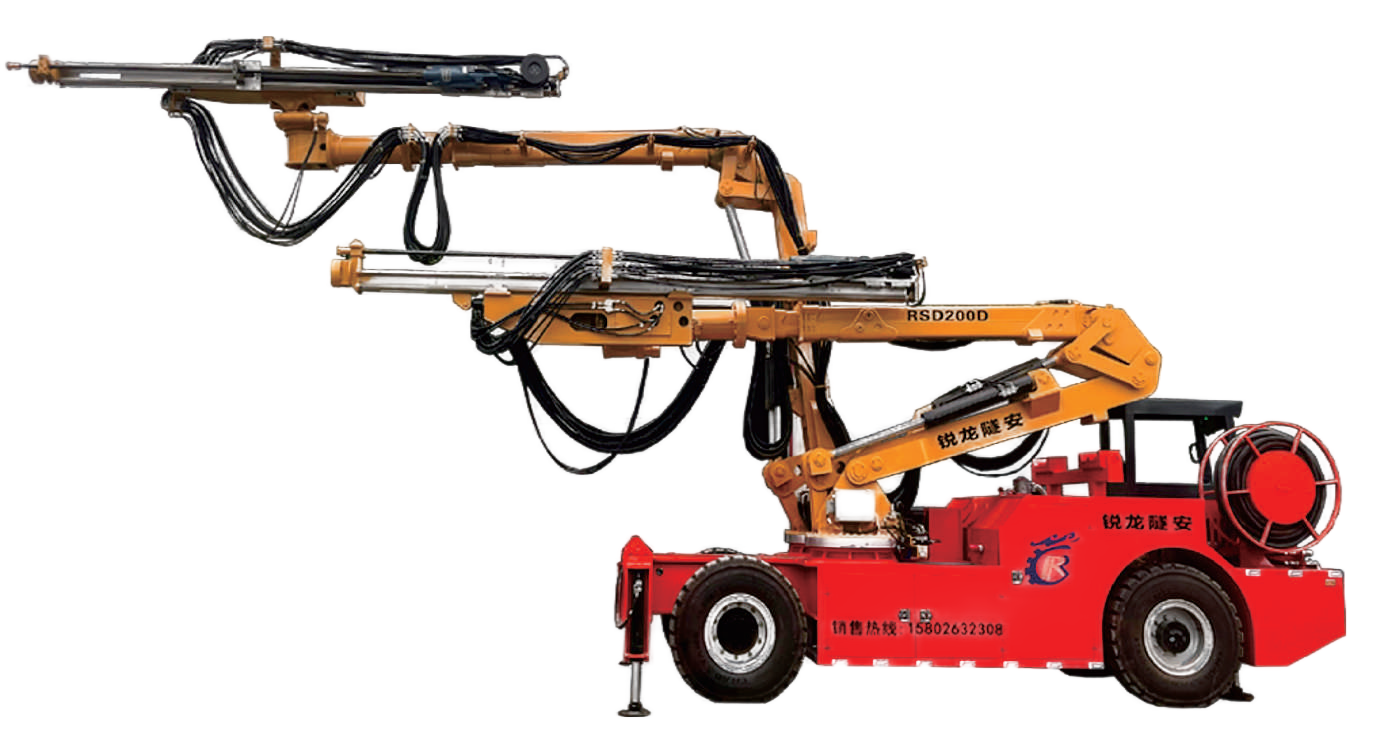
Dual-curved Arm Rock Drilling Trolley RSD200D
Chengdu Ruilong Machinery Manufacturing Co., Ltd.
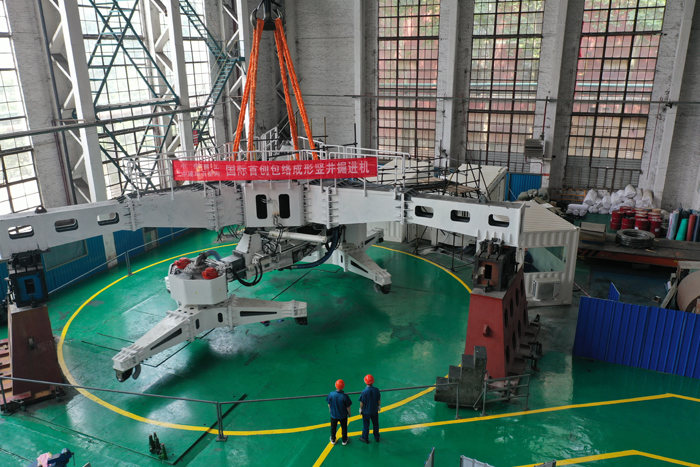
CITIC Heavy Industries Tunneling Equipment Tunnel Engineering Shield Machine
CITIC Heavy Industries Co., Ltd.

YHTank8400N Solvent-Free Liquid Epoxy Coating
JIANGSU YUNHU NEW MATERIAL TECHNOLOGY CO., LTD.
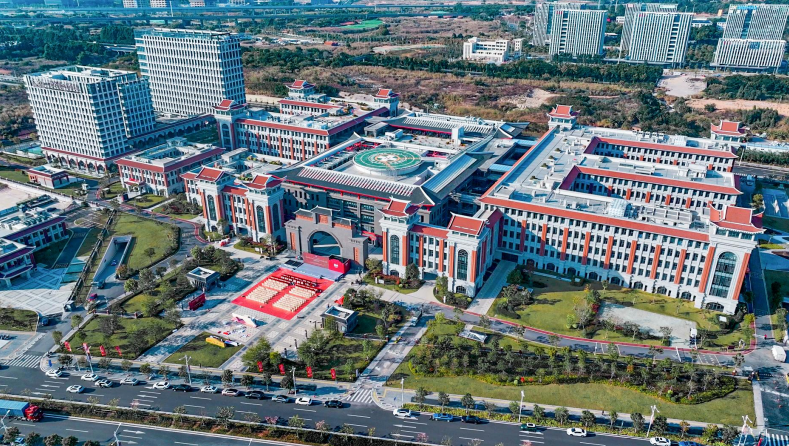
West China Xiamen Hospital of Sichuan University
Wuhan Huakang Century Clean Technology Co., Ltd.
300mm Segment Type Countdown Traffic Light (Core Type)
Yangzhou FAMA Intelligent Equipment Co., Ltd.