German Aerospace Center Tests Robotic Remote Hazardous Substance Detection Platform
en.Wedoany.com Reported - The German Aerospace Center (DLR) has developed and tested a detection platform for the remote assessment of hazardous chemical and biological substances. Deployable on autonomous rovers and drones, the system combines a compact multi-sensor array, laser spectroscopy, and artificial intelligence algorithms to provide rapid situational assessment for emergency responders.
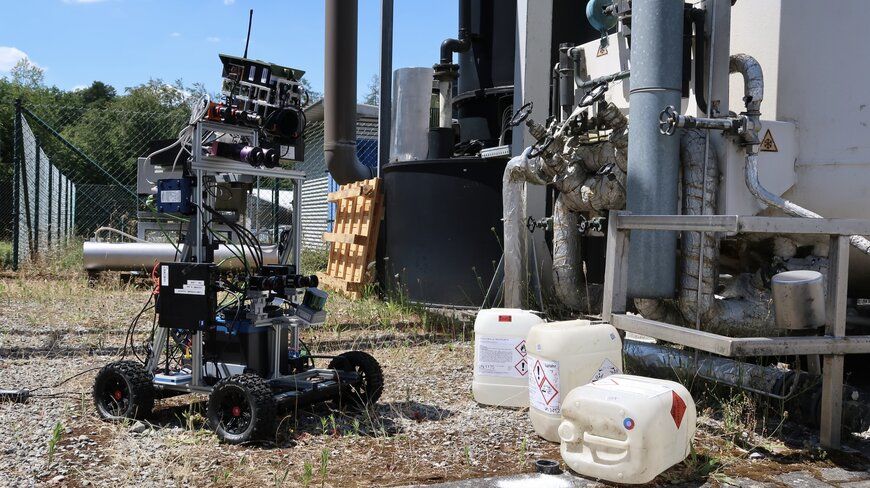
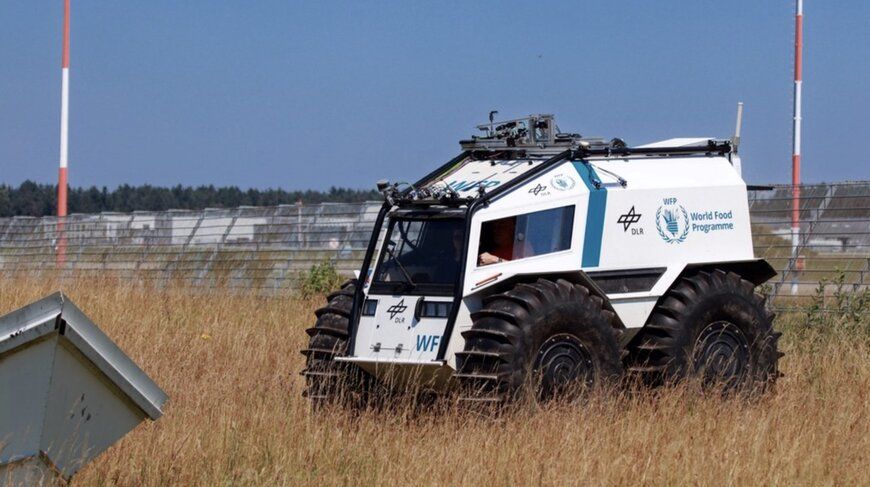
To reduce physical risks in emergency response operations, development efforts have focused on automating hazard detection through multi-sensor integration. The system combines multispectral cameras, laser measurement techniques, and AI-based data processing to autonomously identify threats in liquid and powdered solid forms. Mounted on unmanned ground platforms, such as small rovers or the SHERP robotic platform tested at DLR's Oberpfaffenhofen facility, the system can navigate to target areas and detect anomalies without human intervention. In initial test runs, the system identified suspicious containers, barrels, and localized patches of powder or liquid spills on roads and open terrain. After visual identification, an integrated laser spectrometer assesses the target location from several meters away without direct physical contact. By measuring the interaction between the incident laser and the target substance, the optical system enables direct on-site detection, classification, and identification of chemical and biological hazards.
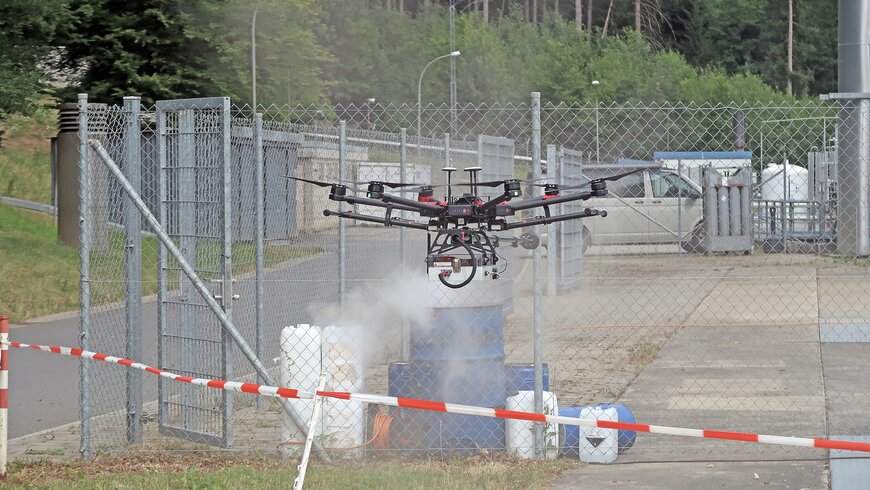
The technology suite was developed in collaboration between DLR's Institute of Technical Physics, DLR's Institute of Software Technology, and DLR's Institute of Robotics and Mechatronics. System validation included laboratory assessments conducted with the German Federal Office of Civil Protection and Disaster Assistance (BBK) and the German Federal Armed Forces' Institute for Protective Technologies and CBRN Protection (WIS). Operational simulations were carried out at DLR's Lampoldshausen site, utilizing specially constructed process engineering infrastructure to replicate real-world chemical processing facilities. Thomas Dekorsy, Director of DLR's Institute of Technical Physics, stated that detection and identification methods vary depending on the specific properties of each hazardous substance, necessitating automated multi-sensor integration that enables the system to independently navigate target areas, locate objects, and determine substance classes. Additionally, to address airborne threats released in fires, industrial accidents, technical failures, or deliberate acts, DLR has developed an aerial sampling platform on behalf of BBK. Mounted on drones or mobile platforms, this system remotely collects environmental gas and aerosol samples for subsequent laboratory analysis, replacing manual sampling methods that require responders to enter hazardous areas in protective gear.
Remote optical detection of hazardous substances typically relies on active laser spectroscopy techniques, including Laser-Induced Breakdown Spectroscopy (LIBS), Raman spectroscopy, and Laser-Induced Fluorescence (LIF). In LIBS setups, high-energy nanosecond laser pulses are focused onto the target sample via a Cassegrain telescope, inducing micro-plasmas at distances of up to tens of meters. As the excited ions cool, they emit element-specific atomic spectra, enabling quantitative elemental identification without sample preparation. For molecular identification of organic compounds, remote Raman spectroscopy measures the inelastic photon scattering shift caused by molecular vibration modes. Collection optics focus the backscattered signal onto a cooled Charge-Coupled Device (CCD) detector, with time-gated detectors synchronized to pulsed laser illumination to suppress ambient daylight and background fluorescence, achieving high signal-to-noise ratios in field operations.
Related Products
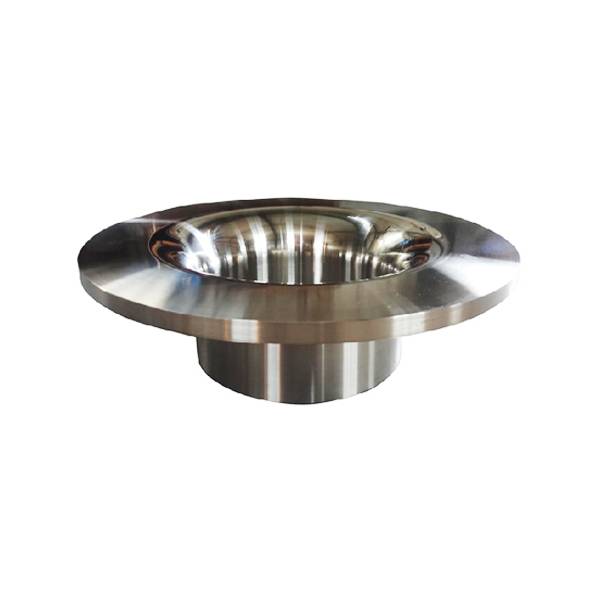

Standard Nozzle Flowmeter
Jinggong Automatic Control Instrument Complete Technology Development Company
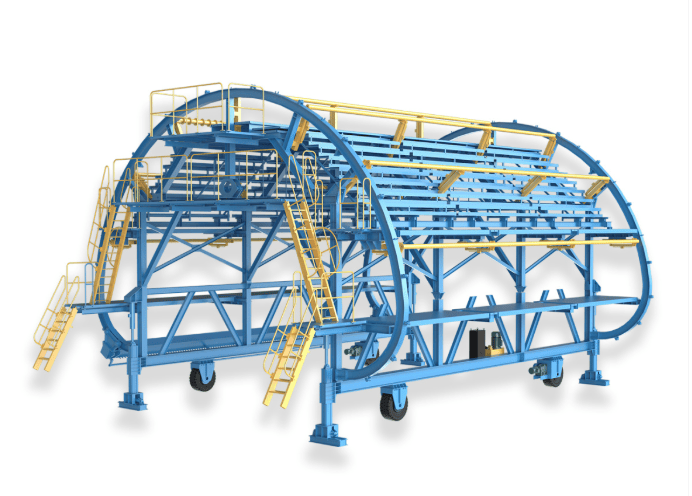
QLZNGJ Intelligent Steel Reinforcement Trolley
Luoyang China Railway Qiangli Machinery Co., Ltd.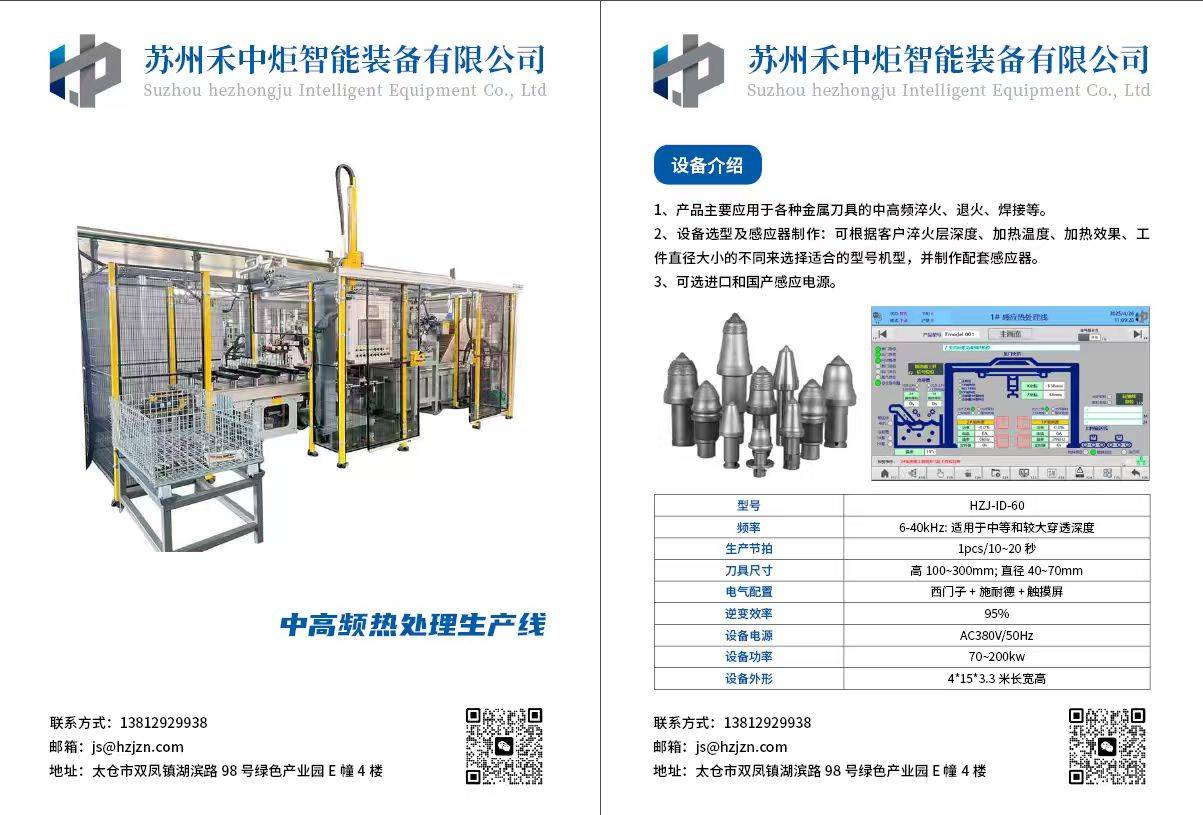
Excavator Bucket Teeth Heat Treatment Production Line
Suzhou Hezhongju Intelligent Equipment Co., Ltd.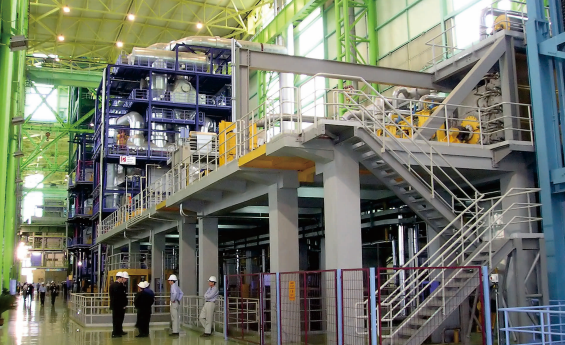
Strip Coating and Plating Production Line Equipment
MCC-SFRE HEAVY INDUSTRY EQUIPMENT CO., LTD.
Pneumatic high-pressure wear-resistant ball valve
Zhejiang Deca Control Valve Meter Co., Ltd.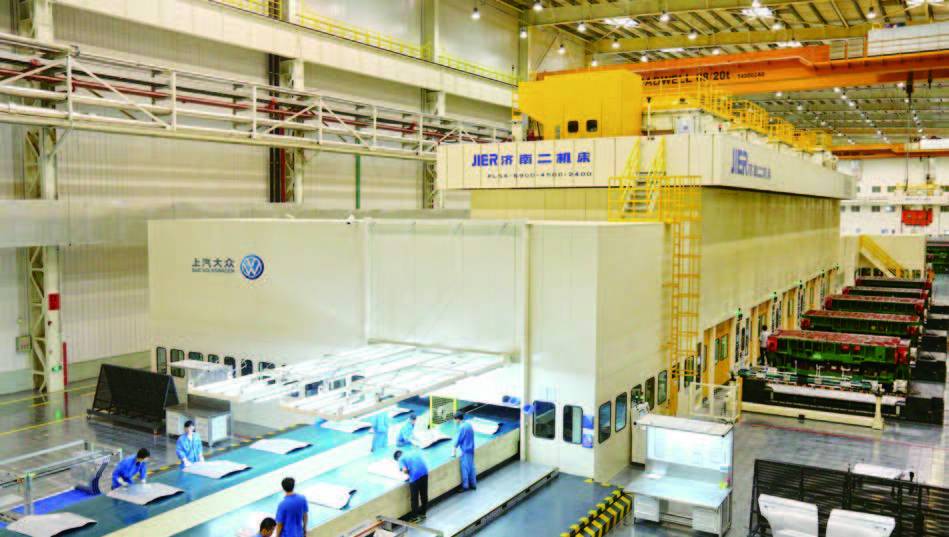
High-Speed Flexible Fully Automatic Stamping Production Line
JIER Machine-Tool Group Co., Ltd.
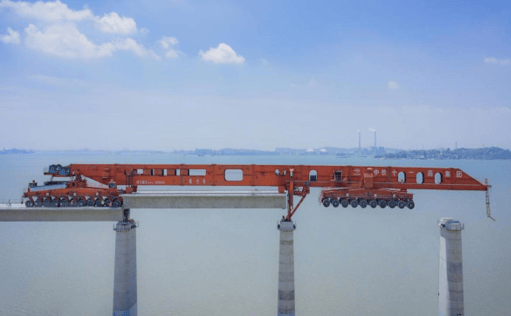
High-Speed Railway Lifting, Transporting, and Erecting Equipment: Integrated Transport and Erection Machine
Hanjiang Heavy Industry Co., Ltd. of China Railway 11th Bureau Group
CAP1400 main feedwater flow nozzle flowmeter.
Jiangsu Hongda Instrument Technology Co., LTD.