EU Plans to Launch Digital Wallet EUDI-Wallet by End of 2026
en.Wedoany.com Reported - The EU plans to launch the digital wallet EUDI-Wallet within the next few years, aiming to enable digital identity functions via smartphones for scenarios such as identity verification, online signing, and proof presentation.
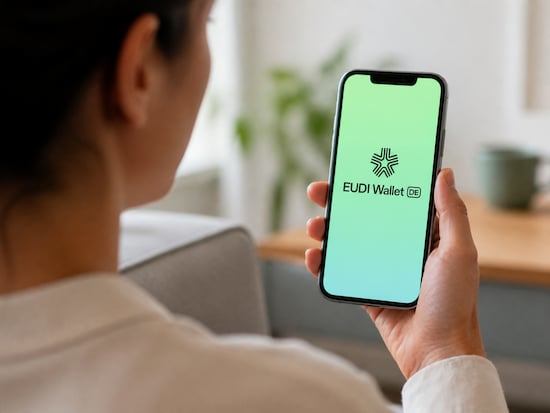
This digital wallet is part of the EU's "Regulation on Electronic Identification and Trust Services for Electronic Transactions in the Internal Market" (eIDAS 2.0). According to the plan, the wallet is expected to be operational in all member states by the end of 2026. In Germany, it is planned to be offered free of charge from January 2, 2027, with the German federal government currently drafting specific legislation for this purpose.
The EUDI-Wallet is intended to serve as a secure digital ecosystem for important documents. In addition to ID cards, it could store driver's licenses, health insurance cards, or diplomas in the future. In everyday use, this system may simplify processes such as online identity verification, opening bank accounts, renting cars, or signing mobile phone contracts, all of which users can complete via digital documents on their smartphones. According to the plan, only the information strictly necessary for the current operation will be transmitted during data verification. For example, during age verification, the system will only confirm that the user is an adult, without revealing their name or date of birth.
The EU states that this system is more secure than existing processes like video identification and will also support secure electronic signatures in the future, with the goal of enabling a digital identity usable both online and offline. Although officials have emphasized security requirements and stated that the source code will be made public, the project remains controversial. Critics argue that centralizing sensitive data in a digital wallet poses risks and point to potential data protection concerns. Relevant parties stress that the system employs strict security standards, but doubts persist externally regarding its actual security and resistance to misuse.
In Germany, the EUDI-Wallet will be part of a larger digitalization initiative, implemented by the federal government via the "Deutschland-Stack" platform. This platform is shared by federal, state, and local governments, aiming to integrate the currently fragmented government IT solutions. As a core component, the wallet helps provide digital government services more easily, uniformly, and securely. The launch of the wallet does not mean that physical documents and cards will disappear immediately; usage remains voluntary, and traditional methods will continue to be available. In the long term, the digital wallet may lighten the traditional wallet burden for many people. Whether it becomes the standard for identity documents depends on the pace of technological and legal implementation.
Related Products


Conveyor Belt Intelligent Monitoring System
LUO YANG WIRE ROPE INSPECTION TECHNOLOGY CO., LTD.
Automatic Aiming Laser Remote Obstacle Removal Robot
Pinggao Group Weihai High-Voltage Apparatus Co., Ltd.
Flat Portable Satellite Terminal 0.35m Aperture Manual Portable Terminal
China Starwin Science & Technology Co., Ltd.




GYTA Type Non-Self-Supporting Aerial/Duct Optical Cable
TONGDING INTERCONNECTION INFORMATION CO., LTD.