Charging and Battery Swapping Equipment Is Becoming Core EV Infrastructure
en.Wedoany.com Reported - As electric vehicle adoption continues to increase, Charging and Battery Swapping Equipment is moving from supporting infrastructure to a core part of the transportation energy system. In the past, chargers mainly served private passenger cars and a limited number of public parking sites. Today, charging equipment is expanding into highway service areas, urban fast-charging stations, commercial complexes, industrial parks, bus depots, logistics bases, ports, mines and heavy-duty truck corridors.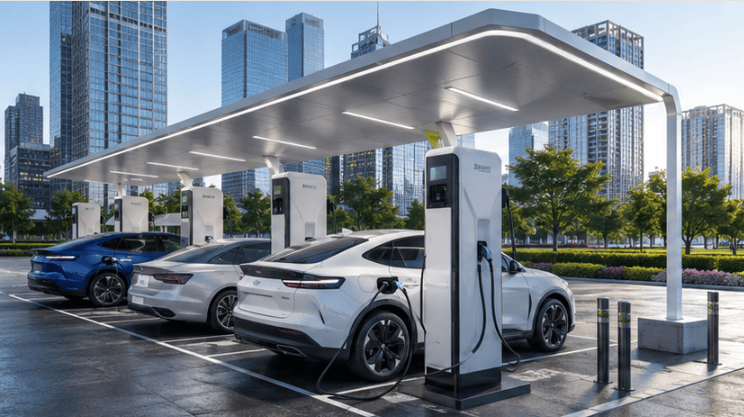
At the same time, battery swapping is gaining attention in scenarios such as taxis, ride-hailing vehicles, engineering vehicles, heavy trucks and fixed-route logistics fleets. The core value of charging and swapping equipment is to solve energy replenishment efficiency and operational continuity.
AC slow charging is suitable for residential communities, office parks and long-duration parking. DC fast charging is suitable for public charging stations, shopping areas, service areas and urban charging networks. Ultra-fast charging targets higher power, shorter dwell time and high vehicle turnover. Battery swapping reduces waiting time by replacing the battery directly, making it more suitable for high-utilization fleets, fixed routes and centralized operation.
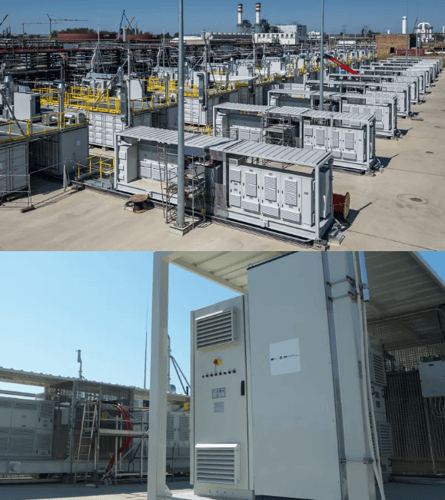
A charging system is not only a charging connector. A complete project usually includes chargers, power modules, charging controllers, metering systems, communication modules, distribution cabinets, transformers, energy management platforms, fire protection and operation settlement systems. A battery swapping station also requires battery storage, automatic swapping mechanisms, battery inspection systems, charging racks, thermal management, safety monitoring and vehicle identification.
The challenge is shifting from whether equipment is available to whether it can operate efficiently. In urban areas, land, grid capacity and queuing efficiency are major issues. On highways and logistics corridors, charging power, vehicle turnover and grid access become more critical. In heavy truck and mining scenarios, equipment must handle high load, high frequency, dust, vibration and all-weather operation.
In the future, charging and swapping equipment will place more emphasis on high power, intelligent scheduling, vehicle-grid interaction and energy coordination. Building chargers alone does not guarantee successful operation. Stations need integrated design based on traffic flow, parking time, electricity pricing, grid capacity, storage systems and user payment behavior. For equipment suppliers and operators, the opportunity is not only hardware sales, but stable, efficient and scalable EV energy infrastructure solutions.
Related Products

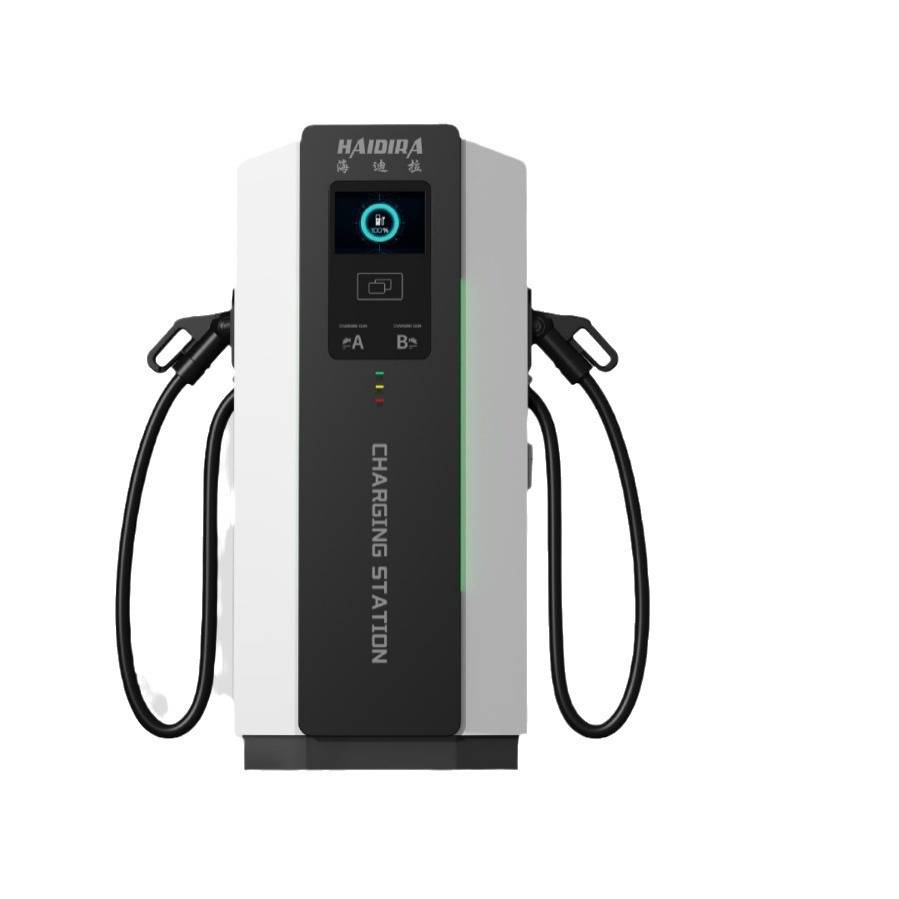
Manufacturer Direct Sales Tesla New Energy Electric Vehicle Universal DC 180kW Dual-gun Charging Pile Commercial Fast Charger
Anhui Haidira Electric Technology Co., Ltd.
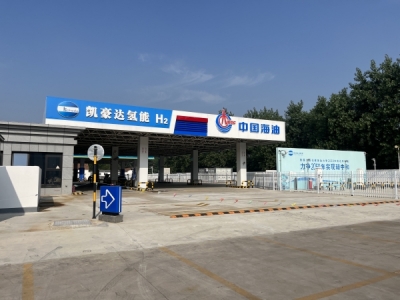
Hydrogen production and hydrogenation charging refueling gas integrated energy station
Shenzhen Kohodo Hydrogen Energy Co., Ltd.
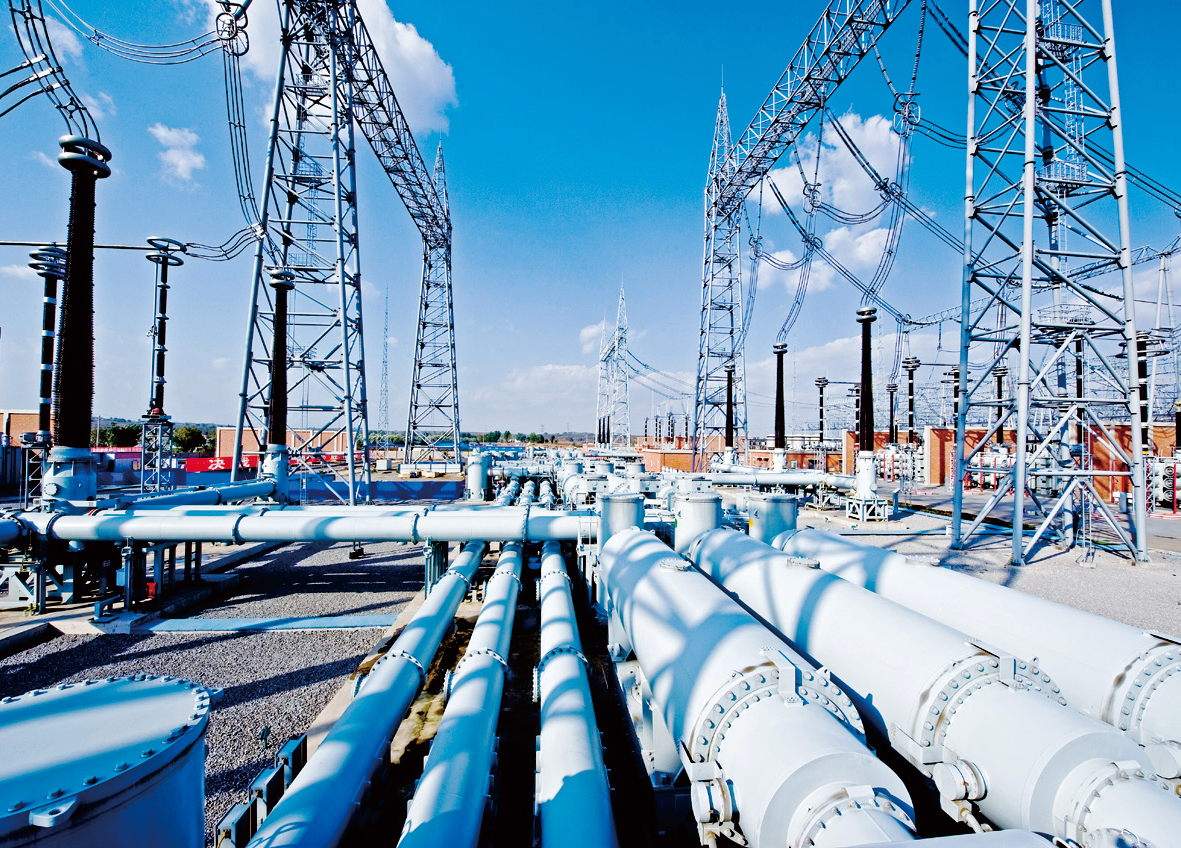
40.5kV-1100kV Gas Insulated Metal-Enclosed Switchgear (GIS)
Henan Pinggao Electric Co., Ltd.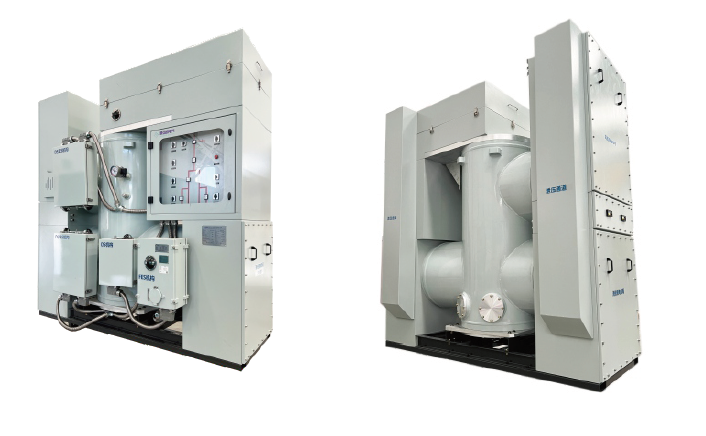
72.5kV 1250A 31.5kA SF6 free Gas-insulated Metal-enclosed Switchgear
Zhejiang Juhonkia Intelligent Electric Co., Ltd.
220kV and Below Voltage Level Energy-saving Oil-immersed Power Transformers
FuZhou TianYu Electric Co., Ltd.
714CD Series C-Band Weather Radar
Chengdu Zhongdian Jinjiang Information Industry Co., Ltd.