China's Zhongzhou Aluminum and Chinalco Digital jointly developed clinker intelligent identification system passes acceptance
en.Wedoany.com Reported - The clinker quality intelligent identification system, jointly developed by Zhongzhou Aluminum, a subsidiary of Aluminum Corporation of China (Chinalco), and Chinalco Digital, recently passed acceptance. After three months of operational testing, the system achieved unmanned operation under defined conditions and was first implemented among Chinalco's sintering alumina enterprises.

Based on Huawei's Ascend intelligent computing platform, the intelligent identification system integrates three core technologies: AI flame recognition, clinker quality monitoring, and an integrated data platform, addressing technical bottlenecks in sintering alumina production and providing a reference model for the industry's intelligent transformation.
Clinker sintering is a critical process in alumina production, where the flame shape inside the kiln directly determines clinker quality, output, and cost. Traditional production relies on manual flame observation, making it difficult to standardize operations, and training a skilled observer takes over three years. According to Gao Xuejun, head of the sintering area at Zhongzhou New Materials, previously, flame observation depended entirely on experience and visual judgment, lacking standardization. Now, the AI system can operate 24/7, automatically adjusting temperature and feed, effectively equipping the clinker kiln with a "smart brain."
The technical team, guided by senior flame observation expert Li Shanghui, collected multi-source data and built dedicated scenarios. Through iterative training with massive samples, they transformed observation experience, operational habits, and working condition judgment standards into an AI model, achieving closed-loop management of recognition, warning, and regulation, turning the master's "expertise" into replicable digital assets.
To enhance clinker quality control, the team installed six high-definition monitoring devices above the plate feeder at the clinker silo outlet, enabling real-time collection and intelligent analysis of quality data. This system links with the production system to automatically optimize process parameters, establishing a full-process intelligent control system. The system integrates intelligent monitoring equipment, newly built digital systems, and existing production control systems, forming a unified data network that enables data sharing and traceable quality control closed-loop management.
Zhongzhou Aluminum stated that it will continue to deepen the integration of digital technology with traditional industry, expand intelligent manufacturing application scenarios, drive cost reduction, quality improvement, and efficiency enhancement, and boost corporate competitiveness through digital transformation.
Related Products



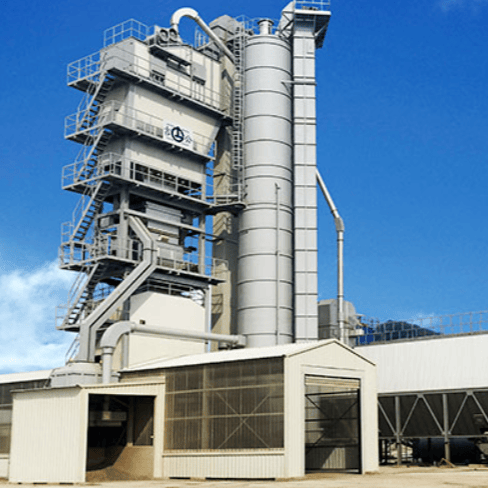
LBH4000 Batch Environmental Protection Asphalt Mixing Plant | Asphalt Batching Plant | Asphalt Mixing Plant
Jilin Province Road Construction Machinery Co., Ltd.
Standard Nozzle Flowmeter
Jinggong Automatic Control Instrument Complete Technology Development Company
CAP1400 main feedwater flow nozzle flowmeter.
Jiangsu Hongda Instrument Technology Co., LTD.

Industrial and Commercial Point-Type Gas Detector
Jinan Benan Technology Development Co., Ltd.
QLZNGJ Intelligent Steel Reinforcement Trolley
Luoyang China Railway Qiangli Machinery Co., Ltd.