Global Terminal Tractor Market Expected to Reach $2.39 Billion by 2033
en.Wedoany.com Reported - The global terminal tractor market is projected to grow from $1.65 billion in 2026 to $2.39 billion by 2033, at a compound annual growth rate (CAGR) of 5.4%. This market is driven by factors such as rising cargo volumes at global ports, increased automation in warehouse and logistics operations, and expanding demand for ground handling at airports. North America is expected to be the largest market during the forecast period, fueled by the expansion of intermodal hubs and increased e-commerce fulfillment activities; Europe is driven by a focus on sustainable transportation, while accelerated urbanization in the Asia-Pacific region promotes the adoption of electric terminal tractors. The global rise of rail freight has also increased the demand for terminal tractors in rail logistics. The increased flow of consumer goods, automotive parts, and containerized cargo through intermodal rail networks has boosted trailer movement activities within rail yards, as terminal tractors efficiently move trailers and containers between rail yards, storage areas, and loading zones, thereby enhancing yard productivity and reducing turnaround times.
By propulsion type, the diesel-powered segment is expected to hold the largest share of the global terminal tractor market in 2033. This dominance is attributed to mature diesel engine technology, which offers high torque, extended operation without recharging, and proven durability in continuous heavy-duty container and trailer handling. Diesel terminal tractors in the 200 to 300 horsepower range are most prevalent in North America and Europe, where seaports, intermodal rail yards, and large logistics hubs require high tractive effort, long operating hours, and multi-shift operations. In Europe, most newly manufactured diesel terminal tractors are equipped with engines compliant with EU Stage V standards; North America has largely adopted US EPA Tier 4 Final engines; manufacturers in the Asia-Pacific region are progressively aligning their products with increasingly stringent national non-road emission regulations. Due to diesel's ability to deliver high productivity in demanding applications while meeting evolving emission standards, it is expected to remain the preferred propulsion method for terminal tractor fleets in most global markets during the forecast period.
By application, the warehousing and logistics segment is expected to lead the global terminal tractor market during the forecast period and achieve the fastest growth. The rapid expansion of large-scale fulfillment centers, regional distribution centers, and cross-docking facilities has increased the need for frequent repositioning of trailers within facilities. Terminal tractors enable uninterrupted yard operations by reducing dock congestion, shortening trailer wait times, and improving asset utilization, making them an integral part of modern yard management systems. The proliferation of automated warehouses, integrated distribution parks, and omnichannel supply chains is expected to further boost demand for this equipment, thereby ensuring that the warehousing and logistics application remains the largest and fastest-growing segment during the forecast period.
Europe is expected to be the second-largest market for terminal tractors throughout the forecast period, with Germany leading, driven by its growing manufacturing sector and the presence of major OEMs such as Kalmar (Finland), Terberg Special Vehicles (Netherlands), TICO (USA), Capacity Trucks (USA), and MAFI (Germany). The region's focus on automation is exemplified in facilities like Hamburg's HHLA Container Terminal Altenwerder, which operates 95 fully automated battery-powered Automated Guided Vehicles (AGVs) equipped with advanced optical character recognition systems. In major ports and logistics hubs in countries such as Germany, the Netherlands, Belgium, and Sweden, deployed electric terminal tractors are primarily equipped with battery capacities ranging from 150 to 250 kWh and above, enabling full-shift or opportunity charging operations in high-utilization environments. Lithium Iron Phosphate (LFP) batteries are popular due to their longer cycle life and high thermal stability, suitable for frequent charging and continuous yard operations; Nickel Manganese Cobalt (NMC) batteries are used where higher energy density and longer driving range are required. Kalmar offers electric terminal tractors with battery capacities up to 290 kWh, while Terberg's electric YT series features battery systems designed for full-shift operations and opportunity charging. As European port and logistics operators accelerate fleet electrification and invest in zero-emission cargo handling equipment, demand for electric terminal tractors equipped with large-capacity battery systems is expected to increase, supporting Europe's position as the second-largest regional market during the forecast period.
Leading companies in the terminal tractor market include Kalmar, Terberg Special Vehicles, TICO, Capacity Trucks, and MAFI, which are the top five players.
Related Products

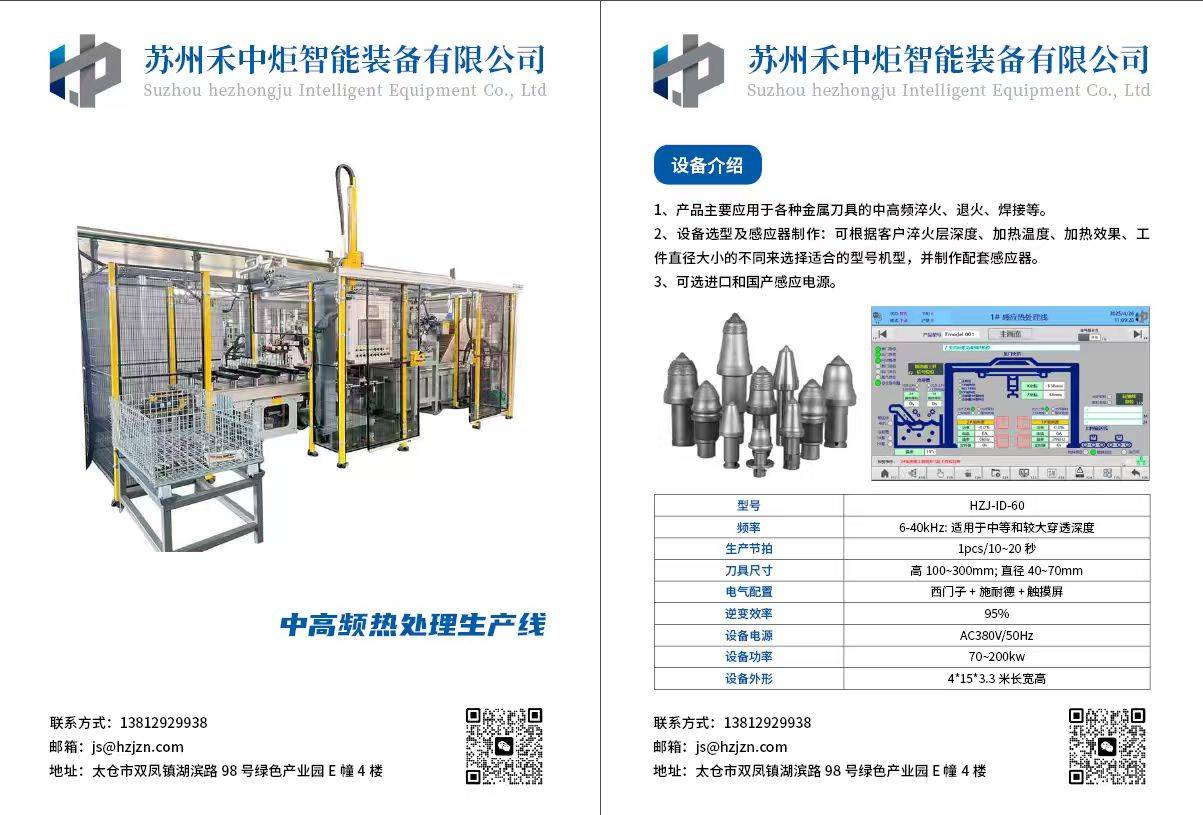
Excavator Bucket Teeth Heat Treatment Production Line
Suzhou Hezhongju Intelligent Equipment Co., Ltd.
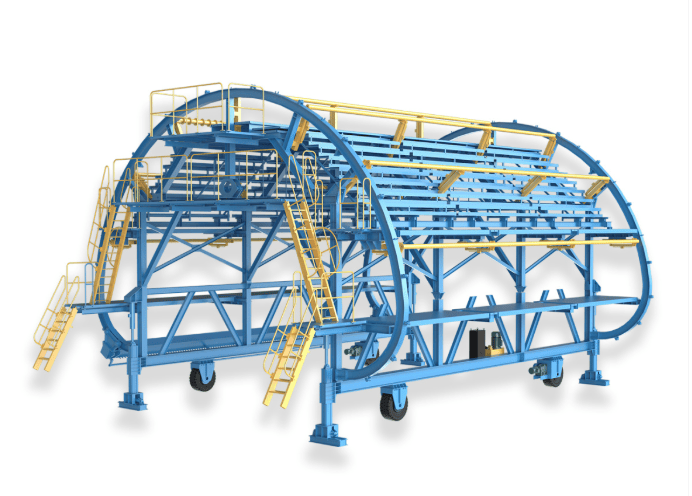
QLZNGJ Intelligent Steel Reinforcement Trolley
Luoyang China Railway Qiangli Machinery Co., Ltd.
Industrial and Commercial Point-Type Gas Detector
Jinan Benan Technology Development Co., Ltd.
High-Speed Railway Lifting, Transporting, and Erecting Equipment: Integrated Transport and Erection Machine
Hanjiang Heavy Industry Co., Ltd. of China Railway 11th Bureau Group
LBH4000 Batch Environmental Protection Asphalt Mixing Plant | Asphalt Batching Plant | Asphalt Mixing Plant
Jilin Province Road Construction Machinery Co., Ltd.
Standard Nozzle Flowmeter
Jinggong Automatic Control Instrument Complete Technology Development Company
CAP1400 main feedwater flow nozzle flowmeter.
Jiangsu Hongda Instrument Technology Co., LTD.
Strip Coating and Plating Production Line Equipment
MCC-SFRE HEAVY INDUSTRY EQUIPMENT CO., LTD.