Australia's Halocell Partners with South Korea's MSWay to Expand Flexible Perovskite Solar Cell Production
en.Wedoany.com Reported - Halocell Energy has signed a memorandum of understanding with MSWay, which will provide electrode materials to support the expansion of flexible perovskite photovoltaic cell production at Halocell's manufacturing facility in the Riverina region of New South Wales and accelerate the commercialization of the technology.
Under the terms of the agreement, MSWay will supply its proprietary flexible transparent electrode (FTE) materials for integration into Halocell's roll-to-roll (R2R) manufacturing process at its Wagga Wagga production facility. Halocell primarily manufactures lightweight, flexible photovoltaic modules optimized for low-light conditions. The company noted that FTE is a critical component of perovskite solar cells, directly determining the cell's charge collection efficiency, light transmittance, and flexibility. Therefore, FTE technology plays a decisive role in the overall performance, durability, and reliability of next-generation flexible solar applications.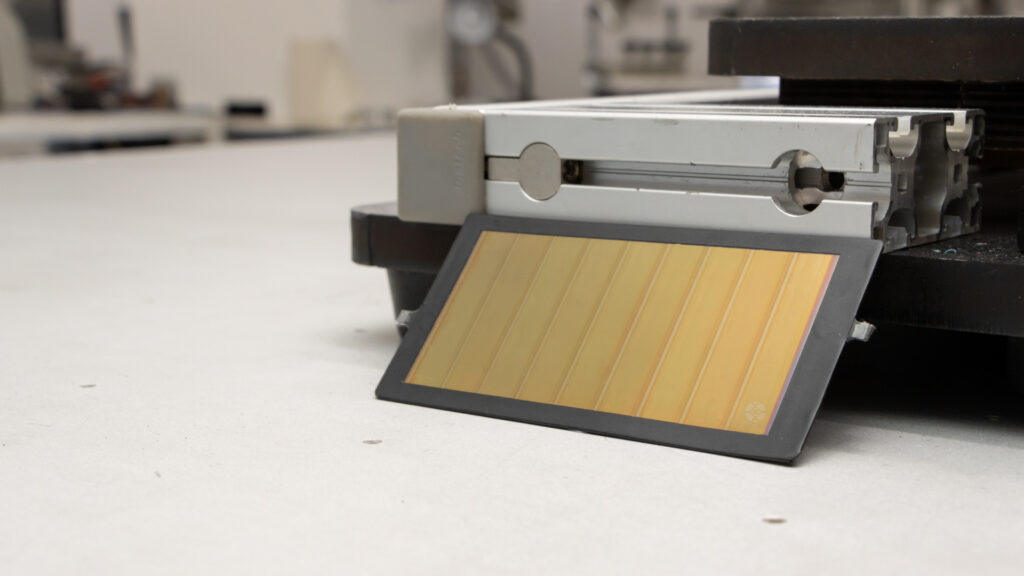
Halocell stated that MSWay's perovskite electrode solutions offer high optical transparency, low sheet resistance, and excellent mechanical flexibility, making the technology well-suited for integration into Halocell's R2R printed perovskite solar modules. "MSWay's technology directly aligns with our goal of seeking lightweight, efficient, and flexible solar solutions for satellites, fixed-wing drones, and other advanced applications," said Halocell. "By combining MSWay's advanced electrode technology with Halocell's scalable printing process, we are one step closer to achieving our vision of lightweight, efficient solar power everywhere."
This collaboration follows Halocell's receipt of AUD 606,680 (USD 423,462) last month under the Australian Government's Industry Growth Program to expand its manufacturing capacity, upgrade equipment, and scale operations at its Wagga Wagga headquarters. Halocell stated that the funding will enable it to introduce advanced R2R equipment and optimize manufacturing processes to achieve higher quality and consistency. The project is expected to increase the company's annual production of indoor perovskite photovoltaic modules from 7,000 units to 100,000 units.
Related Products



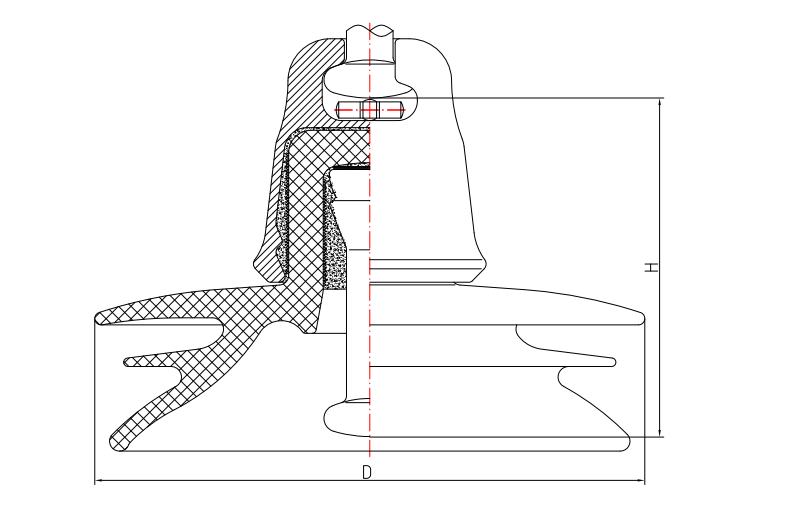
Post-type AC Pollution-resistant Disc Suspension Porcelain Insulator (Triple Umbrella Type)
Shandong High Voltage Insulator Co., Ltd.
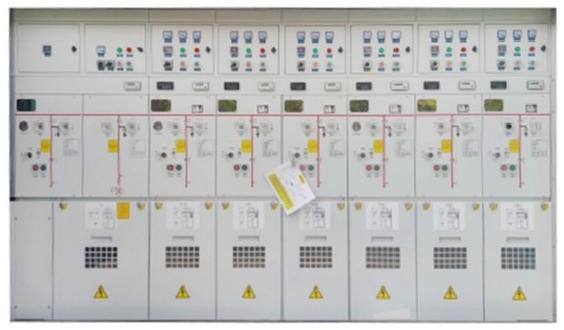
NISELA Series Environmentally Friendly Gas-Insulated Ring Main Unit
XJ DELISHIER ELECTRIC CO., LTD.
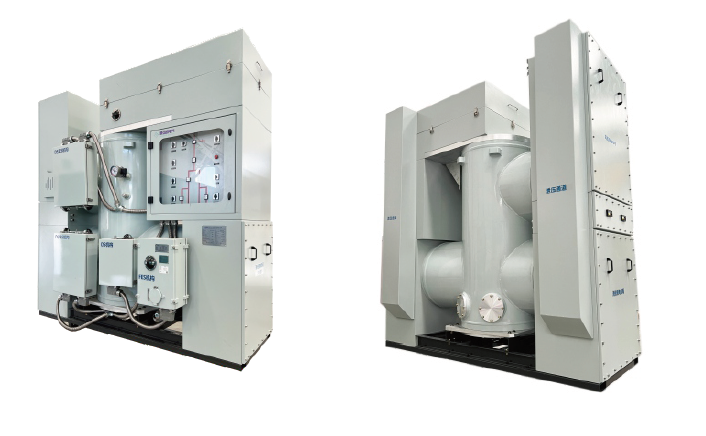
72.5kV 1250A 31.5kA SF6 free Gas-insulated Metal-enclosed Switchgear
Zhejiang Juhonkia Intelligent Electric Co., Ltd.