China's GigaDevice Invests 500 Million Yuan in Subsidiary to Boost DRAM Projects
en.Wedoany.com Reported - Memory chip manufacturer GigaDevice announced on the evening of July 21 that it has decided to use 500 million yuan from its A-share raised funds to increase capital in its wholly-owned subsidiary, Zhuhai Hengqin Xincun Semiconductor Co., Ltd., for the DRAM investment project. The capital increase proposal was approved by the company's fifth board of directors at its 13th meeting on the same day.
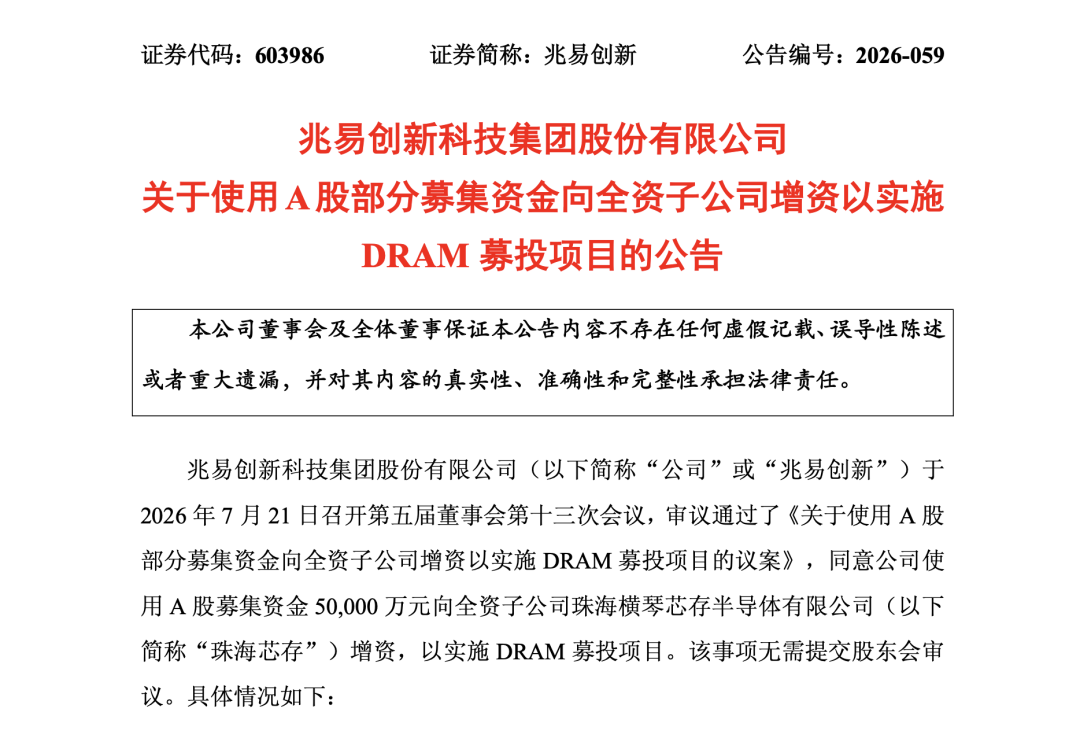
Of the capital increase funds, 50 million yuan will be added to Zhuhai Xincun's registered capital, with the remaining 450 million yuan recorded as capital reserve. After the capital increase, Zhuhai Xincun's registered capital will rise from 150 million yuan to 200 million yuan, and GigaDevice will still hold 100% of its equity.
Financial data shows that as of the end of the first quarter of this year, Zhuhai Xincun had total assets of 3.237 billion yuan and net assets of 2.237 billion yuan; in the first quarter of this year, it achieved operating revenue of 1.106 billion yuan and net profit of 614 million yuan.
GigaDevice's performance forecast for the first half of 2026 indicates expected operating revenue of 11.5 billion yuan, a year-on-year increase of 177%; net profit attributable to the parent company is expected to be 6.9 billion yuan, a year-on-year increase of 1099%.
Regarding the reasons for performance growth, GigaDevice attributes it to the tight supply-demand balance in the global memory chip industry, driving simultaneous increases in product sales volume and prices, as well as the boosted market demand for microcontroller products in industries such as industrial, consumer electronics, and automotive, leading to steady shipment growth. The memory business and MCU business together have significantly driven the company's operating performance.
According to research views from Huajin Securities, the current memory industry is in a phase of recovery and cyclical upturn. Additionally, the company is advancing process upgrades and product category iterations for memory chips. The capacity structure adjustments of leading DRAM manufacturers may enable the company to replicate the success path of its NorFlash business, and the customized DRAM business is expected to open up growth space. Meanwhile, the company's MCU product matrix continues to improve, and its sensor and analog businesses are steadily expanding. Amid the development wave of consumer electronics, automotive electronics, and industrial intelligence, the synergy of diversified businesses is expected to sustain the performance growth trend.
Related Products




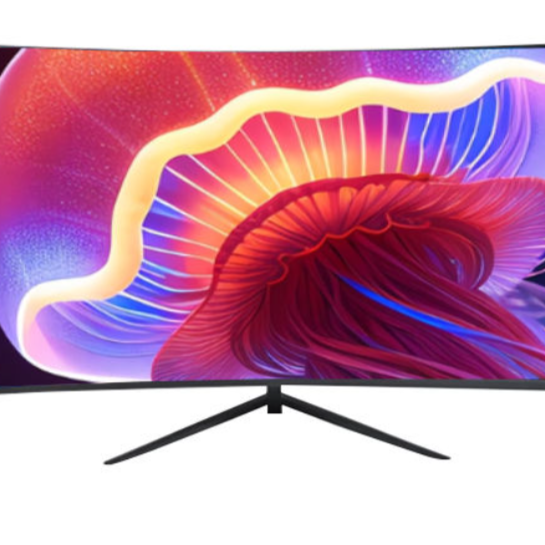
20 Inch 1600*900 Full HD 60Hz TFT LED Monitor with VGA and DP Interfaces for Desktop Computers-Business Use
Guangzhou Zanying Optoelectronics Technology Co., Ltd.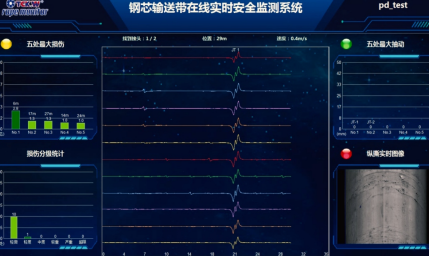
Conveyor Belt Intelligent Monitoring System
LUO YANG WIRE ROPE INSPECTION TECHNOLOGY CO., LTD.
MUX Series Communication Interface Device for Security and Stability Control System
Nanjing NR Electric Co., Ltd.

Comprehensive Mining Automation Control System
Beijing Tianma Intelligent Control Technology Co., Ltd.
Multi-function Marine Monitoring Low-altitude Detection Radar Sea-air Boundary Ocean Dynamic Environment Measurement
Chengdu Dixin Technology Co., Ltd.