France's Celeste Ecoflyers Inflatable Drone Offers 10-Hour Endurance, 805 km Range
en.Wedoany.com Reported - French aerospace startup Celeste Ecoflyers is developing an inflatable drone called the daS10, which features a wingspan of approximately 7.3 meters (24 feet) and is designed to stay aloft for over 10 hours, with a single-flight range of up to about 805 kilometers (500 miles).
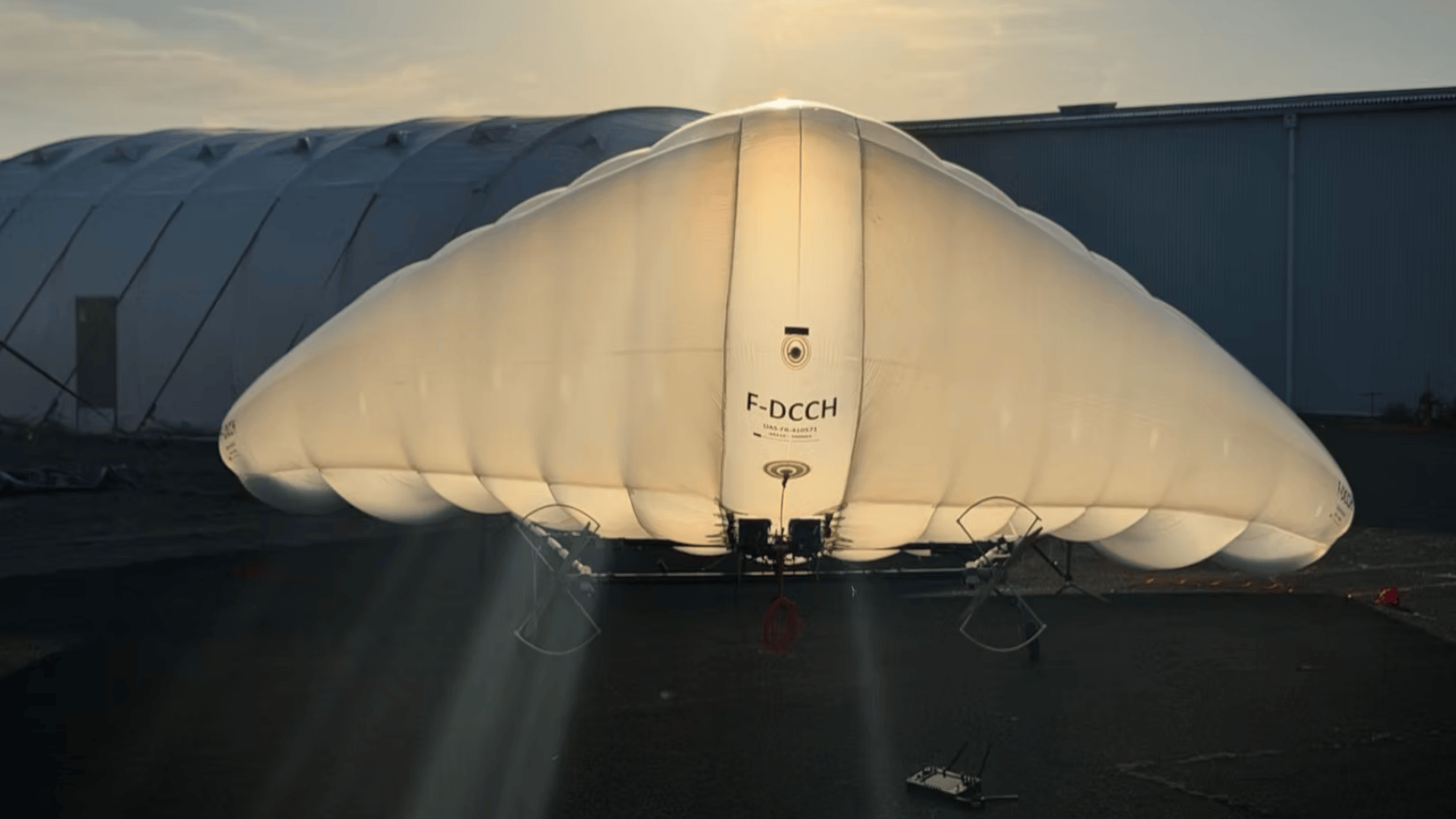
The company recently completed early flight tests of the daS10. The drone uses a pressurized textile shell and inflatable wings, which can be deflated and stored inside a standard car (with folded seats), offering operators a unique transport solution. The inflatable wings maintain their shape during flight through internal air pressure, generating lift while reducing the structural weight of traditional fixed-wing aircraft, aiming to lower energy consumption and provide longer endurance than most small multirotor systems.
The aircraft is being developed for inspection, surveillance, and remote logistics missions that require sustained aerial coverage. In comparison, small consumer drones like the DJI Mavic 4 Pro have an endurance of about 50 minutes, making them insufficient for large-scale, long-duration monitoring of pipelines, remote infrastructure, or disaster zones. While long-range drones can handle such tasks, traditional fixed-wing platforms and vertical takeoff and landing aircraft typically involve higher acquisition, transport, and operational costs.
Celeste Ecoflyers describes the daS10 as a new type of aerial system, whose lightweight structure deflates when not in flight, aiming to make sustained aerial coverage more portable, safer, and easier to deploy. The design allows teams to transport a large aircraft without needing a dedicated trailer; operators simply inflate the structure before deployment, making it particularly suitable for remote operations with limited storage space and transport access. Potential missions include long-distance pipeline inspections, disaster area surveys, and area surveillance that avoids the risks of manned aircraft.
Currently, the daS10 remains in an emerging concept stage, with its actual performance yet to be validated through flight tests, payload capacity, weather tolerance, and the durability of its textile structure. By combining long endurance with compact transport conditions, the drone could offer a new option for users who need extended range but lack the infrastructure for traditional large aircraft.
Related Products

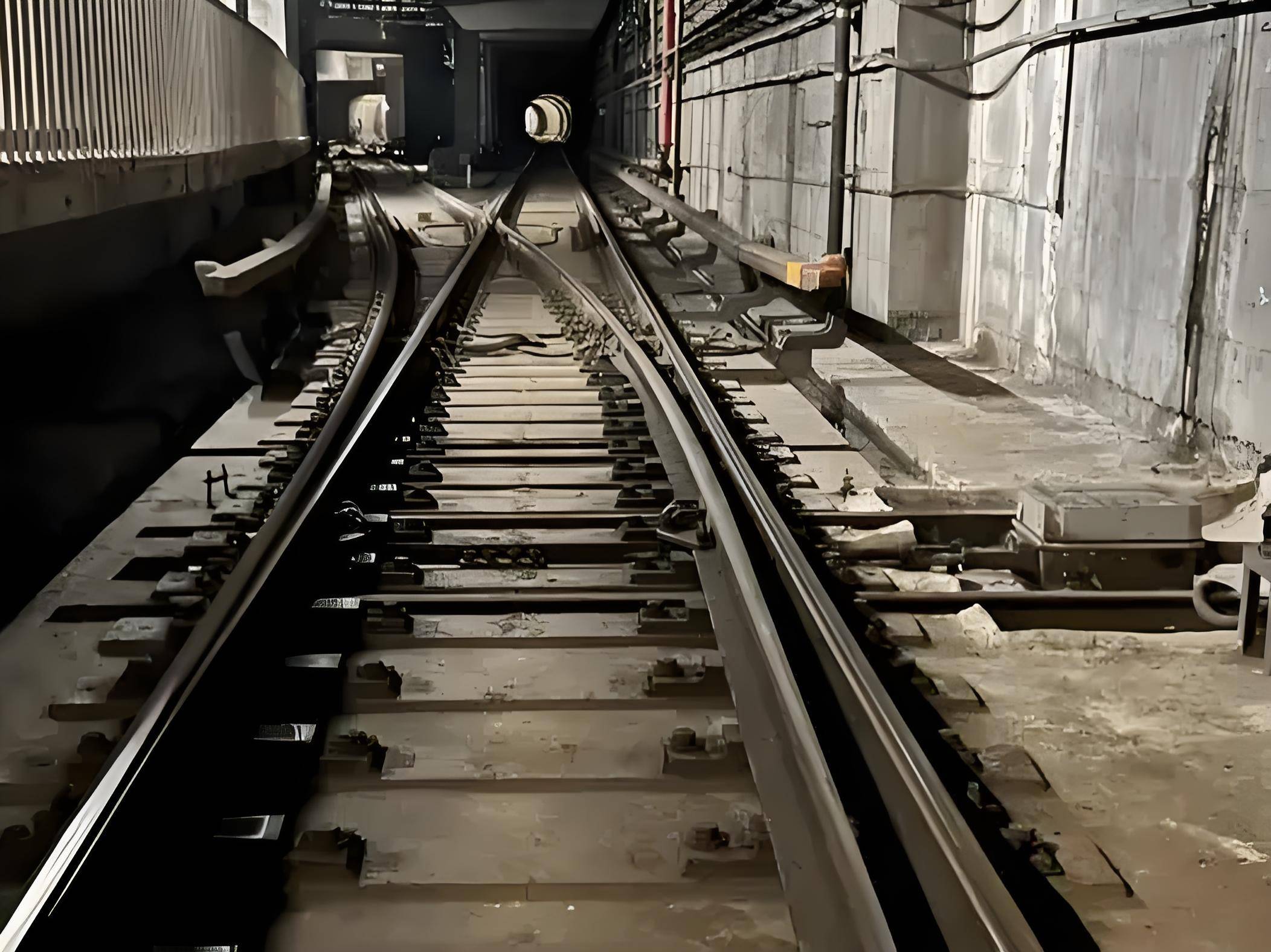
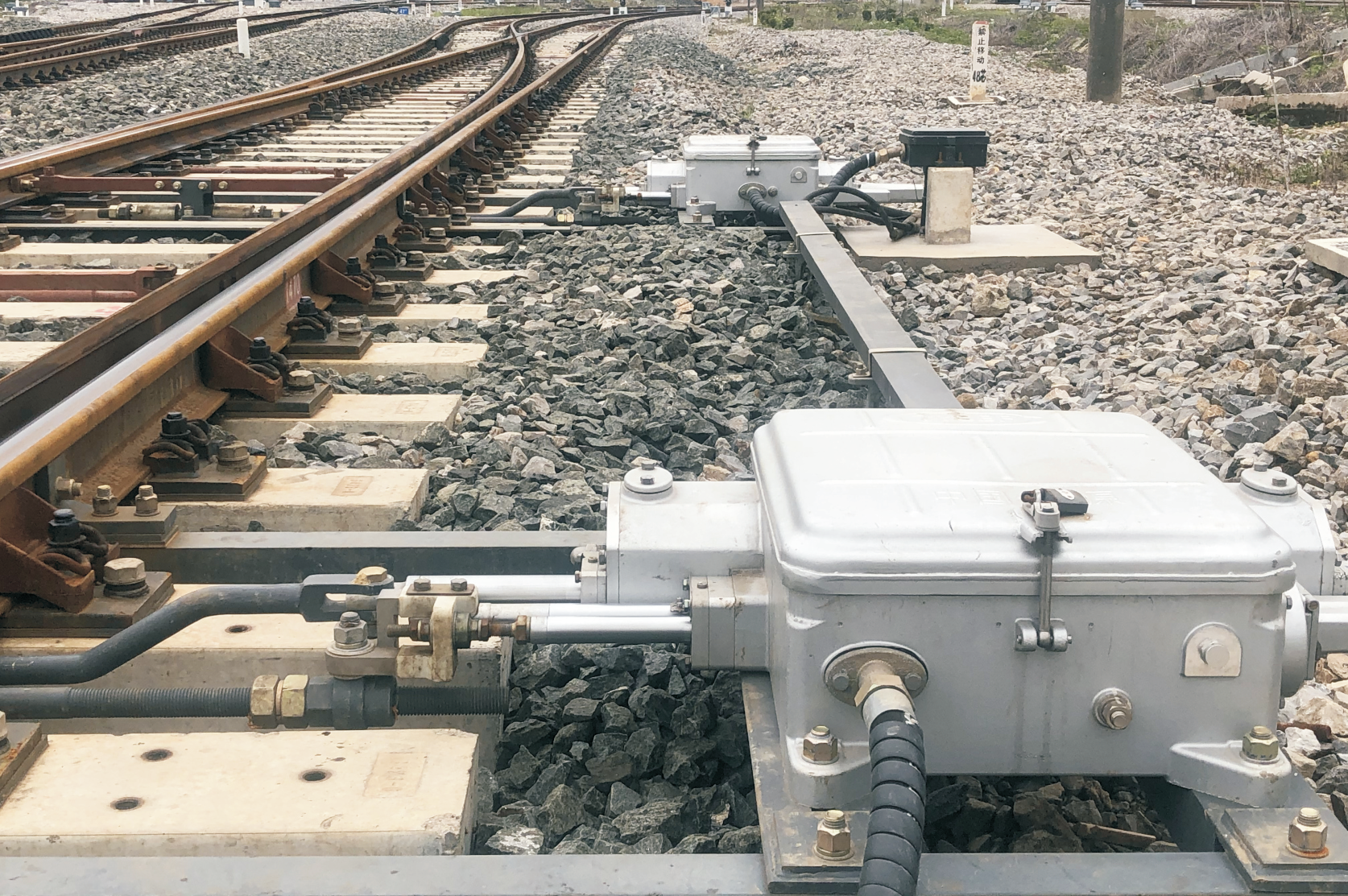
ZY(J)7(M) Sealed Type Electro-Hydraulic Turnout Machine
TAIYUAN CR JINGFENG EQUIPMENT TECHNOLOGY CO., LTD.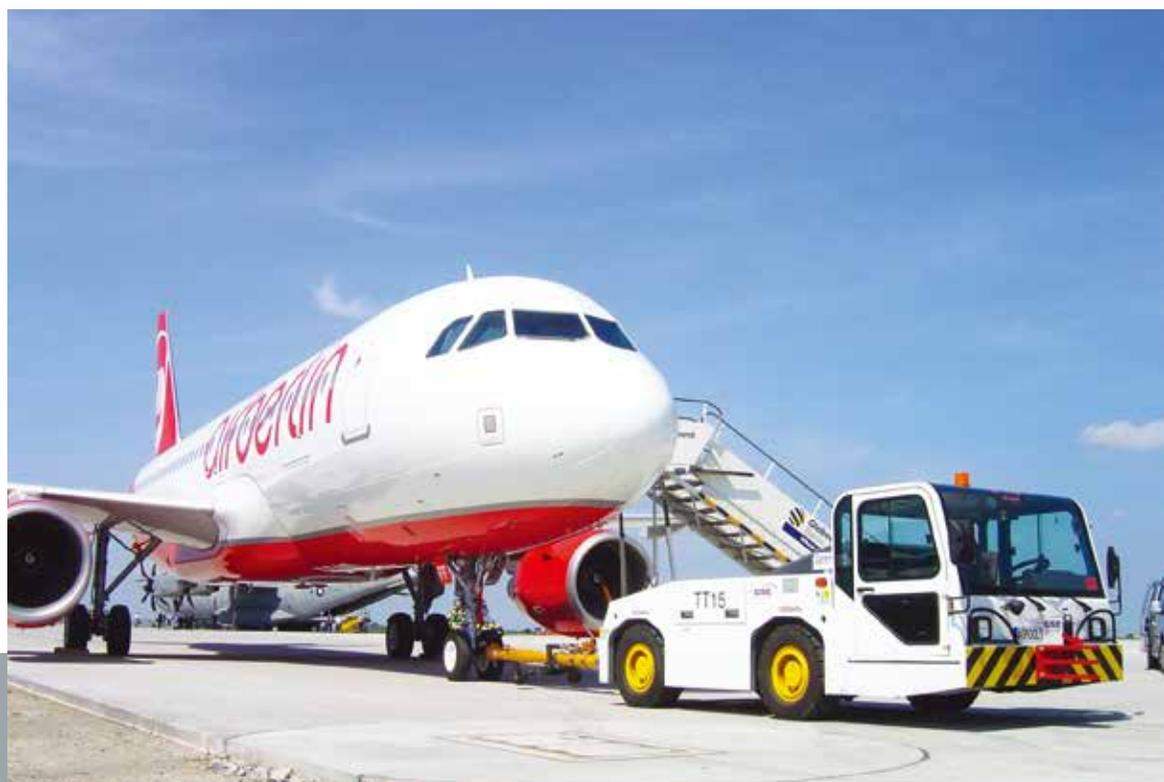
WGQY Series Aircraft Tow Tractor-WGQY15, WGQY27
Weihai Guangtai Airport Equipment Co., Ltd.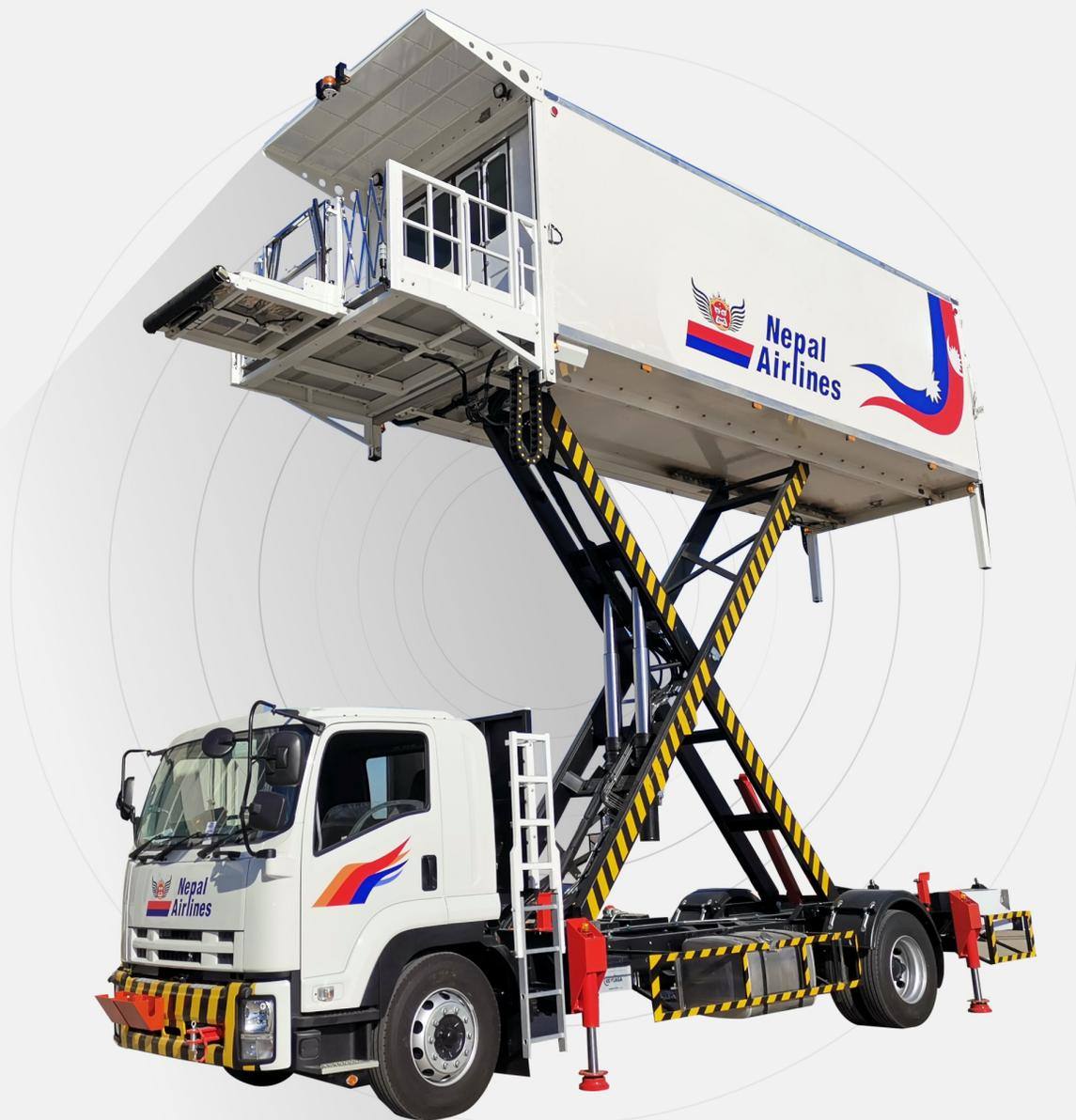
XC-6000e Type Aviation Catering Truck (Fuel Type)
Shenzhen CIMC-TianDa Airport Support Ltd.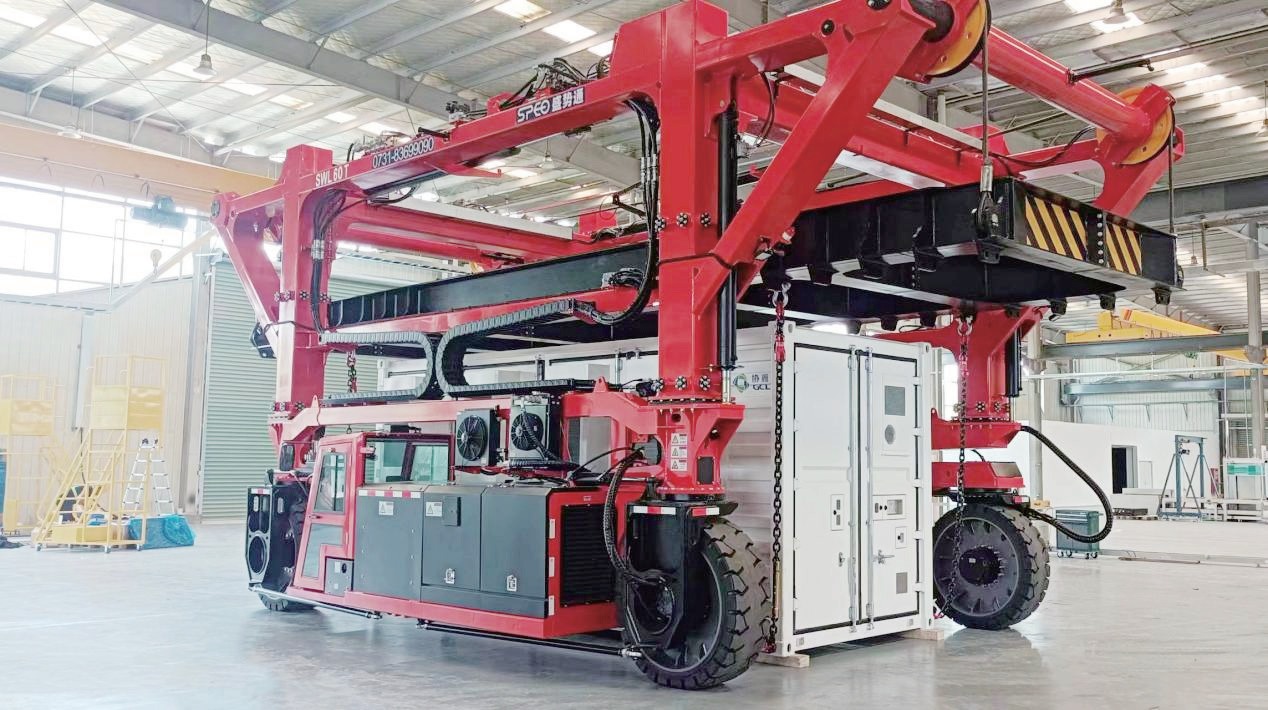
Pantograph-Catenary Comprehensive Detection Device (1C)
CHENGDU TANGYUAN ELECTRIC CO., LTD.