European Space Agency Moves Orbital Metal 3D Printer into Operational Use
en.Wedoany.com Reported - European Space Agency (ESA) astronaut Sophie Adenot has retrieved the fifth sample produced by the metal 3D printer on the International Space Station (ISS), advancing the agency's technology validation for routine metal additive manufacturing in orbit. The device, described by ESA as the first metal 3D printer in orbit, was launched into a 400-kilometer orbit in 2024, and since early 2026, six cargo missions have delivered supplies to the space station.
The first three printed parts have been inspected at ESA's technical center ESTEC in the Netherlands and the Technical University of Denmark (DTU). The team compared the quality and material properties of the parts at both macro and micro scales with reference parts printed on the ground using the same machine. ESA reported that the results will be published in the coming weeks. The fifth sample returned to Earth aboard the CRS SpX-34 spacecraft and will undergo further testing at the German Aerospace Center (DLR) and ESTEC.
ESA Technical Officer Rob Postema stated that with a deeper understanding of the printer's capabilities, limitations, and operations both in orbit and on the ground, as well as the validated quality of parts produced in a crewed spaceflight environment, ESA is ready for the next step in orbital metal 3D printing. Adenot, who is on the εpsilon mission, also prepared the printer for its next run, planned for later this year. She installed a substrate with a partially printed component that was interrupted before the printing process was aborted. The team plans to test recovery procedures and continue the build. Adenot said: "The 3D printer is far from a simple device, and I am delighted to work on this European technology demonstration to advance the future of human spaceflight." She added: "Congratulations to all participants, and thanks to the CADMOS user support center team for guiding me throughout the process!"
The 3D printer demonstrator was built by an industrial team led by Airbus Defense and Space under an ESA contract, with co-funding from Airbus. The CADMOS User Support and Operations Center of the French National Centre for Space Studies (CNES) operates the printer. Large-format additive manufacturing company Caracol also participated in ESA's work, leading the AI-based Monitoring of Large-Format Robotic Additive Manufacturing in Space (AIMIS-LFAM) project.
Related Products
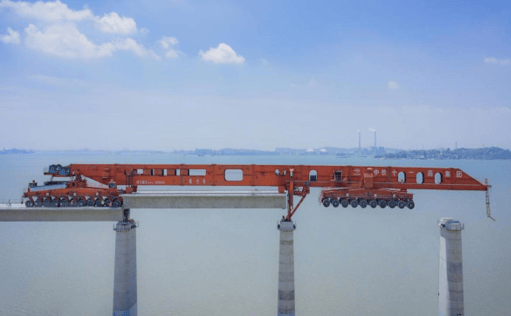

High-Speed Railway Lifting, Transporting, and Erecting Equipment: Integrated Transport and Erection Machine
Hanjiang Heavy Industry Co., Ltd. of China Railway 11th Bureau Group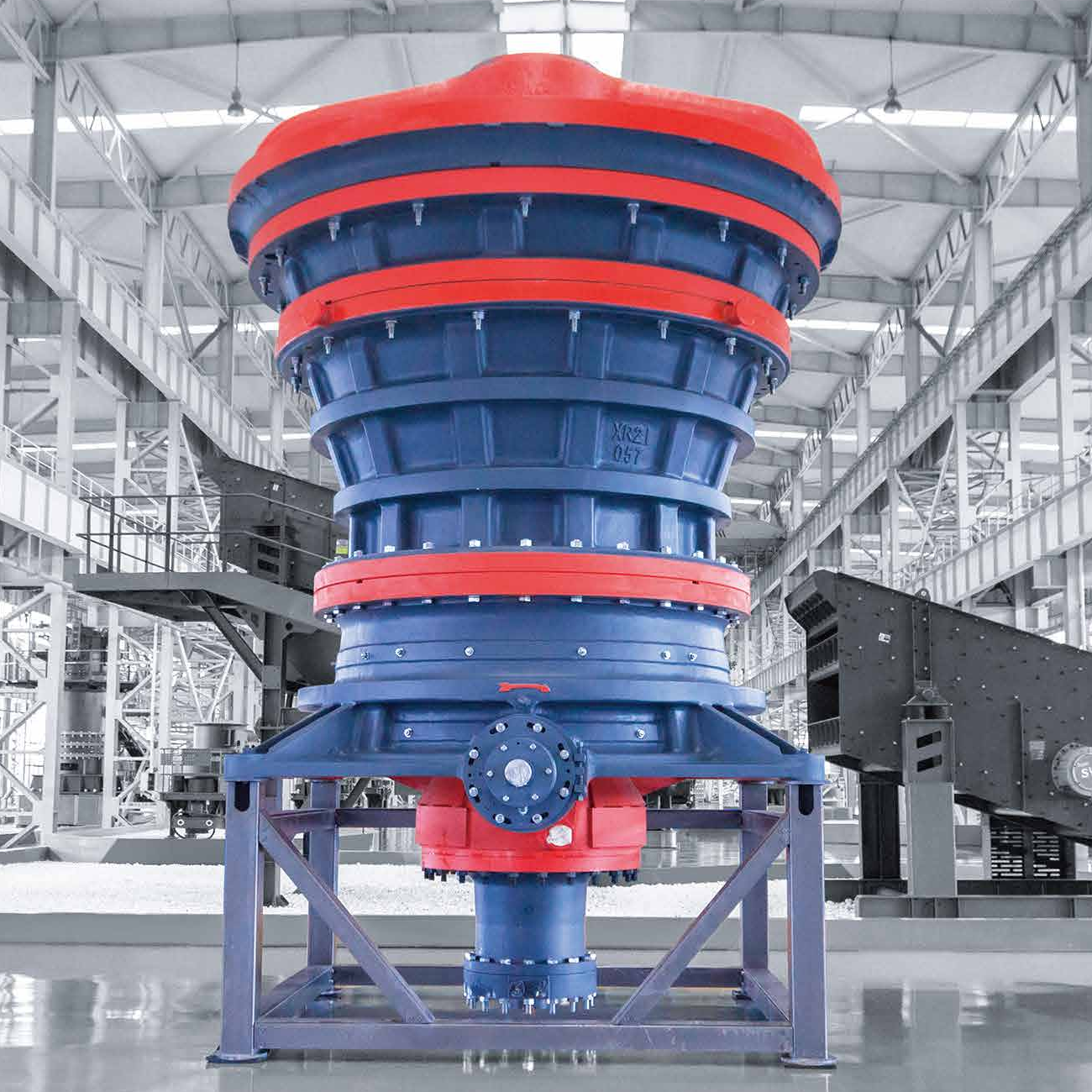

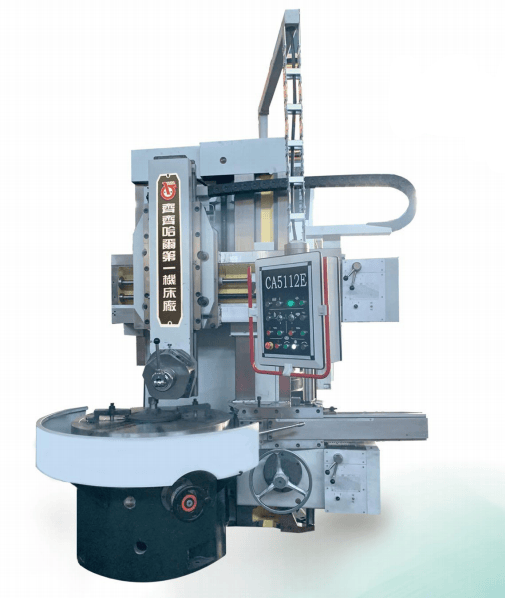
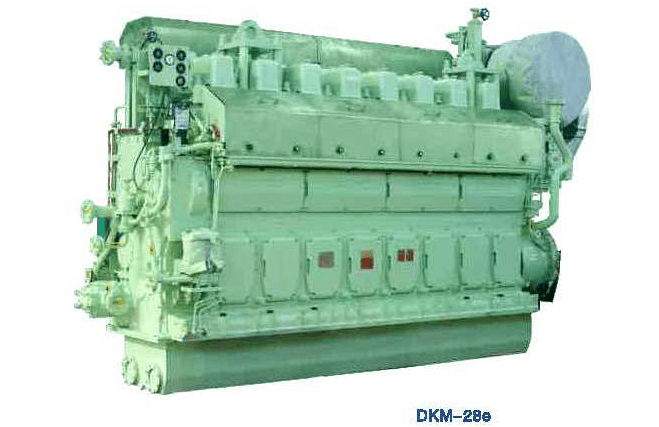

Pneumatic high-pressure wear-resistant ball valve
Zhejiang Deca Control Valve Meter Co., Ltd.
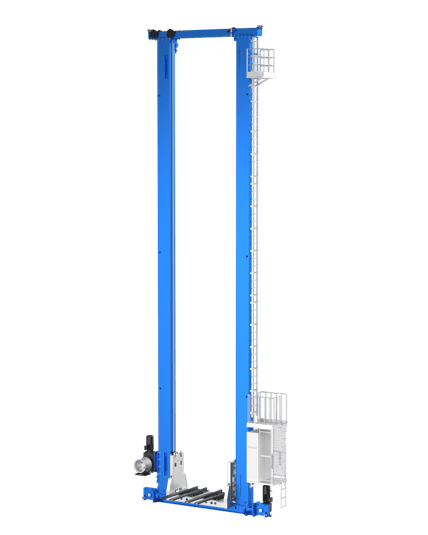
Pallet Solutions Product Line: HD3000 Double-Column Stacker Crane
Zhongding Intelligent (Wuxi) Technology Co., Ltd.