US CSB Criticizes Woodland and BioLab, Brazil's 25% Tariff Raises Reshoring Concerns
en.Wedoany.com Reported - The U.S. Chemical Safety and Hazard Investigation Board (CSB) this month released an update on its investigation into the hydrogen sulfide leak at the Woodland Pulp facility in Baileyville, Maine. The January incident killed a 20-year-old chemical engineering intern and a 26-year-old chemical engineer, and exposed 10 other employees to hydrogen sulfide.
Investigators said the facility had no fixed hydrogen sulfide detectors installed in the affected area and did not provide personal hydrogen sulfide monitors to the two deceased employees. During the ongoing outage, the plant had no systematic way to track whether personnel were inside buildings, delaying rescue efforts by hours. The incident occurred during a planned plant shutdown driven by rising natural gas costs.
The incident occurred in the bleach plant, the area where wood chips are chemically processed into pulp. As operators drained plant equipment, alkaline process liquor containing sulfur compounds entered the acidic sewer system, where automatic controls lowered pH by adding sulfuric acid. Because liquid accumulated in elevated sections of piping, the sulfuric acid injection lasted longer than expected, reacting with sulfur compounds to generate hydrogen sulfide gas. When operators shut down the bleach plant's wash fan as part of the shutdown procedure, the toxic gas was no longer purged from the sewer system and instead migrated through connected process equipment, eventually escaping into the building through multiple openings.
The two engineers are believed to have been working nearby on equipment mapping unrelated to the shutdown when they inhaled the gas. Other employees reported symptoms including burning eyes, throat irritation, and headaches. The CSB report noted that Woodland Pulp knew hydrogen sulfide could form in the system but failed to implement adequate safety protections. A final report with recommendations has not yet been released.
The CSB also released this month its final report on the September warehouse fire and toxic material release at KIK Consumer Products' Bio-Lab facility in Conyers, Georgia. The chemical plume drifted across the Atlanta area, forcing approximately 17,000 people to evacuate and prompting shelter-in-place advisories for roughly 90,000 residents. The CSB determined that the fire began when water leaking from corroded sprinkler components reacted with chlorinated isocyanurates stored in the warehouse. The facility held nearly 14 million pounds of these reactive chemicals—more than double the amount initially disclosed to local officials before the plant was built in 2019. The storage bags were not waterproof, and building ventilation could not control humidity, causing the sprinkler system to corrode from the inside out.
The board identified five key safety issues contributing to the severity of the incident: equipment operated until failure, inadequate hazard recognition in storage, deficient risk management and oversight, insufficient industry guidance for pool treatment chemicals, and limited regulatory coverage of reactive chemical hazards.
On trade and tariffs, according to a statement released by the American Chemistry Council (ACC) following the July 15 executive order, the Trump administration's 25% tariff on certain Brazilian imports could jeopardize the U.S. chemical industry's "reshoring" plans. The ACC is concerned that broad tariffs on imports from credible trading partners like Brazil could make it harder to reshore or friend-shore supply chains closer to home, especially when facing more severe unfair trade practices from other countries. The tariffs affect a wide range of chemicals, particularly ethanol and many materials used outside the pharmaceutical sector.
Jason Bernstein, ACC's director of international trade and supply chain, wrote to the U.S. Trade Representative (USTR) on July 1 regarding the proposed action, stating that these broad, untargeted tariffs could raise costs for downstream industries such as energy, plastics, and manufacturing, and jeopardize recent U.S. reshoring efforts that rely on Brazilian raw materials. The letter noted that rather than strengthening U.S. supply chains, the tariffs could prompt chemical manufacturers to abandon domestic production and instead import finished chemicals from other countries that use Chinese raw materials. This would undermine U.S. supply chain resilience and increase U.S. dependence on partners with less balanced and strategically aligned policies. The letter recommended that tariffs be implemented cautiously and urged USTR to establish a review process before implementation to identify and address these and similar unintended consequences.
The ACC said it was pleased to see that the exclusion list had been expanded from the original proposal. The list includes a range of chemical and petrochemical feedstocks not available domestically or in insufficient quantities, such as aluminum hydroxide, with the full list published in the Federal Register. The Trump administration claimed that Brazil's trade policies and practices over decades have unfairly harmed American farmers, workers, innovators, and businesses while limiting U.S. access to Brazil's consumer market. The administration specifically cited Brazil's lower tariffs on imports from Mexico and India, weak anti-corruption regulations, lax intellectual property protections, and failure to reciprocate the preferential treatment the U.S. grants Brazilian ethanol as key reasons for the 25% tariff.
On other legislative developments, the American Chemistry Council, along with a coalition of 75 other organizations, sent a letter on July 20 to the U.S. Environmental Protection Agency (EPA), the Occupational Safety and Health Administration (OSHA), and the White House Office of Management and Budget, urging these agencies to establish a unified federal framework for workplace chemical safety. The coalition stated that the EPA's Workplace Chemical Protection Program, developed through recent Toxic Substances Control Act (TSCA) risk management rules, creates duplicative regulatory obligations alongside OSHA's existing worker safety standards. Overlapping requirements could complicate employer compliance without improving worker protections. The coalition recommended that EPA and OSHA establish a unified federal framework for occupational chemical safety, strengthen interagency coordination, align regulatory responsibilities with each agency's expertise, and eliminate duplicative or conflicting workplace requirements.
This month also focused on the application of artificial intelligence in plant operations, particularly AI's growing role in advanced process control. The topic was a focal point at the AspenTech Optimize conference held in Houston in May. Vendor marketing suggests these tools can bring engineer-level judgment to operators lacking decades of experience. But engineers and experts attending the conference said the reality is more incremental, and one issue kept recurring: when AI systems recommend an action, they often fail to adequately explain why. In chemical plants, that's a problem operators cannot ignore.
Brian Ashcraft, a central engineering expert at Dow, has been testing Dow's AI agent AVA across several advanced process control applications. Dow's initial assessment has been mixed. Ashcraft said its subject matter experts found that AVA did not provide more insight than existing tools, and the cost has not yet justified broader deployment. He believes the value lies in new engineers and operators using it to understand why a unit behaves a certain way, while seasoned personnel can typically already make that determination faster on their own.
Specialty chemicals manufacturer Albemarle, meanwhile, reported more quantifiable results. According to Jonathan Alexander, manufacturing AI and advanced analytics manager in Albemarle's global excellence manufacturing team, the company saves more than $150 million annually through AI and analytics work at its plants, with overall equipment effectiveness and production efficiency improving by 5% to 20% thanks to better predictive maintenance insights. The related report, titled "AI Comes to Advanced Process Control," was published on ChemicalProcessing.com.
Related Products


CAP1400 main feedwater flow nozzle flowmeter.
Jiangsu Hongda Instrument Technology Co., LTD.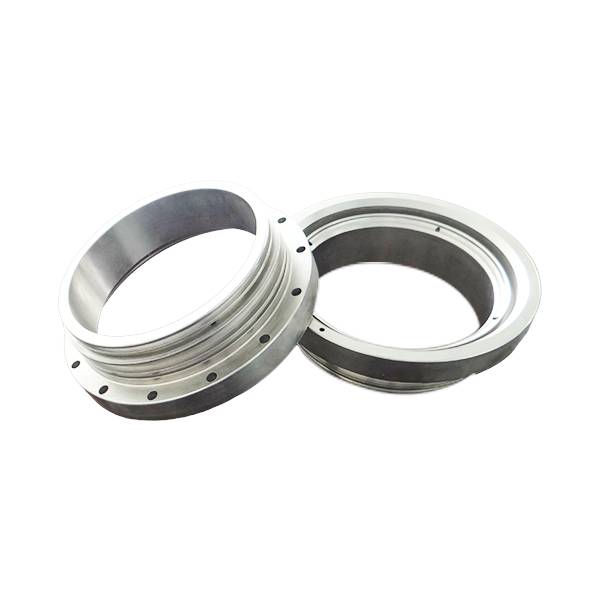
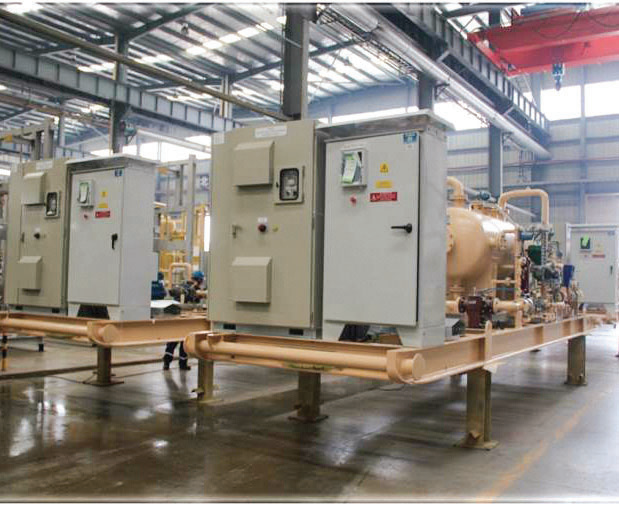
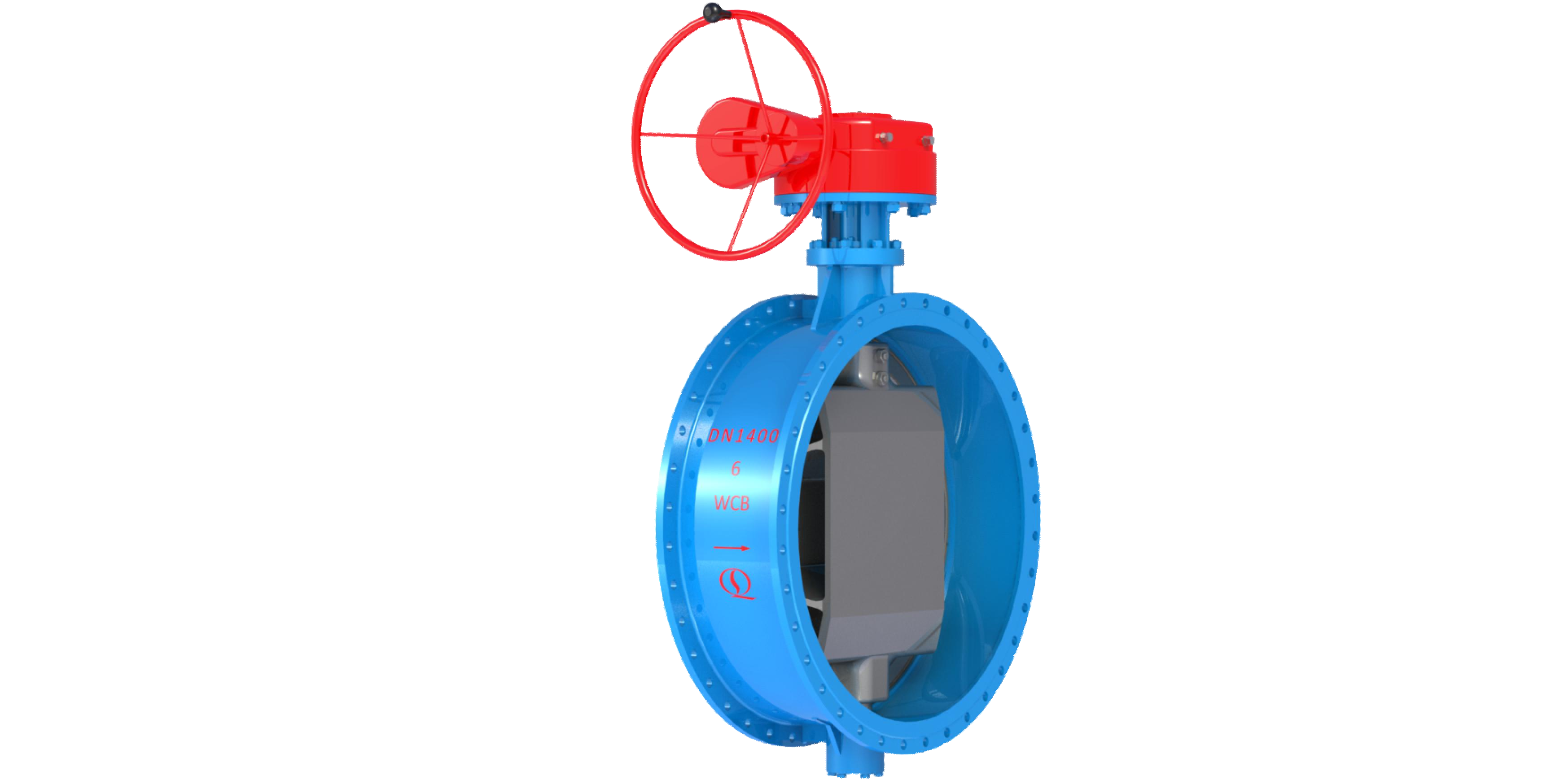
Bidirectional Metal Hard Sealed Seawater Butterfly Valve
Henan Quanshun Flow Control Science & Technology Co., Ltd.

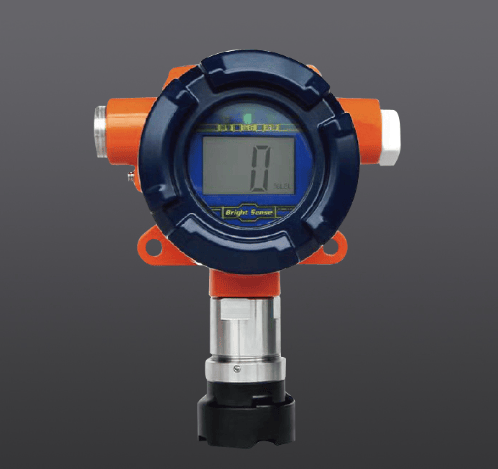
Industrial and Commercial Point-Type Gas Detector
Jinan Benan Technology Development Co., Ltd.
Nitrogen Export, Nitrogen Manufacturer, High-purity Nitrogen Supplier
Foshan Yuexin Industrial Gas Co., Ltd.