BC Ferries Submits Two Investment Plan Applications to Boost Efficiency and Cut Costs
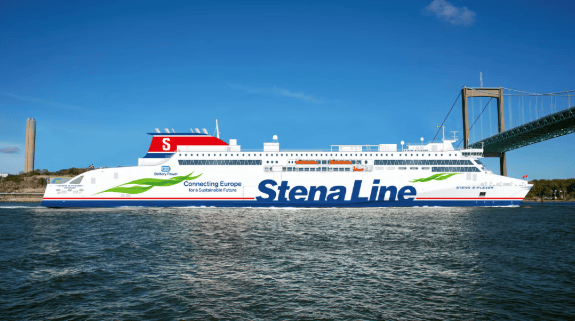
en.Wedoany.com Reported - Canadian ferry operator BC Ferries has submitted applications to the BC Ferries Commissioner seeking approval to implement two investment plans: Phase 1 of the Asset Management Information Plan (AMIP) and Phase 2 of the Human Resources Transformation Plan (HRTP). These two plans are expected to enhance operational efficiency, support reliable service, and help alleviate long-term cost pressures.
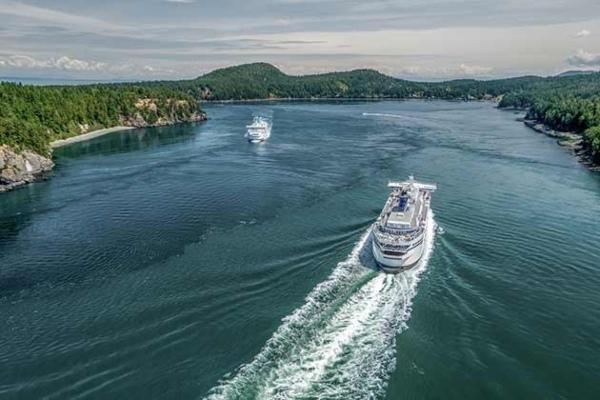
As it prepares to submit its seventh performance term report (PT7), BC Ferries continues to make decisions to reduce expenditures in order to achieve significant savings and prioritize efficiency across all operations. Specific measures include restricting hiring of exempt employees, reducing support for contractors, improving fuel consumption, and scaling back its 12-year capital plan. The company has cancelled or deferred more than $2 billion in planned investments originally intended for vessels, terminals, and information technology infrastructure, which are now postponed to fiscal 2038.
The remaining funds are concentrated on projects designed to maintain service delivery and renew critical assets, or on essential investments in core capabilities such as AMIP and HRTP to replace outdated legacy systems that have been in use for more than two decades. These initiatives also help ease pressure on user fares and generate long-term efficiencies.
BC Ferries' current asset management platform, used to manage up to $180 million annually in spare parts, inventory, and maintenance and overhaul activities, is outdated and no longer supported by its vendor. AMIP is expected to improve fleet reliability and safety through better maintenance planning, enhanced visibility into assets and inventory, and data-driven operational decision-making. This will translate into more efficient use of maintenance and overhaul expenditures, reduced warehousing costs, and a continued transition toward predictive maintenance. Additionally, the new system must be supported, secure, and compliant with BC Ferries' regulatory obligations.
HRTP aims to modernize human resources, personnel management, scheduling, time tracking, and payroll systems, replacing fragmented legacy systems and manual processes. This will enable more modern ways of working, improve the employee experience, and provide leaders and employees with access to more reliable information. It will also strengthen workforce planning, enable efficient staffing, and help the company better manage labour costs. HRTP is expected to help reduce the need for future fare increases starting from PT7.
Both projects require approval from the Commissioner. Under the recently updated Commissioner's Order 26-01, they are considered significant capital expenditures, and the order explains the relevant requirements of the Coastal Ferry Act.
Related Products

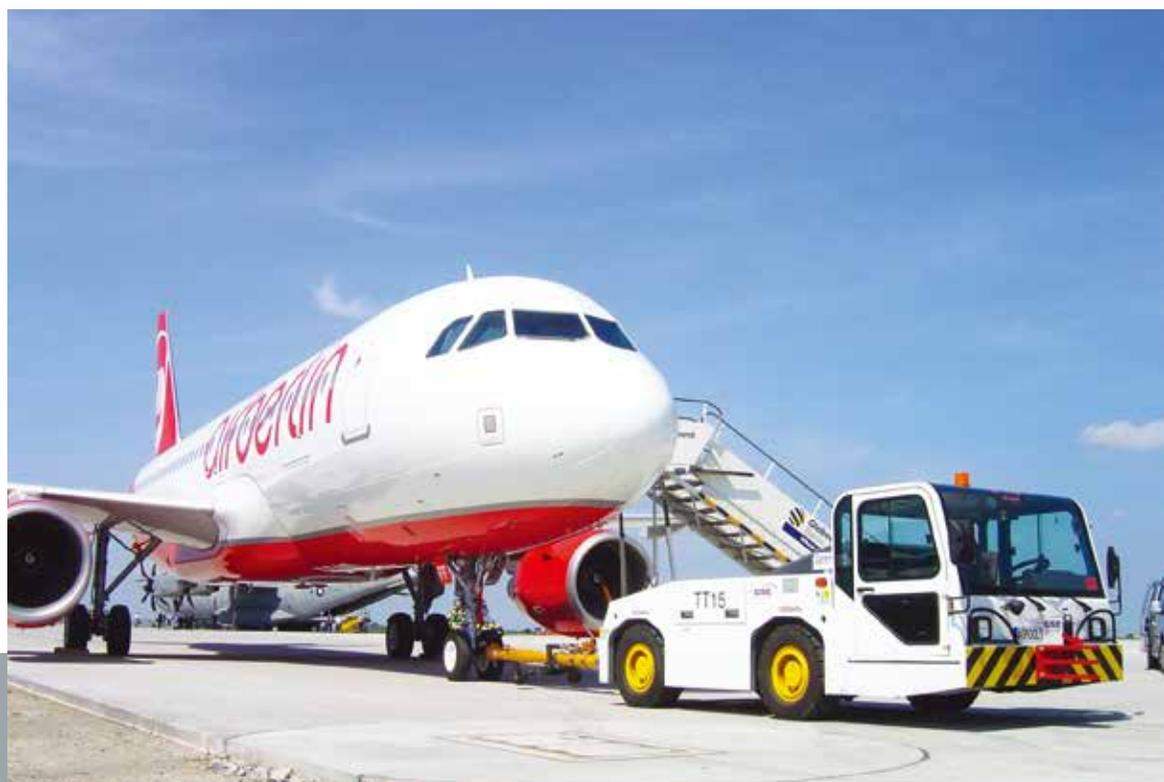
WGQY Series Aircraft Tow Tractor-WGQY15, WGQY27
Weihai Guangtai Airport Equipment Co., Ltd.
Industrial and Commercial Point-Type Gas Detector
Jinan Benan Technology Development Co., Ltd.
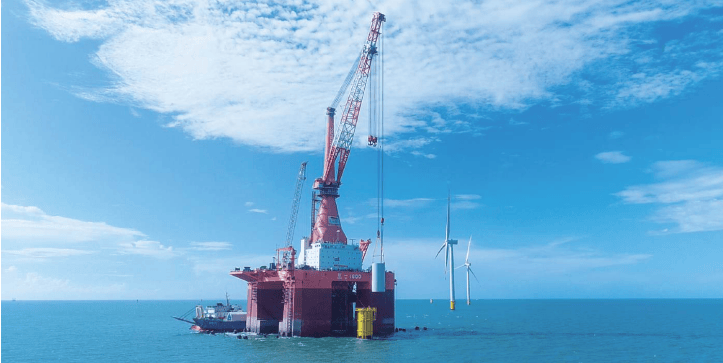
"Shunyi 1600" Deep-submerging Bottom-sitting Multi-functional Wind Power Engineering Vessel
Zhengli Offshore Engineering Co., Ltd.

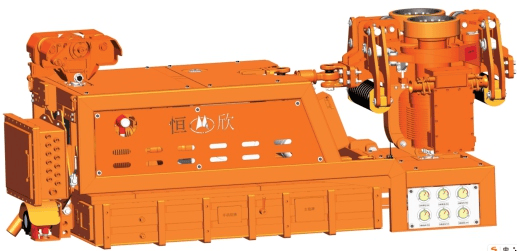
Explosion-proof lithium battery dispatching monorail crane locomotive (permanent magnet frequency conversion integrated machine)
Xiangtan Hengxin Industrial Co., Ltd.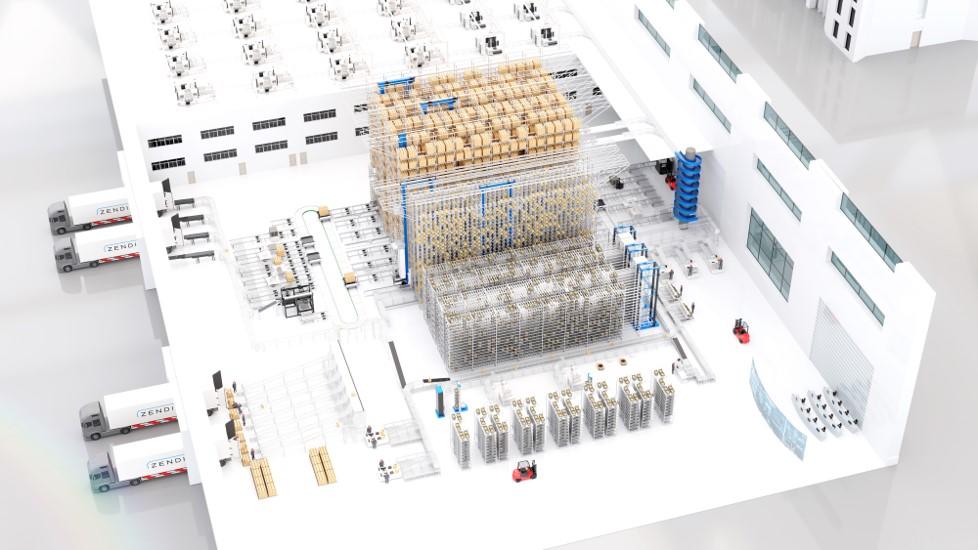
One-Stop Steward Service for the Entire Logistics System Integration Chain
Zhongding Intelligent (Wuxi) Technology Co., Ltd.
Wheel and Track Technology Business
Beijing Research & Design Institute of Rubber Industry Co., Ltd.
CLW5180TXSD6 Dongfeng Tianjin Washing and Sweeping Truck
ChengLi Special Automobile Co., Ltd.