Delta Air Lines Plans to Replace 88 Boeing 717s with Airbus A220s
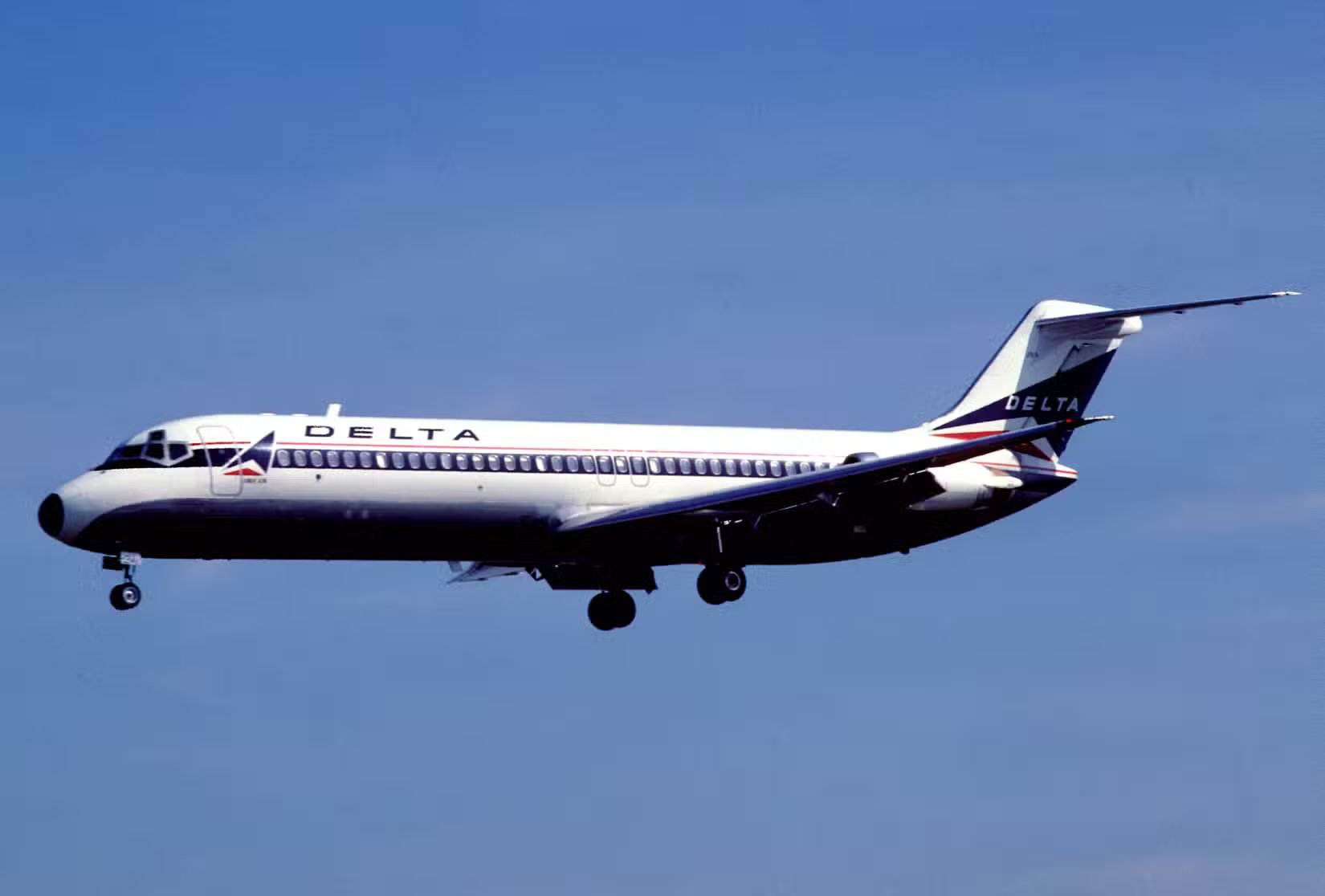
en.Wedoany.com Reported - Delta Air Lines is progressively replacing its Boeing 717 fleet with the Airbus A220 series. These 717s are over 25 years old, with a design lineage tracing back to the McDonnell Douglas DC-9 series. Delta has been operating 88 of these aircraft under long-term leases from Southwest Airlines since 2012.
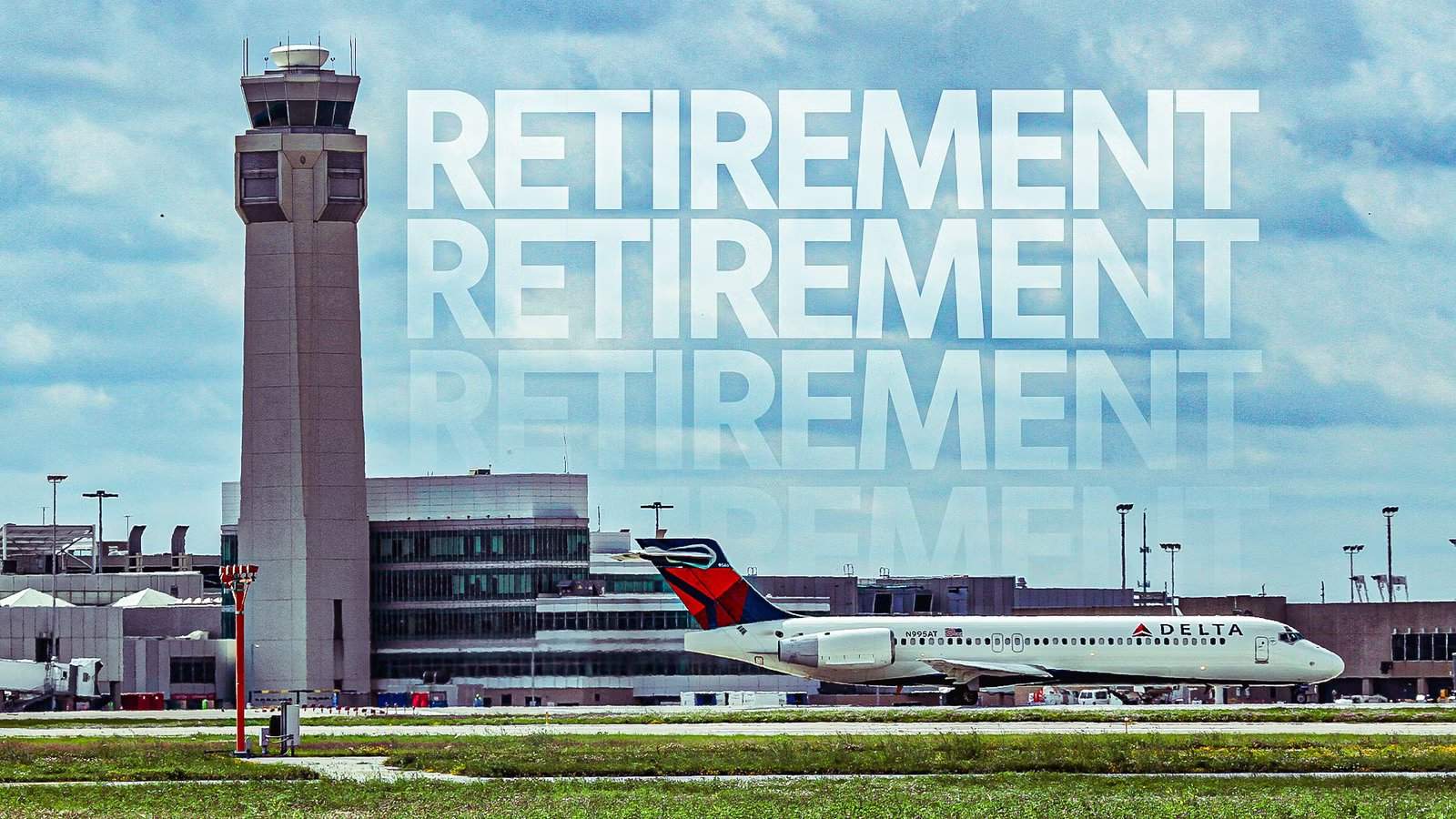
The Boeing 717's lineage dates back to the DC-9, designed in the early 1960s. In 1965, Delta Air Lines became the launch customer for the DC-9. Following the merger of Douglas Aircraft Company and McDonnell Aircraft, the DC-9 series evolved into the MD-80 and MD-90, and later into the MD-95 in the early 1990s. After Boeing acquired McDonnell Douglas in 1997, the MD-95 was renamed the Boeing 717. Despite numerous upgrades, its basic structure has remained largely unchanged for decades.
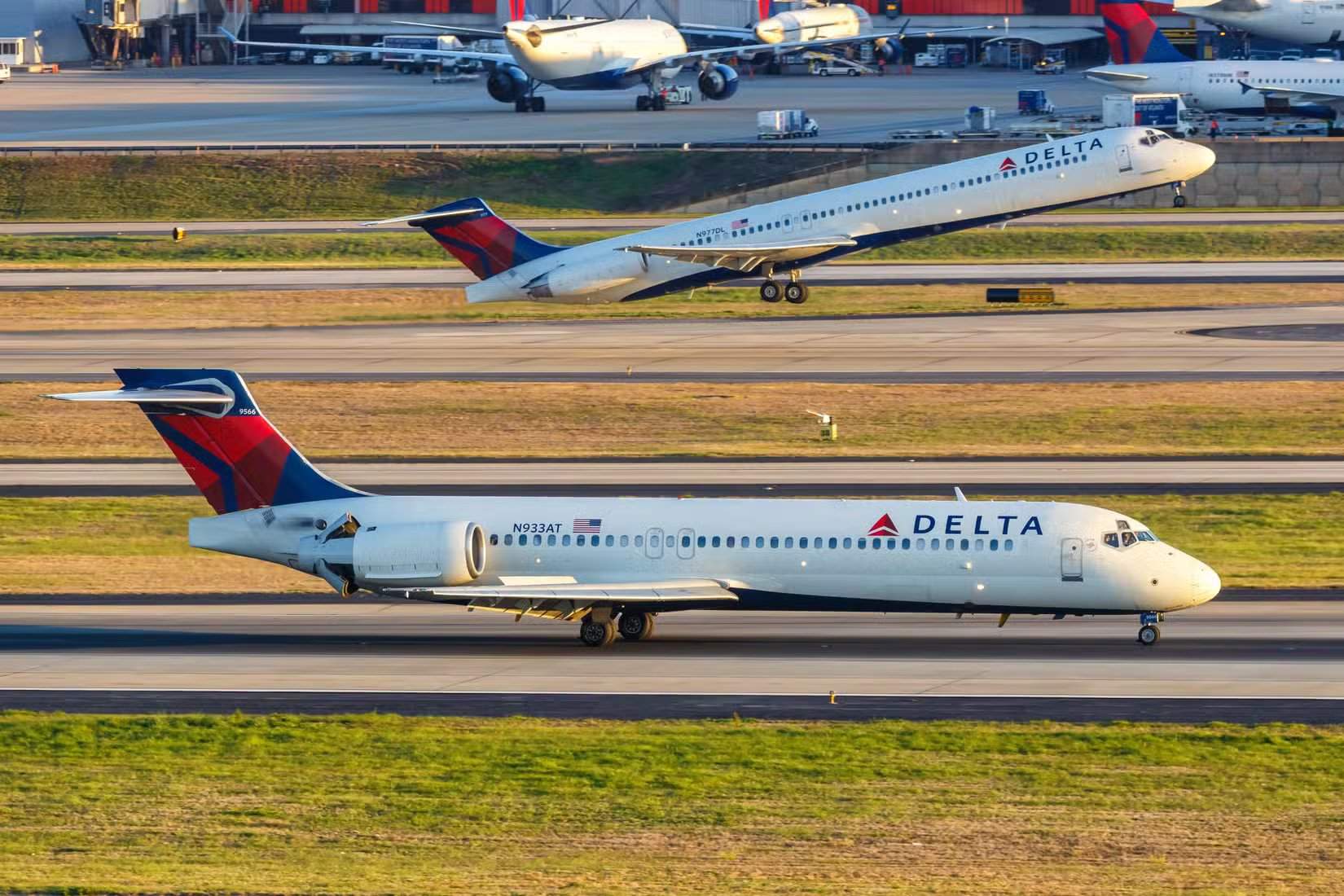
In 2012, after Southwest Airlines acquired AirTran and sought to offload its 717 fleet, Delta seized the opportunity to acquire these aircraft through long-term leases, integrating them into its existing fleet system with DC-9 operational experience. In recent years, Delta has been scaling down its 717 fleet operations and working to cover regional and short-haul routes with more modern aircraft. Delta announced the 717 retirement plan in 2020, originally aiming to complete it this year, but due to A220 delivery delays, the 717s have had to extend their service life.
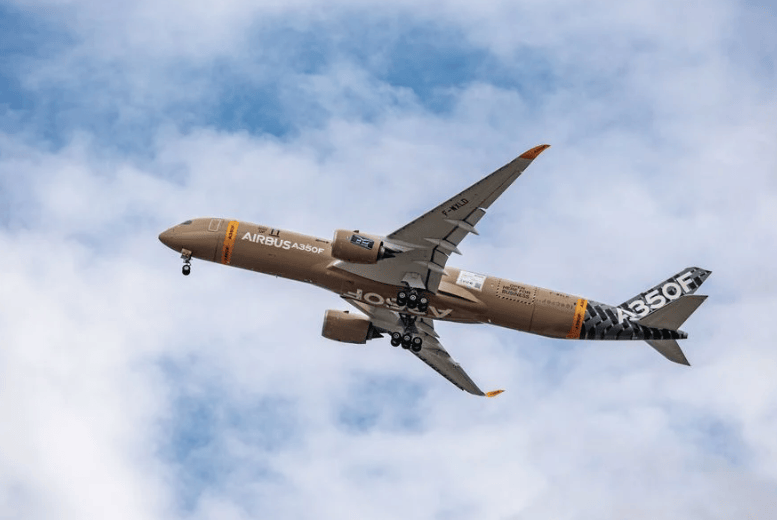
Delta's choice of the A220 as a replacement is closely tied to the aircraft's own origins. The A220 is not an original Airbus design but was launched by Bombardier under the name CSeries in 2008, targeting the 100-to-150-seat market. It features modern avionics and a theoretical range capable of transatlantic flights. The CSeries gained customers in Europe, including SWISS International Airlines and airBaltic, but Bombardier always sought to break into the U.S. market, and Delta ultimately became its customer.
According to Business Insider, Boeing was attempting to secure Delta's narrowbody order at the time and filed a trade dispute with the U.S. Department of Commerce and the International Trade Commission, claiming that Bombardier gained an unfair pricing advantage due to investments from the Quebec government. The U.S. government initially imposed tariffs of nearly 300% on the aircraft, driving up Delta's procurement costs. Airbus subsequently partnered with Bombardier, taking majority control of the CSeries program and establishing a production line at its Mobile, Alabama, facility to circumvent the tariffs. The aircraft was then renamed the A220.
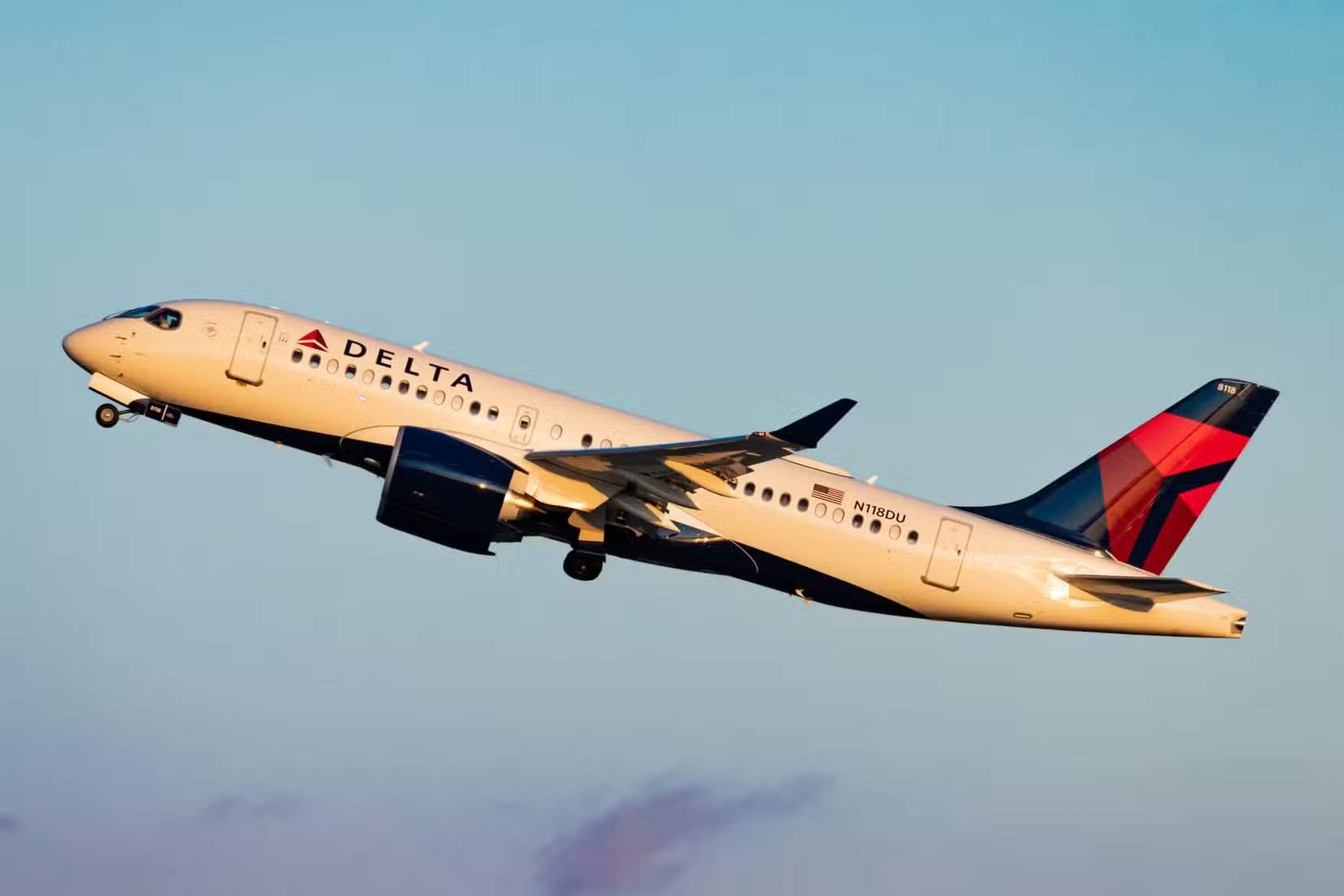
According to ch-aviation data, Delta currently operates 88 Airbus A220 series aircraft, including 45 A220-100s (1 inactive) and 43 larger A220-300s (2 inactive), with an additional 57 A220-300s on order. In terms of capacity configuration, the A220 is fully capable of taking over the 717's route missions, while its longer range gives Delta greater flexibility in route planning and access to new markets where passenger traffic may not justify a Boeing 737 or Airbus A320. With newer engines, longer wings, and a more advanced airframe structure, the A220 outperforms the aging 717 in fuel efficiency and passenger comfort, and its lower fuel consumption also helps reduce the airline's carbon footprint.
In the 100-to-150-seat market, the A220 also faces competition from Embraer's E-Jets E-2 series, specifically the E190-E2 and E195-E2. These two models are upgraded, more efficient versions of the best-selling regional jets E190 and E195. While their range does not match the A220's, their operational efficiency and economics keep them popular in the market, and they offer seamless transitions for operators of the current first-generation E190 and E195. Embraer has also introduced a freighter version based on the existing design (the E-Freighter program), filling a market gap between turboprop freighters and larger jet freighters.
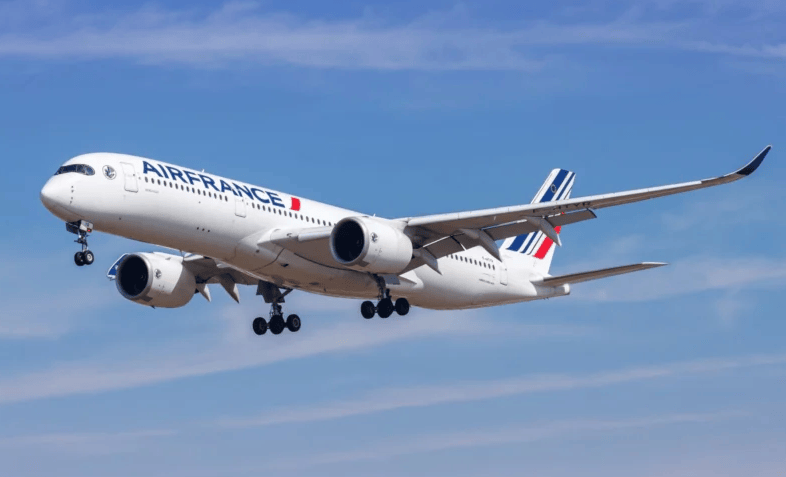
The number of A220 operators and active aircraft has continued to grow in recent years. Some airlines have shown interest in a stretched version larger than the A220-300 but smaller than the Airbus A320, commonly referred to in the industry as the A220-500. Airbus Chief Commercial Officer Christian Scherer stated at a media event in 2021 that the aircraft has stretch capability, but before stretching, it will first reach its cruising altitude. According to reports, airlines such as Air France and airBaltic have strong interest in the stretched version, and it may be possible in the future to see operators using the A220 on transatlantic routes.
Most analysts believe that while the A220-500 program is feasible, it will only be launched after the existing A220 program achieves reliable and high-volume delivery rates. This process could take several years, as the aircraft's recent production has been hampered by supply chain issues and problems with its Pratt & Whitney engines.
Related Products
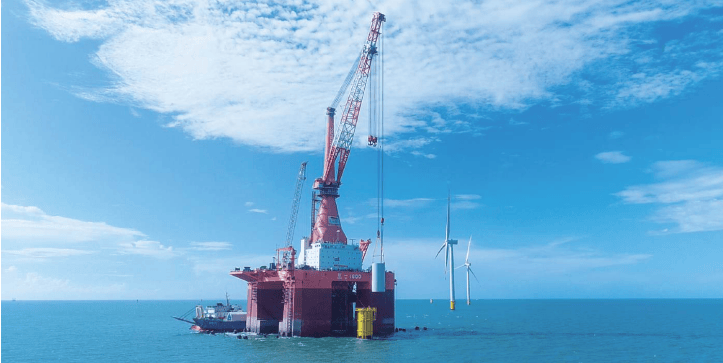

"Shunyi 1600" Deep-submerging Bottom-sitting Multi-functional Wind Power Engineering Vessel
Zhengli Offshore Engineering Co., Ltd.
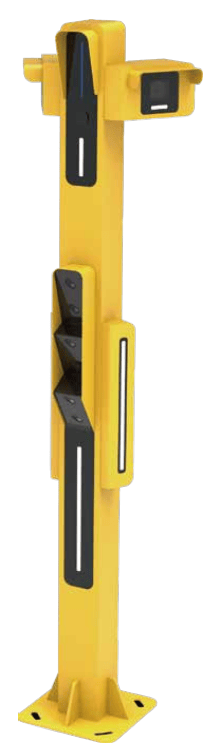
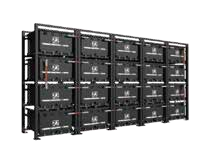
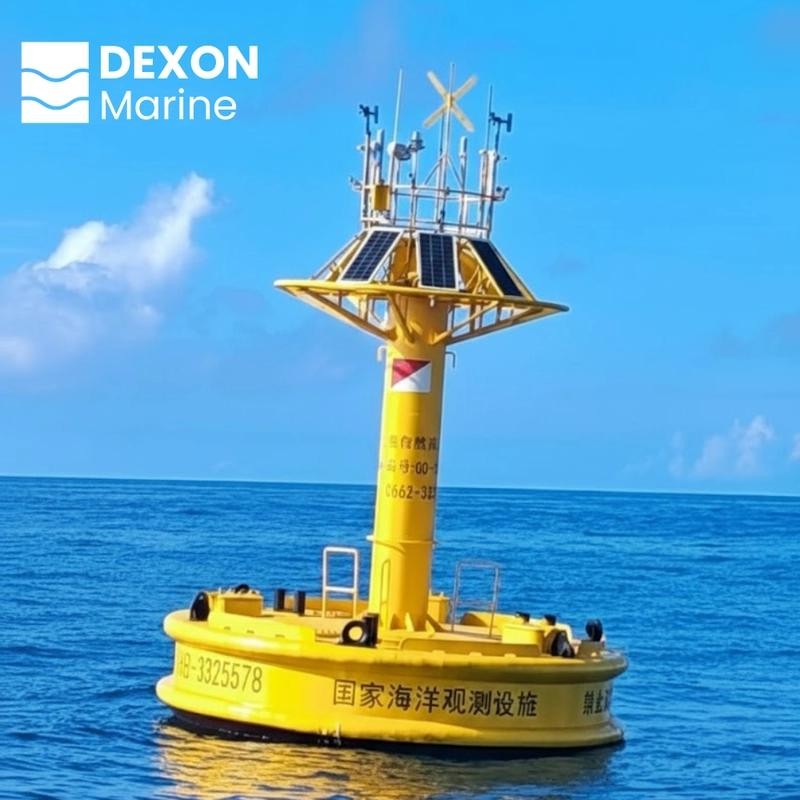
3m intelligent buoy combining navigation safety and real-time marine monitoring integrated navigation and marine monitoring system for real-time maritime data
Chengdu Dixin Technology Co., Ltd.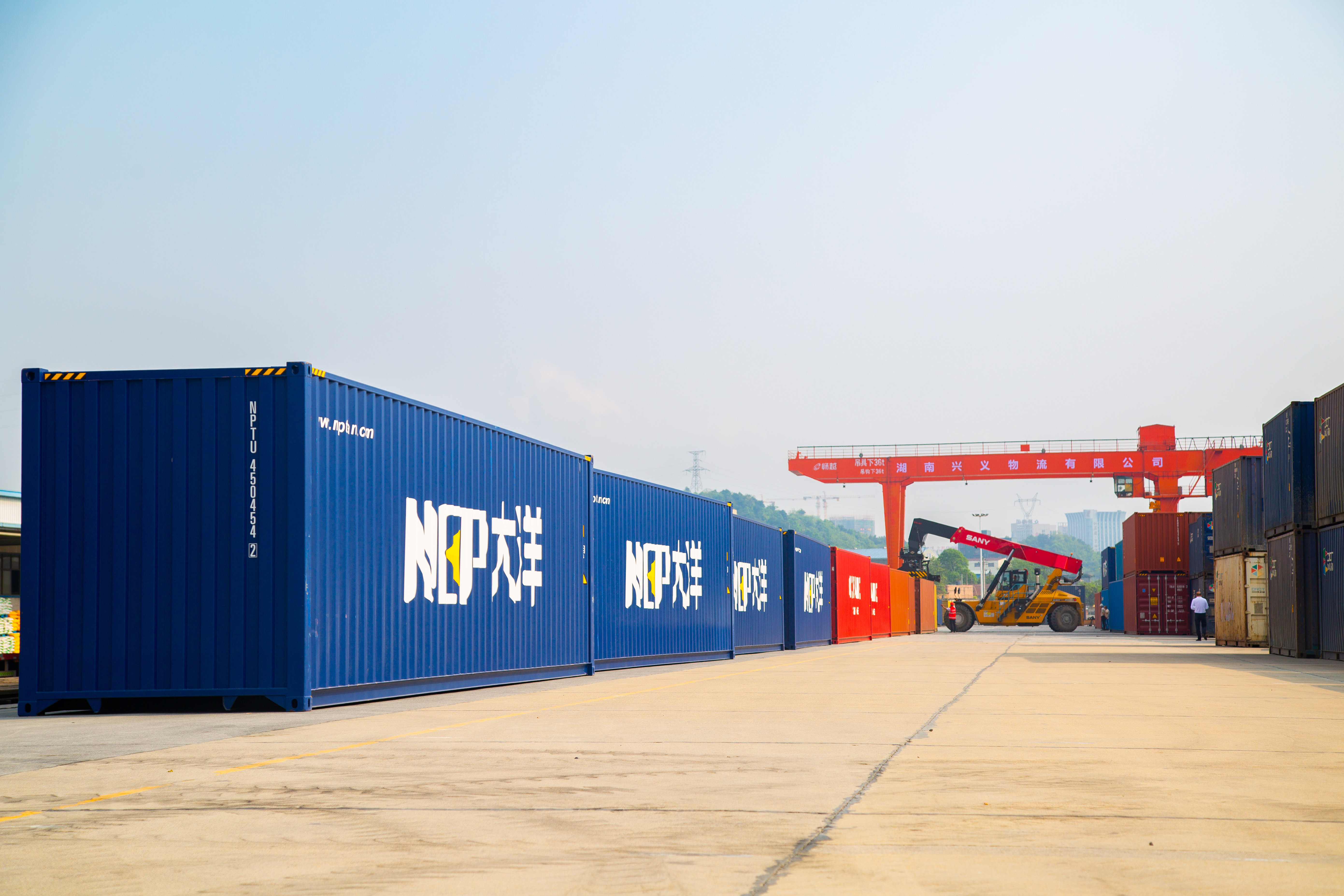
China - Alashankou/Khorgos - Europe Full Range Transportation (Mala/Hamburg/Duisburg/Budapest, etc.)
Shenzhen Neptune Logistics Co., Ltd.

Wheel and Track Technology Business
Beijing Research & Design Institute of Rubber Industry Co., Ltd.