Portuguese Grupel Deploys 500 kWp Photovoltaic System with 645 kWh Energy Storage
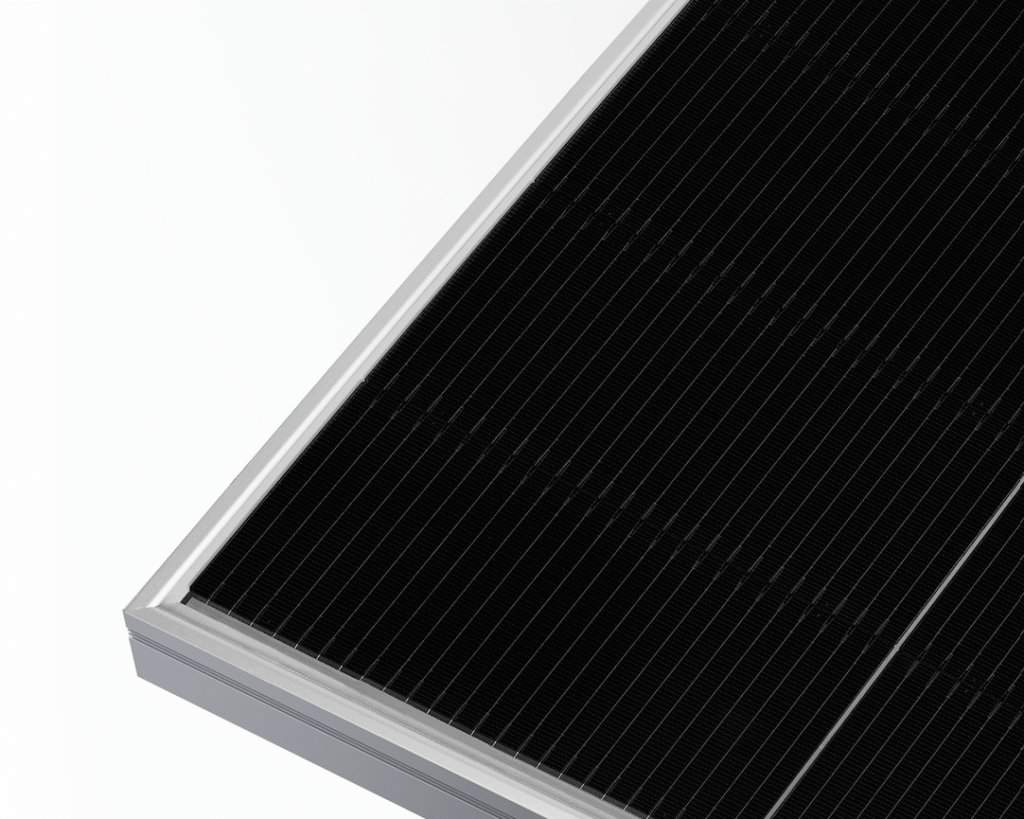
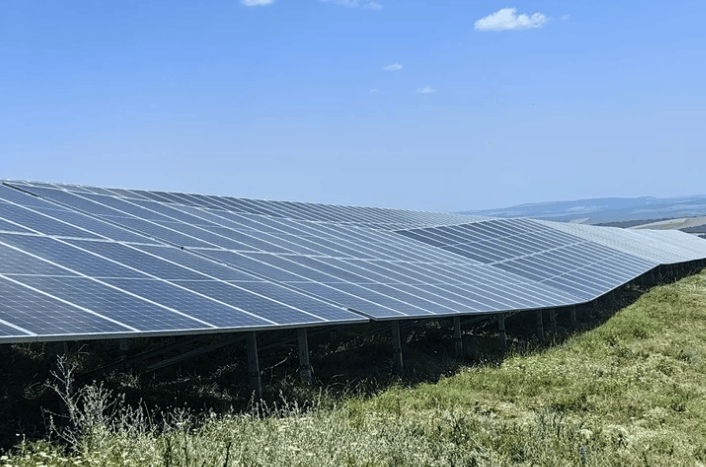
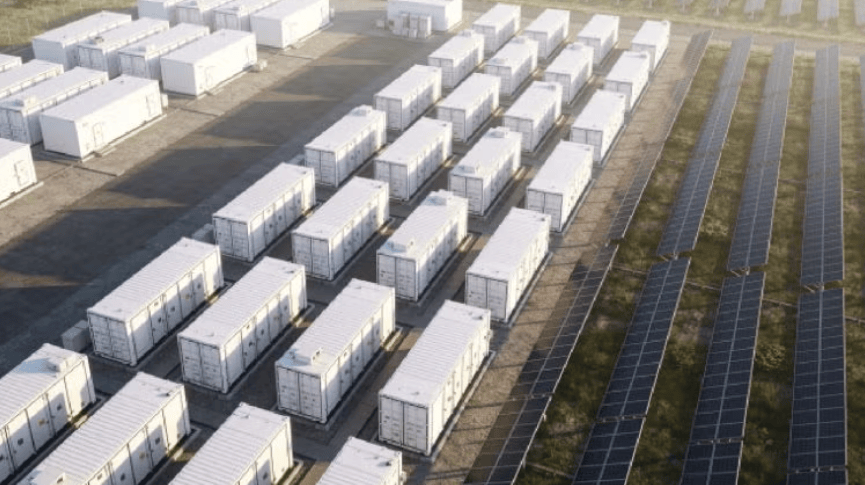
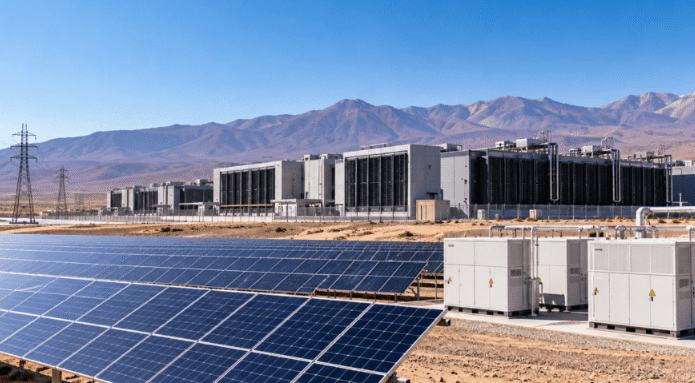
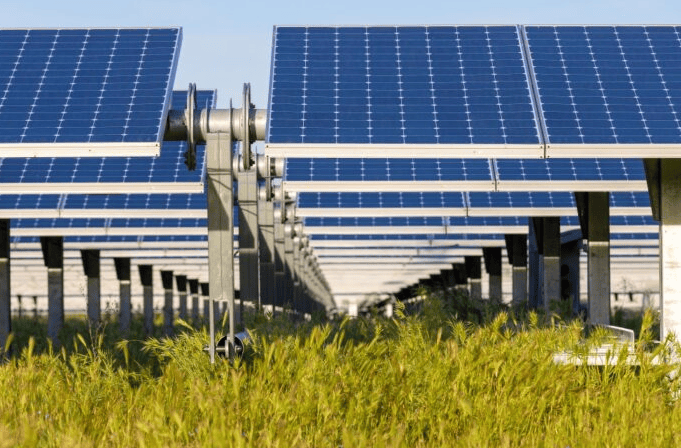
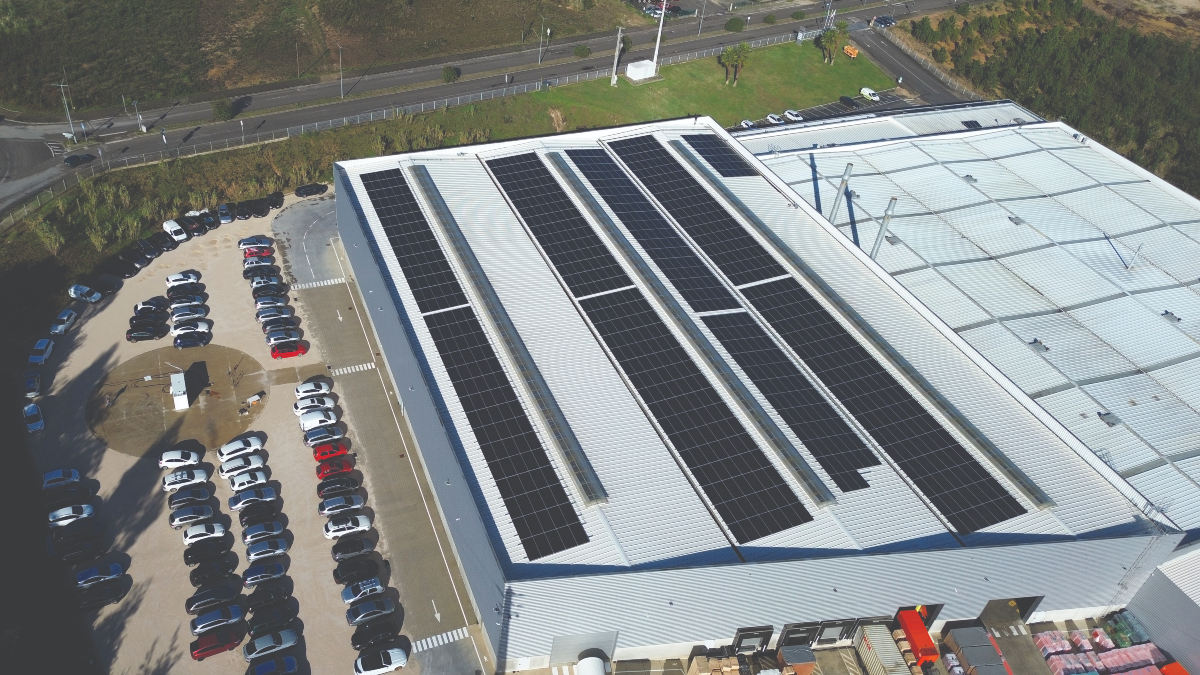
en.Wedoany.com Reported - Portuguese industrial company Grupel, in partnership with Prosolia Energy, has deployed a hybrid photovoltaic and battery storage system at the Grupel industrial site in Vagos, Aveiro. The system consists of 813 solar modules (totaling 500 kWp) and a battery system with a capacity of 645 kWh (maximum power of 300 kW), equipped with an intelligent management system featuring autonomous operation mode to increase the self-consumption ratio of self-generated electricity.
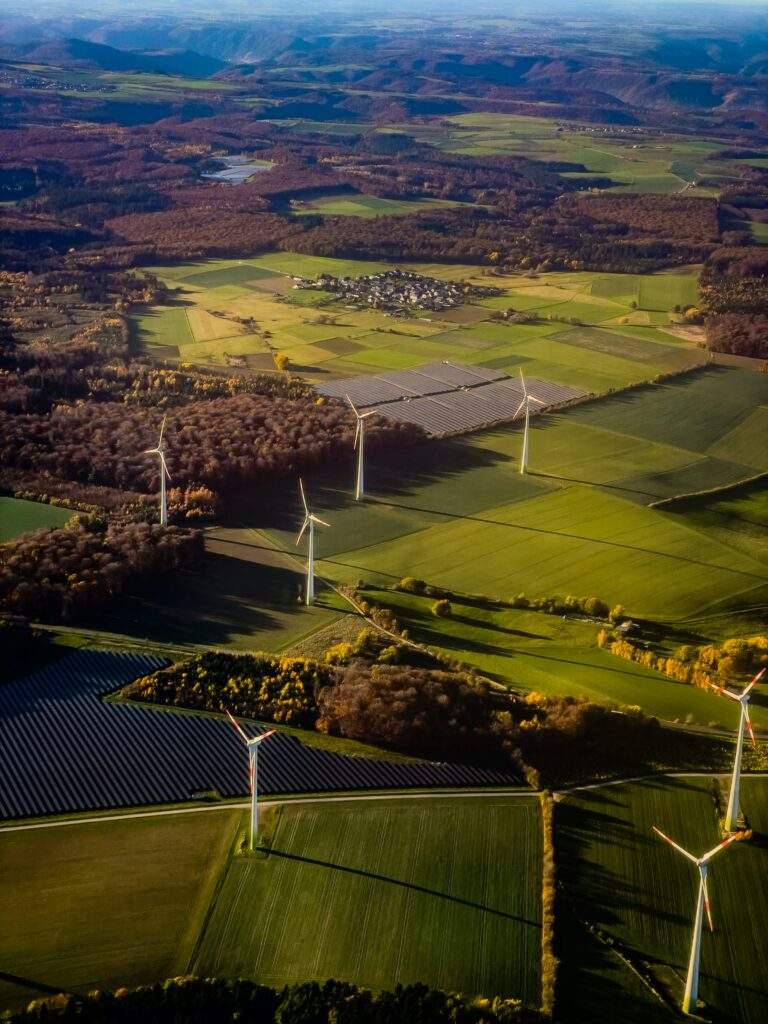
According to Pedro Silva, Prosolia's National Manager for Portugal, Grupel's goal is to develop into an Independent Power Producer (IPP) in the renewable energy business. On one hand, it designs large utility-scale power plants connected to the national public grid, selling electricity to the grid; on the other hand, it builds renewable energy plants at or near consumer locations, using Behind The Meter (BTM) connections to provide customers with self-consumed electricity, with plant types ranging from wind, battery, or hybrid configurations. Silva stated that it is crucial for Portuguese industry to move away from the public grid because "electricity is cheaper and not subject to grid fluctuations, market conditions, or political will."
The large-scale photovoltaic installation of this hybrid system captures energy during the day, which can be directly consumed by the factory or stored in lithium batteries, and released during peak demand periods or when solar generation decreases, thereby smoothing the load curve and maintaining autonomous operation of the industrial unit during grid failures. The system features real-time monitoring, automatic fault detection, and automatic fire suppression mechanisms, and supports island mode operation, meaning it can fully disconnect from the grid when necessary.
In terms of energy and environmental impact, the project is expected to generate 665.6 MWh of clean energy annually for the Grupel industrial site, reducing carbon dioxide emissions by 314 tonnes per year (equivalent to planting 1,945 trees). Silva also noted that current wholesale electricity prices in Portugal are low during sunlight hours, making the construction of a standalone photovoltaic plant of limited advantage; with the hybrid system, electricity price arbitrage can be achieved—storing surplus electricity for self-consumption or feeding it into the grid during periods of higher grid electricity prices, thereby generating economic savings.
The project aligns with the goals of Portugal's 2030 National Energy and Climate Plan. Regarding implementation barriers, Silva stated that "there are no obstacles; it was very easy to implement," but noted that some customers are concerned about fire risks and insurance issues associated with installing batteries inside buildings, although the batteries already offer outdoor installation options and modular design. He also stated that price remains the main issue, "prices have been falling, but they are still significantly higher compared to using photovoltaics alone."
The project demonstrates how the integration of solar energy and battery storage can enhance the energy efficiency of industrial buildings and the energy independence of units. Silva believes the system has become more "complete, intelligent, and resilient," and noted that future cities will transition from pure consumers to dual roles of both consumers and producers, requiring the establishment of bidirectional dynamic systems.
Related Products



714CD Series C-Band Weather Radar
Chengdu Zhongdian Jinjiang Information Industry Co., Ltd.
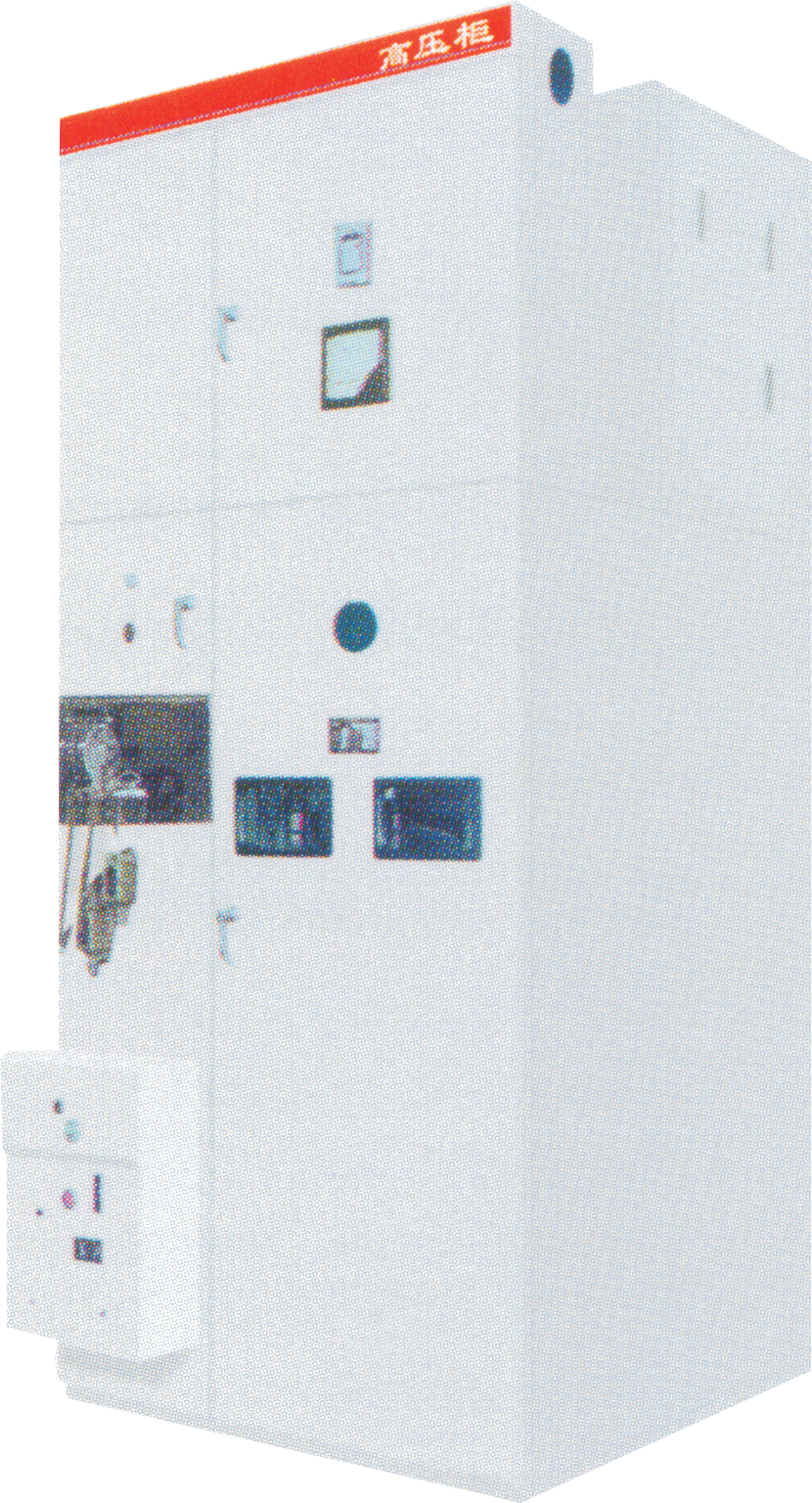
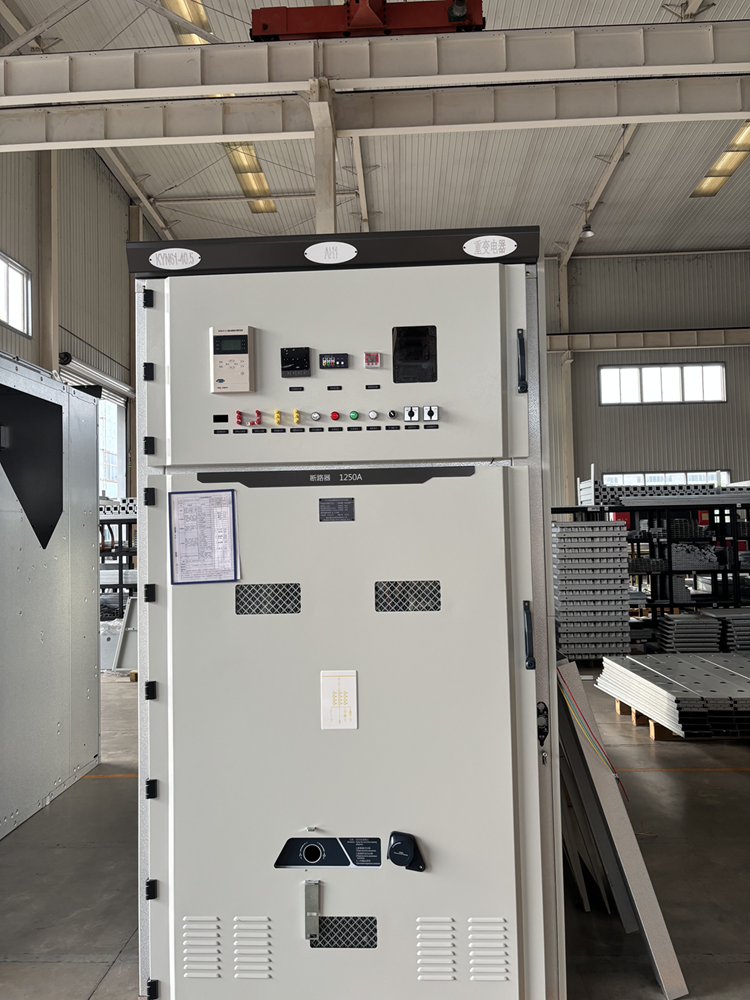
KYN61-40.5 Indoor AC Metal-clad Removable Switchgear
Chongqing Transformer Co., Ltd.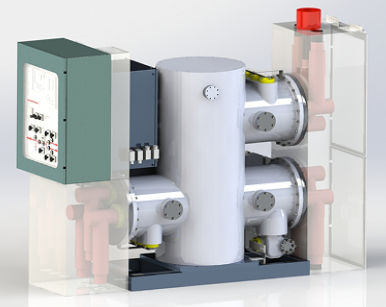
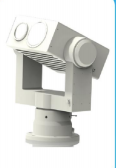
Forest and Grassland Heat Source Infrared Monitor
China Huayun Meteorological Technology Group Co., Ltd.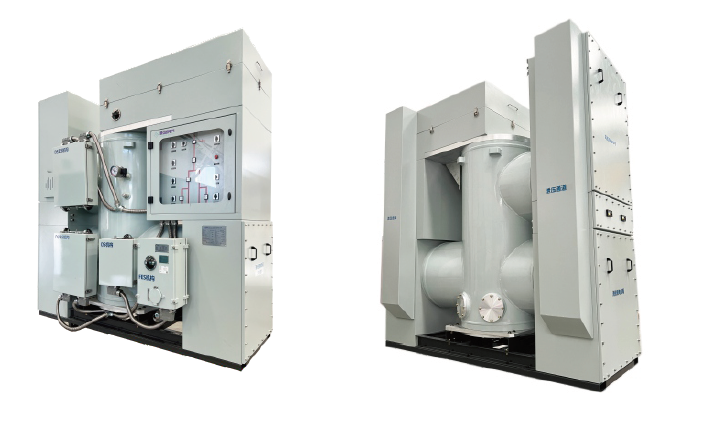
72.5kV 1250A 31.5kA SF6 free Gas-insulated Metal-enclosed Switchgear
Zhejiang Juhonkia Intelligent Electric Co., Ltd.