U.S. Stoke Space Develops Reusable Rocket Nova with 3,000 kg Low Earth Orbit Capacity
en.Wedoany.com Reported - Stoke Space is developing the Nova launch vehicle. Designed around 100% rapid reusability, both stages are recoverable after flight, amortizing production costs across multiple launches and reducing reliance on manufacturing new flight hardware. This enables missions to repeatedly use flight-proven rockets, providing frequent and cost-effective access to orbit.
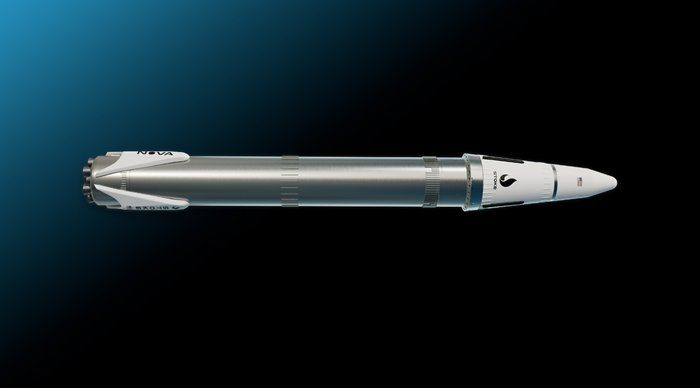
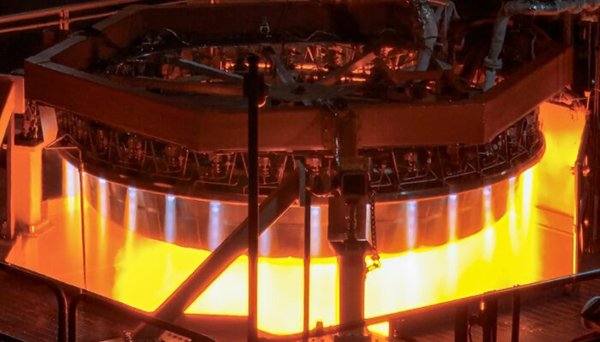
One of Nova's core technologies is the fully reusable second stage, which combines a liquid regeneratively cooled metallic heat shield with integrated LH2/LOX (liquid hydrogen/liquid oxygen) rocket engines. Compared to traditional ceramic thermal protection systems, this actively cooled metallic heat shield can withstand repeated atmospheric reentry and, through ductile materials and passive failure modes, offers enhanced robustness and reduced refurbishment requirements. The second stage also supports unlimited engine restarts, enabling flexible orbital maneuvers, direct injection into geostationary transfer orbit (GTO) and trans-lunar injection (TLI), as well as precise powered vertical landing.
In terms of orbital delivery and on-orbit operations, the Nova second stage architecture integrates multiple technologies. The fully reusable payload fairing provides a 180°×360° deployment hemisphere, and the vehicle design supports dynamic space operations such as rendezvous, capture, and repositioning. The second stage engine nozzle is approximately 10 times shorter than a conventional bell nozzle, yet still achieves deep throttling at atmospheric pressure. During reentry, Nova leverages its low ballistic coefficient to reduce velocity to below 100 m/s (224 mph) through aerodynamic drag before reigniting its engines for a controlled vertical landing.
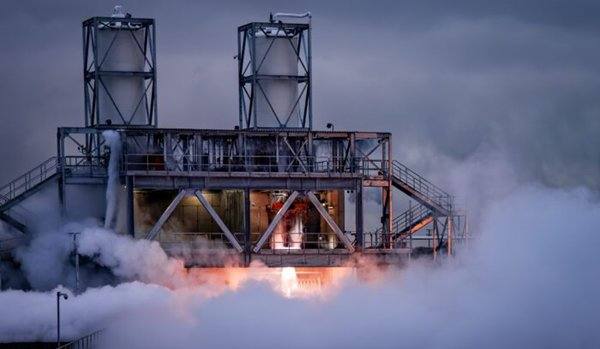
The second stage's Altair engine employs an expander cycle architecture, uses LH2/LOX propellant, integrates heat shielding, and delivers a specific impulse exceeding 425 seconds with thrust exceeding 25,000 pounds-force (lbf). Stoke Space states that liquid hydrogen offers a combined advantage in performance and thermal management capability, being approximately 30% more efficient than hydrocarbon fuels and offering five times the cooling capacity. In fully reusable mode, Nova delivers 3,000 kg to low Earth orbit (LEO), with a maximum LEO payload capacity of 7,000 kg; target capabilities also include 2,500 kg to GTO, 1,250 kg to TLI, and 800 kg to C3=0 orbit.
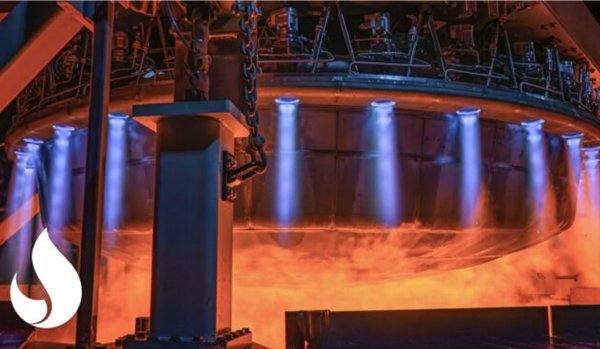
The first stage is powered by full-flow staged combustion (FFSC) LNG/LOX engines, designed for high performance, high efficiency, long life, and rapid reusability, with thrust exceeding 100,000 pounds-force (lbf) and a specific impulse of 345 seconds. In the Nova program, rapid reusability is treated as a fundamental component of the vehicle architecture rather than an add-on capability, with the company targeting turnaround times reduced from months to hours.
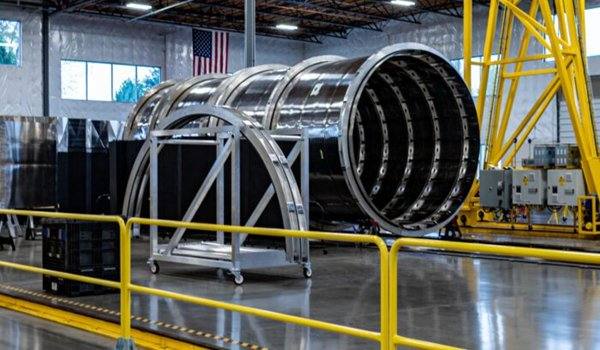
Stoke Space has vertically integrated Nova's design, manufacturing, development, and testing processes to accelerate iteration cycles. The rocket uses steel propellant tanks rather than carbon composite tanks, as the company believes steel's thermal properties, strength, and ductility are better suited to withstand repeated pressurization, thermal cycling, and mechanical stress. The company operates dedicated private test facilities near its vertically integrated manufacturing and development facilities for rapid testing and refinement of propulsion and rocket technologies.
Stoke Space is an American space company focused on developing fully reusable launch vehicles and space transportation technologies. Its flagship Nova system features reusable first and second stages, an actively cooled metallic heat shield, high-performance propulsion systems, reusable payload accommodation, and the ability to deliver payloads to orbit and return assets from space to Earth.
Related Products
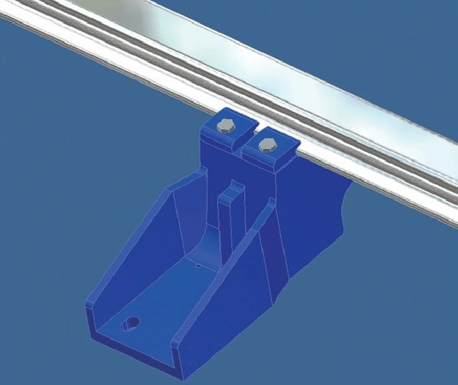

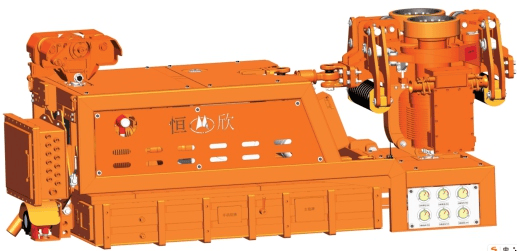
Explosion-proof lithium battery dispatching monorail crane locomotive (permanent magnet frequency conversion integrated machine)
Xiangtan Hengxin Industrial Co., Ltd.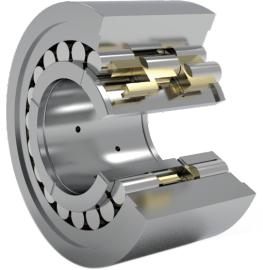
![IVECO Cash-in-Transit [DMT5048XYCL3-AM] - Chongqing Dima Industry Co., Ltd](https://img.wedoany.com/2026/0911/20260911030157582.png)
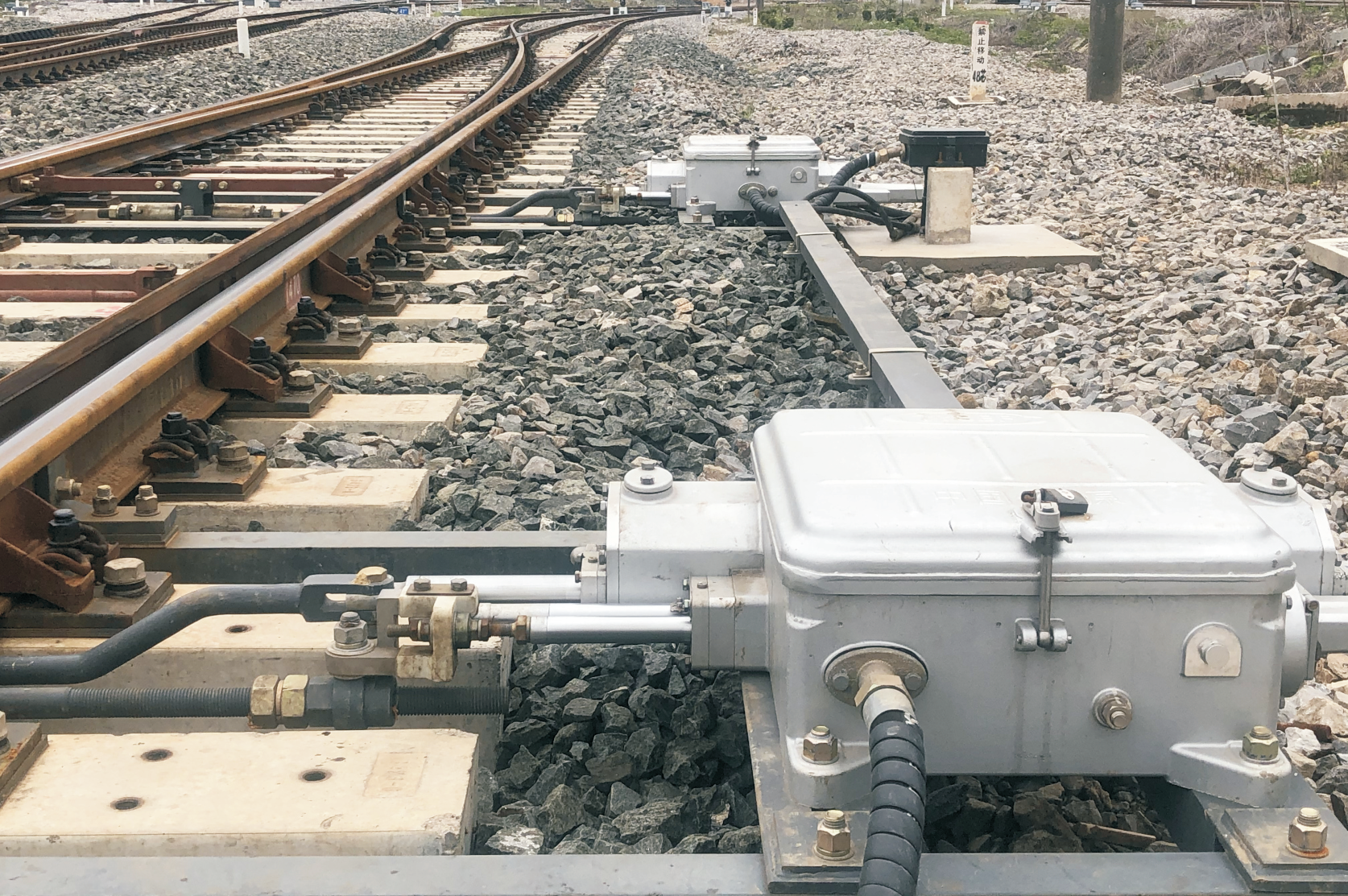
ZY(J)7(M) Sealed Type Electro-Hydraulic Turnout Machine
TAIYUAN CR JINGFENG EQUIPMENT TECHNOLOGY CO., LTD.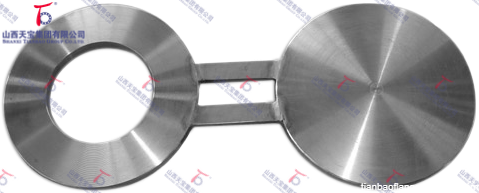
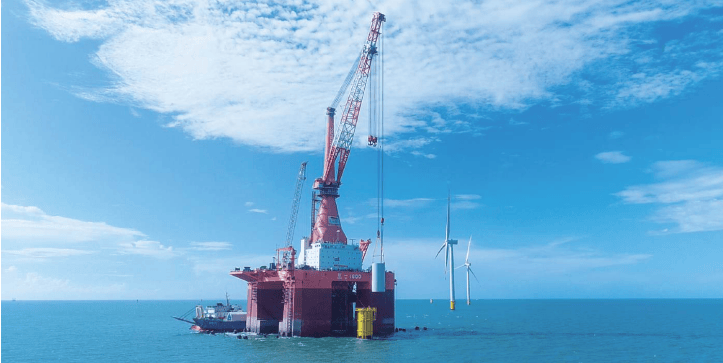
"Shunyi 1600" Deep-submerging Bottom-sitting Multi-functional Wind Power Engineering Vessel
Zhengli Offshore Engineering Co., Ltd.