Brazil's Sabesp Expands Sewage Treatment Plant, Boosting Capacity to 6,200 Liters per Second
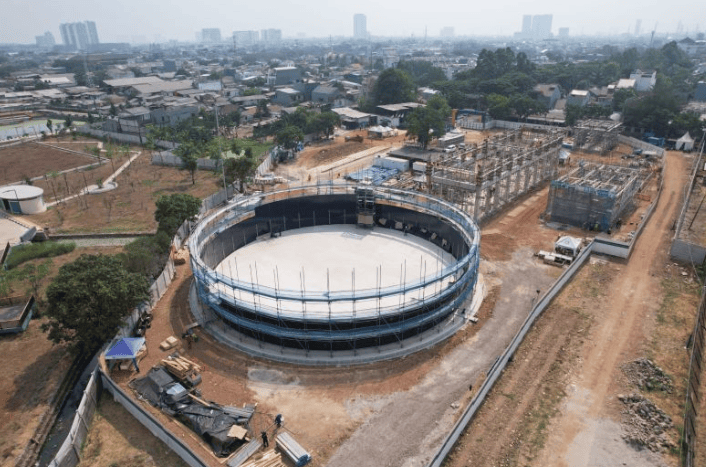
en.Wedoany.com Reported - Sabesp is expanding the Parque Novo Mundo Sewage Treatment Plant (ETE Parque Novo Mundo) in the northern zone of São Paulo. After modernization, the plant's treatment capacity will increase from 2,500 liters per second to 6,200 liters per second, a rise of nearly 150%.
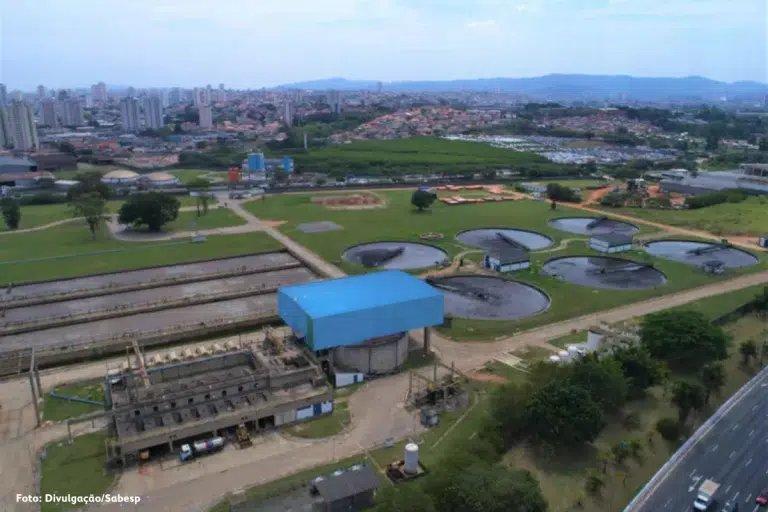
The plant is one of the largest sewage treatment facilities in Latin America. This expansion is part of a series of Sabesp projects that will connect sewage from over 2 million people in the Greater São Paulo metropolitan area to the treatment system, aiming to restore water quality in rivers and streams and improve residents' health and quality of life.
In surrounding communities, the change is already visible in daily life. Jozilene Ribeiro da Silva, a resident of Parque Novo Mundo, said that in the past she had to wait in long lines to fetch water for cooking; now she has her own water supply and sewage system, with water flowing from the tap and bills issued in her own name—her family's life has been completely transformed.
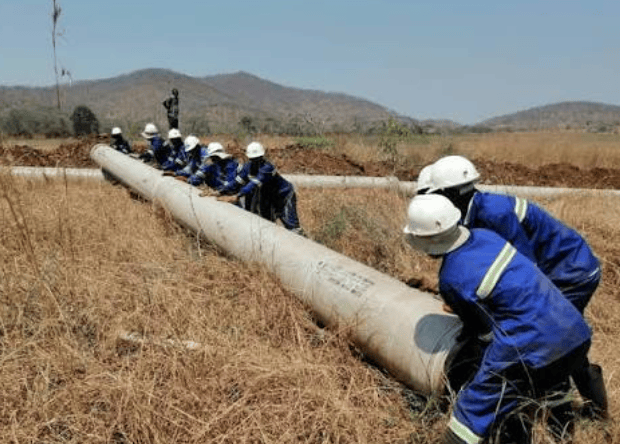
To ensure all sewage reaches the treatment plant, Sabesp is also expanding the collection network that connects homes to the facility. In the city of Guarulhos, new pipelines are covering different areas to channel sewage to the plant, which will also help restore local streams and rivers. Marco Nóbrega, a resident of the Nova Conquista neighborhood, recalled that the community previously suffered from water shortages and open sewage discharge, with health stations always crowded; after the network connection, residents gained access to clean water and treated sewage services at an affordable cost.
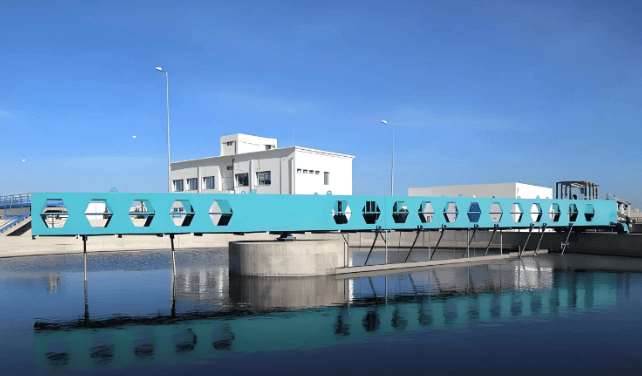
All expansion work is being carried out within the existing plant footprint, with no additional land acquisition. Given the area's high population density, utilizing existing structures avoids occupying new space and reduces environmental impact on the surroundings. Sabesp is modernizing every stage of the treatment process, adopting more compact and efficient technologies, including a new biological treatment system to handle larger volumes of sewage. These improvements also enhance operational safety, reduce equipment maintenance needs, and increase overall system efficiency.
Related Products
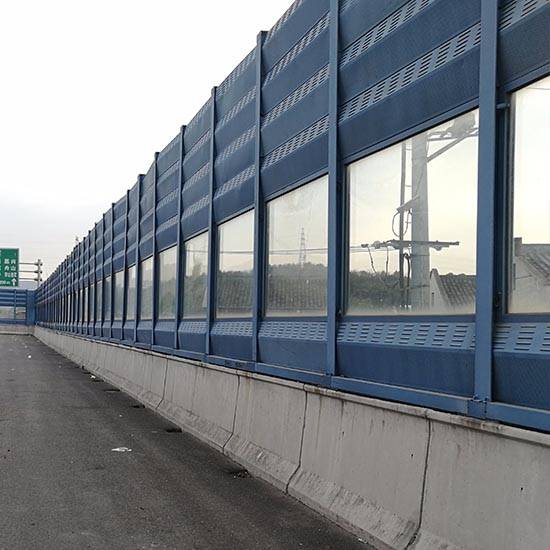

Metal sound barriers that can reduce the transmission of road noise
Hebei Jinbiao Construction Materials Tech Corp., Ltd.
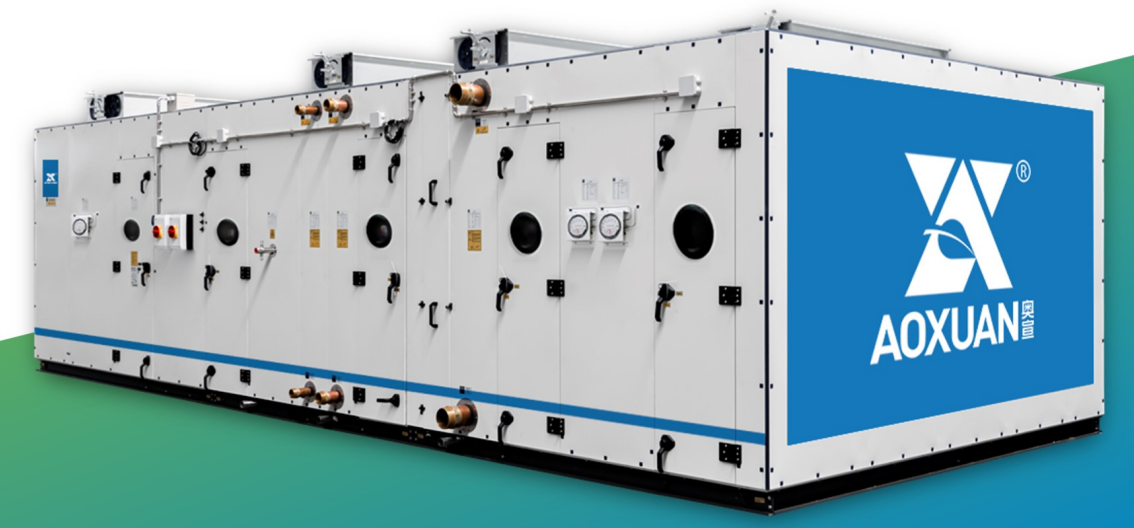
Aoxuan Intelligent Precision Air Conditioning Unit
SHANGHAI AOXUAN PURIFICATION TECHNOLOGY CO., LTD.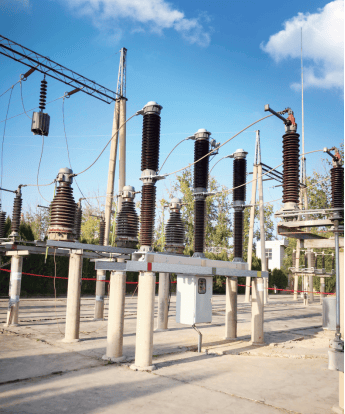
145kV Porcelain Column Type Sulfur Hexafluoride Circuit Breaker
TBEA ZONFA Shanghai High Voltage Switchgear Co., Ltd.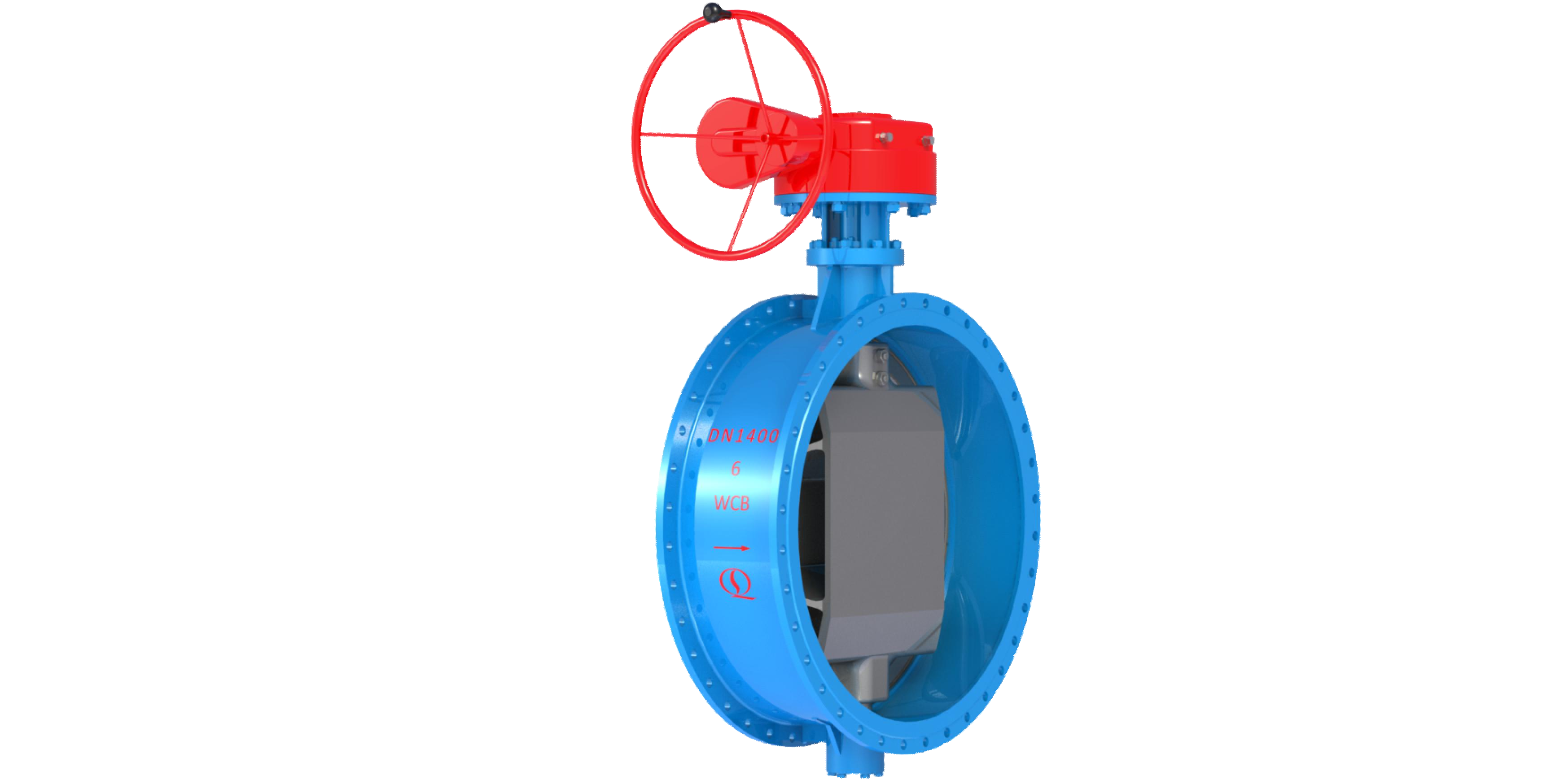
Bidirectional Metal Hard Sealed Seawater Butterfly Valve
Henan Quanshun Flow Control Science & Technology Co., Ltd.

Acoustic Mineral Fiber Ceiling Tile 595x595x12mm
Shanxi Pano Trading Co., Ltd
YHTank8400N Solvent-Free Liquid Epoxy Coating
JIANGSU YUNHU NEW MATERIAL TECHNOLOGY CO., LTD.