Texas A&M University Receives $1 Million Grant to Develop Microrobots for Recovering Lithium from Seawater
en.Wedoany.com Reported - A research team at Texas A&M University is exploring the use of miniature fish-like robots to recover lithium from seawater, a technical approach that could offer battery and energy storage manufacturers a new supply option. The project has received $1 million in funding from the U.S. Department of Energy, making it one of 19 federally funded programs aimed at expanding domestic access to critical minerals and reducing supply chain risks.

The proposed technology does not rely on fixed membranes or large stationary treatment systems, instead employing movable micron- and nano-scale particles. These particles can move through seawater and interact directly with lithium ions. External energy sources, such as light, are used to activate the particles, and after capturing lithium, the material can be collected via magnetic fields, with the principle allowing for reuse in subsequent extraction cycles.
Currently, commercial lithium is primarily sourced from hard rock deposits or concentrated underground brines, with resources highly concentrated in a few regions, raising supply and geopolitical concerns for battery manufacturers, automakers, and energy storage companies. Although seawater offers a vastly larger theoretical resource base, its lithium concentration is extremely low and accompanied by large amounts of dissolved minerals such as sodium and magnesium, requiring extraction systems to be sufficiently selective to avoid excessive energy, material, or processing demands. If the particles also collect competing ions or require frequent replacement, recovering small amounts of lithium from large volumes of seawater would quickly become uneconomical.
The Texas A&M team will focus on whether mobility can improve contact between extraction materials and lithium ions. Particles moving through water may reduce reliance on extensive pumping equipment or permanent offshore infrastructure, though this potential advantage remains to be validated under real ocean conditions. The research is co-led by Shiren Wang from the Department of Industrial and Systems Engineering and Jingjing "Jenny" Qiu from the Department of Mechanical Engineering, with work spanning nanorobotics, materials engineering, and marine system testing.
The project remains in its early research stage. The team plans to test lithium selectivity, material durability, and particle performance across multiple extraction cycles, and determine whether these microscopic materials can reliably recover lithium from water. Particle loss could drive up operational costs and raise environmental concerns, particularly if systems are deployed across large ocean areas. Commercialization will also require addressing other issues, including the energy needed to activate and recover the robots, manufacturing costs, resistance to saltwater corrosion, and the infrastructure required to process captured lithium.
Even if the system proves technically successful, it will still need to compete with established mining and brine extraction operations. The ultimate measure of success is not just how much lithium the robots collect, but also unit cost, energy consumption, recovery rates, and environmental impact. The researchers aim to develop a continuous process that allows materials to be recovered and reused multiple times, with work encompassing lithium recovery characterization, larger-scale performance testing, and assessment of potential environmental impacts.
For battery and clean energy companies, this project is not yet a near-term substitute for conventional lithium production. However, it reflects a shift in federal critical mineral funding from traditional mining projects toward technologies that could diversify future supply. If the team can address particle control, durability, and economic viability, mobile extraction systems could eventually complement existing lithium resources. Until then, the core test lies in whether microrobots can recover enough lithium to support the economic feasibility of ocean-scale operations.
Related Products

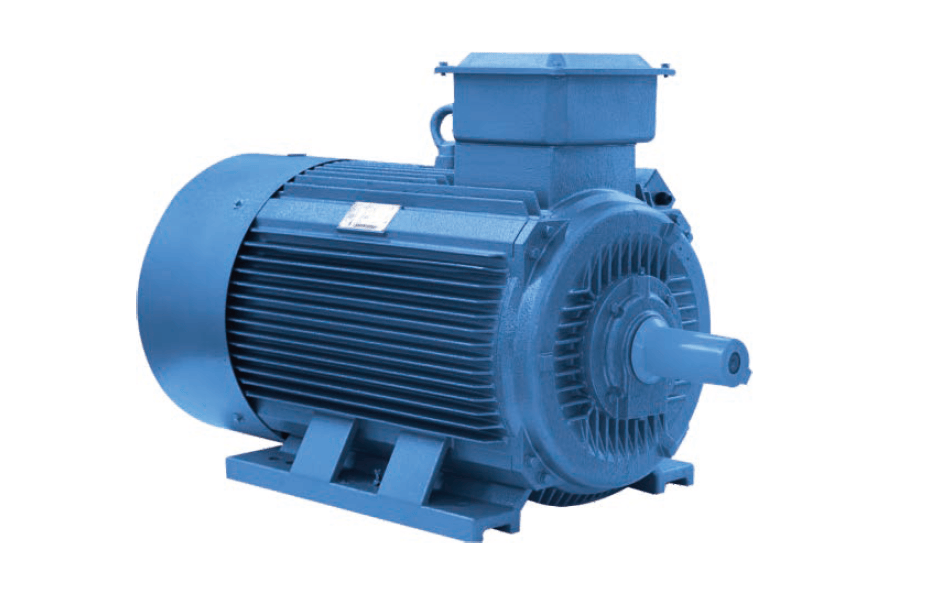
TYC Series High-Efficiency Permanent Magnet Synchronous Motor
Xiangdian Smart Energy Technology Co., Ltd.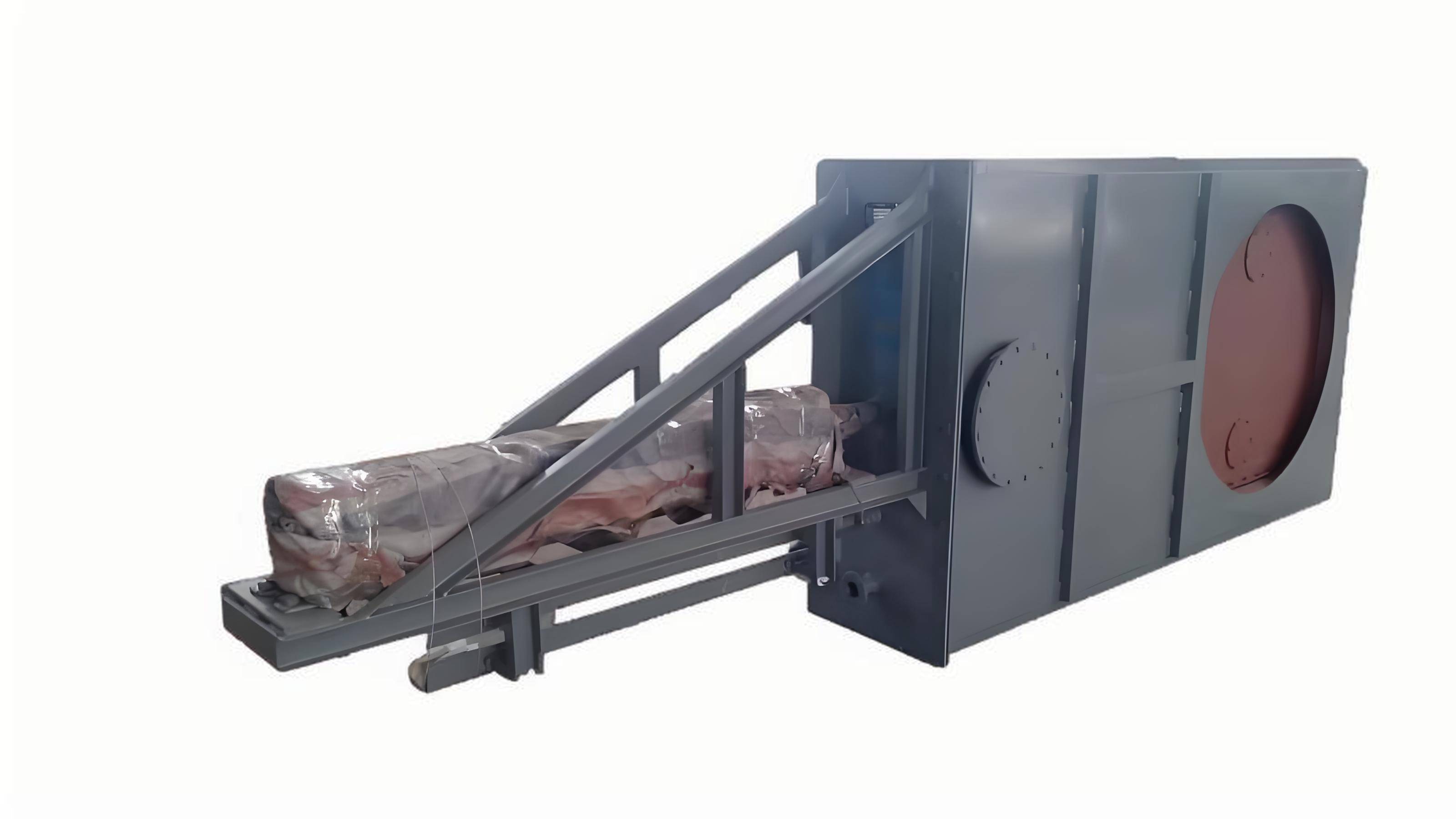
Double-slide Triple-sealed Hot Air Isolation Door
Xi'an Yingchuan Electric Power Equipment Co., Ltd.

HI-Pro Green Hydrogen High-efficiency Production System-HI-PRO-AEM
Hydrizon Technology (Beijing) Co., Ltd.
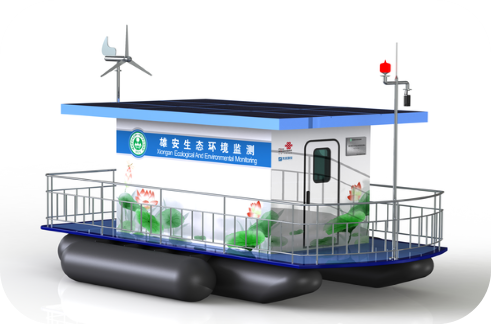
Floating Boat Water Quality Automatic Monitoring System
Hebei Sailhero Environmental Protection High-tech Co., Ltd.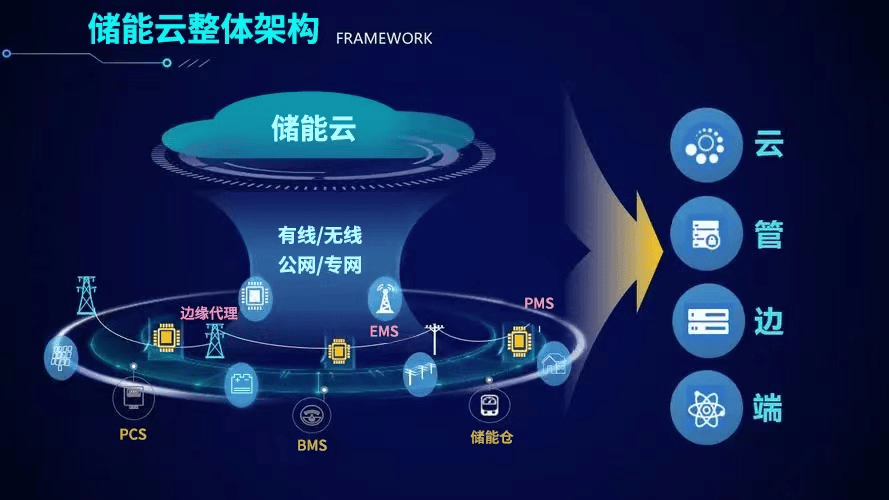
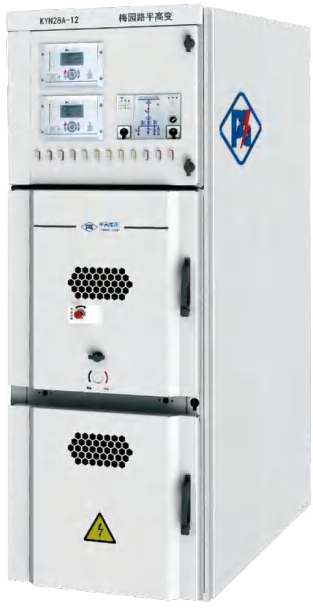
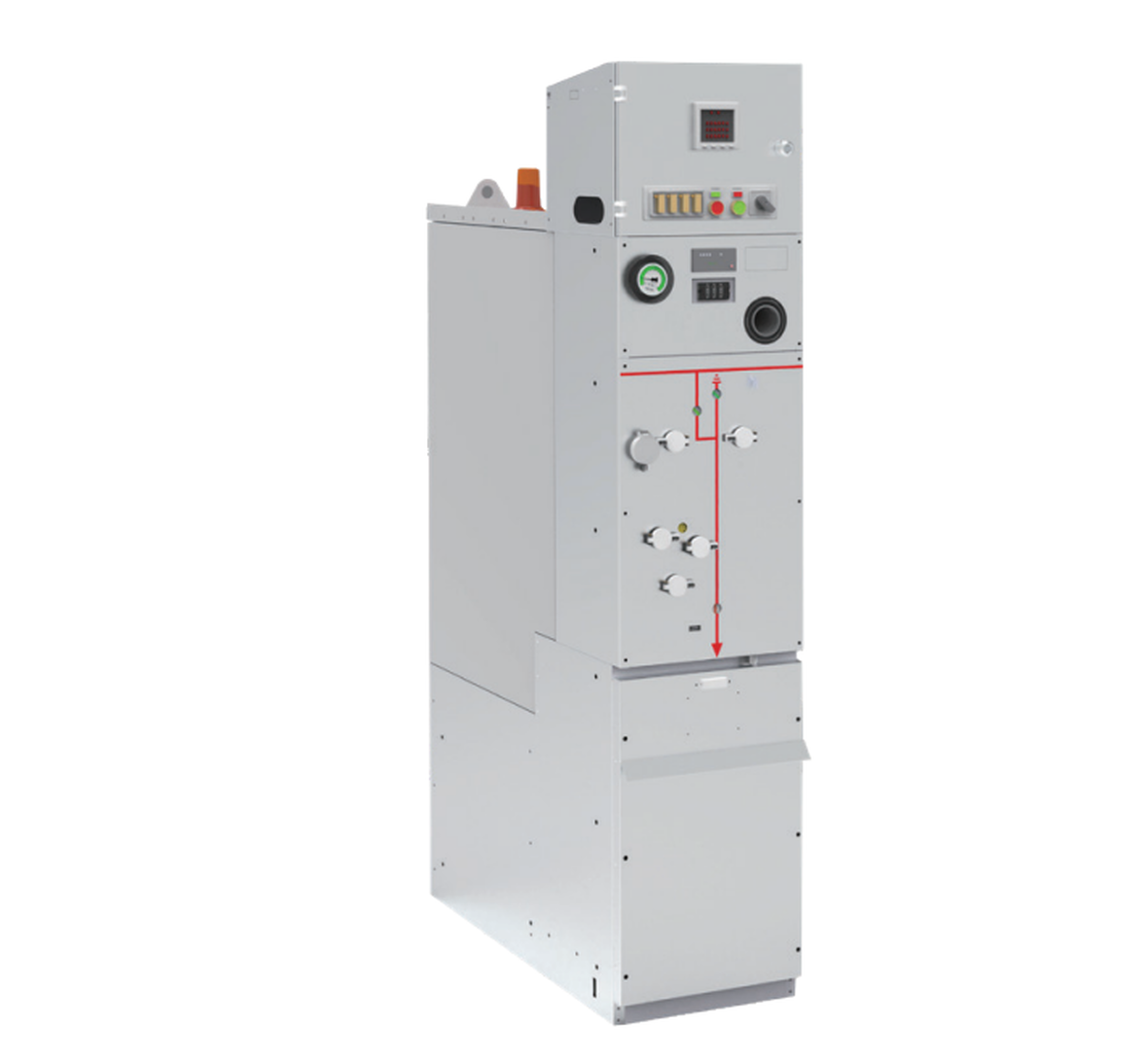
KYN28A-12 Metal Armored Removable Switchgear
Tianjin Ping Gao Intelligent Electric Co., Ltd.