California Battery Storage Capacity Surpasses 21,000 Megawatts
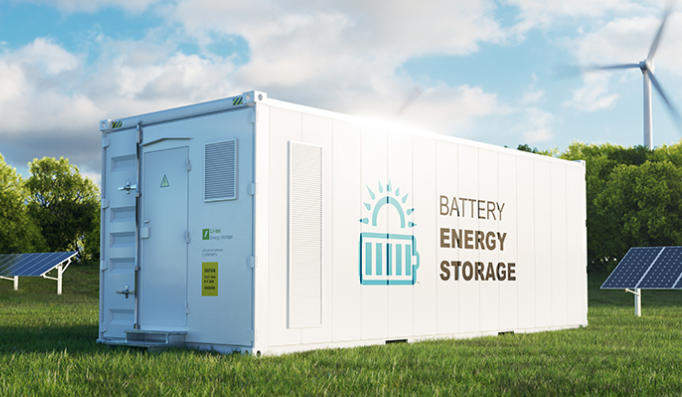
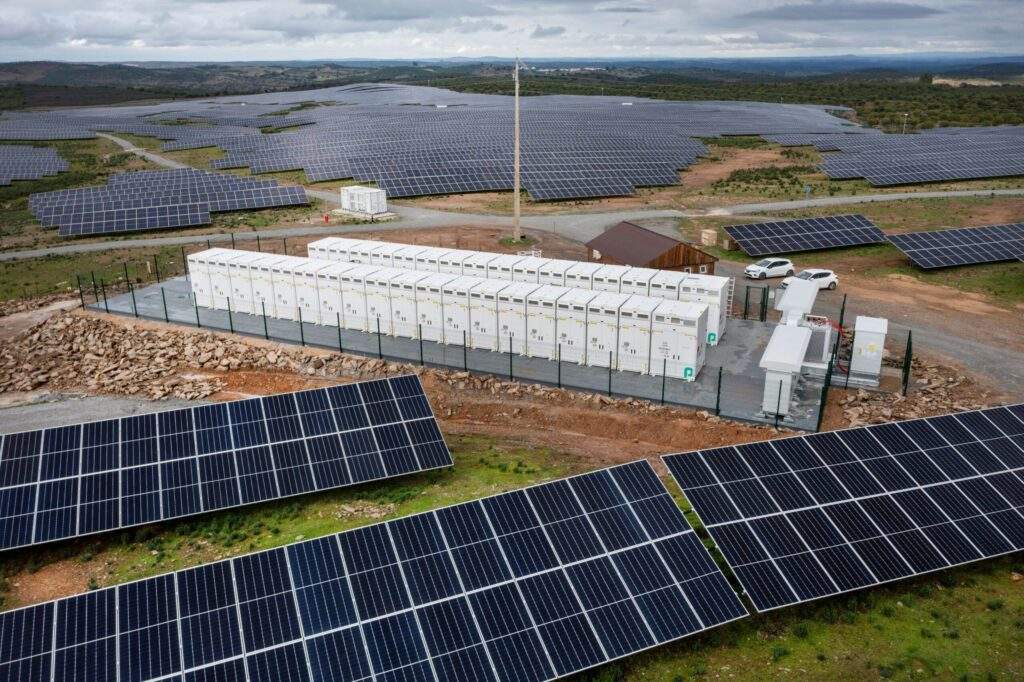
en.Wedoany.com Reported - Battery energy storage capacity on California's grid has surpassed 21,000 megawatts (MW), with an exact figure of 21,112 MW. According to the latest data released by the California Energy Commission (CEC), the state's battery storage fleet now ranks among the largest in the world.
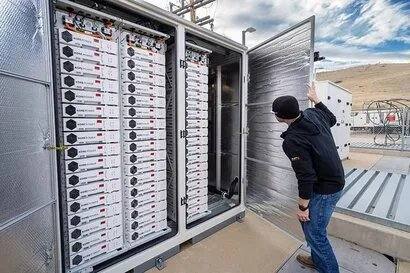
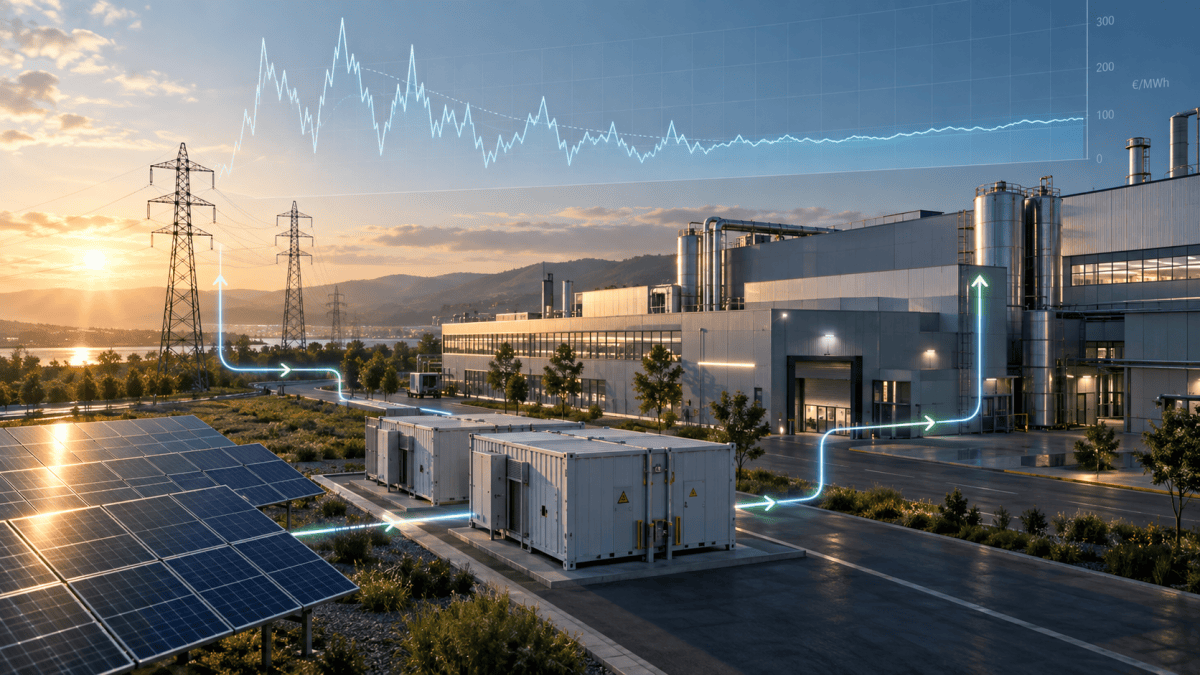
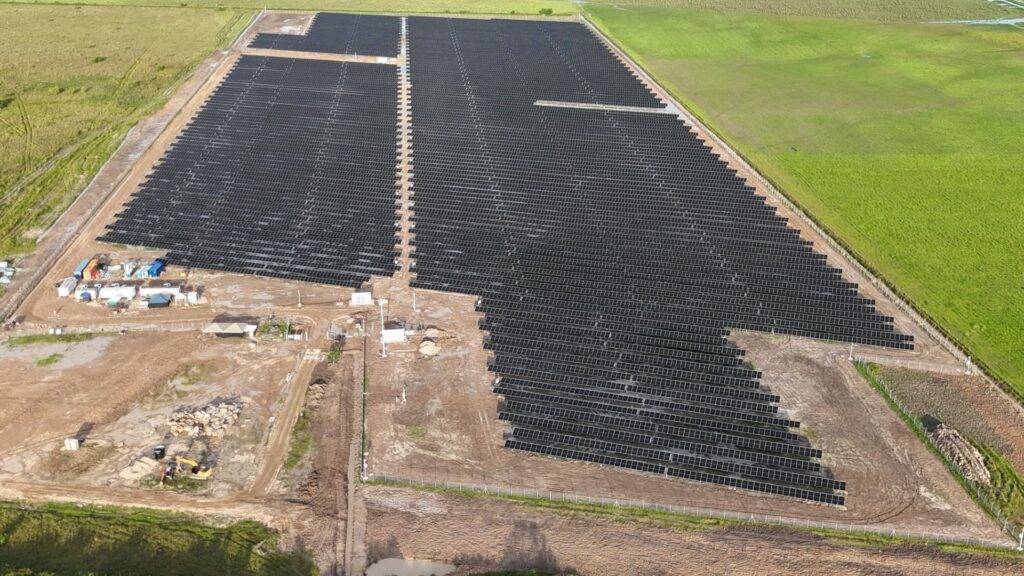
The operating logic of these facilities is to store surplus electricity generated during the peak solar output hours of the day and discharge it back to the grid in the evening when electricity demand remains high, thereby reducing reliance on natural gas generation and enhancing grid reliability.
This scale was unimaginable less than a decade ago. When Gavin Newsom took office as Governor of California in 2019, grid-side battery storage stood at under 700 MW; today, total capacity has reached 21,112 MW, an increase of more than 2,500% over seven and a half years. For reference, during the September 2022 heat wave, California's peak demand exceeded 63,000 MW, and the existing battery storage is equivalent to roughly one-third of that peak demand.
Newsom cited this figure while announcing a new zero-emission vehicle (ZEV) rebate program aimed at lowering costs for residents. In his statement, he said California is offering a better alternative than burning more expensive fossil fuels, including instant rebates for first-time EV buyers and battery facilities that have just surpassed 21,000 MW; he called the latter the largest in the nation, powering the world's fourth-largest economy, and contrasted its trajectory with the fossil fuel agenda of Donald Trump's administration.
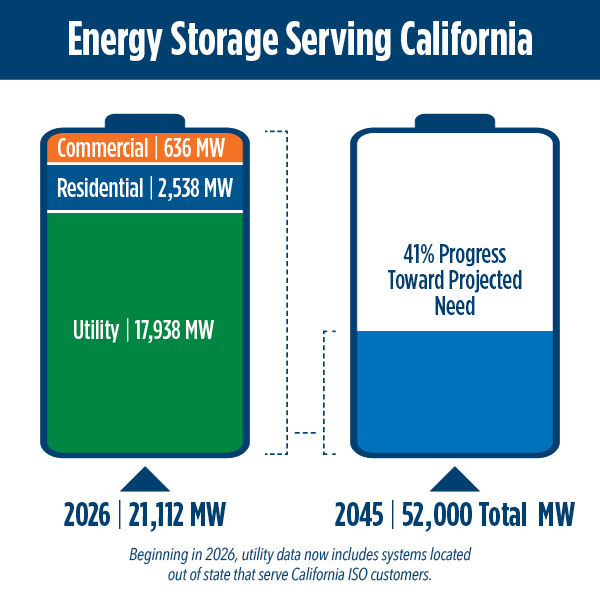
Of the 21,112 MW total, nearly 16,000 MW comes from 310 utility-scale battery systems within California; approximately 2,000 MW comes from utility-scale battery facilities in Nevada and Arizona. All of these resources are connected to the grid operated by the California Independent System Operator (CAISO), which serves about 80% of California's population. The remaining roughly 3,000 MW is provided by more than 300,000 small battery systems installed at homes, schools, farms, businesses, and industrial facilities, which can serve as backup power during outages, store rooftop solar for later use, and relieve stress on the grid during peak demand periods.
Before the large-scale deployment of batteries, California relied primarily on natural gas power plants to rapidly ramp up output during the afternoon-to-evening peak demand hours, precisely when solar generation was declining. Today, batteries have progressively taken on this peaking role. In the first half of 2026, Californians used more electricity from solar than from natural gas for the first time.
California's battery fleet leads not only in scale but also in storage duration. Texas has a total battery capacity close to California's, but its systems are mostly designed for two-hour or shorter discharge durations; California is dominated by four-hour duration battery systems, with a discharge duration roughly twice that of Texas's battery fleet.
Clean energy investment has also driven job growth. A 2025 report shows that California's clean energy workforce numbers 552,300, nearly double that of Texas, which ranks second; in 2024, the state's clean energy workforce grew by nearly 7,300 net jobs, at a rate roughly three times the employment growth of California's other economic sectors. Falling costs have also supported renewable energy expansion: over the past 25 years, solar prices have dropped 97%, from $5 per watt in 2001 to 15 cents per watt in 2025; lithium-ion battery prices have fallen by more than 90% over the past decade.
California projects that, as transportation, buildings, and industrial operations continue to electrify, it will need more than 52,000 MW of battery and long-duration storage by 2045; by the latest accounting, current progress stands at approximately 41% of the target. As of the end of 2024, 67% of the state's retail electricity sales came from clean energy. On the CAISO grid, clean energy met 100% of grid demand for at least part of the day on 279 days last year; in the first half of 2026, the CAISO grid achieved this goal on 92% of days.
To accelerate project deployment, the California Energy Commission's "Opt-In Certification Program" has approved 1,850 MW of battery storage and 1,450 MW of solar generation projects over the past year, with more than 3,000 MW currently in the queue, and the pipeline continues to grow. These projects are subject to CEC environmental and safety reviews and include benefit arrangements for the communities where the projects are located.
Related Products
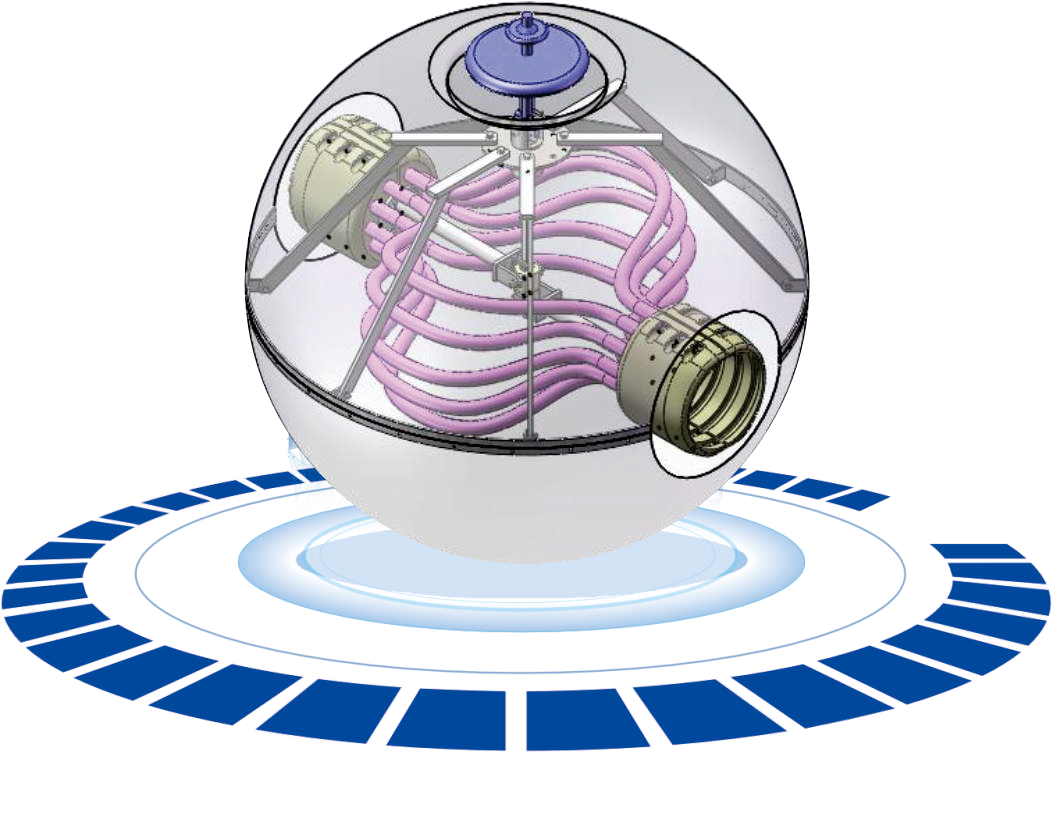

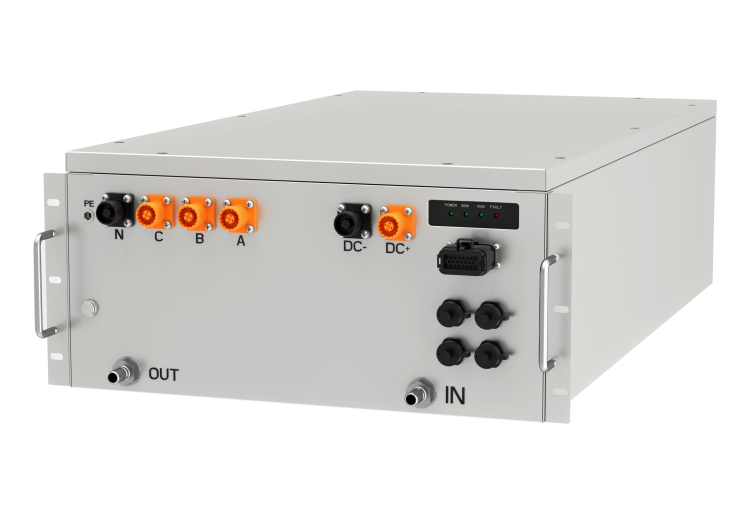
Mars (Liquid Cooling) Series Industrial and Commercial Energy Storage Converter High Protection Module
Shenzhen Winline Technology Co., Ltd.
CAP1400 main feedwater flow nozzle flowmeter.
Jiangsu Hongda Instrument Technology Co., LTD.
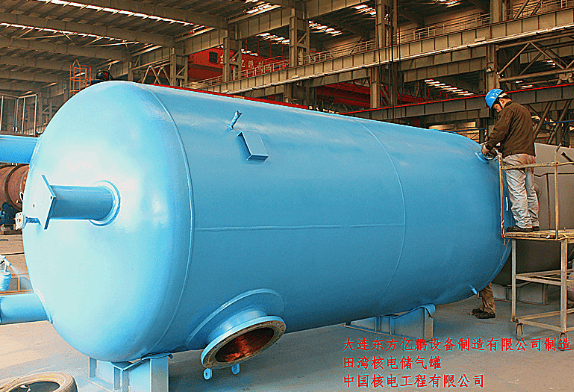
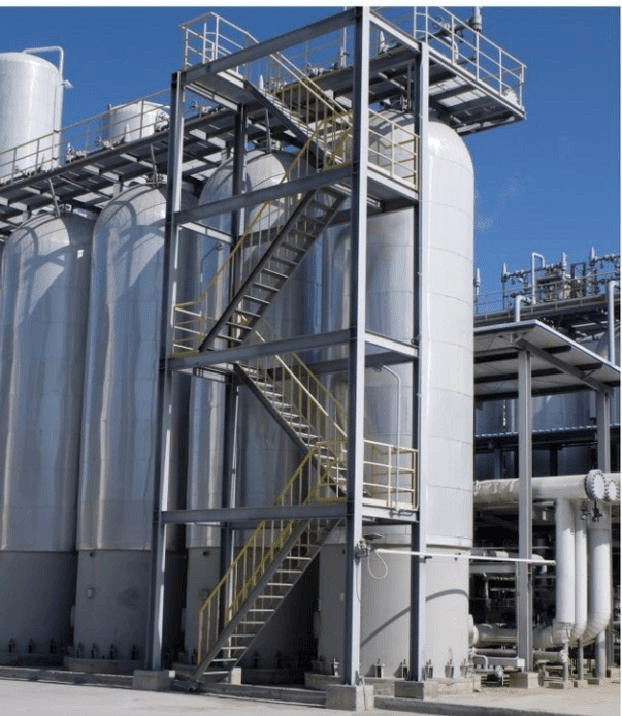
Hydrogen Production Technology: Hydrogen Purification by Pressure Swing Adsorption
Chengdu Yizhi Technology Co., Ltd.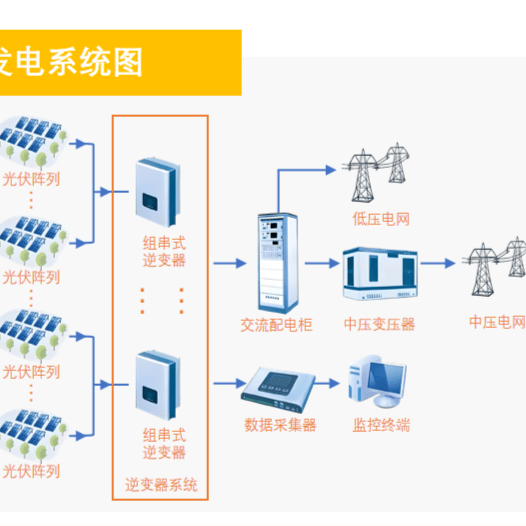
Photovoltaic and Wind Power Generation Technology
Beijing Boqi Electric Power SCI-TECH Co., Ltd.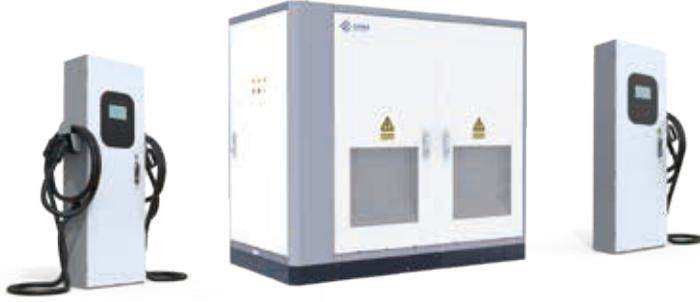

Pneumatic high-pressure wear-resistant ball valve
Zhejiang Deca Control Valve Meter Co., Ltd.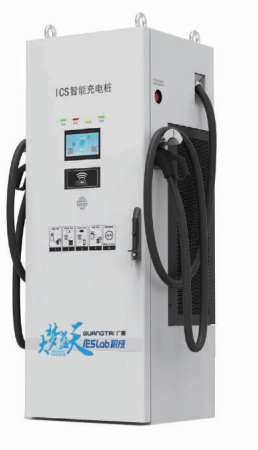
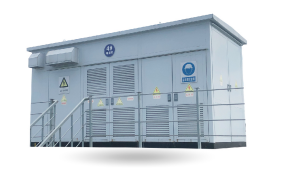
Smart Photovoltaic Prefabricated Substation
Shanghai Jinyou Jinhong Intelligent Electric Co., Ltd.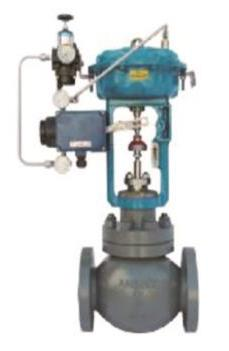
Quick-Change Single-Seat Control Valve / Quick-Change High-Pressure Single-Seat Control Valve
Beijing Consen Automation Technology Co., Ltd.