Norway's Enova Funds Windeed for Low-Cost Floating Wind Feasibility Study
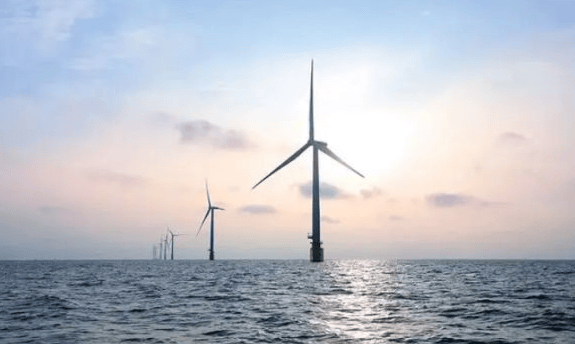
en.Wedoany.com Reported - Enova, Norway's energy transition agency, has awarded funding to Windeed AS to conduct a feasibility study assessing whether its floating offshore wind foundation technology can advance to full-scale demonstration.
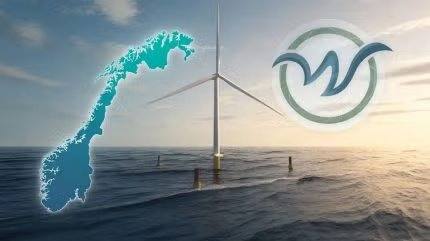
This funding propels Windeed's development plan to the next stage. A previous independent assessment by BVG Associates indicated that the technology has the potential to achieve a levelized cost of energy lower than that of conventional floating wind systems. Windeed will advance this study together with Norwegian engineering group Aibel, construction company AF Gruppen, and other industrial and research partners, examining how the technology can be manufactured, transported, installed, and operated leveraging the Norwegian supply chain.
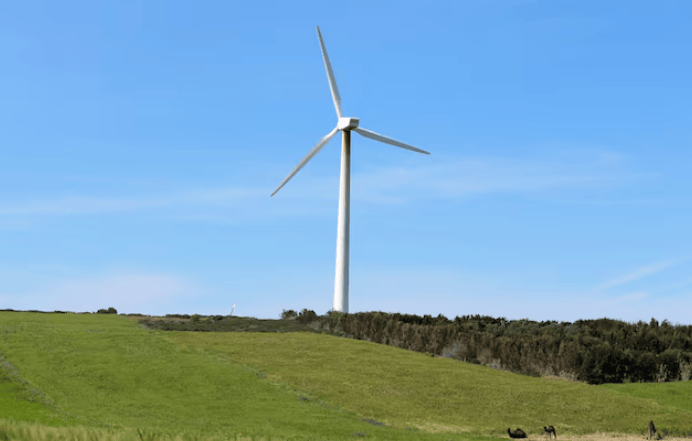
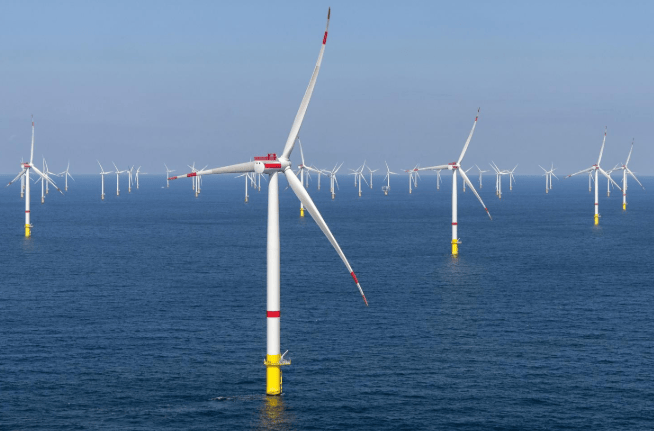
Large wind turbines on floating foundations have already been proven for offshore power generation; the current challenge lies in reducing costs to a level where they can compete in the market without long-term government support. Windeed's foundation concept focuses on reducing material usage and simplifying manufacturing and installation, targeting the cost-intensive elements of floating wind projects while seeking to reduce dependence on specialized ports and offshore construction vessels.
Oskar Gärdeman, Head of Offshore Wind at Enova, stated that floating offshore wind is a key technology for meeting future fossil-free energy demand, and that the industry needs technologies capable of disrupting established approaches and significantly reducing costs, describing Windeed's technology as "particularly promising."
This feasibility study will evaluate the floating foundation within the full project chain rather than as an isolated component. Engineering, manufacturing, assembly, logistics, installation, operations, lifecycle performance, and risk are all within scope. Bertil Moritz, CEO of Windeed, stated that if floating wind is to play a significant role in Europe's future energy system, it must achieve commercial competitiveness. Whether the cost advantage can translate into industrial projects and what role Norwegian companies can play are key focuses of this study.
The project also holds industrial significance for Norway. The country possesses deep offshore engineering and maritime expertise and is seeking new export directions as the energy system transitions away from fossil fuels. Moritz believes Norway "has a unique opportunity to take a leading position in floating offshore wind," and noted that the project will explore how innovative design and industrial collaboration can enhance the technology's competitiveness and scalability.
If the feasibility work confirms the technology's commercial prospects, the subsequent path points toward a full-scale demonstration in Norwegian waters, ultimately paving the way for larger floating wind projects.
Related Products

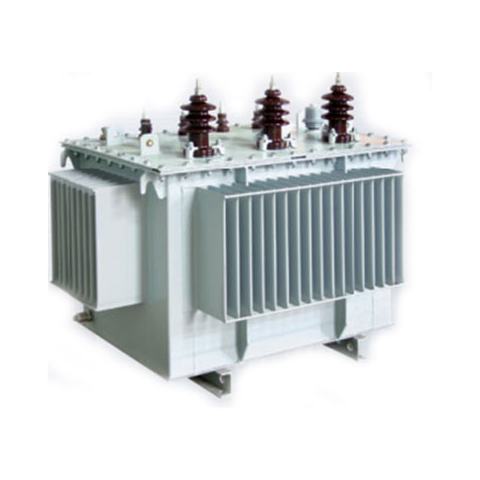
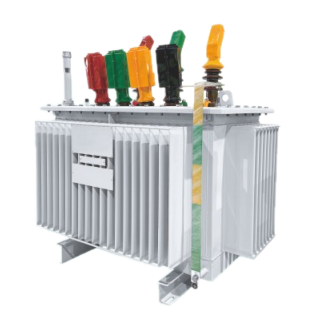
IS(B)□-M·RL Series Oil-immersed 3D Transformer (Planar / 3D Wound Core)
Guangdong Kehua Electric Power Technology Co., Ltd.

Off-Grid Fuel Cell Supercharging Station (180kW Configuration)
Shanghai REFIRE Group Limited


CAP1400 main feedwater flow nozzle flowmeter.
Jiangsu Hongda Instrument Technology Co., LTD.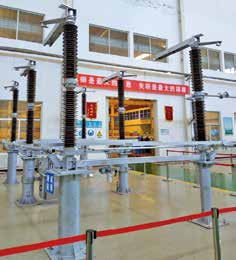
GW4-40.5/72.5/126/145/170/252/363/420 Series Double-column Horizontal Rotary High-voltage AC Disconnect Switch
SHANDONG TAIKAI DISCONNECTORS CO., LTD.