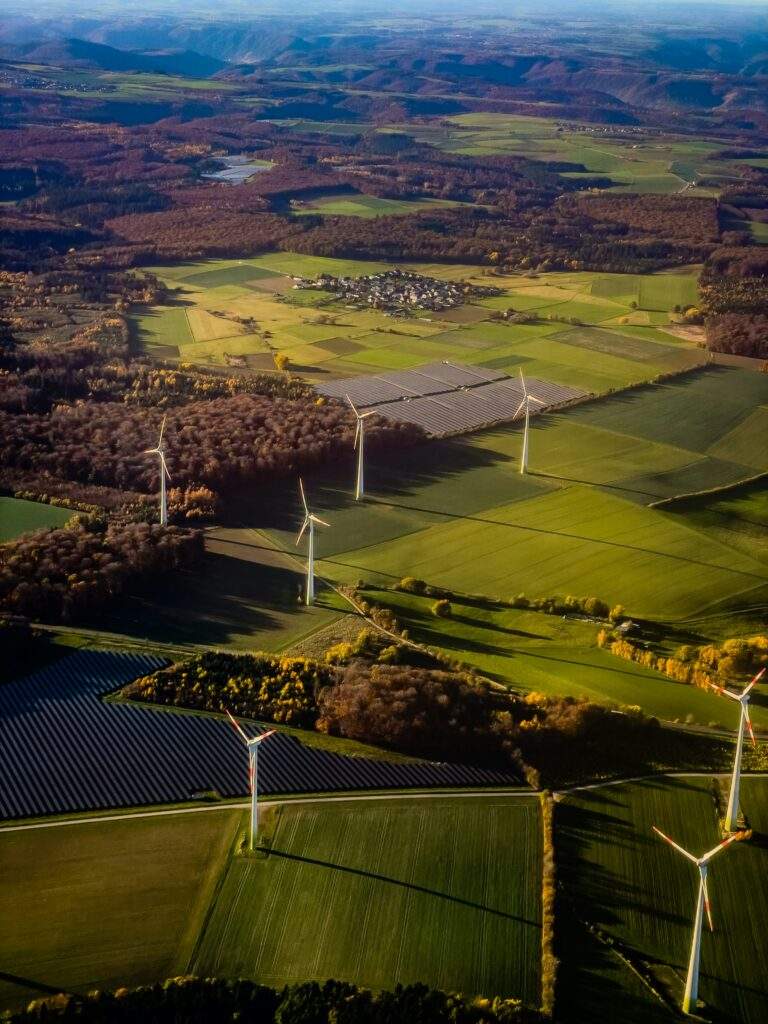
UK's Ember: Solar PV exceeds 10% of global electricity generation in H1 2026
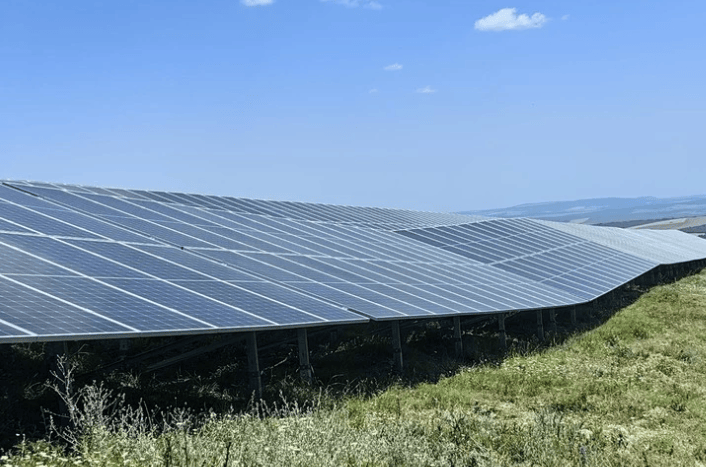
en.Wedoany.com Reported - A study by UK-based energy think tank Ember shows that the supply period of solar photovoltaic power is extending beyond the midday hours. In the first half of 2026, solar PV accounted for slightly more than 10% of global electricity generation, up from 8.9% in the same period of 2025, and nearly double the 5.6% share in H1 2023.
Over the past three years, solar generation has grown seven times faster than total electricity generation. From H1 2023 to H1 2026, global electricity generation rose by 12%, while solar generation more than doubled from 769 TWh to 1,564 TWh.
However, solar generation growth remains highly concentrated during midday hours. Between 11:00 and 14:00 on an average day in H1 2026, solar met more than 25% of global electricity demand, while its contribution fell to near zero between 20:00 and 05:00 the next day.
In markets with high solar penetration, this temporal concentration is even more pronounced. In Chile, solar met 26% of the country's electricity demand in H1 2026, with a contribution rate of 71% at noon, but falling to almost zero by 21:00. In the Netherlands, solar met 58% of demand at 13:00, and in Germany the figure was 55% at midday, yet within hours the solar contribution in both countries dropped to zero.
The expansion of solar installations is displacing fossil fuel generation during daylight hours, but sunless periods remain the preserve of conventional generation. From H1 2023 to H1 2026, average global fossil fuel generation between 11:00 and 14:00 fell from 86 GW to 69 GW; during the evening peak from 19:00 to 21:00, the decline was smaller, from 106 GW to 101 GW.
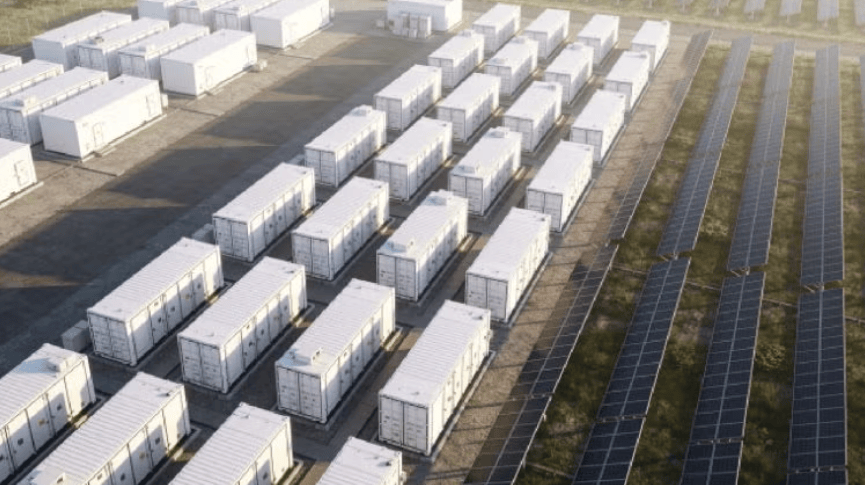
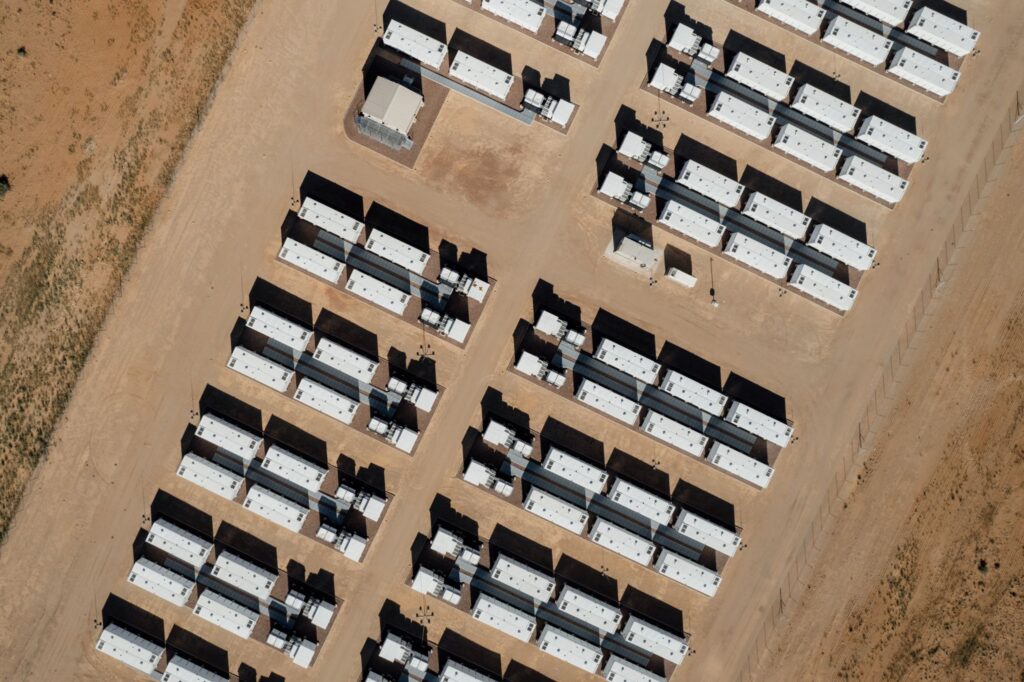
Battery storage is becoming a key means of shifting solar power to post-sunset hours. New global battery storage capacity additions in 2026 are expected to reach 459 GWh, up 50% from 307 GWh in 2025. Ember estimates that this capacity could theoretically shift 34% of the day's new solar generation to non-solar hours.
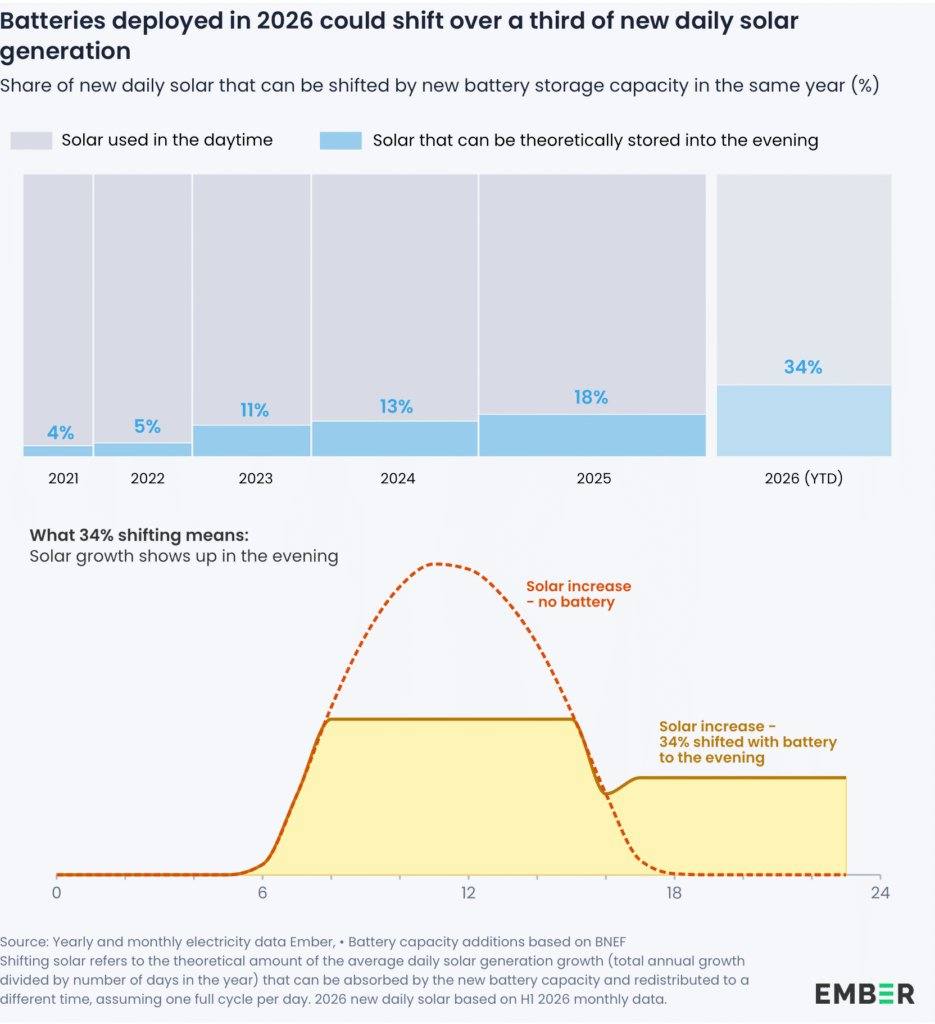
This share is nearly double the level corresponding to new batteries added in 2025 (18%), while in 2021 the figure was just 4%. Falling battery installation costs are a key driver: between 2010 and 2025, the global average cost fell from $2,634/kWh to $140/kWh, a decline of 95%.
Some countries are deploying batteries significantly faster than the global average. In 2025, Bulgaria installed storage capacity sufficient to shift 77% of its daily new solar generation, Chile 76%, and Australia 60%. Bulgaria went from nearly zero battery storage capacity in 2023 to adding about 3 GWh in 2025, with installed capacity exceeding 8.6 GWh by May 2026. Chile added 4 GWh of battery storage in 2025, bringing total installed capacity to 7.6 GWh, with most new storage co-located with solar plants to reduce curtailment and shift solar generation to evening hours. The United States added 58 GWh of storage in 2025, capable of shifting about a quarter of its daily new solar generation. The EU added 27 GWh of battery storage in 2025, equivalent to shifting 16% of its daily new solar generation, below the global average.
The combination of solar and storage has begun to cover the evening peak demand. In California, during the average evening peak hours from 19:00 to 21:00 in H1 2026, solar and battery storage together met more than a quarter of electricity demand, compared with 6.8% in H1 2023. In Chile, battery storage enabled solar to meet more than 10% of evening electricity demand. In Bulgaria, solar and storage together met nearly a quarter (24%) of electricity demand between 19:00 and 21:00, and supplied an average of 10% of demand from 19:00 to 07:00 the next day.
Ember also notes that developing round-the-clock solar power requires more than just adding battery capacity; electricity markets must provide effective participation mechanisms for batteries so they can operate where they deliver the greatest value to the power system. The think tank argues that batteries cannot eliminate the need for a diversified power mix, and that wind, hydro, nuclear, and long-duration storage will continue to play important roles during extended periods of low solar or wind output.
Related Products
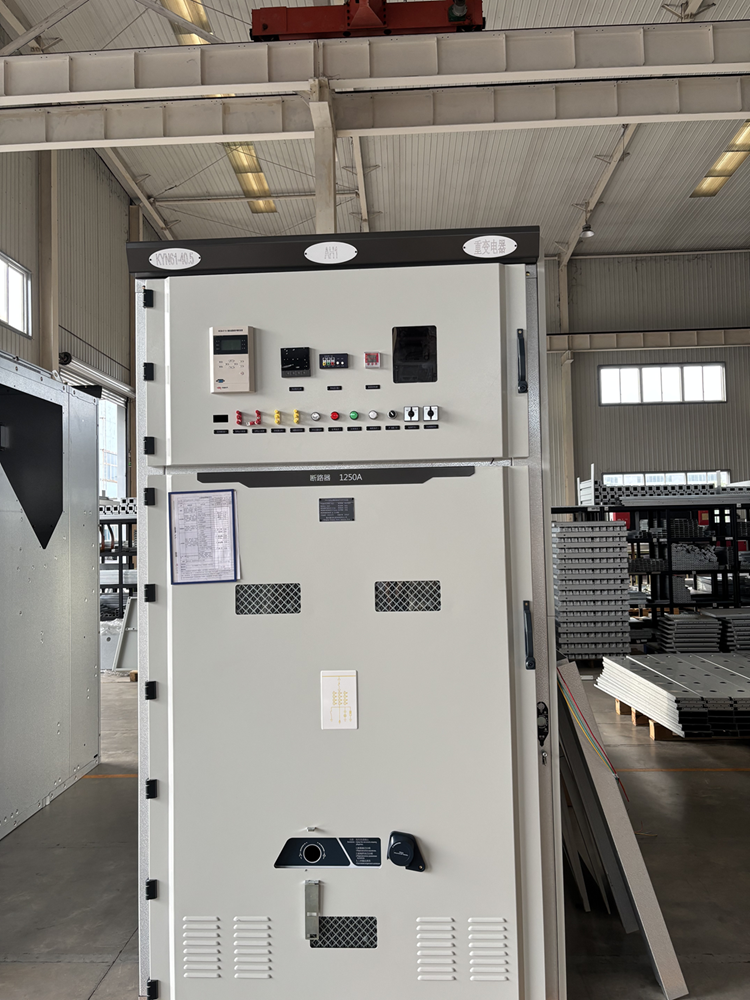

KYN61-40.5 Indoor AC Metal-clad Removable Switchgear
Chongqing Transformer Co., Ltd.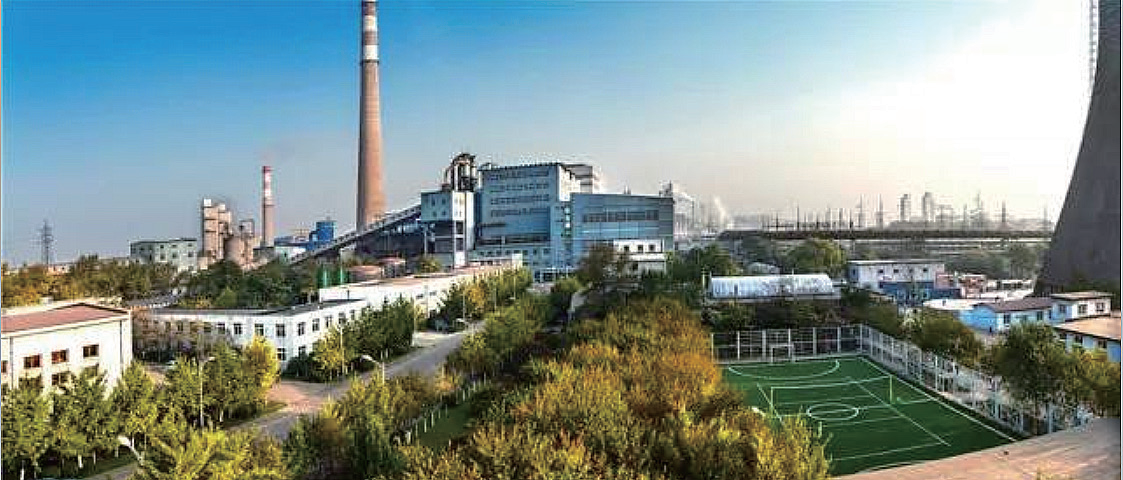
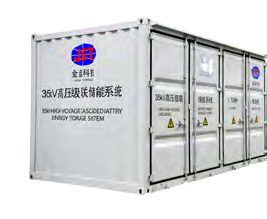
6kV-35kV Medium and High Voltage Direct-Connected Energy Storage System
Hainan Jinpan Smart Technology Co., Ltd.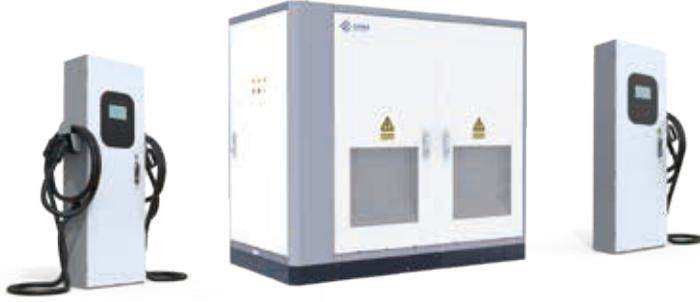
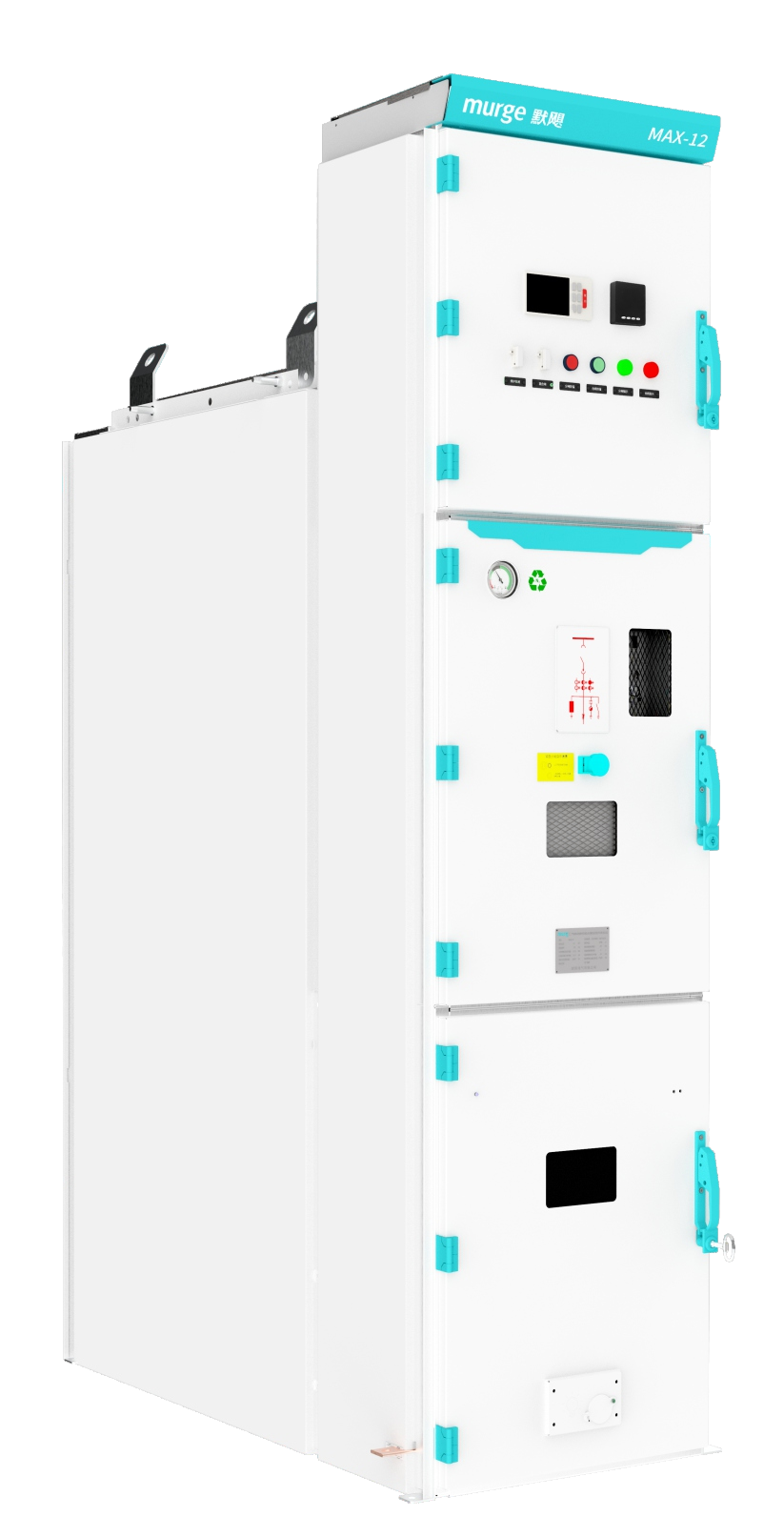
MAX-12 series Environmental Protection/SF6 gas insulated switchgear (C-GIS)
Murge Electric Co.,Ltd.
CITIC Heavy Industries Offshore Wind Power Equipment Hydraulic Pile Hammer
CITIC Heavy Industries Co., Ltd.
GW4-40.5/72.5/126/145/170/252/363/420 Series Double-column Horizontal Rotary High-voltage AC Disconnect Switch
SHANDONG TAIKAI DISCONNECTORS CO., LTD.
MESS8201-2507/5015-BN Prefabricated Liquid-cooled Energy Storage Battery Container
Xuchang Xuji Electric Science Energy Storage Technology Co., Ltd.