BASF Completes ACCF Revamp at Ludwigshafen, Germany on September 2, Increasing Capacity by Approximately 30%
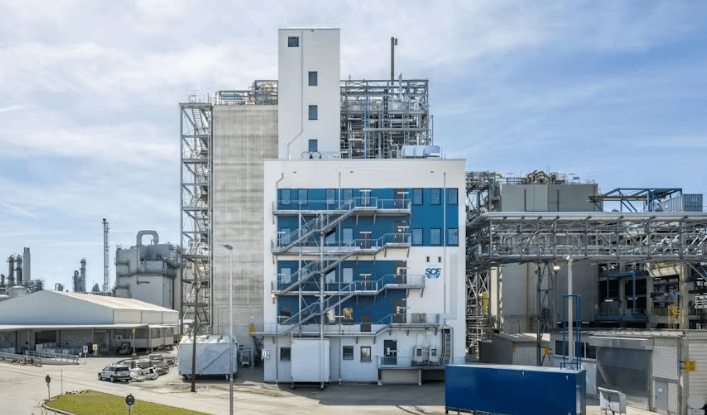
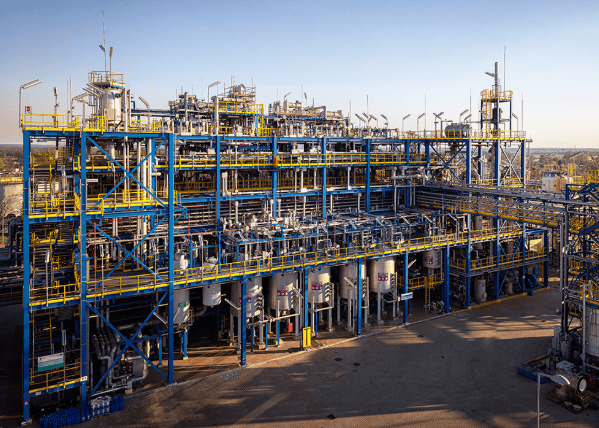
en.Wedoany.com Reported - On September 2, BASF officially commissioned its fully modernized acyl chlorides and chloroformates (ACCF) production plants at the integrated Verbund site in Ludwigshafen, Germany. The investment for this project amounts to a low three-digit million euro figure. The revamp scope includes a comprehensive renewal of the production infrastructure for acyl chlorides and chloroformates, increasing production capacity for these products at the site by approximately 30%.
The project was launched in 2022. At that time, BASF planned a systematic modernization of the relevant production facilities and associated infrastructure in Ludwigshafen, with the goal of increasing local production capacity for these products by approximately 30%. The revamp was initially scheduled for completion within 2025; BASF's 2025 annual report subsequently listed the project's start-up for 2026. In March 2026, the company confirmed that the modernized production plants had entered the start-up phase, and official commissioning was completed on September 2.
The Ludwigshafen plants are part of BASF's Intermediates division. The site currently offers a portfolio of approximately 25 acyl chlorides and chloroformates, used in applications such as pharmaceuticals, crop protection, emulsified organic peroxides, coatings, plastics, and rubber compounds. BASF also operates production facilities for these products at both the Ludwigshafen site in Germany and the Yeosu site in South Korea.
In addition to the capacity expansion, the ACCF product portfolio in Ludwigshafen has been sourced with renewable electricity certificates since 2025, covering electricity consumption related to both the production process and upstream raw material manufacturing. Based on 2025 production volumes, this adjustment reduces the average product carbon footprint of the relevant portfolio by 19%, with the calculation scope covering Scope 1, Scope 2, and Scope 3.1 emissions. BASF stated that this adjustment does not involve any changes to product specifications, certifications, or ordering processes.
When BASF launched the project in 2022, it announced that its combined annual capacity for acyl chlorides, chloroformates, and alkyl chlorides at the Ludwigshafen and Yeosu sites was approximately 60,000 metric tons. This official commissioning marks the transition of the multi-year modernization project for the Ludwigshafen production facilities into its post-completion operational phase.
Related Products

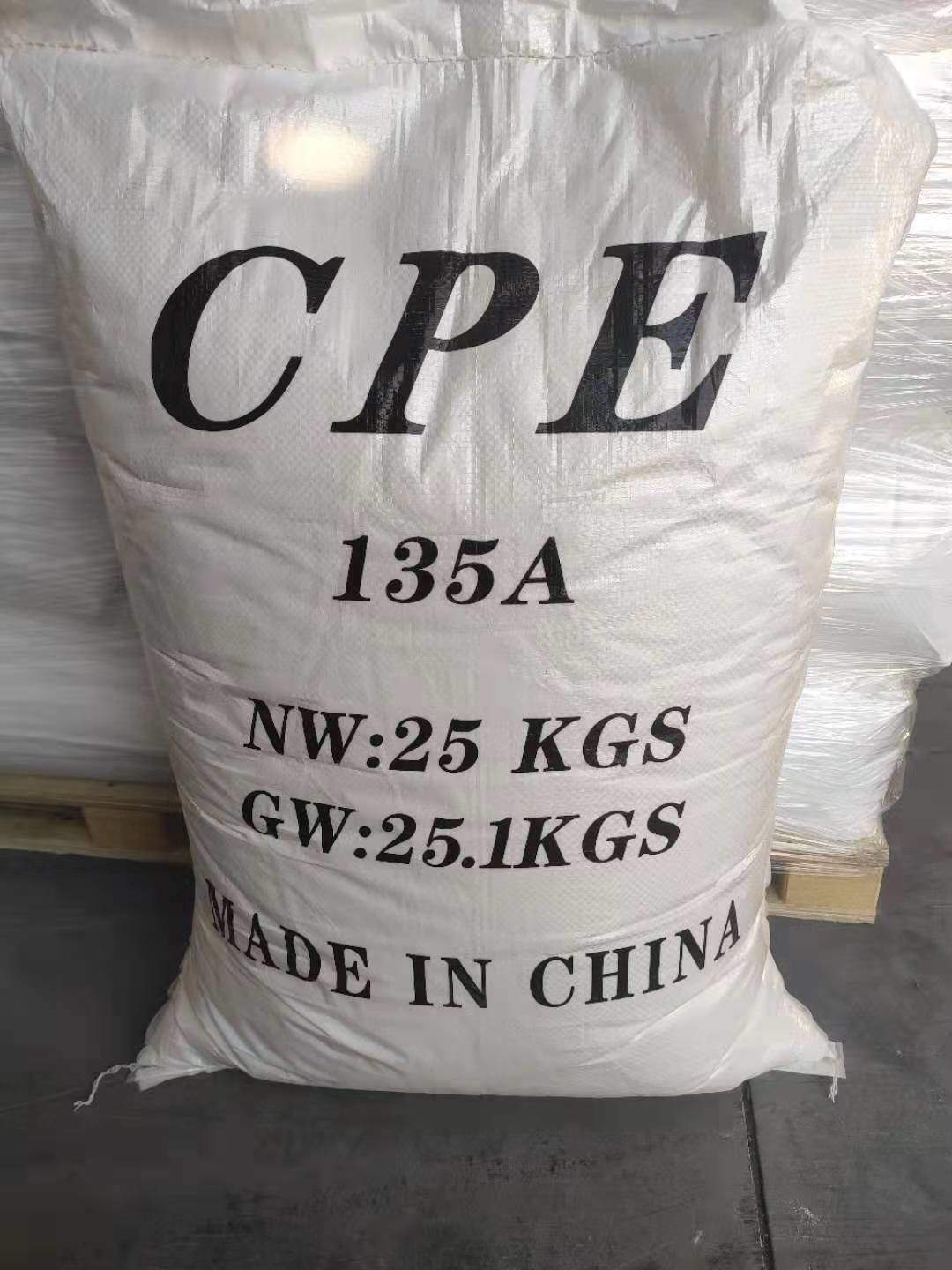
PVC Impact-Modified Chlorinated Polyethylene
Gansu Jinchuan Hengxin Polymer Technology Co., Ltd.
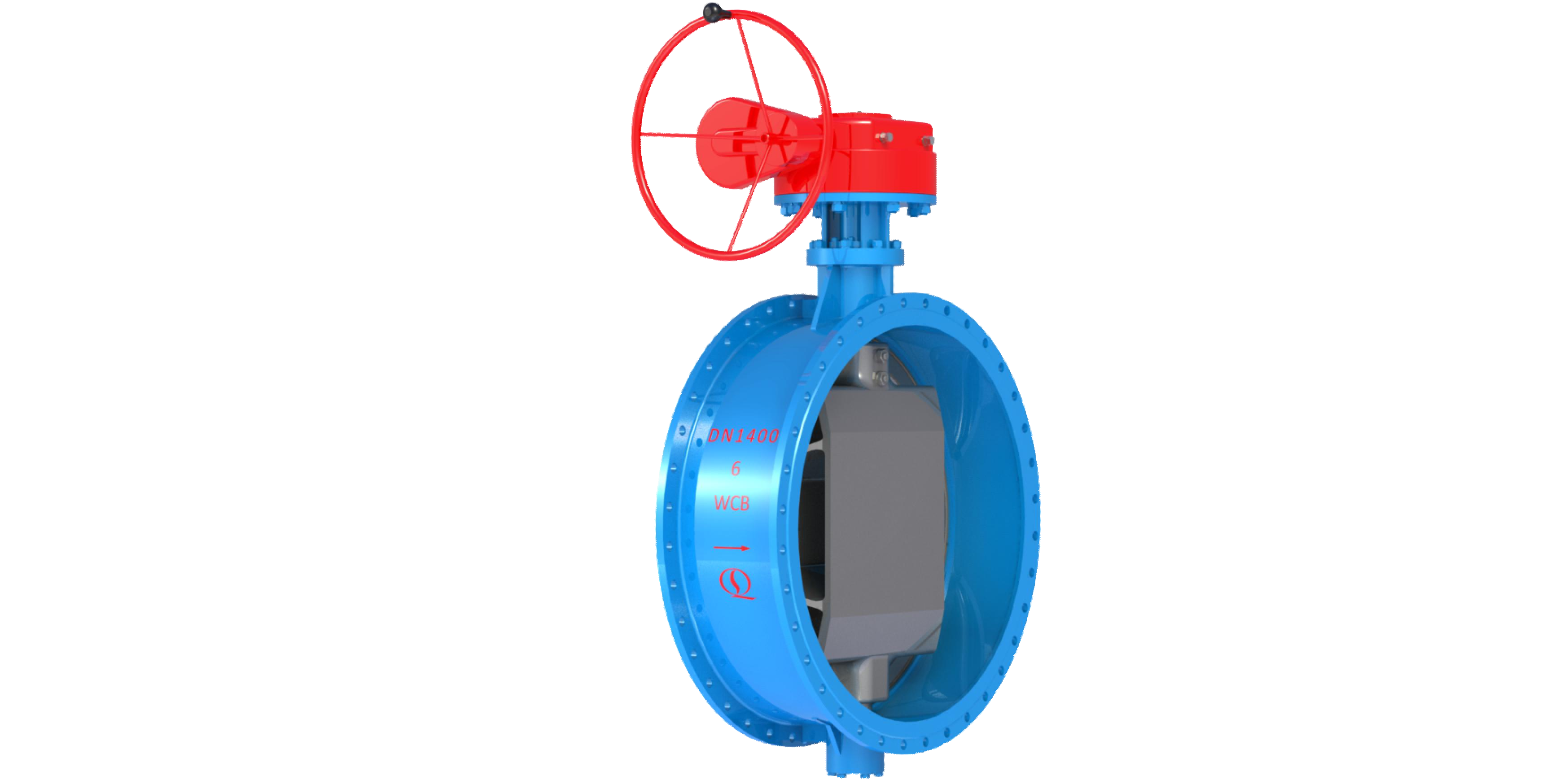
Bidirectional Metal Hard Sealed Seawater Butterfly Valve
Henan Quanshun Flow Control Science & Technology Co., Ltd.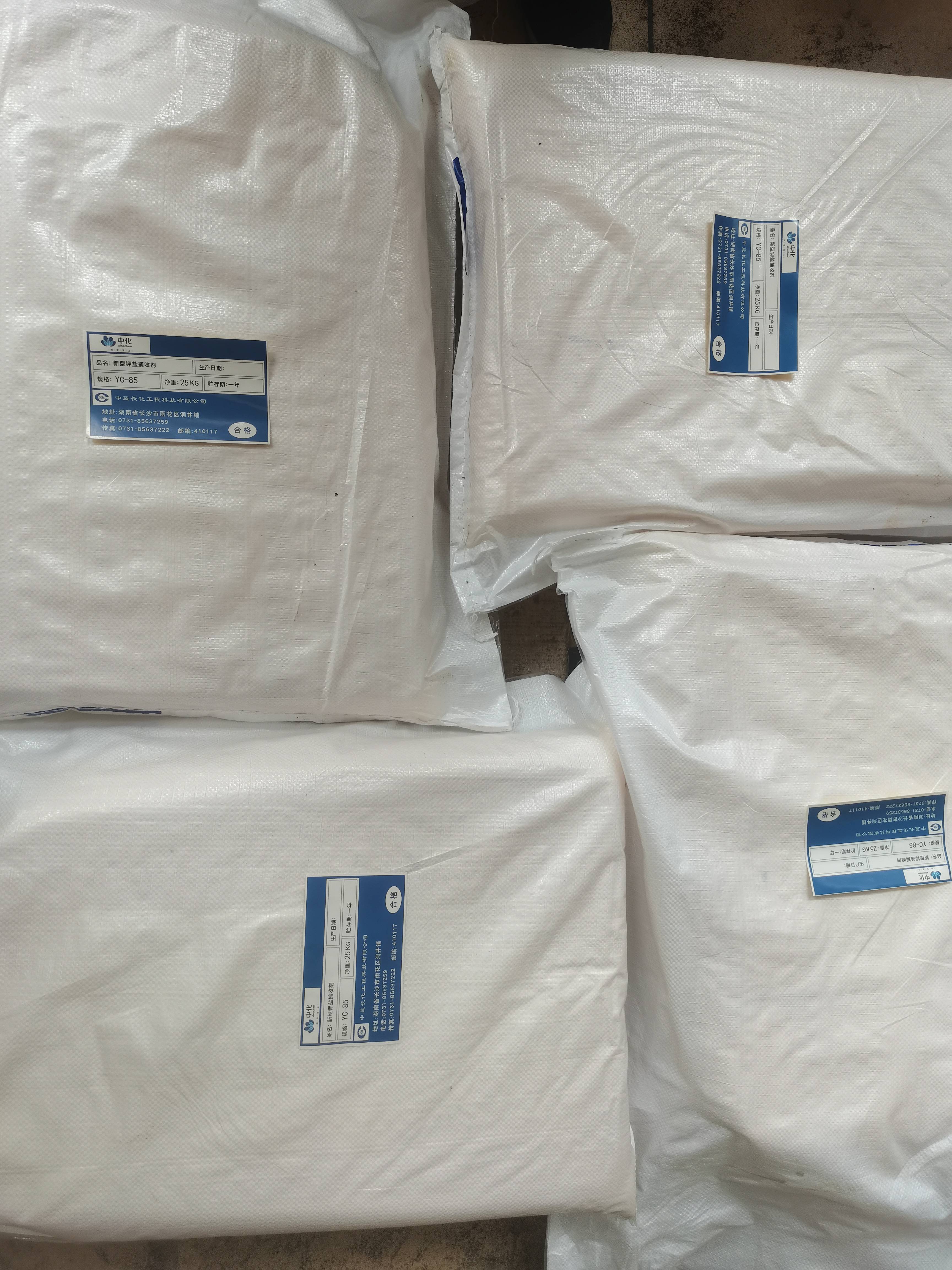
New Environmentally Friendly Green Potassium Salt Collector
Chonfar Engineering and Technology Co., Ltd.