Rowan University Develops Reverse-Time Deformation Detection Technology for 3D-Printed Concrete
en.Wedoany.com Reported - On October 13, Rowan University announced that its engineering research team has developed a reverse-time digital image correlation detection technique capable of reconstructing structural deformation during the 3D printing and curing of concrete and measuring the load impact of newly deposited concrete on underlying layers. The research findings were published in the journal Experimental Mechanics and were co-led by Islam Mantawy, a researcher in the Department of Civil and Environmental Engineering, and Behrad Koohbor, a researcher in the Department of Mechanical Engineering.
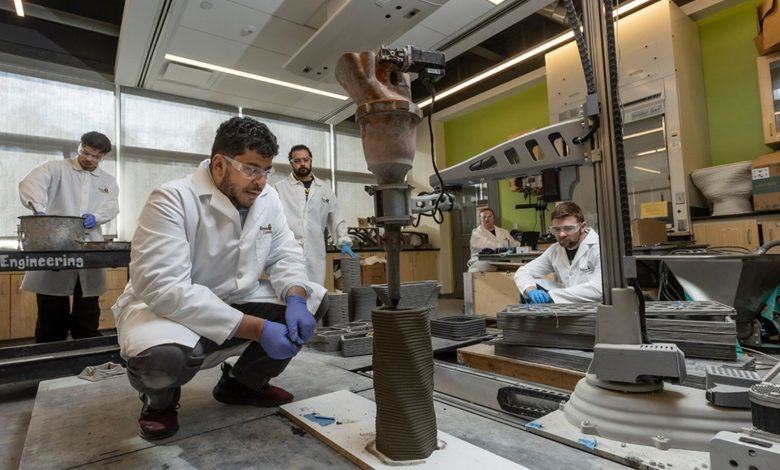
The research team collected thousands of images during the layer-by-layer printing and curing of concrete, using images of the fully cured structure as a reference and performing digital image correlation analysis in reverse chronological order to reconstruct the displacement and strain changes of each printed layer. The method uses the rough texture naturally formed on the surface of extruded concrete to track material deformation and combines mathematical models to calculate the strain distribution of concrete during layer-by-layer loading, shrinkage, and curing.
The researchers first established a reverse-time incremental image correlation analysis model, then conducted quasi-static tensile tests on 6061 aluminum alloy specimens, compared the reverse-time measurement results with conventional forward measurement data, and quantified the point-by-point and overall average measurement errors. Subsequently, the team applied the method to concrete additive manufacturing experiments, reconstructing surface displacement, strain fields, and residual deformation during the printing process.
The research results show that reverse-time image analysis can record the deformation of newly printed concrete during the early loading and curing stages and obtain initial strain data that are difficult to measure with conventional forward image correlation techniques. The team also identified temperature, humidity, and material chemical composition as research variables affecting the curing behavior of printed structures, with future research directions involving quality monitoring of the concrete printing process and automated construction control.
Related Products

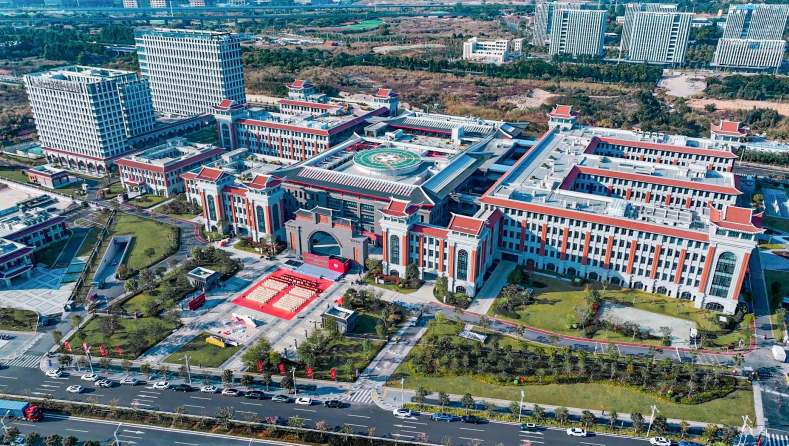
West China Xiamen Hospital of Sichuan University
Wuhan Huakang Century Clean Technology Co., Ltd.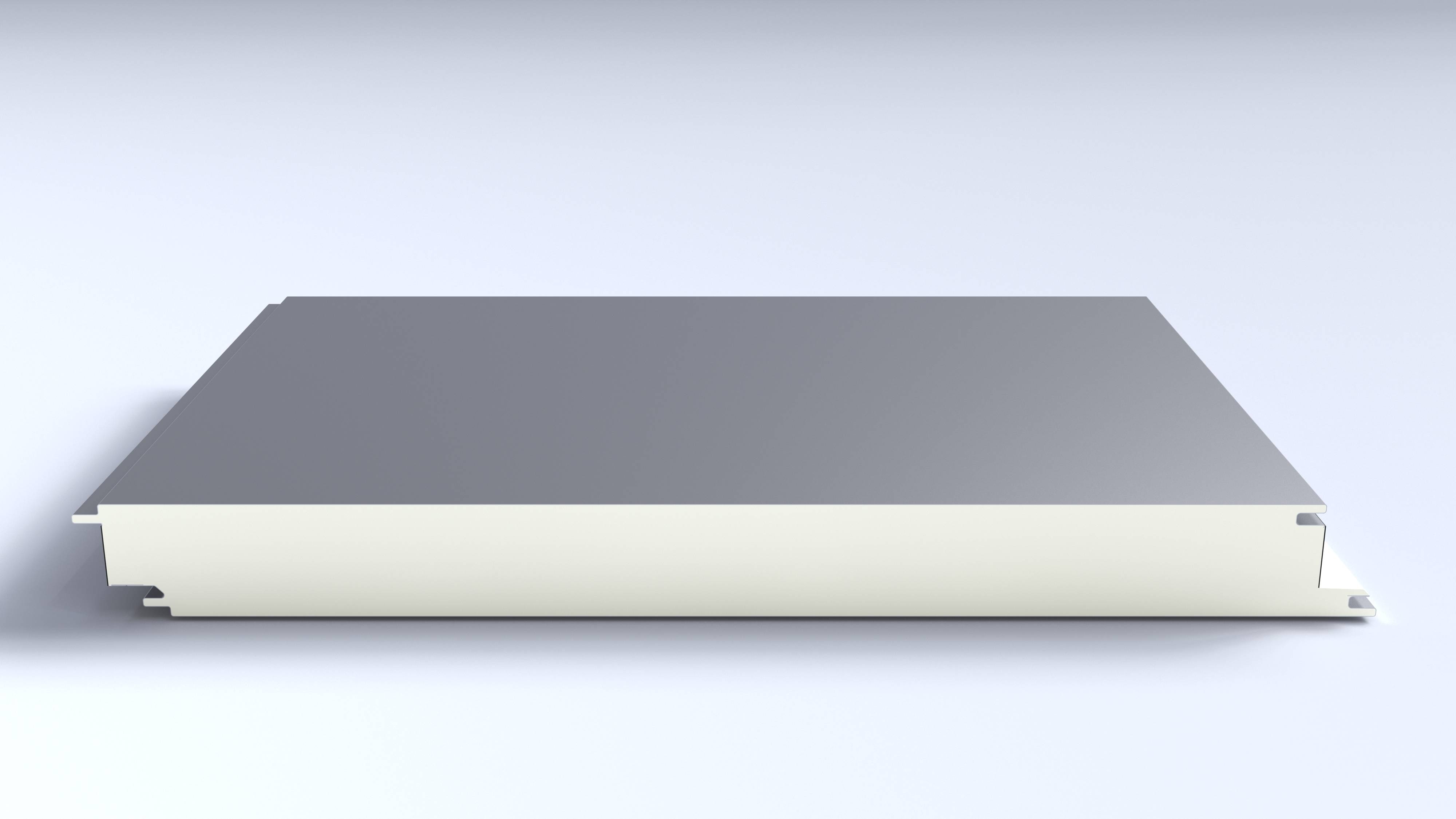
Pure Polyurethane Wall Panel BD-AEF-PIR-01
Baodu International Engineering Technology Co., Ltd.


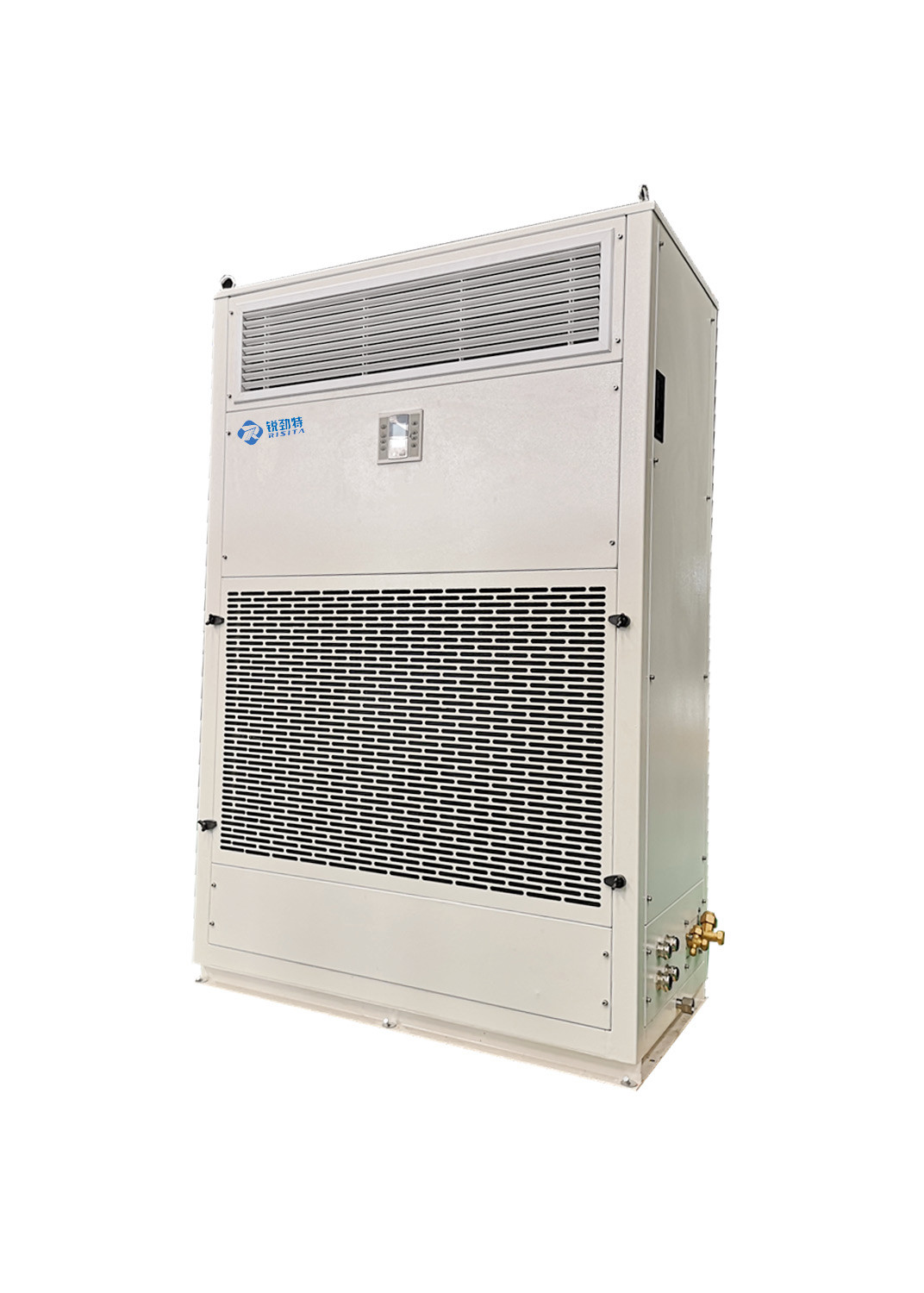
RISITA explosion-proof air conditioning
Guangdong RISITA Air Conditioning Equipment Co.,Ltd.
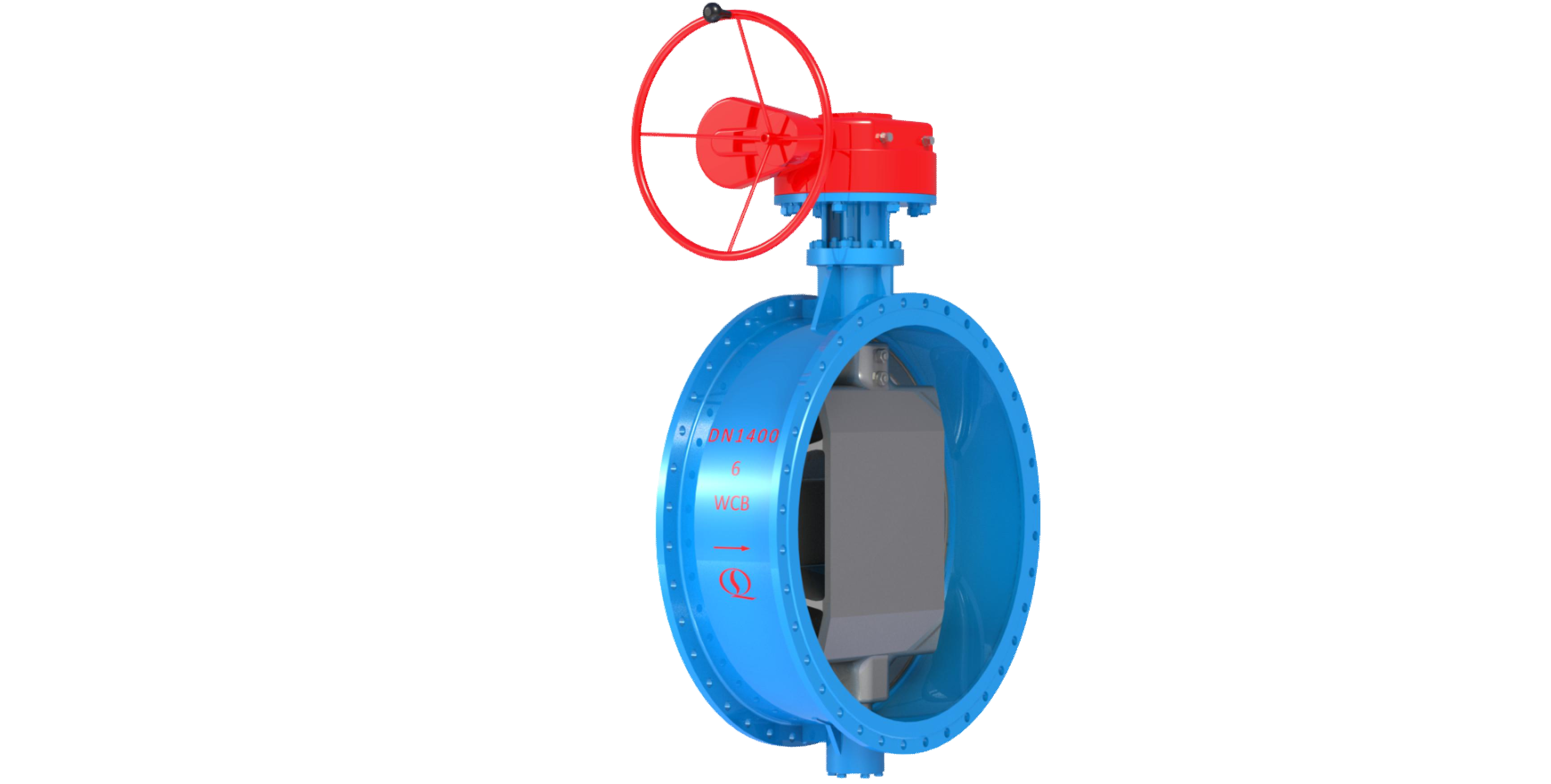
Bidirectional Metal Hard Sealed Seawater Butterfly Valve
Henan Quanshun Flow Control Science & Technology Co., Ltd.