Ozinga's Million-Ton Low-Carbon Cement Plant Officially Opens in the United States
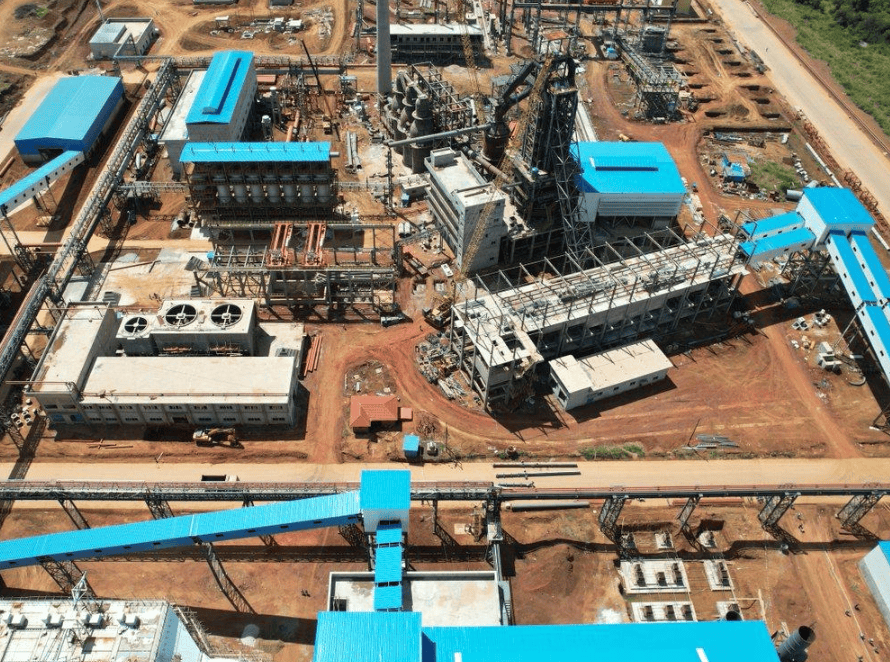
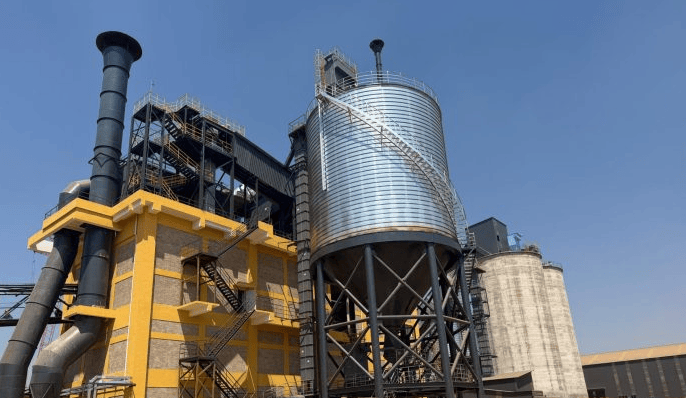
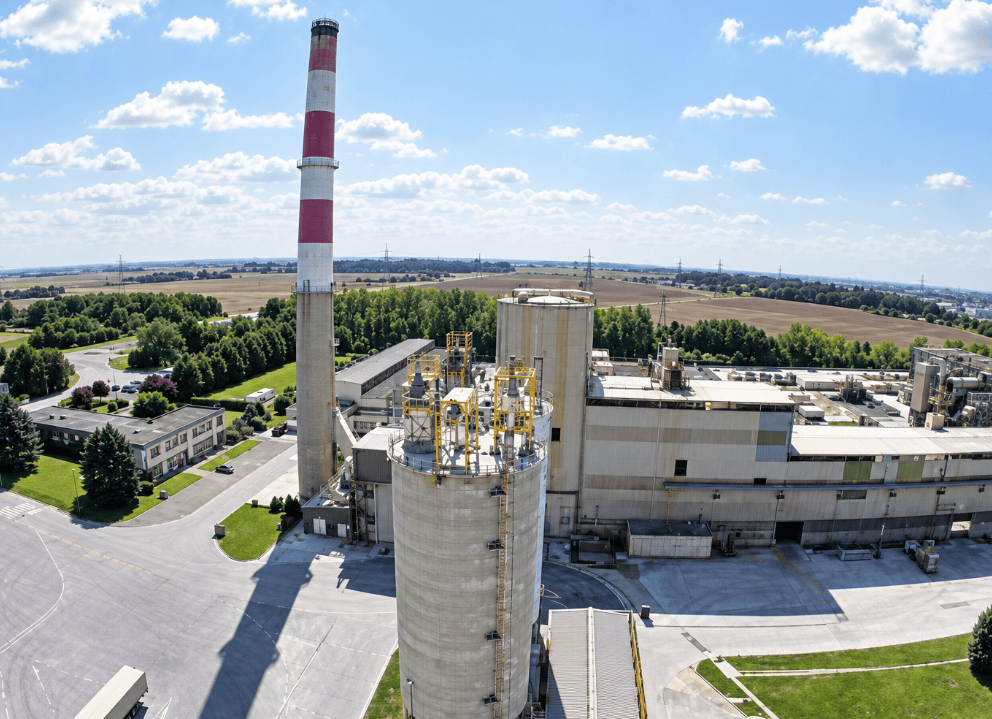
en.Wedoany.com Reported - On October 13, U.S. building materials company Ozinga held a ribbon-cutting ceremony in East Chicago, Indiana, for its newly built low-carbon cement grinding plant. The plant is designed to produce 1 million tons of slag cement annually, primarily using slag generated during steel production to manufacture low-carbon cementitious materials. The facility is equipped with large vertical roller mill equipment, and its products include slag cement compliant with ASTM C989 standards and the CarbonSense series of low-carbon cement products. The production base is connected to rail, road, and waterway transportation networks.
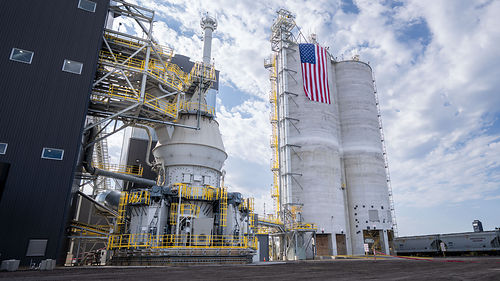
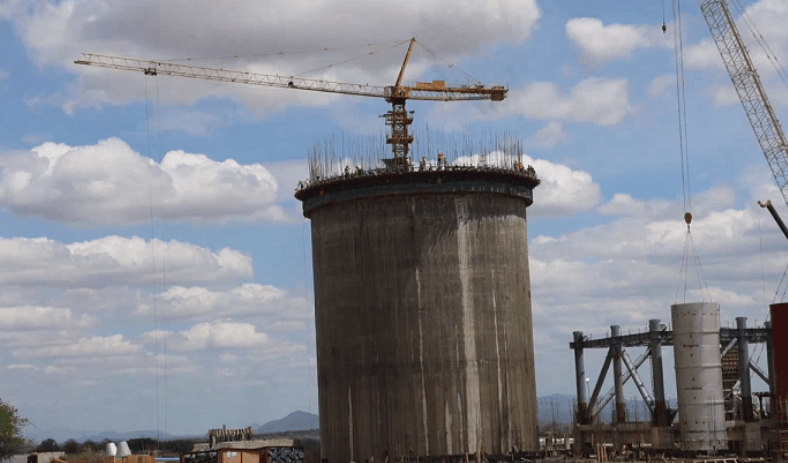
The plant's core grinding equipment is the MVR 5300 C-6 vertical roller mill supplied by Gebr. Pfeiffer, equipped with 6 independent grinding rollers. This equipment is used for grinding and processing raw materials such as slag and was part of the main technical configuration announced when construction began in 2025. The project officially held its groundbreaking ceremony in June 2025, with contractors including Morrison Construction participating in the construction.
The plant uses slag, a byproduct of the steel industry, as its primary raw material, with some of the slag coming from processing facilities associated with the Cleveland-Cliffs steel plant. After processing and grinding, the raw material becomes slag cement and can be further used to formulate low-carbon cementitious materials. CarbonSense series products are manufactured in accordance with ASTM C1157 performance standards, and Ozinga's published product carbon reduction target is up to 80% lower embodied carbon emissions compared with traditional Portland cement blends.
The plant's logistics system connects to the Great Lakes and U.S. inland waterways, allowing finished products to be shipped by barge to other markets. It also uses on-site rail infrastructure to connect to the Indiana Harbor Belt Railroad, which in turn links to the U.S. Class I rail network. Products can also be transported by road, covering building materials markets in the U.S. Midwest and other regions.
Ozinga estimates that once fully operational, the plant can reduce more than 700,000 tons of carbon dioxide emissions annually. The project created more than 250 temporary jobs during construction, and once fully operational, the grinding plant and the Burns Harbor operation located at the Cleveland-Cliffs steel plant site are expected to provide approximately 50 permanent union jobs combined.
Related Products
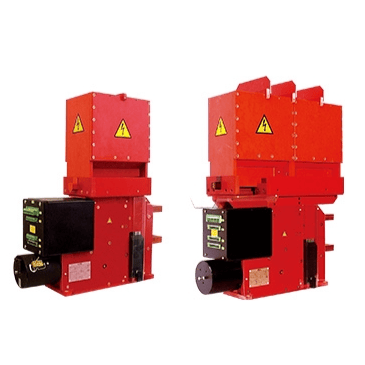

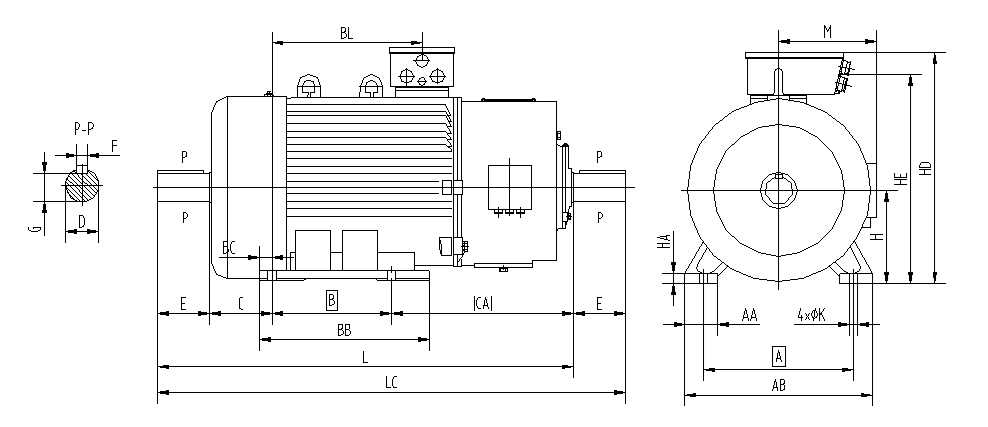
YZR (450-560) Series Wound Rotor Three-Phase Asynchronous Motors for Crane and Metallurgical Applications
Jiamusi Electric Machine Co., Ltd.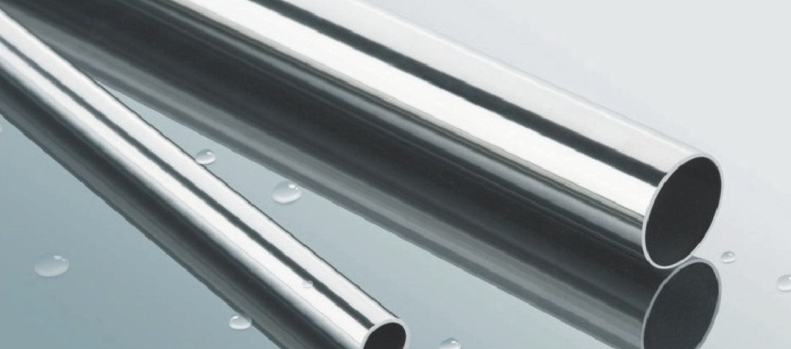
ERW Welded Pipe (Black Pipe and Hot-dip Galvanized Steel Pipe)
Handan Zhengda Steel Pipe Co., Ltd.
CITIC Heavy Industries Tunneling Equipment Tunnel Engineering Shield Machine
CITIC Heavy Industries Co., Ltd.

145kV Porcelain Column Type Sulfur Hexafluoride Circuit Breaker
TBEA ZONFA Shanghai High Voltage Switchgear Co., Ltd.