Wedoany.com Report-Aug. 22, Serbia’s cumulative solar capacity reached 281 MW by mid-2025, according to the Association of Renewable Energy Sources of Serbia (RES Serbia). The total includes 172.7 MW connected to the distribution system operator (DSO) and 109.2 MW from prosumers. The country’s solar capacity surpassed 200 MW in 2024 following an addition of around 80 MW.
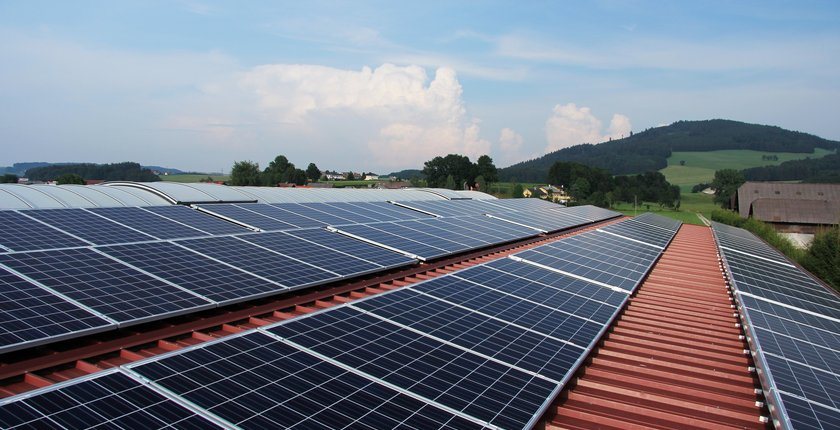
Danijela Isailovic, manager of RES Serbia, highlighted that solar market growth continued steadily in the first half of 2025, with a notable peak in newly installed prosumer capacity of 25 MW. “This growth was largely driven by policies implemented since 2021 and the ongoing reduction in the cost of solar technologies,” Isailovic said. “Households and businesses have embraced decentralized solar systems and energy independence, as public awareness of the benefits of being a prosumer continues to rise.”
Currently, Serbia has 5,120 registered prosumers, according to the Register of Prosumers maintained by electricity DSO Elektrodistribucija Srbije. Household systems account for 30.57 MW, while other prosumers, including industrial and commercial facilities, government institutions, churches, and educational centers, contribute 78.56 MW.
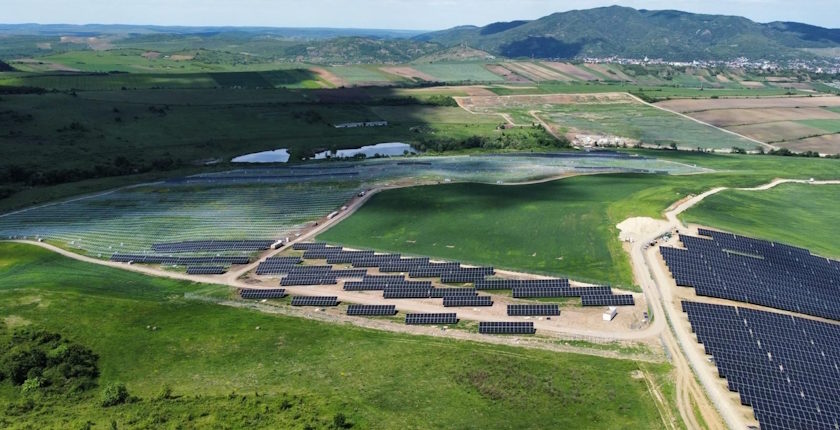
In July 2025, the 10 MW Petka solar power plant, operated by state-owned utility Elektroprivreda Srbije, became operational. Serbia has yet to inaugurate a solar plant exceeding 10 MW, but several large-scale projects were agreed upon in 2024, including plans for 1 GW of solar capacity across six sites by 2027, a separate 500 MW solar deal, and a 1 GW solar panel manufacturing facility.
Earlier this year, in February 2025, Serbia’s Ministry of Mining and Energy concluded the country’s second renewables auction. The auction allocated 645 MW across ten wind and solar projects, setting average prices at €0.0509 ($0.0533)/kWh for solar and €0.0535/kWh for wind. Of this allocation, solar projects account for 124.8 MW.
The growth in both prosumer and utility-scale solar capacity reflects Serbia’s ongoing efforts to diversify its electricity generation mix. Government incentives, declining technology costs, and rising public interest in energy independence have collectively boosted adoption rates. Prosumers are increasingly contributing to grid stability and local energy resilience, complementing centralized renewable projects.
Serbia has set a target to generate 45% of its electricity from renewable sources by 2030. The combination of decentralized prosumer systems and planned utility-scale solar projects is expected to play a crucial role in achieving this goal, while strengthening the country’s renewable energy sector and supporting long-term energy security.
Overall, Serbia’s solar sector demonstrates steady expansion, balancing household and industrial participation with larger utility projects, and signaling a growing commitment to renewable energy development in line with national and regional sustainability objectives.