Wedoany.com Report-Sept. 18, The interim government has introduced a 1 percent source tax on the import of cooking oil, covering soybean, sunflower, palm, and corn oil. The measure, outlined in a notification from the National Board of Revenue (NBR), applies to both refined and crude soybean oil, crude edible oil imported through VAT-registered refining industries, as well as sunflower seeds and corn oil.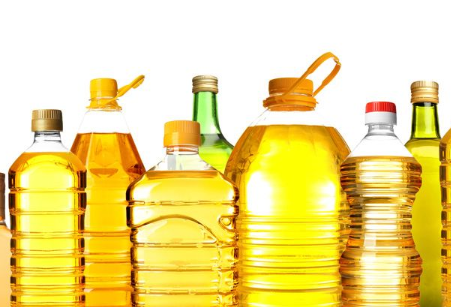
Previously, these essential commodities were exempt from source tax on imports. The new directive marks a change in taxation policy, aiming to strengthen revenue collection while ensuring the continued availability of key edible oils in the domestic market.
In addition to the tax announcement, the government confirmed a reduction in palm oil prices for consumers. Due to declining international market rates, the domestic retail price of palm oil has been reduced by Tk 19 per litre, from Tk 169 to Tk 150. This adjustment is expected to ease household expenses, though the price of soybean oil remains unchanged at Tk 189 per litre.
Earlier in April, soybean and palm oil prices had been revised, with soybean oil rising by Tk 14 per litre to Tk 189, while palm oil was also adjusted. The most recent previous price change was in December, when soybean oil was set at Tk 175 per litre. These adjustments reflect the volatility of international edible oil markets and the government’s policy to align local prices accordingly.
Alongside the new tax, the NBR has withdrawn the advance tax on imported soybean oil and crude palm oil. This step follows repeated requests from traders and is intended to reduce financial pressure on importers, thereby helping to stabilize supply channels and ensure steady availability in the domestic market.
Market analysts note that the introduction of a source tax, coupled with the removal of advance tax, represents a balancing effort. While the government aims to strengthen tax revenues, it also seeks to prevent excessive burdens on traders and maintain consumer affordability. The latest palm oil price reduction directly benefits households, particularly in light of broader cost-of-living concerns.
The edible oil market in the country continues to respond to fluctuations in global supply and demand. With soybeans, sunflower, and palm oils forming a significant share of imports, taxation measures, and price adjustments play a critical role in stabilizing domestic consumption and ensuring affordability for consumers.
Overall, the policy changes reflect a dual approach of fiscal tightening through the imposition of a source tax, while offering relief to traders and consumers via the withdrawal of advance tax and the reduction in palm oil prices. This balanced framework is expected to sustain both market stability and revenue objectives in the near term.