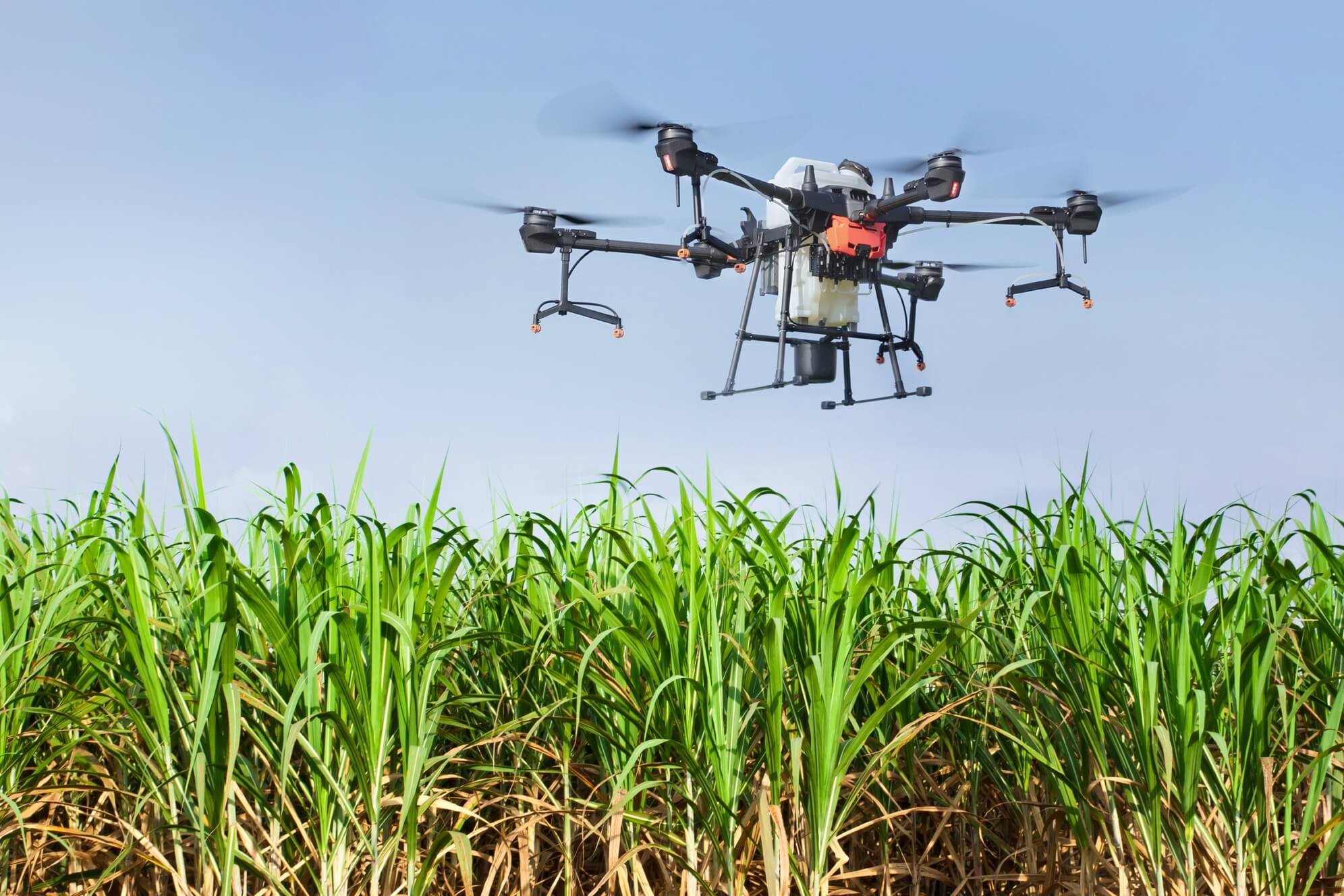
Wedoany.com Report-Oct. 21, The Kenyan Ministry of Agriculture, through its Agricultural Information Resource Centre, is formulating a national roadmap to expand the use of drone technology in agriculture across the country. Announced on Wednesday, October 15, the plan is being developed in collaboration with Fahari Aviation, a Kenya Airways subsidiary established in 2021 to promote drone services, urban air mobility, and aviation training. The initiative seeks to tackle key agricultural and livestock challenges such as soil degradation, inefficient use of inputs, pest invasions, and climate-related risks.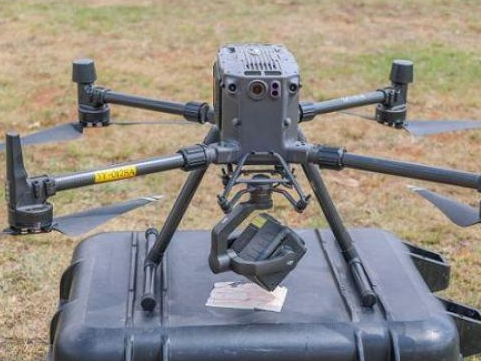
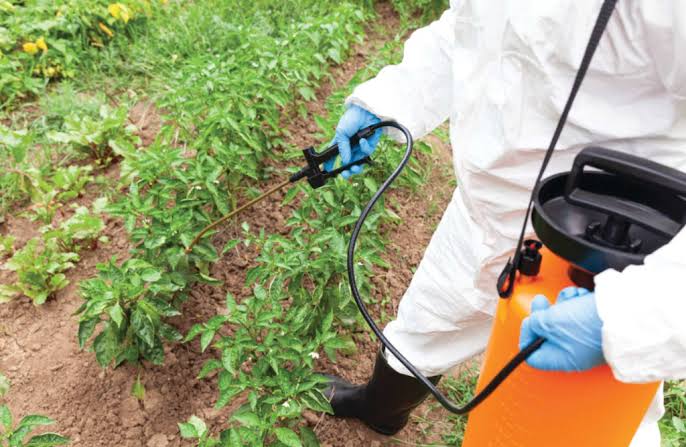
According to the ministry’s statement, “Drones will provide real-time monitoring of soil health, enabling farmers to apply targeted interventions for improved soil quality. They will also help ensure efficient use of fertilizers and pesticides, while detecting pest outbreaks early enough to allow for timely response and crop protection.” The ministry emphasized that the program will support better farm management practices and improve productivity while aligning with Kenya’s goals of sustainable agricultural growth and environmental conservation.
Private sector players have already started applying drone technology to agriculture. In 2021, DigiFarm, a subsidiary of Safaricom, partnered with drone operator Astral to provide crop spraying services in western Kenya. The following year, Kipkebe Ltd, a subsidiary of agro-industrial group Sasini PLC, signed an agreement with Fahari Aviation to test aerial spraying and fertilization on its tea plantations in the region. This pilot aimed to reduce both time and cost of input application by nearly 50%.
Several local startups are also advancing precision agriculture technologies. Companies such as Dronector, Skyfield Aerotech, Skymap Africa, and Hover Mode are developing solutions for mapping, crop health monitoring, and precision fertilizer application. Their activities reflect growing private sector participation in drone-based agricultural services, complementing the government’s broader strategy to modernize farming practices.
The national roadmap under development aims to make drone services accessible to all farmers, including smallholders who face resource constraints. However, the plan also highlights several barriers to large-scale adoption. High equipment and service costs—including batteries, software, maintenance, and insurance—remain key concerns. In addition, limited local training, a shortage of skilled operators, and the digital divide in rural areas could hinder widespread integration of drone technology into farming.
Kenya’s efforts to incorporate drones into its agricultural sector illustrate a broader trend toward technology-driven solutions in African farming. By combining government support with private sector innovation, the initiative seeks to enhance efficiency, sustainability, and resilience in agricultural production. If successfully implemented, the program could strengthen food security, improve resource use, and position Kenya as a regional leader in agricultural technology adoption.