Rio Tinto Moves to Slash Chinalco Stake via Asset Deal
Wedoany.com Report-Oct. 24, Rio Tinto (ASX: RIO) is reportedly in discussions with China’s state-owned Chinalco regarding an asset-for-equity swap that could reduce Chinalco’s stake in the world’s second-largest miner to approximately 11%. Sources familiar with the matter said the arrangement would allow Chinalco to exchange part of its Rio Tinto holdings for stakes in key company assets. The move could enable Rio Tinto to resume share buybacks and pursue new strategic transactions, previously constrained by its complex ownership structure.
Among the projects that could be part of the deal are Rio’s massive Simandou iron ore in Guinea.
Neither Rio Tinto nor Chinalco provided immediate comments on the reports. Chinalco first acquired a near 15% stake in Rio Tinto Plc, the London-listed arm of the dual-listed company, in 2008. The acquisition included strict Australian government conditions, such as a prohibition on increasing its stake without approval and no board representation.
The investment became controversial in 2009 when Chinalco’s proposed $19.5-billion bailout for Rio, which was then managing $39 billion in debt, was blocked by regulators and shareholders concerned about foreign control over strategic mining assets.
The proposed asset swap could help address longstanding governance issues. Projects potentially included in the deal are Rio’s Simandou iron ore deposit in Guinea, where Chinese interests already hold a 75% stake, and the Oyu Tolgoi copper mine in Mongolia. Another possibility under consideration is Rio Tinto’s titanium business, part of a wider restructuring led by new CEO Simon Trott.
Trott, who became CEO in August after leading Rio’s iron ore division, is steering a company-wide overhaul to streamline operations into three main units: iron ore, copper, and aluminum–lithium. The talks with Chinalco coincide with renewed pressure from activist investors urging Rio to end its dual Anglo-Australian listing. Investors argue the dual listing generates governance friction and complicates transactions in countries with restrictions on foreign investment.
The asset-for-equity swap, if finalized, would resolve several operational and governance challenges, giving Rio Tinto greater flexibility in capital allocation and strategic planning while providing Chinalco with stakes in high-value assets. By potentially reducing Chinalco’s direct shareholding, the miner could unlock opportunities for new investments and share repurchase programs that support long-term growth and shareholder returns.
The discussions reflect ongoing efforts by Rio Tinto to simplify its ownership structure, improve strategic agility, and align its operations with Trott’s vision for a leaner, more focused mining company. Projects like Simandou and Oyu Tolgoi remain central to Rio’s growth strategy, highlighting the importance of asset management in the context of evolving shareholder structures and global investment considerations.
Overall, the deal, while still under negotiation, represents a significant step toward resolving governance complexities and enhancing operational flexibility for Rio Tinto amid a changing global mining landscape.
Related Products

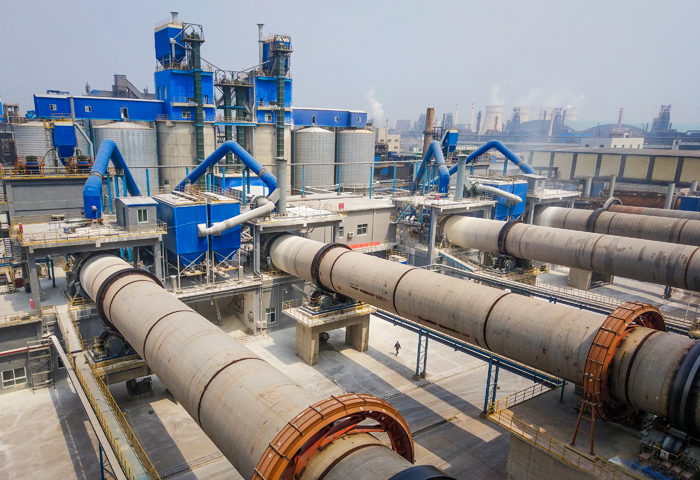
CITIC Heavy Industries Metallurgical Equipment Steel Smelting Engineering Equipment
CITIC Heavy Industries Co., Ltd.
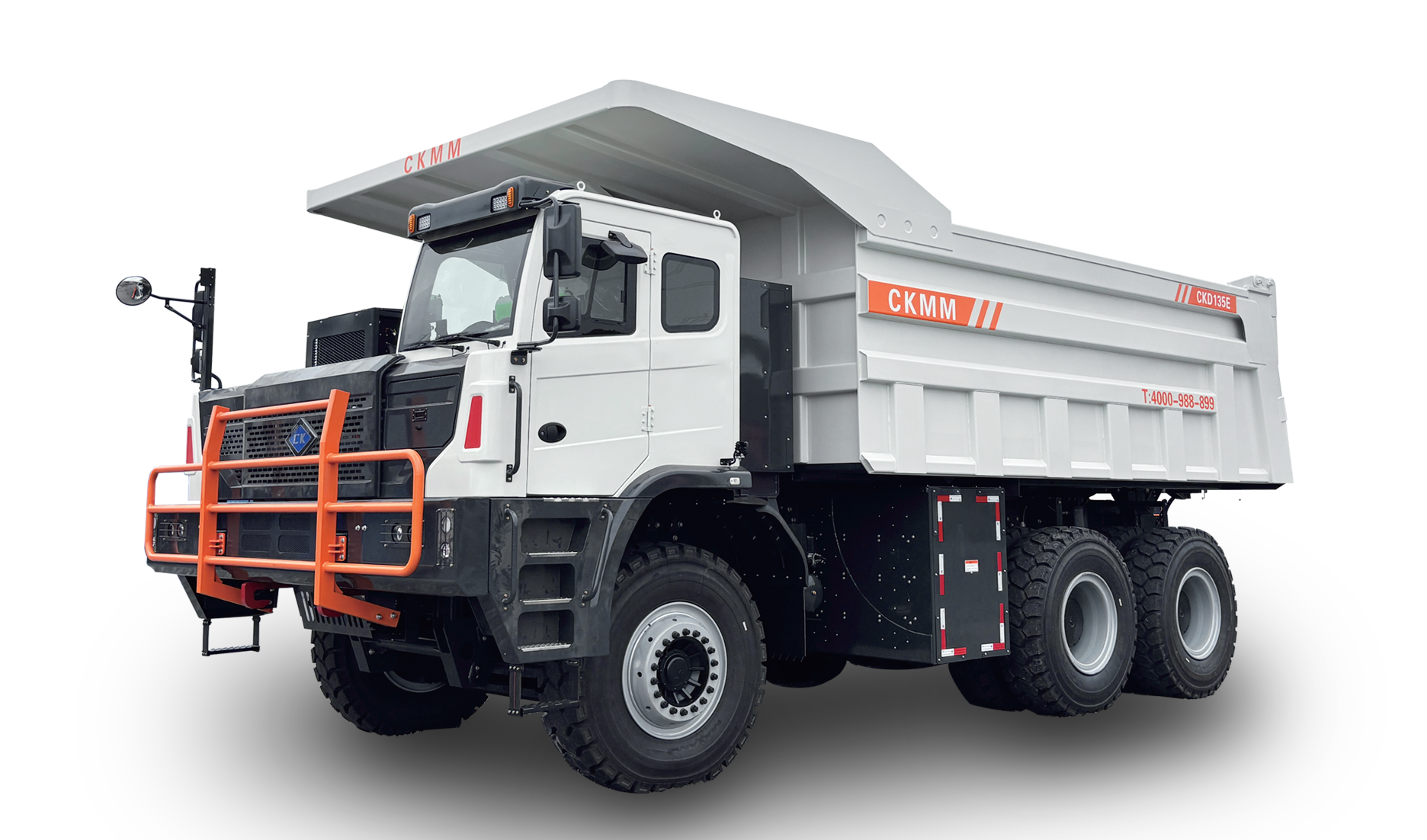
CKD135E Pure Electric Wide-body Dump Truck
Jiangsu Changkuang Engineering Machinery Co. Ltd.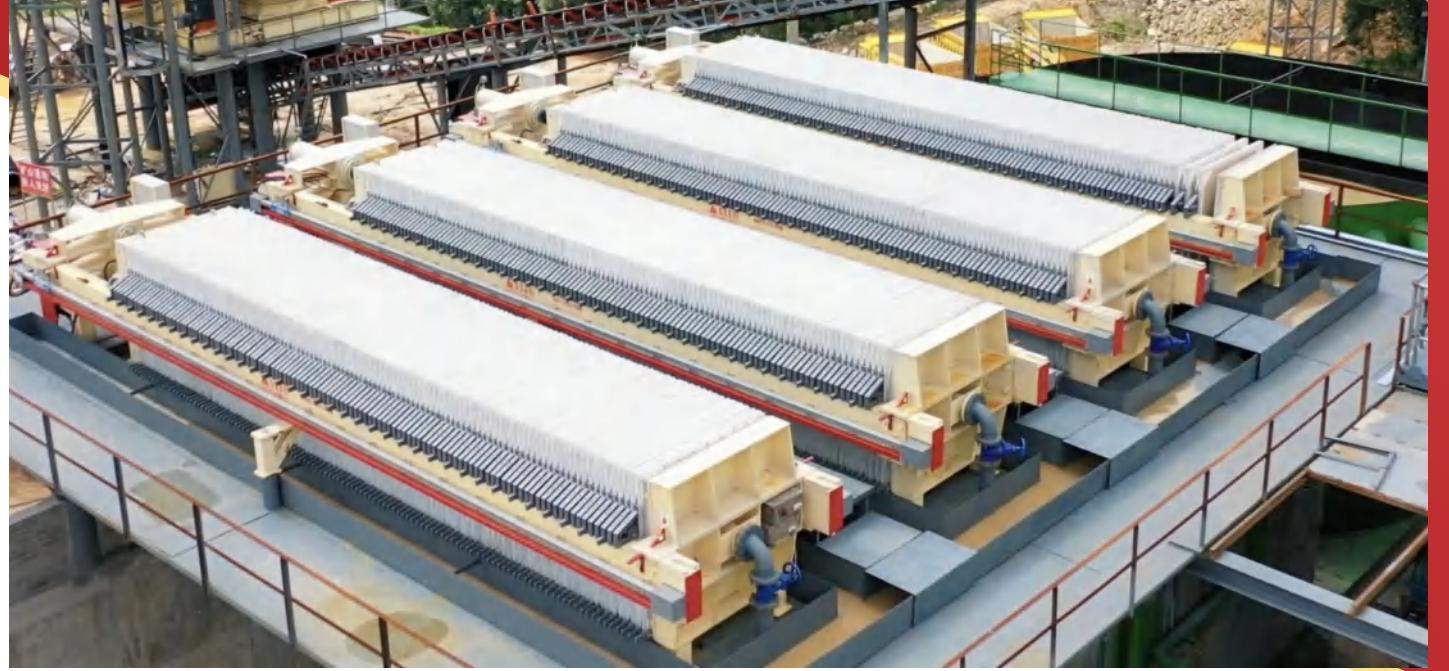
Hydraulic Plate and Frame Filter Press
Guangdong Leimeng Intelligent Equipment Group Co., Ltd.
New Environmentally Friendly Green Potassium Salt Collector
Chonfar Engineering and Technology Co., Ltd.

Yunnan Phosphorus Chemical Group Co., Ltd. 2 Million t/a Phosphorus Ore Mining and Beneficiation Project
China Bluestar Lehigh Engineering Corporation