Ontario Fast-Tracks Frontier Lithium’s PAK Project
Wedoany.com Report-Oct. 30, Frontier Lithium’s C$943 million PAK project in Ontario has become the first mine approved under the province’s new One Project, One Process (1P1P) framework, aimed at halving permitting times for advanced mining projects. The announcement was made on October 17 by Ontario Energy and Mines Minister Stephen Lecce.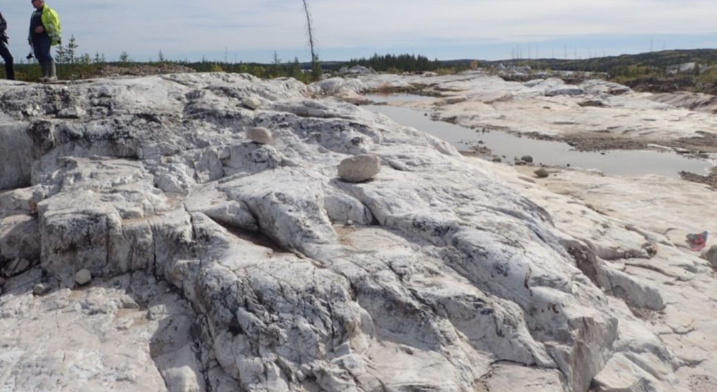
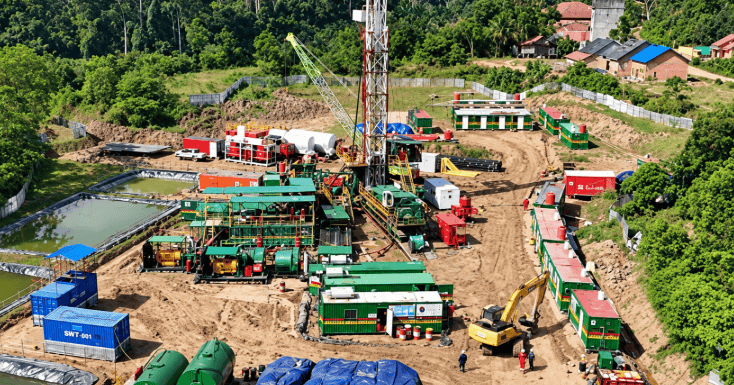
A view of the PAK deposit area.
Frontier President and CEO Trevor Walker highlighted the significance of predictable permitting: “Clarity and predictability in permitting are key to unlocking investment, accelerating project timelines and delivering on Canada’s critical minerals strategy. We are hoping to achieve final investment decision in 2027 and lithium production in 2030-2031.” The PAK project, located over 1,400 km northwest of Toronto near the Manitoba-Ontario border, is being developed in partnership with Japanese conglomerate Mitsubishi.
The hard rock lithium project is designed to produce 200,000 tonnes of spodumene concentrate annually over a 31-year mine life, with projected pre-tax earnings of C$285 million per year and an after-tax internal rate of return of 18%, according to a May feasibility study. Following the announcement, Frontier shares rose 13% to C$0.76 on the Toronto Stock Exchange, valuing the company at roughly C$174 million.
Frontier is also planning a lithium conversion plant in Thunder Bay, which will be linked to PAK. The remote location necessitates new infrastructure, including road upgrades and power transmission. Despite fast-tracking under 1P1P, the project must navigate permitting, Indigenous consultation, and technical challenges associated with combining mining and downstream lithium conversion. High upfront capital costs and fluctuating lithium prices also present risks.
The project lies within the traditional territories of the Deer Lake, Keewaywin, North Spirit Lake, and Sandy Lake First Nations, guided by Anishinninew law. PAK is expected to generate up to C$1.5 billion in GDP, C$124 million in tax revenues, and over 2,000 full-time jobs during construction. Lecce emphasized that the 1P1P framework centralizes permitting and authorization, giving developers confidence to invest and create jobs across northern Ontario, with part of the time savings achieved through inter-ministry collaboration.
PAK has received significant provincial and federal support. At the Prospectors and Developers Association of Canada conference in March, Ottawa committed up to C$120 million, potentially matched by Ontario. A year earlier, the federal government approved C$6.1 million from the Critical Minerals Infrastructure Fund for pre-construction infrastructure, including environmental studies, an all-season access road, and a power link.
Mitsubishi invested an initial C$25 million for a 7.5% stake in a Frontier subsidiary last year, with an option to increase to 25% post-feasibility study. The 280-sq.-km project has a net present value of C$932 million at an 8% discount rate. PAK hosts proven and probable reserves of 31.1 million tonnes at 1.51% lithium oxide across three deposits: PAK, Spark, and Bolt. The maiden inferred resource at Bolt totals 5.5 million tonnes at 1.23% lithium oxide.
The PAK project represents a significant step for Canada’s critical minerals strategy, combining large-scale lithium production with streamlined permitting, strategic partnerships, and infrastructure development to support the domestic and global battery supply chain.
Related Products


Core Technologies of the Mining Technology and Equipment Business Unit: Efficient Mining Methods and Processes
CHANGSHA INSTITUTE OF MINING RESEARCH CO., LTD.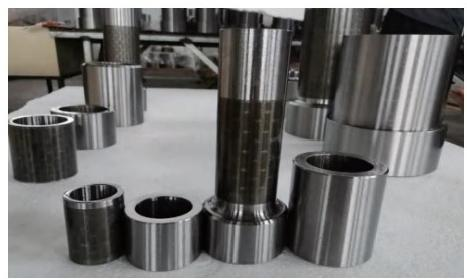
High-temperature Equal Wall Thickness High-power Screw Drilling Tool
Orient Energy & Technologies Co., Ltd.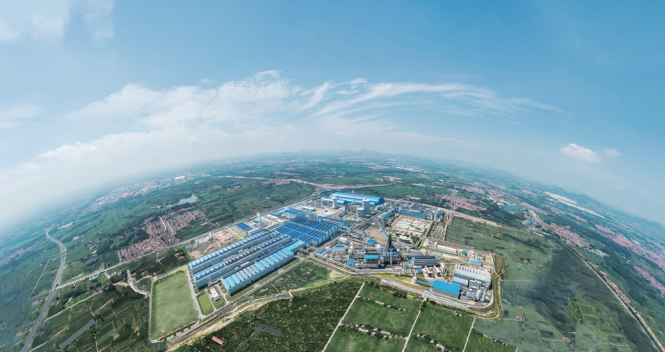
Linyi Steel Investment Special Steel 2.7 Million Tons per Year High-quality Special Steel Project
Capital Engineering & Research Incorporation Limited
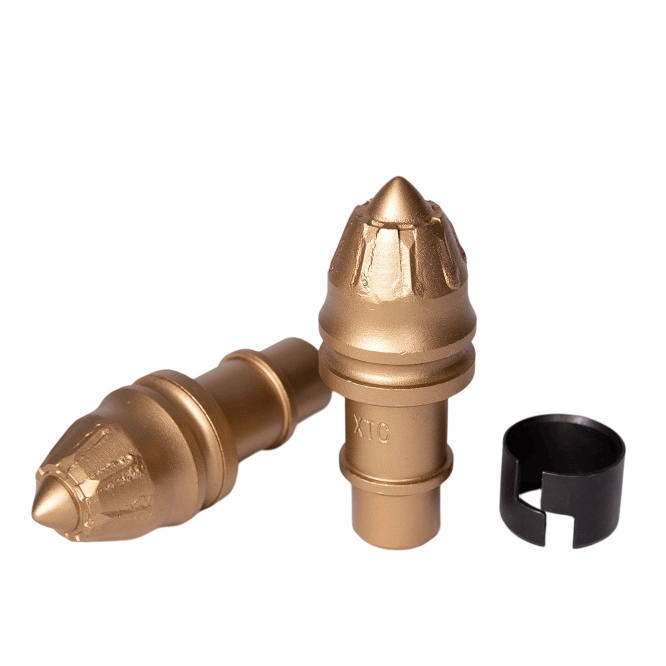

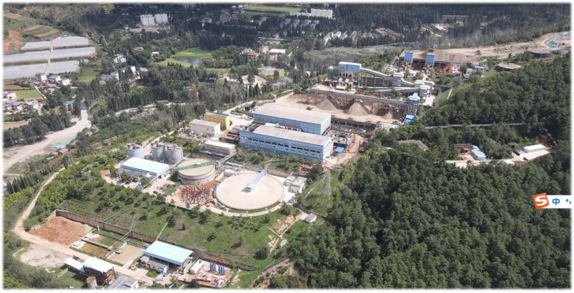
Yunnan Phosphorus Chemical Group Co., Ltd. 2 Million t/a Phosphorus Ore Mining and Beneficiation Project
China Bluestar Lehigh Engineering Corporation