Port of Venice Launches Slovakia–China Link
Wedoany.com Report-Oct. 30, The Port of Venice has inaugurated a new service linking the Volkswagen manufacturing plant in Bratislava, Slovakia, with Chinese ports. Vehicles produced in Bratislava are transported by train to the Tencara Terminal at the end of the Southern Industrial Canal in Porto Marghera. From there, they are staged on newly built yards and loaded onto ships operated by Glovis and Cosco, bound for China.
The service begins with a vessel call every 15 days and aims to reach a full schedule by January 2026, including one ship per week and about 20 trains arriving weekly. At full capacity, the port expects an annual transit volume of approximately 100,000 vehicles. More than 90% of vehicle transportation is carried out by train, significantly reducing CO2 emissions. Transit time between Venice and the Far East is around 30 days.
The project was enabled by the Simplified Logistics Zone (ZLS) at Porto Marghera, which streamlines customs and administrative procedures and encourages new manufacturing and logistics activities. The ZLS has notably shortened waiting times for authorisations, facilitating operational efficiency. Following authorisation, Tencara Terminal invested heavily in infrastructure upgrades, becoming a key player in international automotive logistics.
A new quay of nearly 300 meters now accommodates large ships, ensuring sufficient capacity for loading operations. In addition, over 27 hectares of logistical yards have been developed to support Volkswagen and other automakers with efficient, intermodal management, enabling smooth ship-to-train exchanges.
Matteo Gasparato, Extraordinary Commissioner of the North Adriatic Sea Port Authority, said: “The results achieved today confirm the potential of Venice Port — potentials that we must be fully able to realise. The Simplified Logistics Zone has proven to be a strategic lever for attracting investments in otherwise disused areas and developing new economic opportunities in the region. Likewise, ongoing and planned investments by AdSP are directed towards the development of railway and intermodal infrastructure to enhance traffic efficiency. Now, we must fully foster a strategic synergy within the entire Veneto logistics system, which highlights Venice’s role as a European port hub in close connection with the equally significant interports of our region.”
Peter Hörndlein, Managing Director of Vehicle Logistics at Volkswagen Group Logistics, added: “Today we celebrate an idea becoming reality. For our group, Venice is a strategic port, a port we have chosen to achieve significant goals, both in terms of environmental sustainability, connecting Central and Eastern European production with Asia, and in terms of trade, ensuring shortened transit times for our customers.”
The new Venice service reflects the port’s broader strategy to strengthen its position as a European automotive hub and optimize intermodal logistics. Investments in rail-linked infrastructure, expanded quays, and modern logistical yards support efficiency, sustainability, and the seamless flow of goods between Europe and Asia.
This launch coincides with reports that China’s major container ports, including Shanghai and Ningbo-Zhoushan, continue to drive global maritime activity in 2025, underscoring the growing interconnection between European and Asian trade routes.
Related Products


One-Stop Steward Service for the Entire Logistics System Integration Chain
Zhongding Intelligent (Wuxi) Technology Co., Ltd.
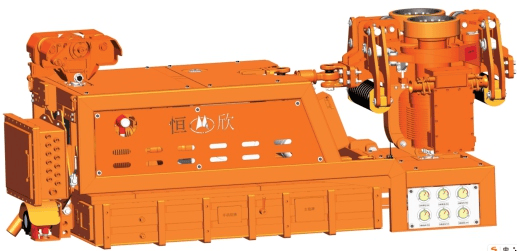
Explosion-proof lithium battery dispatching monorail crane locomotive (permanent magnet frequency conversion integrated machine)
Xiangtan Hengxin Industrial Co., Ltd.
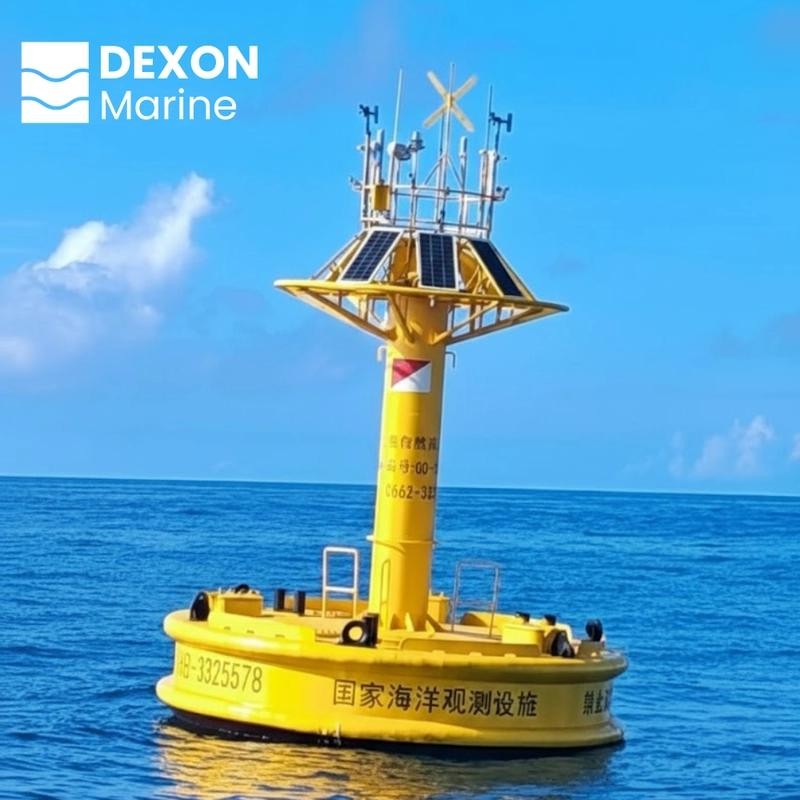
3m intelligent buoy combining navigation safety and real-time marine monitoring integrated navigation and marine monitoring system for real-time maritime data
Chengdu Dixin Technology Co., Ltd.