Guangzhou Baiyun District's New Logistics Policy: Restructuring the "3+10+N" Spatial Layout, Offering Up to Million-Yuan Subsidies to Open Up the International "Fourth Channel"
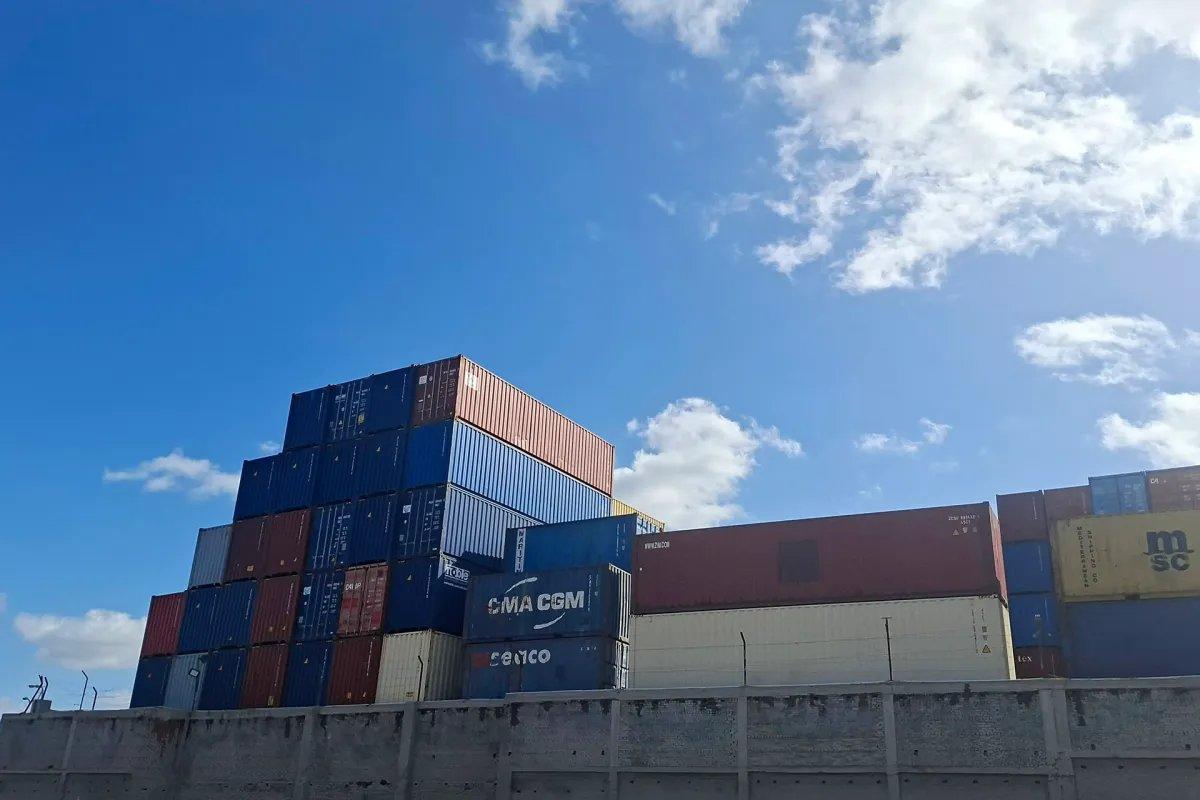
Wedoany.com Report on Mar 16th, Guangzhou Baiyun District in China is home to the "four major hubs" of Guangzhou Baiyun International Airport, Guangzhou International Port, Guangzhou Baiyun Railway Station, and Guangzhou Railway Station, making it a crucial node connecting China's domestic and international dual circulation.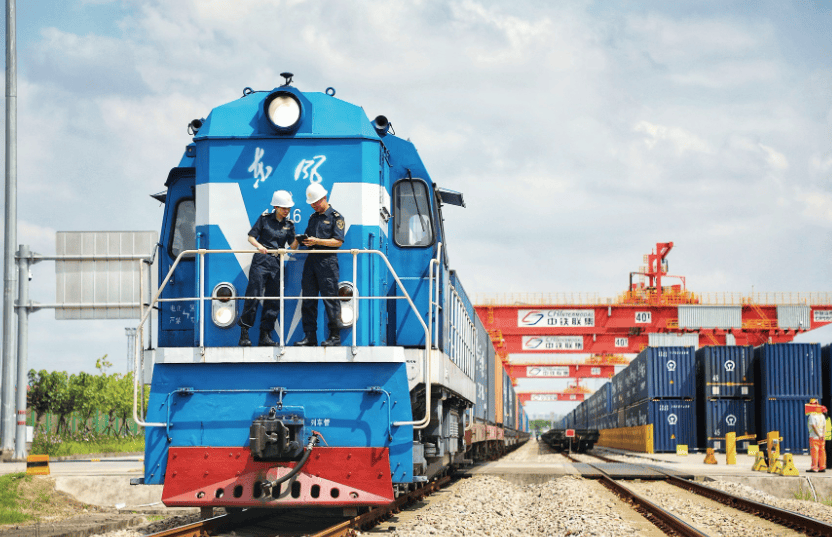
On one hand, Baiyun's logistics industry demonstrates strong development resilience. In 2025, the district's logistics-related industries achieved revenue of 204.3 billion yuan, a year-on-year increase of 4.8%, making it one of the six pillar industries with output value exceeding one trillion yuan within the "6+6+X" modern industrial cluster.
On the other hand, challenges coexist, such as a relatively large proportion of traditional logistics formats, insufficient levels of intelligence, and inadequate agglomeration of high-end factors. Logistics freight yards are intermixed with urban residential areas, creating an urgent need for precise and effective policy guidance to propel the industry from large-scale to high-quality.
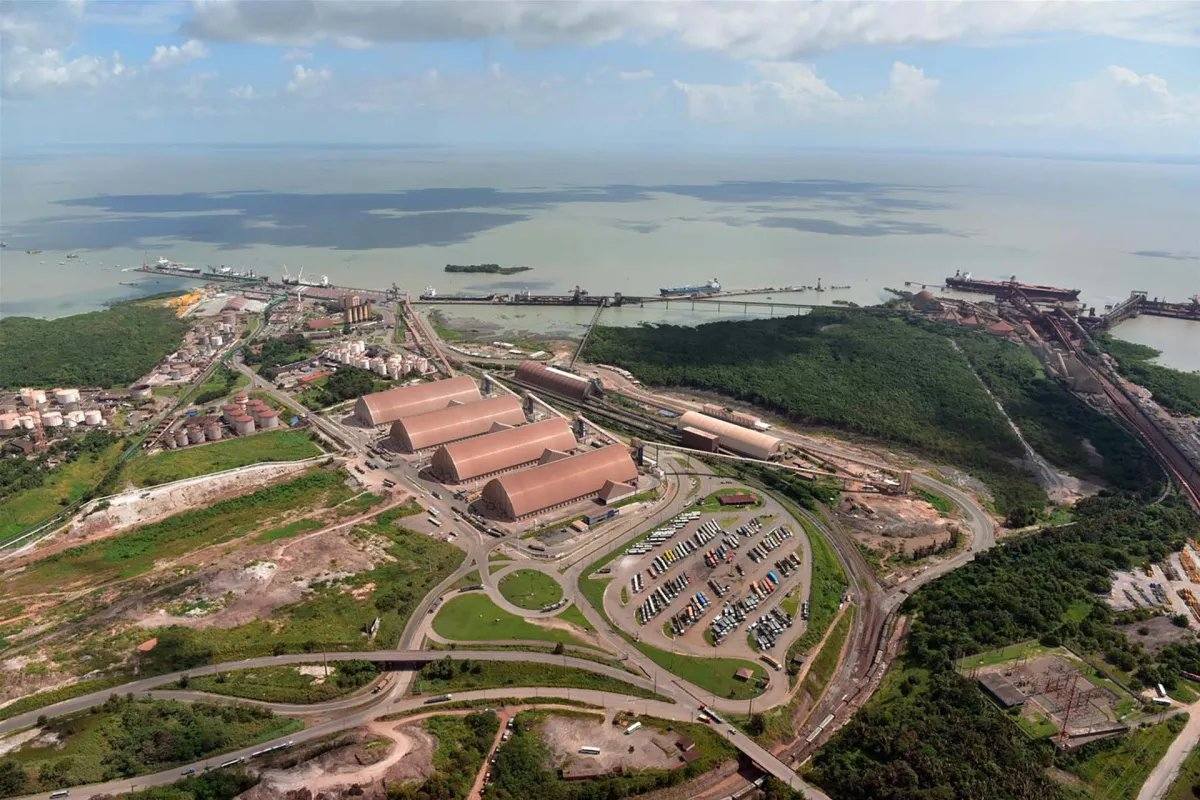
The most eye-catching move in the new policy is the spatial restructuring. The "Several Measures" explicitly proposes creating a "3+10+N" logistics industry layout. The "3" refers to the three core areas: the Airport-type National Logistics Hub, the Guangzhou International Port Hub, and the Dayuan Logistics and Supply Chain Headquarters, guiding enterprises to agglomerate in the "area north of the North Second Ring Expressway and the Guangzhou International Port Hub zone."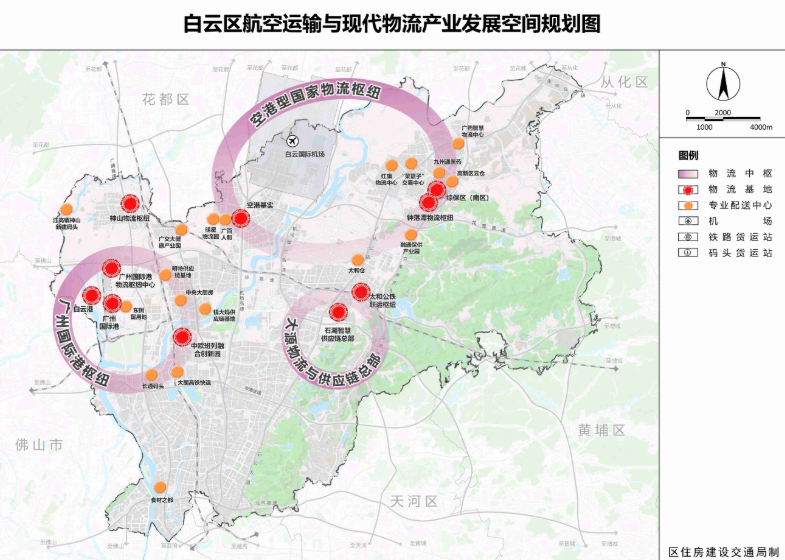
What's clever about this move? Zhang Xiaoming, General Manager Assistant of Guangzhou Urban Planning & Design Survey Research Institute and Dean of the Urban Transportation Science Research Institute, pointed out the dual logic behind it:
First, guiding enterprises northward separates logistics activities from the core residential and business districts in the southern part of the city, fundamentally reducing traffic intermixing and interference, achieving a coordinated pattern of "logistics for logistics, life for life."
Second, the northern area boasts good transportation conditions and lower land acquisition costs, allowing enterprises to operate with less burden; the agglomeration effect can also drive synergy across the industry chain's upstream and downstream, forming a virtuous cycle of "hub + industry."
Guiding logistics enterprises "northward" also crucially depends on the improvement of transportation infrastructure. Currently, Baiyun is making every effort to unblock the city's arteries and veins, such as constructing north-south arterial roads like Huangjinwei Avenue, directly connecting Guangzhou International Port and Baiyun Airport, and improving the east-west road network. Annual investments of tens of billions aim to make transportation within the district "extend in all directions," ensuring that the adjustment of industrial space and the improvement of logistics efficiency proceed in parallel.
If spatial restructuring is about building nests to attract phoenixes, then adapting to international trends is about opening the door to welcome the wind.
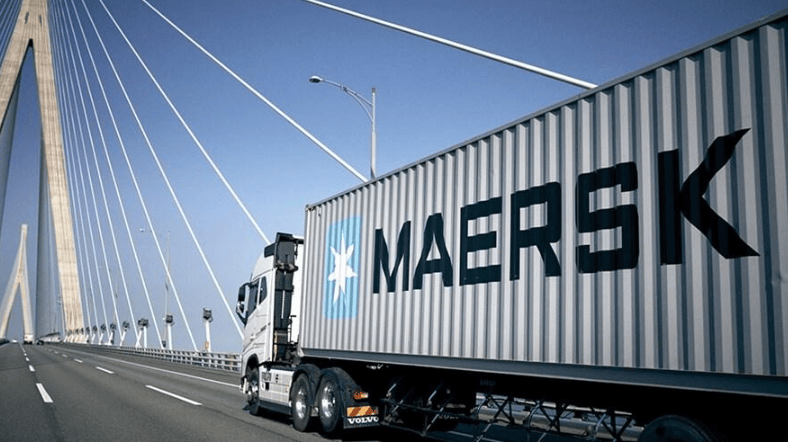
The new policy provides corresponding subsidies for green and efficient models like shifting medium- and long-distance transport from road to rail and cross-border road freight transport. Among them, enterprises certified under TIR or GMS can receive a one-time subsidy of up to 1 million yuan, based on the annual number of international vehicle shipments originating from within Baiyun District.
What is TIR? Its full name is the Customs Convention on the International Transport of Goods under Cover of TIR Carnets (TIR Convention), which China joined in 2016. The TIR system is a global customs facilitation system for international cross-border goods transport based on a UN convention. Currently, there are over 70 contracting parties, basically covering countries involved in the Belt and Road Initiative.
Last year, a TIR vehicle carrying 6.7 tons of goods departed from the Guangzhou Baiyun Airport Comprehensive Bonded Zone (South Area) and exported via the Khorgos Port to Almaty, Kazakhstan, marking the opening of Guangzhou's first TIR international road freight transport channel.
"That shipment used cold-chain logistics throughout, covering a total distance of about 6,000 kilometers and expected to take 94 hours. TIR transport allows for no vehicle change, no transshipment, and no unloading throughout the journey, offering a 'door-to-door' advantage, with transport costs potentially reduced by up to about 38%," explained Wang Yong, Secretary-General of the Baiyun District Logistics Chamber of Commerce and Chairman of Guangdong Lingke Supply Chain Management Co., Ltd.
This is not just about saving money. It signifies that Baiyun is building a "fourth logistics channel" following air, rail, and sea, making the export of "Guangzhou goods from Guangzhou" smoother and enabling deeper integration into the broader framework of the Belt and Road Initiative. Baiyun's new logistics policy precisely supports this new track of efficient, green international logistics.
"After the new policy is introduced, our company could receive subsidies of up to 1 million yuan, which can directly alleviate the financial pressure during our rapid expansion phase," Wang Yong stated.
The "Several Measures" align with the development trends of modern logistics: "internationalization, intelligence, and low-carbonization." A profound restructuring from spatial patterns to industrial forms has already begun.
Baiyun District will adopt a more open attitude, a better business environment, and more practical service measures to sincerely invite global logistics enterprises to invest and do business, working together to build a world-oriented modern logistics hub.
Related Products
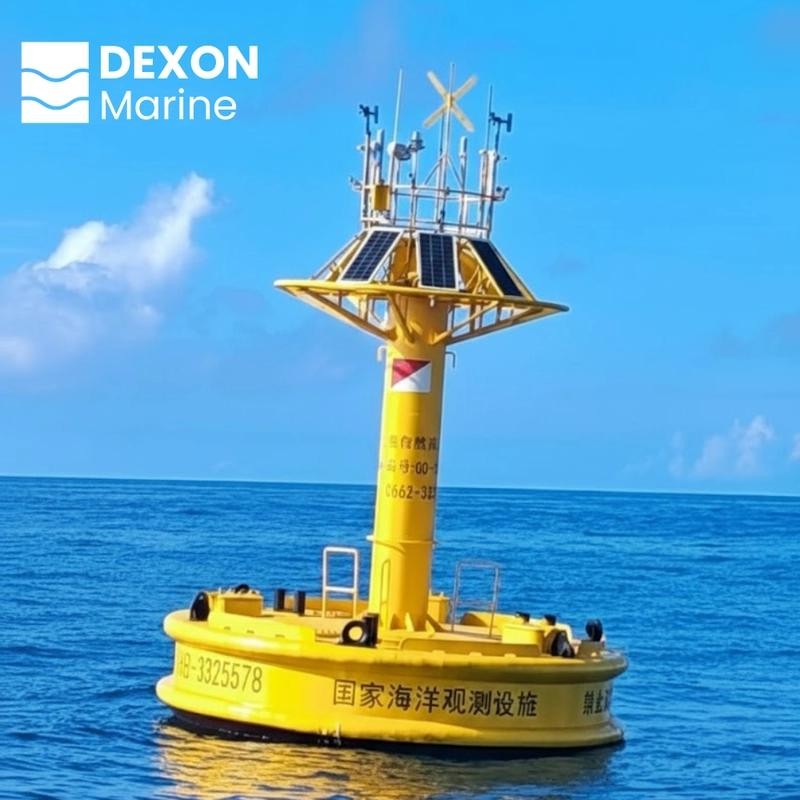

3m intelligent buoy combining navigation safety and real-time marine monitoring integrated navigation and marine monitoring system for real-time maritime data
Chengdu Dixin Technology Co., Ltd.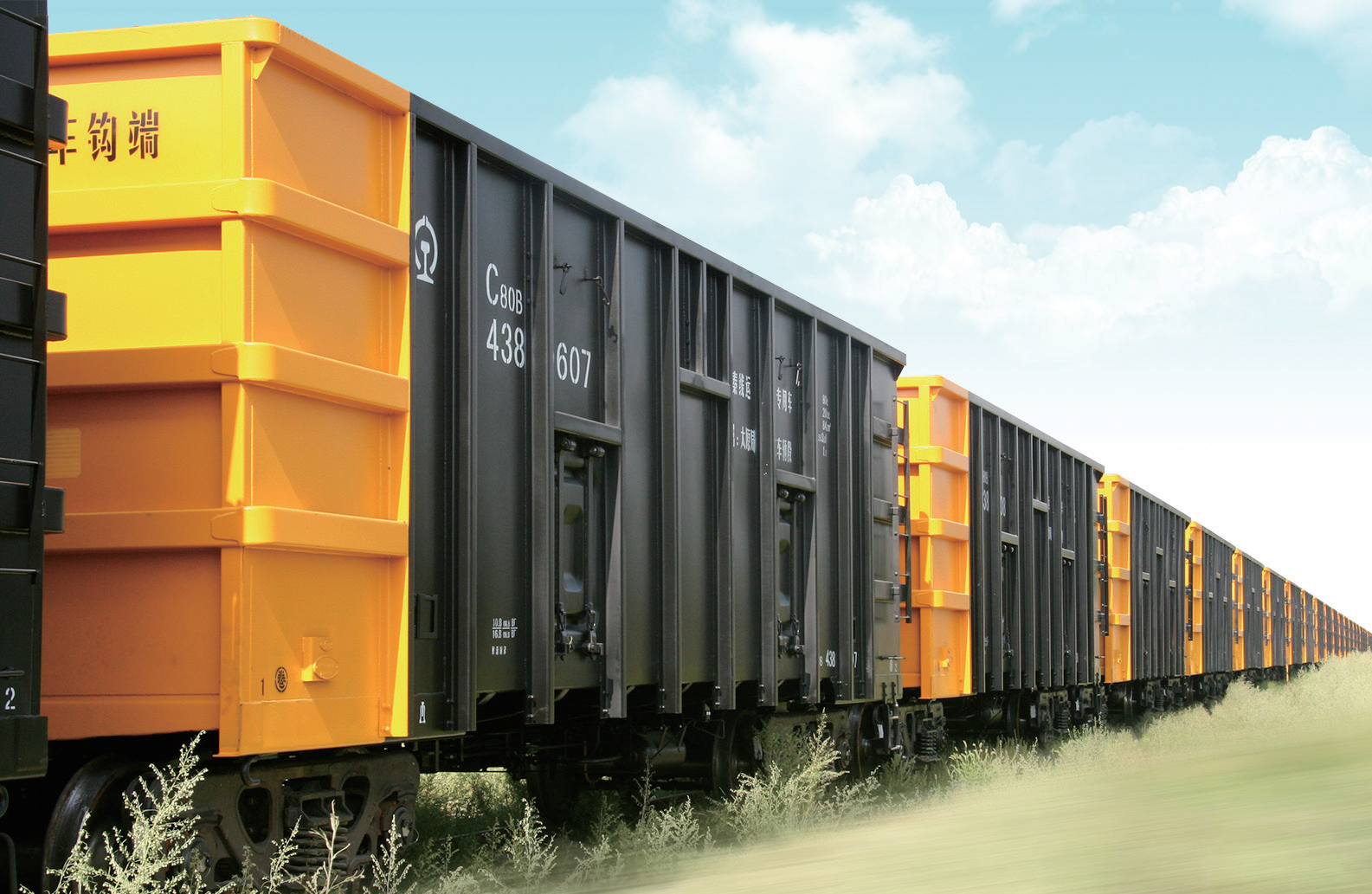


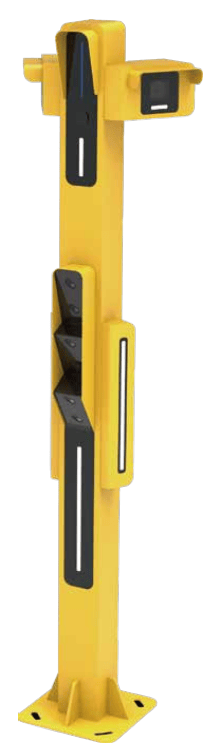
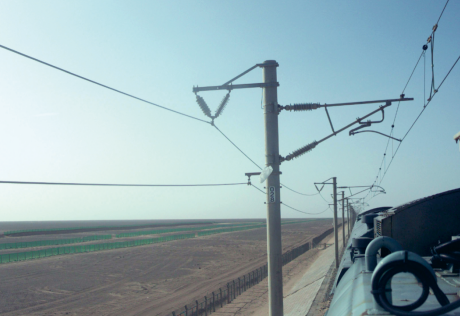
Pantograph-Catenary Comprehensive Detection Device (1C)
CHENGDU TANGYUAN ELECTRIC CO., LTD.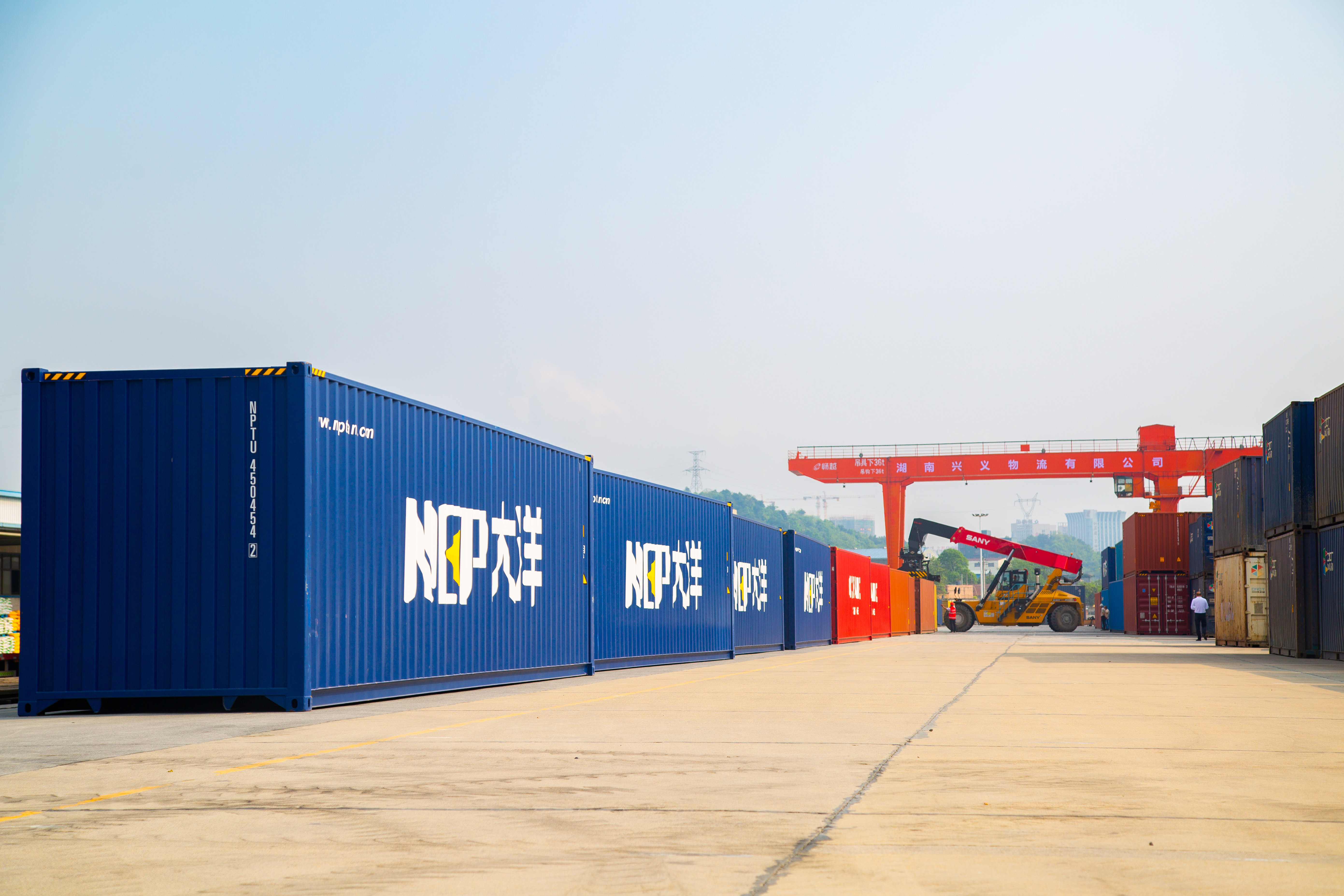
China - Alashankou/Khorgos - Europe Full Range Transportation (Mala/Hamburg/Duisburg/Budapest, etc.)
Shenzhen Neptune Logistics Co., Ltd.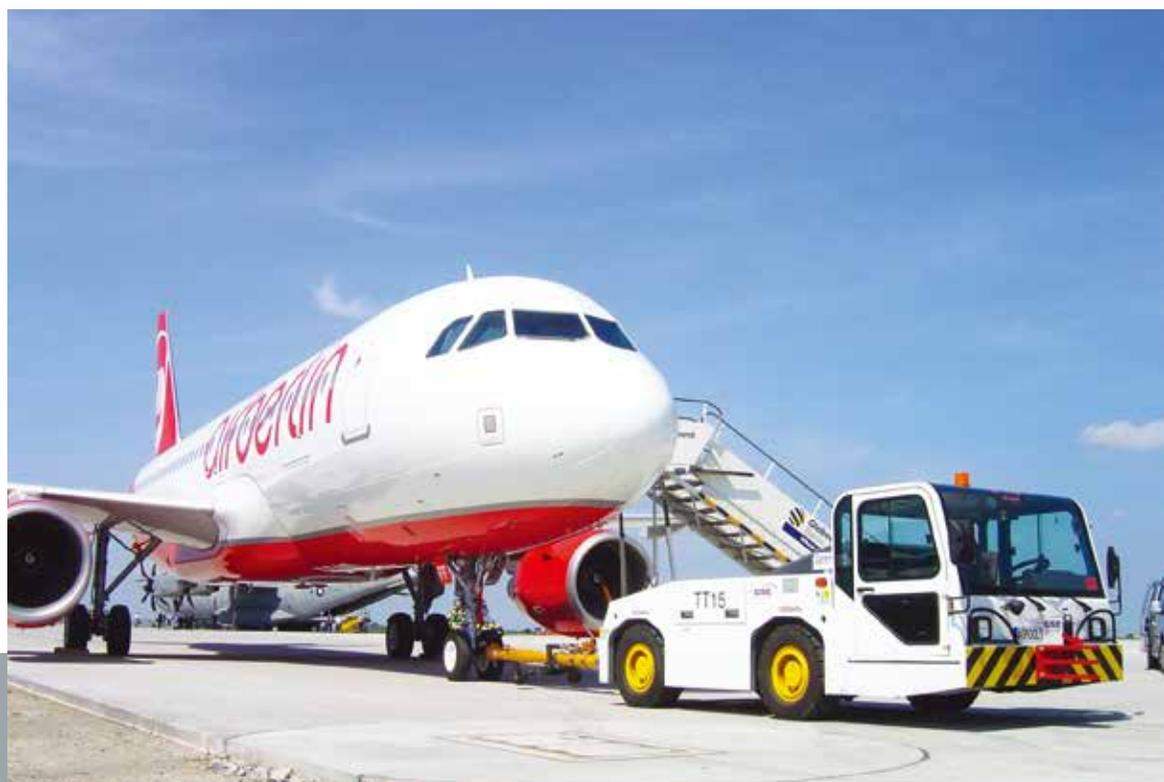
WGQY Series Aircraft Tow Tractor-WGQY15, WGQY27
Weihai Guangtai Airport Equipment Co., Ltd.