UK’s Big Three Sawmillers Back C16 to Tackle Housing Shortage
Wedoany.com Report-Oct. 30, The UK's leading sawmill operators—BSW Timber, James Jones & Sons, and Glennon Brothers—have initiated a collaborative effort to increase the use of locally sourced timber in building projects. Supported by organizations Confor and Timber Development UK, this initiative aligns with national strategies to expand domestic production.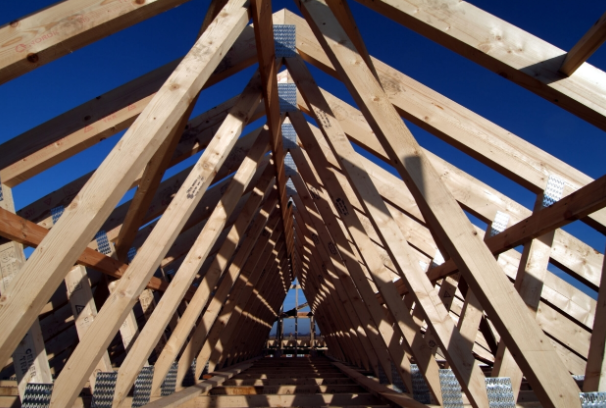
“This is about securing a consistent, sustainable supply of timber material,” according to Stuart Goodall, CEO of Confor, who discussed the campaign earlier this month. “Global demand for timber is projected to rise significantly, given its low-carbon benefits. If the UK wants a secure, consistent, and sustainable supply of timber material, now is the time to invest in our industry.”
Mary Creagh, the UK’s Minister for Nature, noted that the campaign complements the Timber in Construction Roadmap, which emphasizes tree planting, employment opportunities in green sectors, and lower emissions from building activities. “Our Plan for Change is focused on creating new, green jobs, planting more trees, increasing access to nature, and reducing carbon emissions,” Mary Creagh said. “We currently import 80 per cent of the timber we use, and that needs to change.”
The effort addresses the reliance on overseas supplies, where the UK sources most construction timber, resulting in substantial external spending and missed opportunities for local processing. Central to the push is C16-graded timber, a domestic standard suitable for standard framing applications often filled by pricier imported options.
James Jones & Sons, alongside BSW Timber and Glennon Brothers, handles the bulk of C16 timber distribution in the UK. The strategy involves expanding efficient woodlands, modernizing extraction and milling operations, encouraging specifiers and builders to select home-produced materials when feasible, and showcasing example builds.
A representative from one mill highlighted that production of C16 volumes is already robust, with challenges stemming more from established purchasing patterns, design standards, and distribution links built over years.
Advantages include decreased embedded carbon from materials and shipping, plus retention of processing roles in countryside areas. Shifting toward timber over alternatives like concrete or steel could lower overall emissions and revive regional manufacturing capacity affected by heavy import use.
The UK imports 6 to 7 million cubic meters of softwood lumber yearly, compared to domestic output of about 3 to 4 million cubic meters, positioning it as Europe's top softwood purchaser.
This development follows reports of potential new suppliers targeting the UK market for softwood. “British Columbia is the second largest exporter of softwood lumber in the world, and with U.S. President Donald Trump’s continued attacks on our forestry workers and economy, we are not sitting idly by,” Ravi Parmar, B.C.’s minister of forests, said. “We are making it easier for our friends across the pond to buy our world-class lumber, and we are supporting our forestry sector to get boots on the ground in more growing wood markets around the world.”
The joint initiative marks a pioneering step by major producers to foster self-reliance in timber resources, promoting sustainable practices and economic gains within the sector.
Related Products


300mm Segment Type Countdown Traffic Light (Core Type)
Yangzhou FAMA Intelligent Equipment Co., Ltd.
ERW Welded Pipe (Black Pipe and Hot-dip Galvanized Steel Pipe)
Handan Zhengda Steel Pipe Co., Ltd.

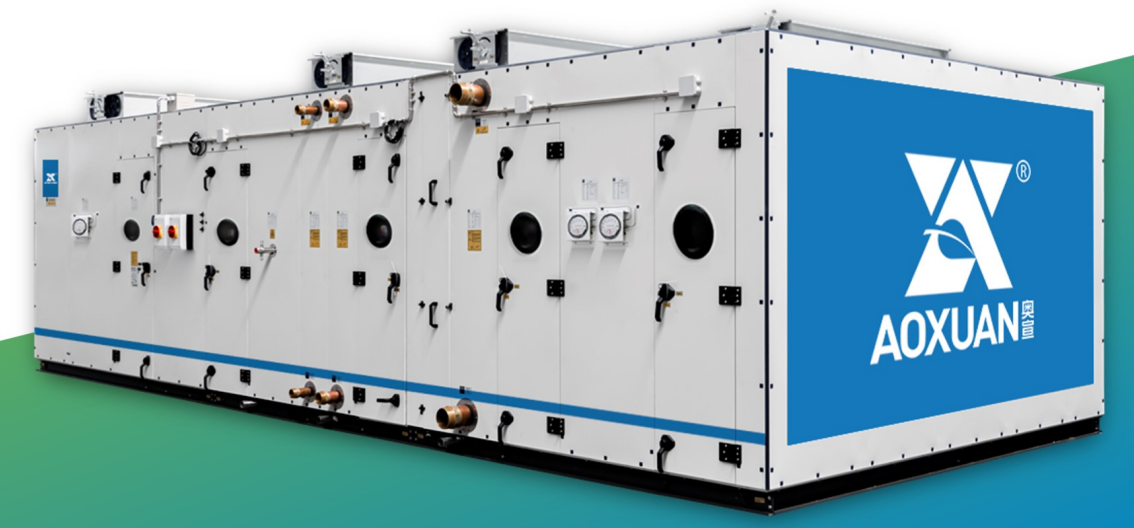
Aoxuan Intelligent Precision Air Conditioning Unit
SHANGHAI AOXUAN PURIFICATION TECHNOLOGY CO., LTD.
West China Xiamen Hospital of Sichuan University
Wuhan Huakang Century Clean Technology Co., Ltd.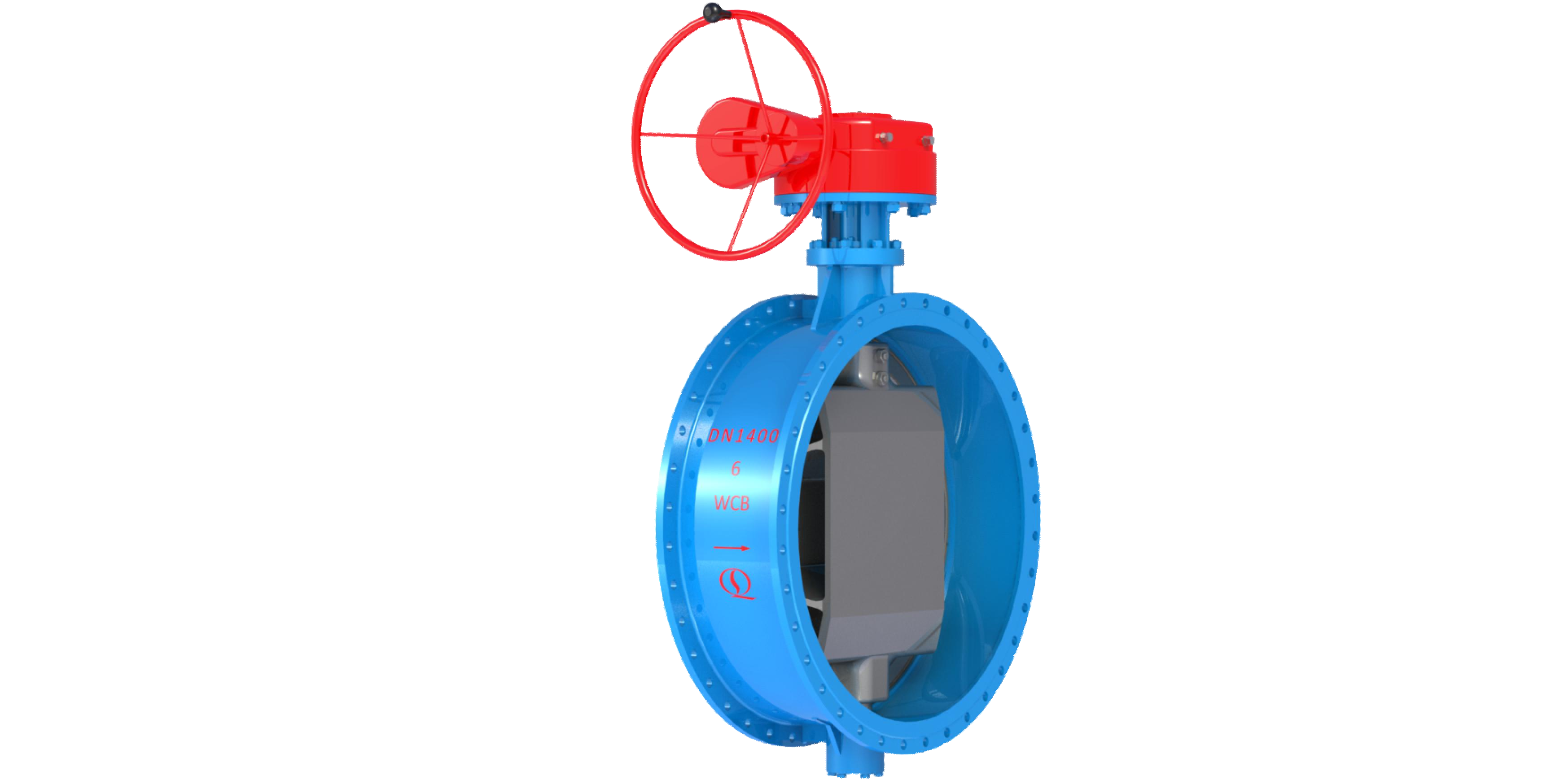
Bidirectional Metal Hard Sealed Seawater Butterfly Valve
Henan Quanshun Flow Control Science & Technology Co., Ltd.
Ultra-Pure Ferrite Stainless Steel Products
Gansu JISCO Group Hongxing Iron and Steel Co., Ltd.

Industrial and Commercial Point-Type Gas Detector
Jinan Benan Technology Development Co., Ltd.