Wedoany.com Report-Nov. 1, The environmental legacy of World War II-era uranium mining in the United States continues to affect communities, particularly on tribal lands. Thousands of abandoned uranium mine waste sites remain contaminated, including hundreds on or near Navajo Nation lands, with little progress on cleanup for decades.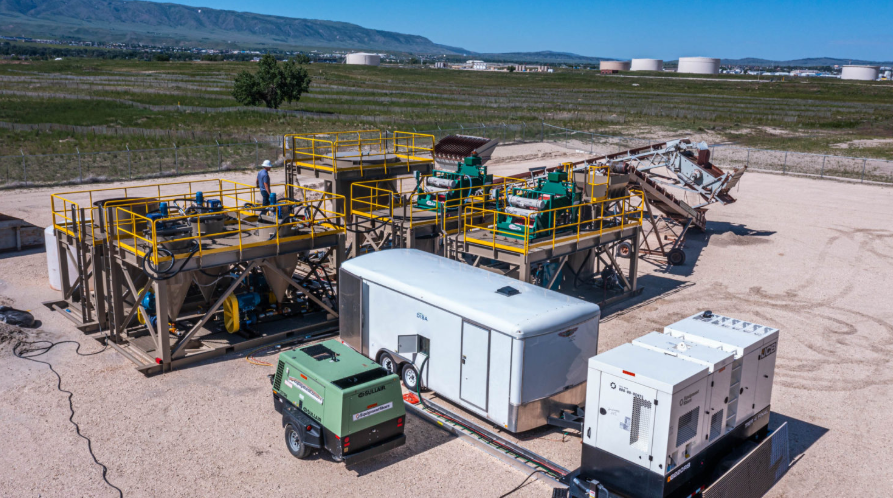
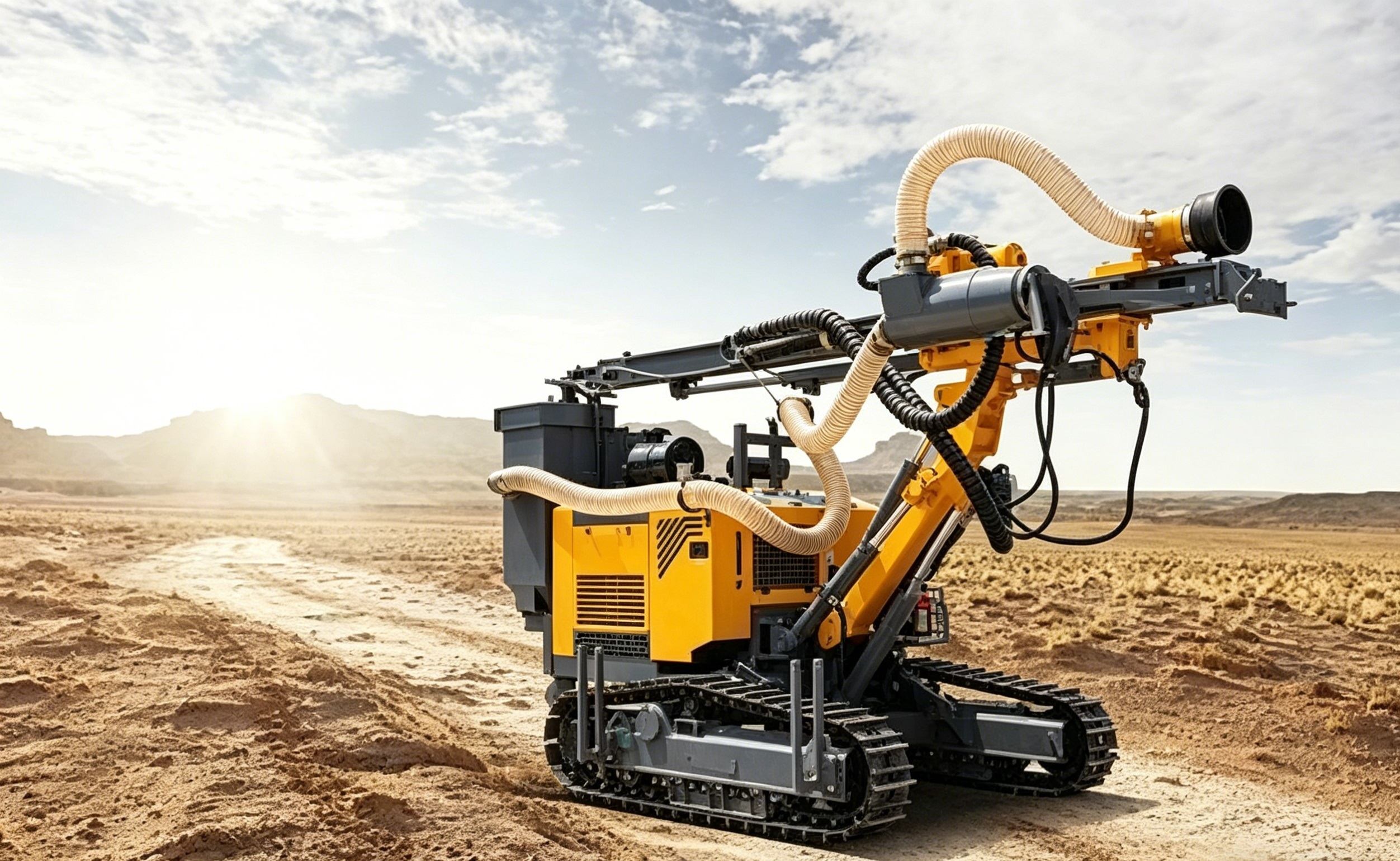
DISA Genbravo deployed in the field in Utah.
On September 30, the US Nuclear Regulatory Commission (NRC) issued a license to Wyoming-based DISA Technologies, authorizing the company to remediate abandoned uranium mines across the Western US and recycle uranium for domestic energy use. This is the first license of its kind granted by the NRC. Uranium is a key source of baseload power for nuclear energy, with the US requiring an estimated 32 million pounds annually for its 94 nuclear reactors, which supply about one-fifth of the country’s electricity. In 2024, the US imported 50 million pounds of uranium but produced only 677,000 pounds domestically.
DISA Technologies CEO Greyson Buckingham explained that the new license allows recovery of hundreds of millions of pounds of uranium-bearing material stranded in legacy waste piles while eliminating long-standing environmental hazards. The company’s high-pressure slurry ablation (HPSA) technology, the only validated approach for these abandoned sites, will separate uranium safely from waste material. Buckingham noted that over 15,000 sites remain across the Western US, many left unregulated during the Cold War and subsequent uranium mining boom.
“These waste piles of uneconomic material just became abandoned and discarded,” Buckingham said. “The longer we leave this material sit on site, the more it degrades. Uranium oxidizes, leaches into water, and dust particles spread into population centers.” He highlighted that 523 Superfund sites exist on Navajo lands. DISA plans to build treatment units capable of processing 50 to 110 tons per hour, targeting sites averaging around 30,000 tons. The company has worked with the Navajo Nation for over five years, including treatability studies sponsored by the US EPA in 2022, and has contracts to remediate its first site.
Wyoming Senator Cynthia Lummis praised the NRC approval, saying: “An expedited approval process demonstrates what’s possible when innovative companies are empowered by federal regulators to establish clear, first-of-its-kind frameworks that prioritize both safety and efficiency… This license is a critical step in allowing DISA to move forward with its critical remediation and recover valuable materials in the process.”
The Navajo Nation, which experienced extensive uranium mining from 1944 to 1986, supports the initiative. Stephen B. Etsitty, Executive Director of the Navajo Nation Environmental Protection Agency, emphasized the need for safe remediation and proposed establishing a low-level waste repository close to communities to reduce transportation risks. He noted that the goal is to separate heavy metals from host rocks, manage waste streams effectively, and recycle uranium where possible.
The initiative represents a major step toward addressing decades-old environmental hazards, recovering valuable resources for domestic energy, and improving safety and health outcomes for communities affected by abandoned uranium mine waste.