Wedoany.com Report-Nov. 4, In April 1998, geologist Sidiki Koné and his team set out from Moribadou village, trekking six hours through the dense forests of the Guinea Highlands. “It was extremely difficult,” he recalled. “In front was forest. It was forest to the left and forest to the right. Behind it was the same thing. And I said ‘how is this work possible?’” Koné was mapping and drilling for Rio Tinto Group, which had confirmed vast iron ore deposits at the Simandou site, one of the world’s richest yet largely untapped reserves.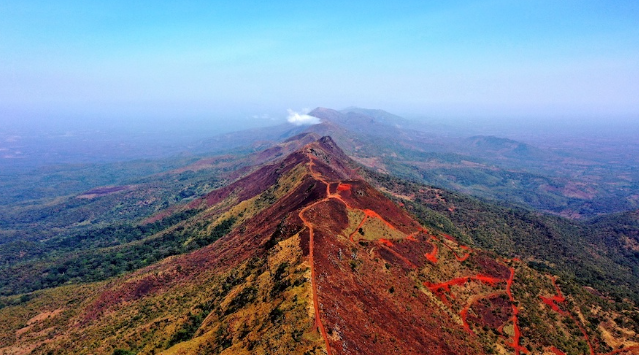
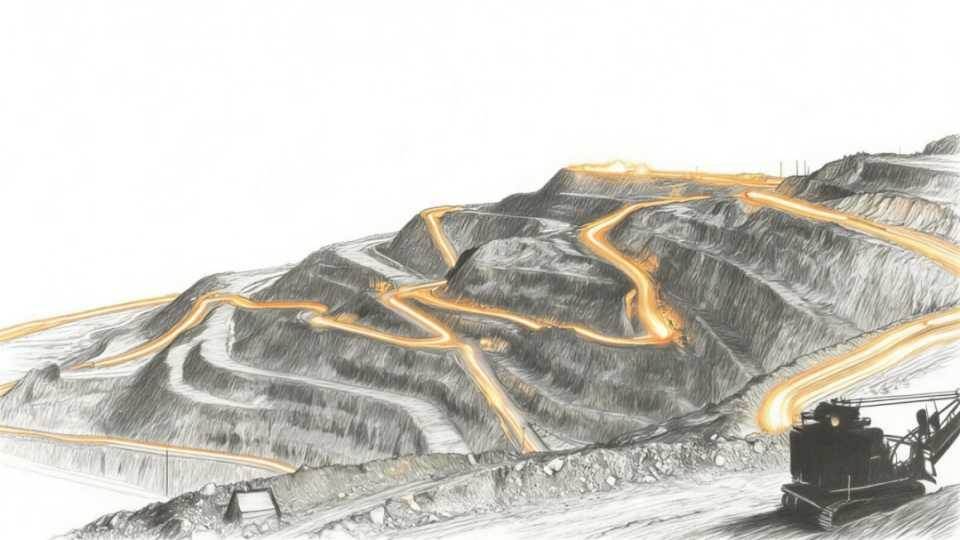
The Simandou mountains are home to the world’s largest known untapped deposit of high-grade iron ore.
The Simandou deposit, first explored in the 1950s, lies beneath one of the planet’s most biodiverse ecosystems. Its remoteness, combined with Guinea’s political instability, corruption allegations, and corporate disputes, kept the ore in the ground for decades. Last month, a new railway began transporting ore to a purpose-built port, with shipments expected to reach China’s steel industry by year-end.
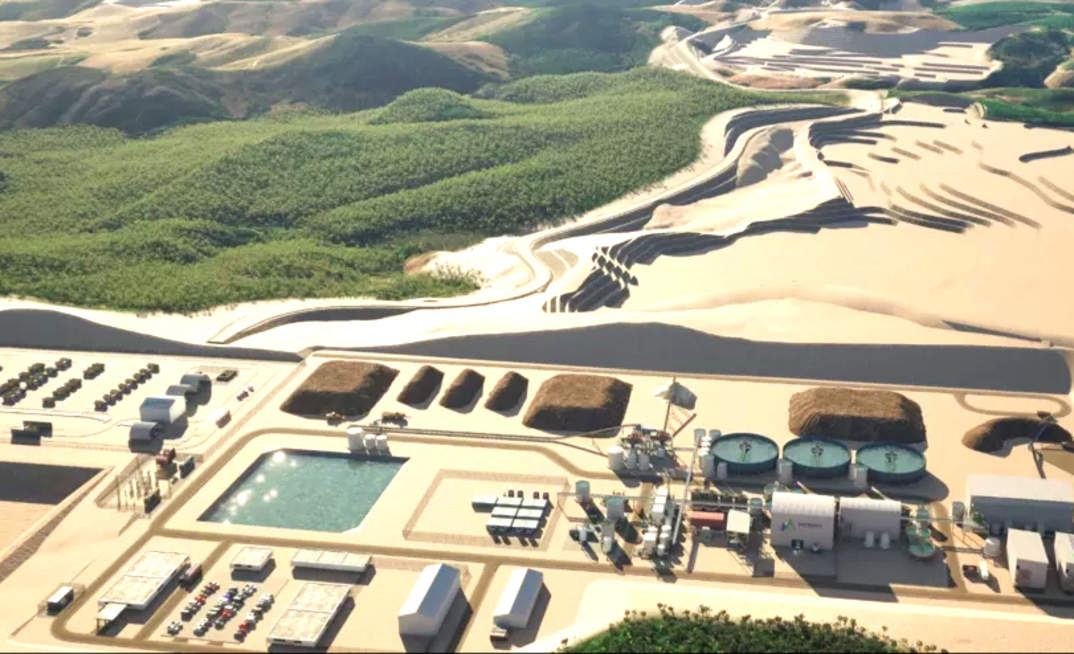
Simandou’s reserves are estimated at over three billion tons of high-grade iron ore, making it the world’s largest untapped deposit. Rio Tinto’s plan involves extracting ore from an 8-kilometer mountain ridge before moving to a second site. At $23 billion, it is Africa’s largest mining project, potentially making Guinea the continent’s second-largest mineral exporter by value.
Despite Rio initially holding rights to the full deposit, it now retains only a quarter share. Chinese companies own most of the project, including Aluminum Corp. of China, Rio’s joint-venture partner. The new supplies are expected to give China greater influence over global iron ore pricing and secure its supply chains. Tom Price, head of commodities strategy at Panmure Liberum, said: “Never before has China held this level of pricing power over the seaborne iron ore trade. Expect it to start calling the shots here.”
In the early 2000s, Simandou remained largely undeveloped. In 2007, a hostile bid by BHP highlighted the strategic importance of the site, and Rio used Simandou to defend its valuation. Over the years, Guinea’s governments revoked and reallocated mining rights amid legal and corporate disputes, involving BSGR, Vale, and billionaire Beny Steinmetz. By 2019, a consortium of Chinese and Singaporean companies gained the development rights, building rail corridors and a port to handle 120 million tons annually.
Rio and the Chinese-backed consortium WCS formed a partnership in 2022 to finance and build the infrastructure, with Guinea receiving a 15% stake. The first cargo is set to ship this month, with Rio ramping up to 60 million tons annually over 30 months. Combined output could reach about 5% of global production in 2024, earning the project the nickname “Pilbara Killer” for its potential impact on Australia’s iron ore industry.
China’s state-owned China Mineral Resources Group has become the world’s largest buyer of iron ore, giving Beijing leverage over producers like BHP, Vale, and Rio. Internal forecasts predict iron ore prices could drop to $85 per ton as Simandou reaches full output.
For Guinea, the project is transformative. It is expected to increase GDP by over 25% by the early 2030s, though challenges remain, including environmental impacts on one of the world’s most diverse ecosystems, heavy-metal runoff, displacement of at least 450 villages, and worker safety concerns.
Rio and WCS have also been tasked with studying the construction of a steel plant in Guinea two years after operations start. Djiba Diakite, head of the Simandou Strategic Committee, said: “The goal for us is not to take the money and spend it. It’s to take the money, a good part of it, to develop the other sectors of our country which aren’t the mining sector.”
With massive railways, port facilities, and industrial operations in place, Simandou represents a milestone in mining scale. Bold Baatar, Rio’s chief commercial officer, remarked: “I don’t think there are many mining executives that have anything like this through their life. I mean, it’s the largest mining project in the world.”