Amaroq Discovers Rare Earth Elements in South Greenland
Wedoany.com Report-Nov. 5, Amaroq Minerals, a Greenland-based mining company, has announced the discovery of conventional rare earth element (REE) mineralisation within the Nunarsuit mineral licence area in South Greenland, marking its first confirmed high-grade REE occurrence and a strategic expansion into the critical minerals sector.
Assay results from the Ilua pegmatite zone indicate an average composition of 27% heavy and 73% light REEs.
The Nunarsuit licence is part of the Gardaq ApS joint venture (JV) operated by Amaroq. The company confirmed that the Ilua pegmatite zone within this licence hosts REE mineralisation, with grades reaching up to 2.31% total rare earth oxide (TREO). Located in the Gardar igneous province, the zone lies in an area that the European Commission’s Joint Research Centre estimates contains around 20% of global REE resources and includes other known deposits such as Kvanefjeld and Tanbreez.
Assay results from Ilua show an average composition of 27% heavy and 73% light REEs, with about 21% consisting of key magnet metals such as neodymium, praseodymium, dysprosium, and terbium. The mineralisation appears to be hosted in low-uranium, traditional mineralogy, particularly monazite, which is considered suitable for conventional extraction and processing techniques.
Amaroq’s Vice President of Exploration, James Gilbertson, said: “The confirmation of high grade REEs on our licence area is very good news and we are extremely encouraged by these initial results, which marks the first entry of Amaroq into the REE space in Greenland. The fact that the REE mineralisation appears to be hosted in low uranium, ‘traditional’ minerology is particularly encouraging; Amaroq believe that the host is likely to be a well-understood rare earth ore mineral monazite that typically lends itself to conventional extraction and processing techniques.”
Initial fieldwork indicates the presence of an extensive REE-bearing pegmatite system, with the Ilua outcrop measuring several metres wide and extending approximately 5km in strike length. Amaroq also identified potential parallel structures within the area, which it plans to evaluate during the 2026 exploration season.
The technical team will continue assessments and prepare for a scout drilling campaign expected to begin in spring 2026, aimed at testing the volumetric potential of the prospect. Notably, the average assay results remain below Greenland’s regulatory threshold for uranium, further supporting the site’s exploration viability.
Gilbertson added: “This potential discovery builds on our expertise in defining resources and mine development in the region, while diversifying into critical minerals at a time of rising global demand for these resources. Our team is looking forward to unlocking the full value of this potential discovery with further work and scout drilling in 2026, and we are optimistic that Nunarsuit’s rare earth potential could add significant shareholder value alongside our existing projects.”
In July 2024, Amaroq received approval from the Government of Greenland for the environmental and social impact assessments related to its Nalunaq project, underscoring the company’s ongoing progress in sustainable mineral resource development across Greenland.
Related Products

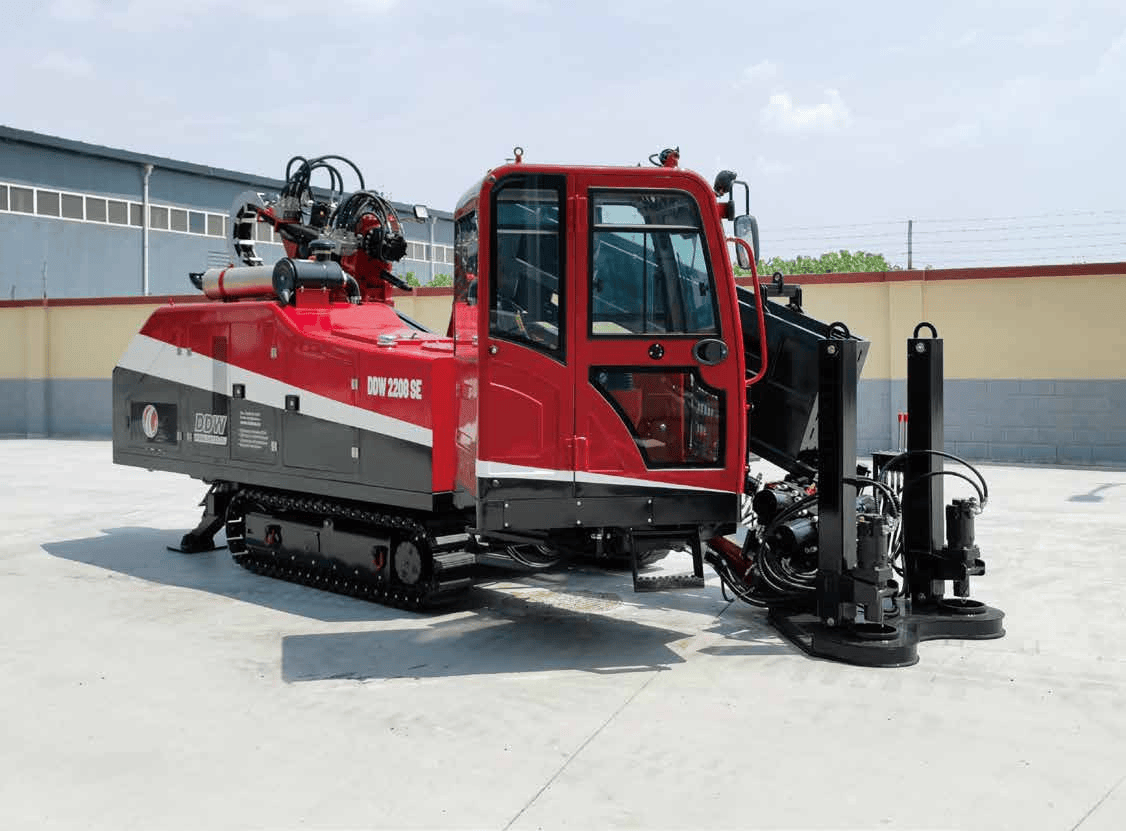
DDW22/08SE-HORIZONTAL DIRECTIONAL DRILL
DW/TXS Construction Equipment (Beijing) Co., Ltd.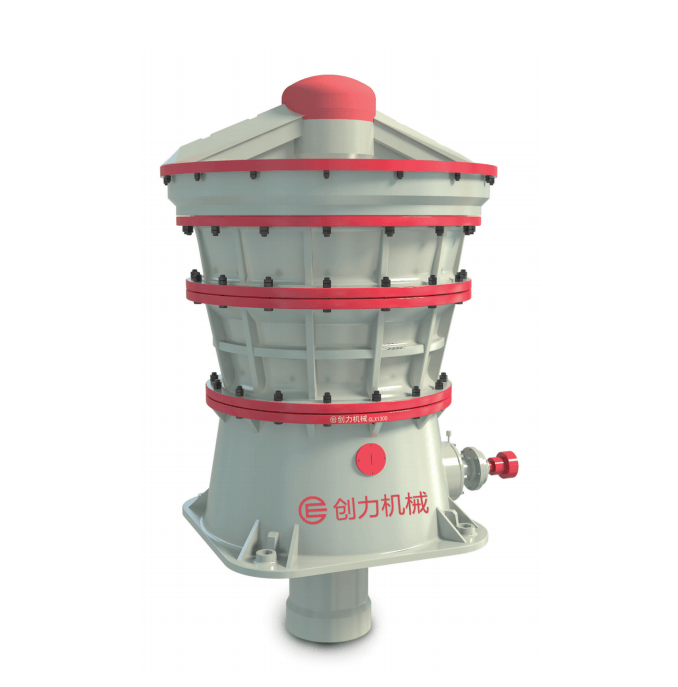
CLX Series Intelligent Hydraulic Gyratory Crusher
Guangdong CHUANGLI intelligent machinery Equipment Co., LTD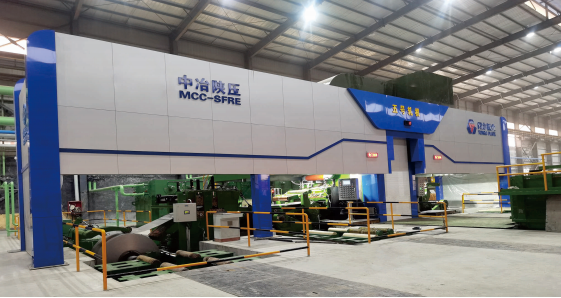
1050-1750mm Steel Strip Single-stand Reversible Cold Rolling Production Line
MCC-SFRE HEAVY INDUSTRY EQUIPMENT CO., LTD.
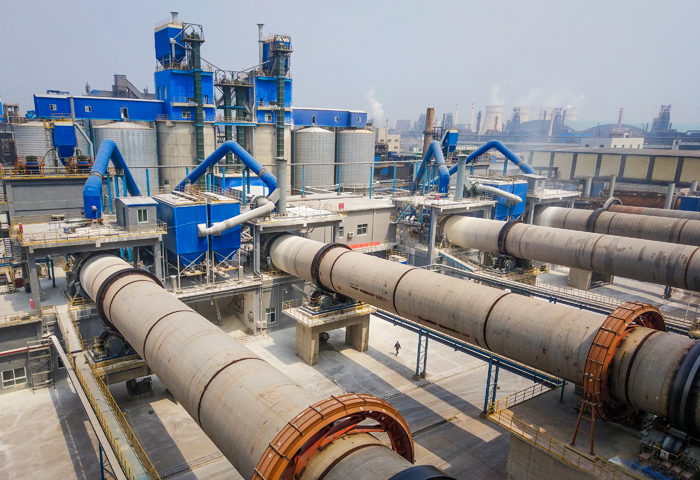
CITIC Heavy Industries Metallurgical Equipment Steel Smelting Engineering Equipment
CITIC Heavy Industries Co., Ltd.
CKD135E Pure Electric Wide-body Dump Truck
Jiangsu Changkuang Engineering Machinery Co. Ltd.