Latest Estimates: China's Sand and Gravel Market Demand to Reach Approximately 12.7 Billion Tons in 2025
Wedoany.com Report on Feb 5th, China's sand and gravel market demand entered a deep adjustment cycle in 2025, with total demand reaching approximately 12.7 billion tons. This represents a 7.24% decrease compared to the previous year (13.689 billion tons) and a drop of about 30% from the historical peak year.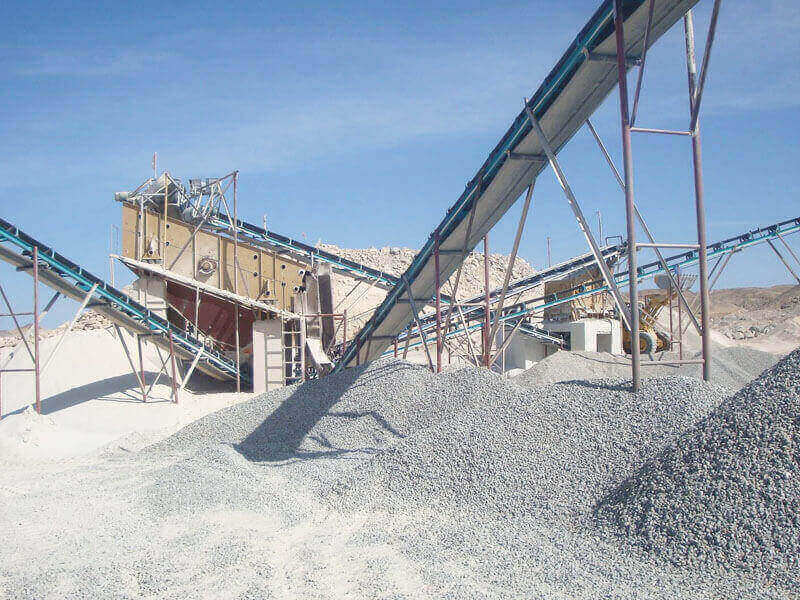
Looking at quarterly performance, market demand showed significant fluctuations: In the first quarter, affected by the winter construction off-season, China's sand and gravel demand was only 2.484 billion tons, with regional markets generally under pressure. Demand recovered somewhat in the second quarter, reaching 3.626 billion tons, as construction intensity in infrastructure and real estate projects picked up. Provinces like Hebei and Tibet achieved counter-trend growth by leveraging national strategic projects. Demand continued to be weak in the third quarter, falling to 3.35 billion tons. Although the fourth quarter is traditionally a peak demand period, market performance fell short of expectations, with demand at 3.239 billion tons, showing a decline compared to the second quarter.
In terms of provincial demand structure, Jiangsu (923 million tons) and Guangdong (912 million tons) led the country, with demand exceeding 900 million tons each. Anhui (835 million tons) and Sichuan (813 million tons) followed closely, forming the second tier with demand above 800 million tons, clarifying the regional demand landscape.
Industry insiders indicate that the sand and gravel market is currently undergoing a critical transition from being driven by "traditional infrastructure + real estate" to being driven by "national strategic projects + regional shortfall remediation projects." Looking ahead, sand and gravel enterprises need to focus on three key development directions: first, seizing infrastructure opportunities within major national regional strategies; second, expanding into emerging application scenarios such as urban renewal and rural revitalization; and third, enhancing core competitiveness through supply chain optimization and regional layout adjustments. In this crucial stage of industry restructuring, enterprises that proactively adapt to market changes and precisely grasp structural opportunities are expected to gain the initiative for future development.
Related Products
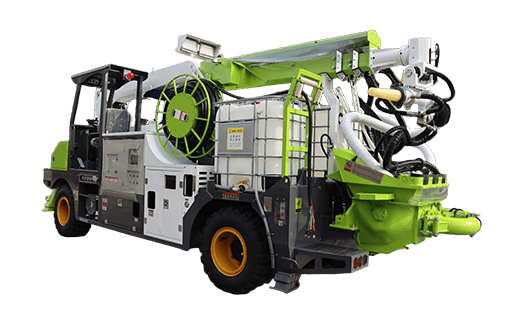

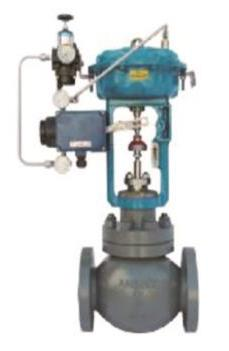
Quick-Change Single-Seat Control Valve / Quick-Change High-Pressure Single-Seat Control Valve
Beijing Consen Automation Technology Co., Ltd.
Mine Explosion-proof and Intrinsically Safe Industrial Ethernet Ring Network (10 Gigabit/Gigabit)
Chongqing Mas Sci&Tech Co., Ltd.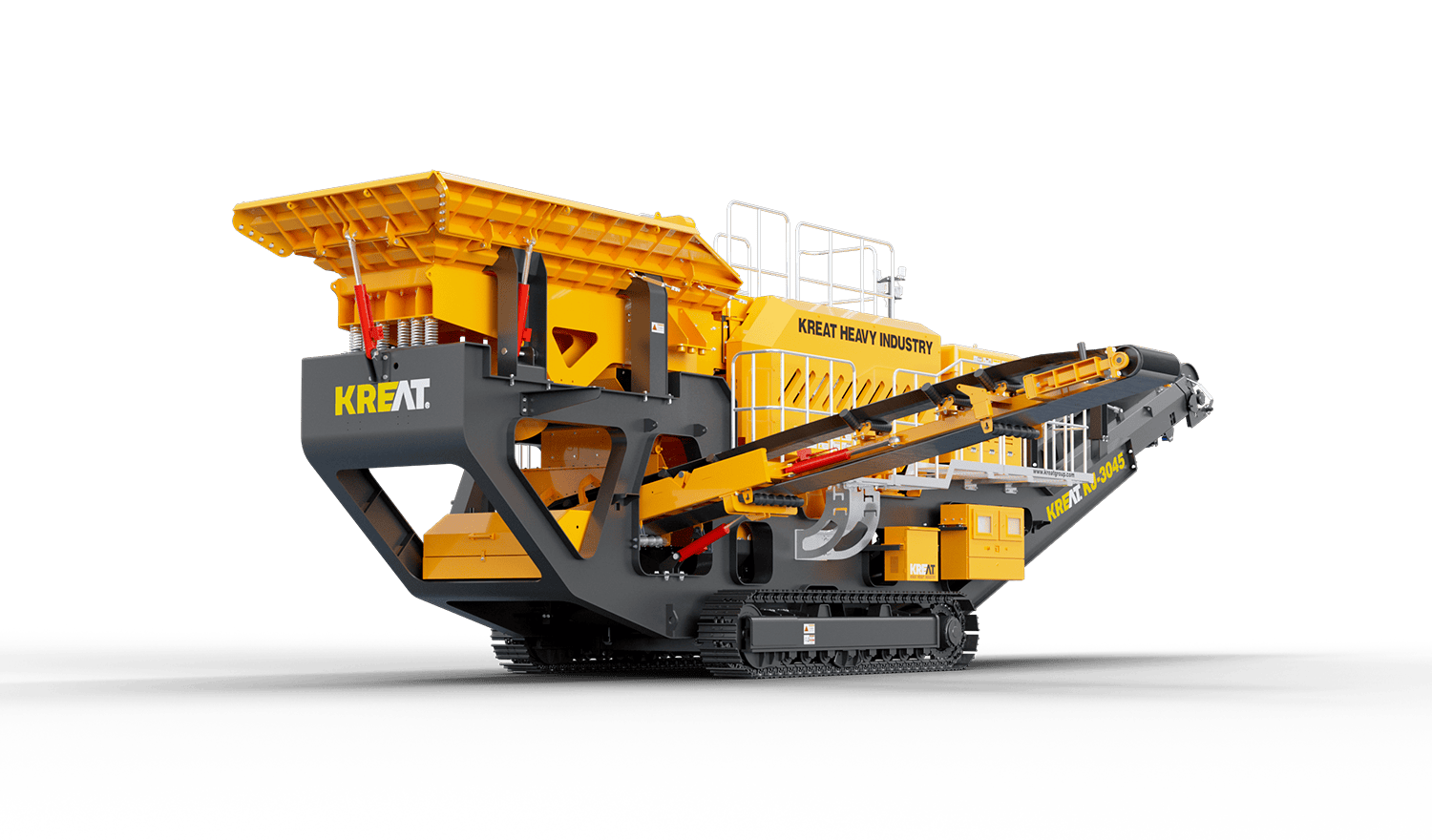
KJ-3045 Crawler Mobile Jaw Crushing Station
Yunnan Kairuite Construction Machinery Equipment Co., Ltd.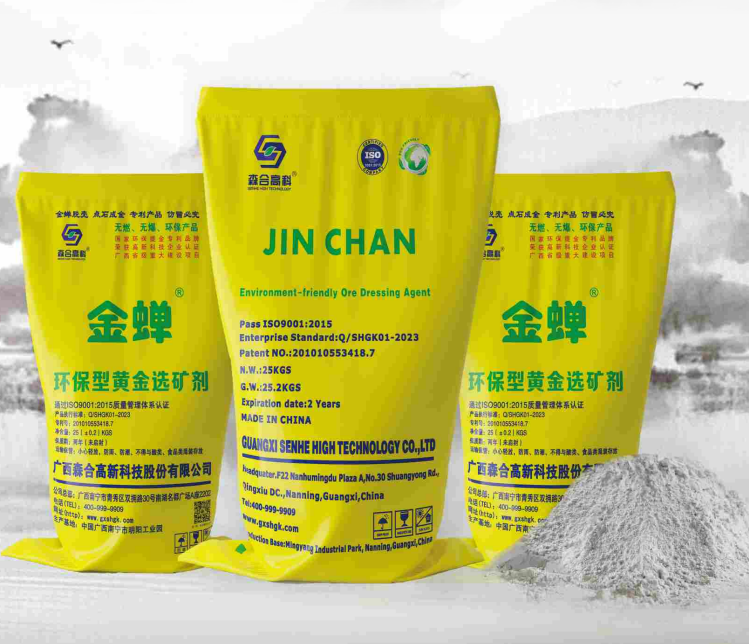
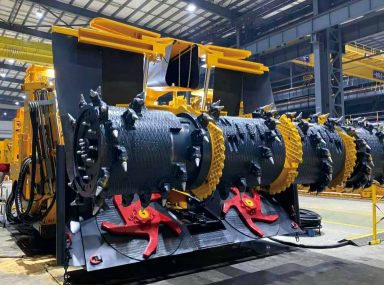
Integrated Excavation and Anchoring Machine (EJM Series)
China Railway Construction Heavy Industry Corporation Limited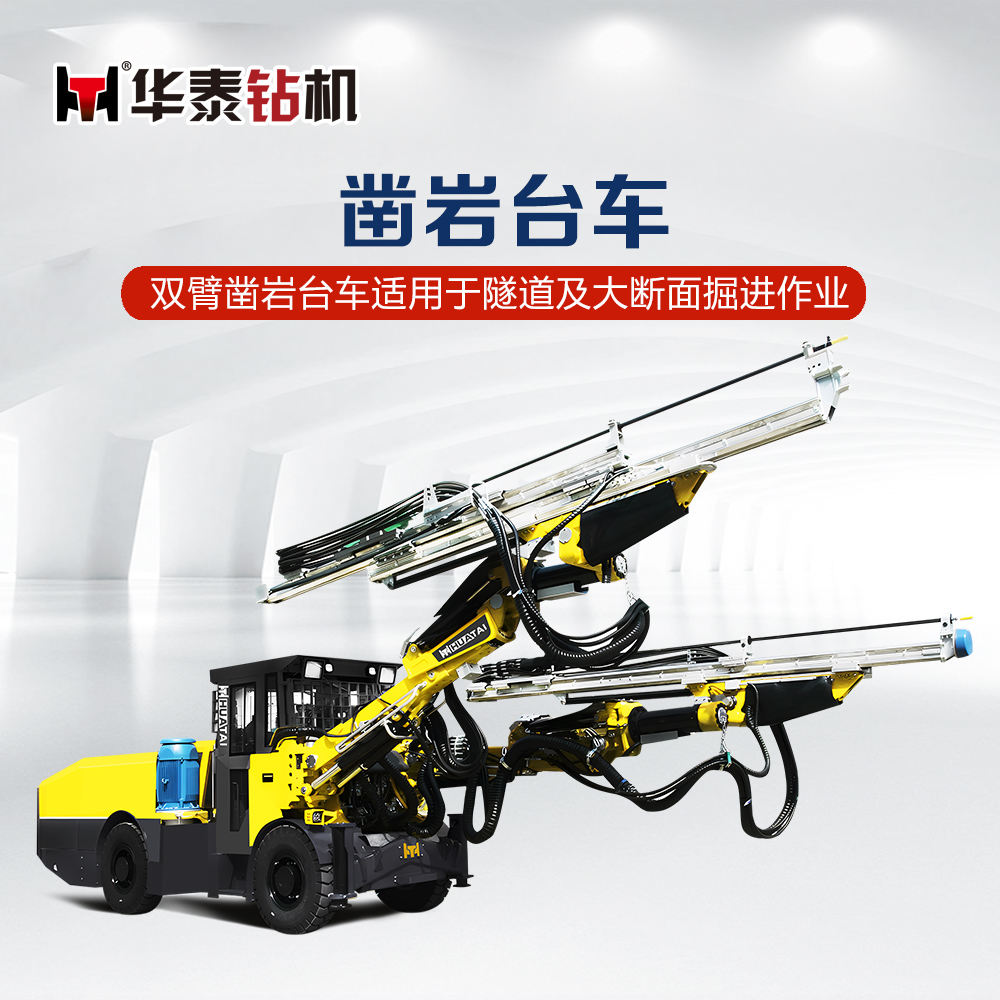
CYTJ45/2 Mining Hydraulic Tunneling Drill Rig
Zhangjiakou Xuanhua Huatai Mining and Metallurgical Machinery Co., Ltd.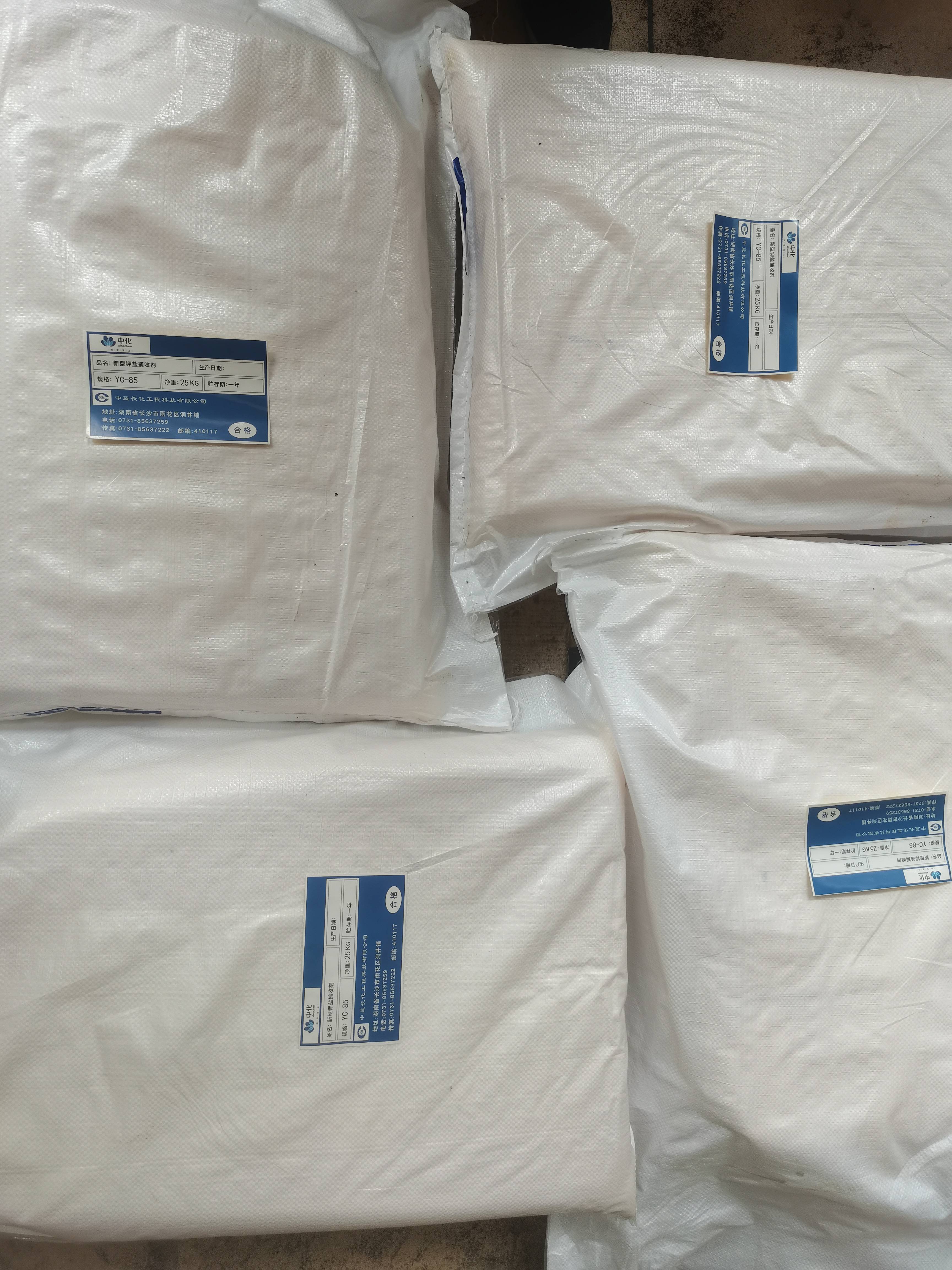
New Environmentally Friendly Green Potassium Salt Collector
Chonfar Engineering and Technology Co., Ltd.