MOL and Kumejima Town Ink Ocean Thermal Energy Conversion and CO2 Capture Deals
Wedoany.com Report-Nov. 10, Mitsui O.S.K. Lines, Ltd. (MOL) has entered into a comprehensive partnership agreement with Kumejima Town, located in Okinawa Prefecture, Japan. The collaboration focuses on advancing multiple initiatives, including renewable energy development and decarbonization efforts.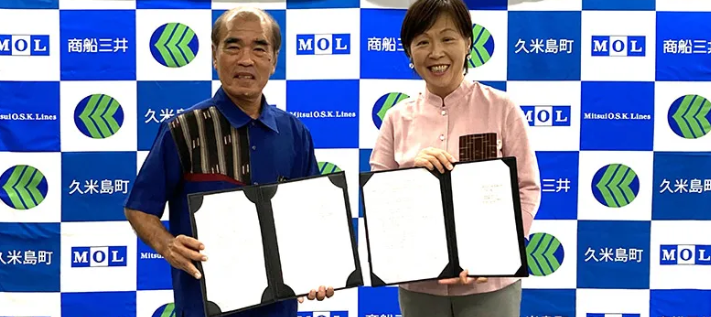
In an official statement, MOL outlined its commitment to supporting regional progress: “MOL will advance business initiatives aimed at addressing regional challenges and promoting industrial development, with a particular focus on expanding ocean thermal energy conversion (OTEC) and other businesses.”
Kumejima Town has developed the “Kumejima Model,” a regional circular symbiosis framework that leverages multiple uses of deep ocean water as a core local resource. This includes applications in ocean thermal energy conversion and fisheries. The town has established an objective to achieve full energy self-sufficiency through renewable sources by 2040.
As part of this partnership, MOL is working toward the world’s first commercial-scale OTEC facility, with plans to commence operations during fiscal year 2031. The company is also preparing to explore small-scale demonstration tests for Direct Ocean Capture (DOC), a carbon dioxide removal technology, to extend the benefits of the Kumejima Model to nearby industries and support broader decarbonization goals.
The agreement strengthens MOL’s role in sustainable marine-based infrastructure. According to the company’s statement: “Through strengthened collaboration under this agreement, as a marine-based social infrastructure company, MOL aims to establish renewable energy methods using OTEC, build regional industrial promotion models centred on deep-sea water, and expand its business into associated industries.”
This partnership combines MOL’s maritime and technical expertise with Kumejima’s innovative use of ocean resources. The Kumejima Model demonstrates how deep seawater can serve multiple sectors, creating a sustainable loop that supports both energy production and local industries.
The planned OTEC commercialization represents a significant step in practical renewable energy deployment. By targeting operations in 2031, MOL aims to set a global precedent for ocean-based power generation. Meanwhile, the introduction of DOC testing signals an integrated approach—linking energy self-sufficiency with active carbon management.
Kumejima Town’s vision of 100% renewable energy reliance by 2040 aligns with MOL’s long-term sustainability strategy. The collaboration is expected to generate new business opportunities while contributing to environmental goals.
Through this agreement, both parties seek to create scalable, replicable models for island and coastal communities. The focus remains on leveraging natural marine resources efficiently and responsibly.
In summary, the MOL-Kumejima partnership marks a forward-thinking alliance in renewable energy and regional development. With clear timelines, defined technologies, and shared objectives, it positions both the company and the town as leaders in sustainable, ocean-centered innovation.
Related Products


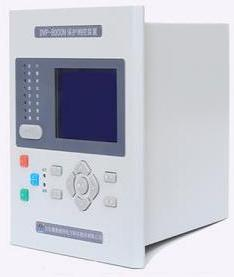
Microcomputer Protection and Substation Automation
Beijing Agent Devote Power Technology Development Co., Ltd.
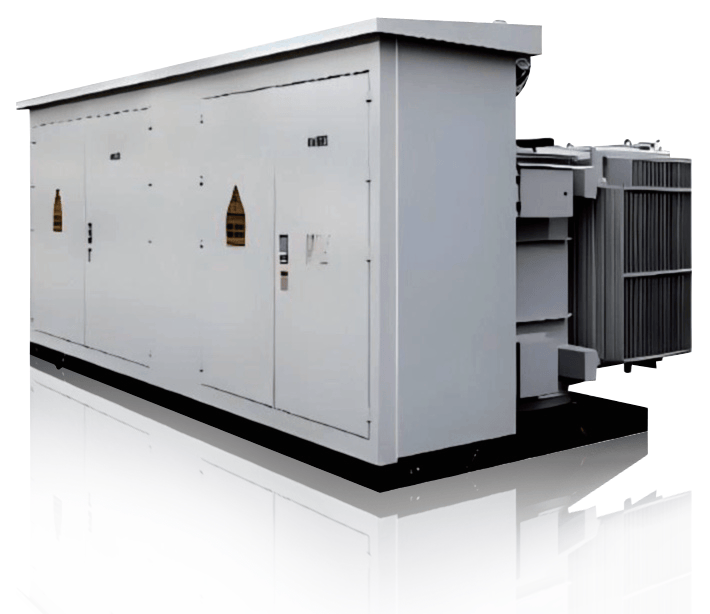
H-40.5/0.4~1.14kV New Energy Power Generation Dedicated High Voltage/Low Voltage Prefabricated Substation
XJ (Xiamen) Intelligent Power Equipment Co., Ltd.


KYN28A-12 Metal Armored Removable Switchgear
Tianjin Ping Gao Intelligent Electric Co., Ltd.
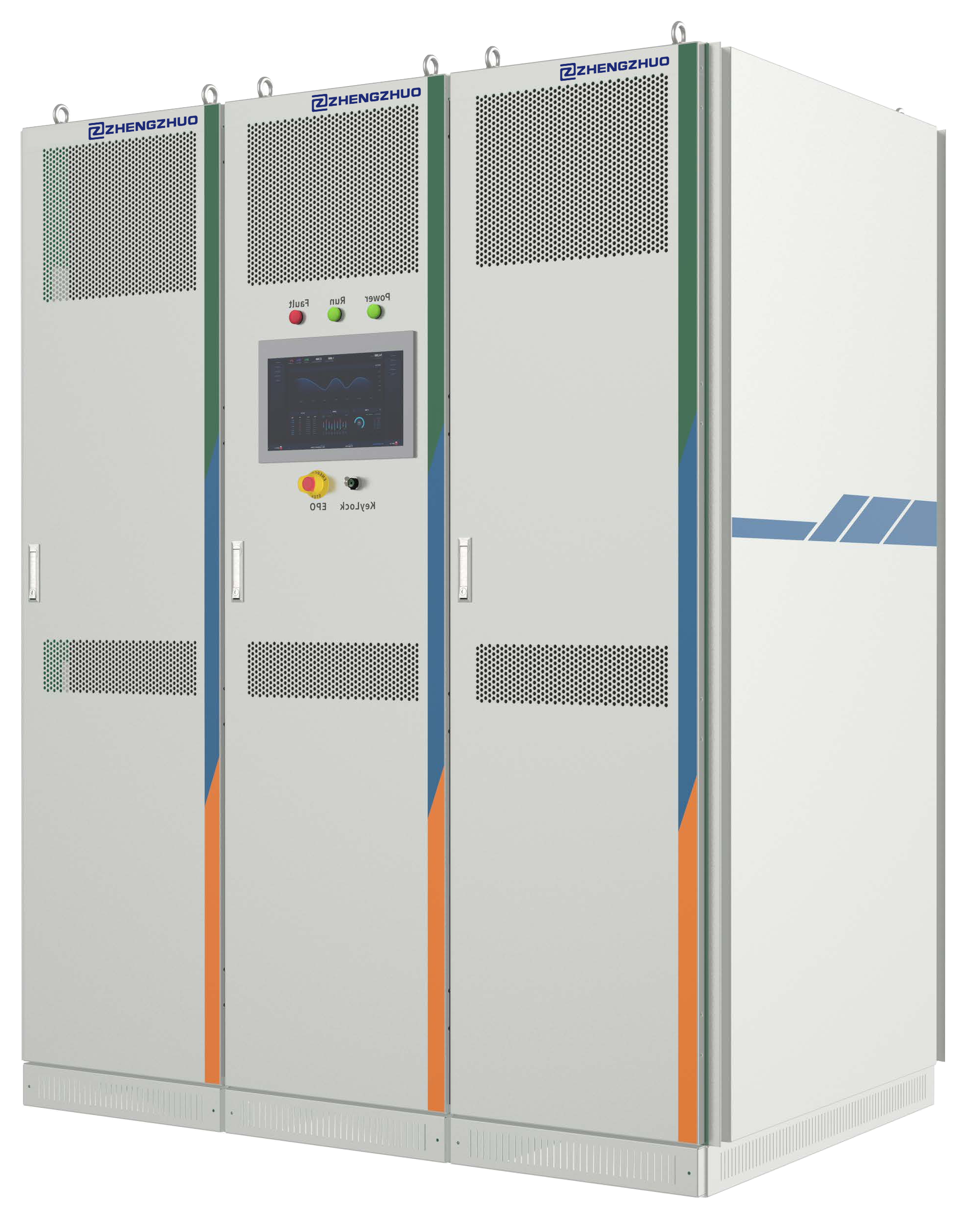
IGBT Hydrogen Production Power Supply - High Power Air Cooling
Beijing Zhengzhuo Engineering Technology Co., Ltd.
80kW Megawatt Supercharging Module TH80F10030C9
Shijiazhuang Tonhe Electronics Technologies Co., Ltd.
IS(B)□-M·RL Series Oil-immersed 3D Transformer (Planar / 3D Wound Core)
Guangdong Kehua Electric Power Technology Co., Ltd.