Study Shows Significant Increase in Global Fire-Prone Weather Days Due to Climate Change
Recent research indicates that the number of days with fire-prone weather globally has nearly tripled over the past 45 years, with more than half of this increase linked to human-induced climate change. Such weather typically occurs under conditions of high temperature, dryness, and strong winds, where dry vegetation acts as fuel and strong winds exacerbate the spread of wildfires, making firefighting more difficult. Recent fire incidents from Los Angeles to southern Australia have been associated with these fire-prone weather conditions.
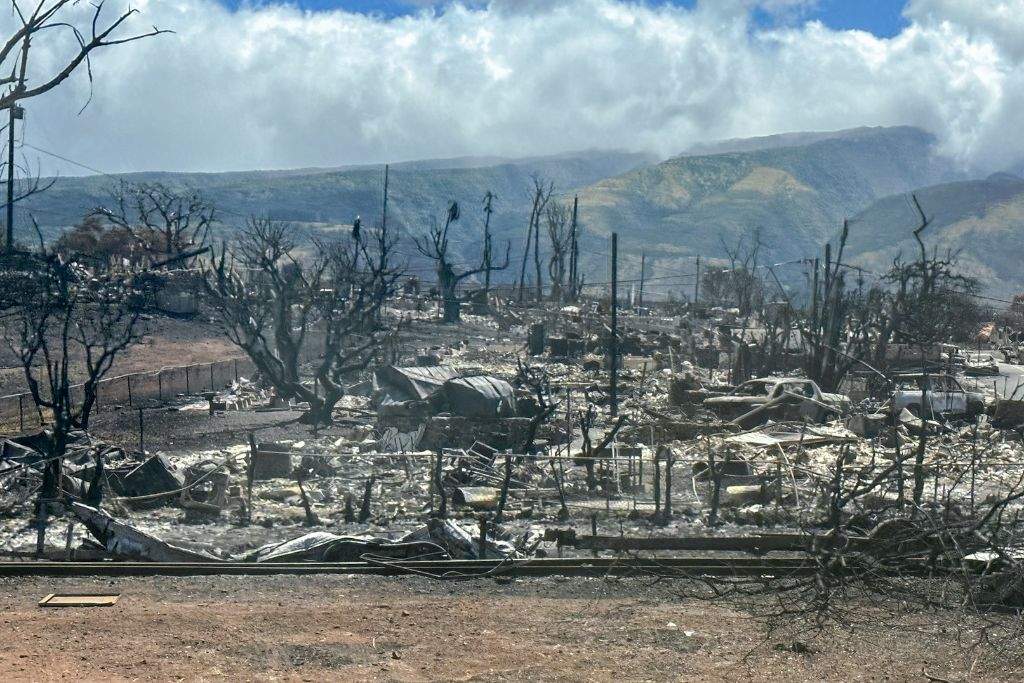
A study published in the journal Science Advances shows that between 1979 and 2024, synchronous fire weather—where multiple regions experience conditions conducive to fires in a short period—has shown a significant increasing trend. The annual number of such days increased from an average of 22 days during 1979-1984 to over 60 days in 2023-2024. Lead author Cong Yin stated, "The Americas are particularly vulnerable." In the continental United States, the number of such days rose from an average of 7.7 days during 1979-1988 to 38 days annually in the past decade; in southern South America, it increased from an average of 5.5 days in the same period to over 70.6 days in the past decade, reaching 118 days in 2023.
By comparing computer simulations of the current climate influenced by greenhouse gases with a hypothetical world without fossil fuels, researchers found that over 60% of the increase in global synchronous fire weather days can be attributed to climate change. A 2024 study confirmed that over the past two decades, the frequency and intensity of wildfires have more than doubled, with more frequent hot, dry, and windy conditions creating an ideal fuel environment. The analysis also showed that, when considering ecological, social, and economic consequences, six of the last seven years in the 2003-2023 period recorded the highest wildfire energy intensity.
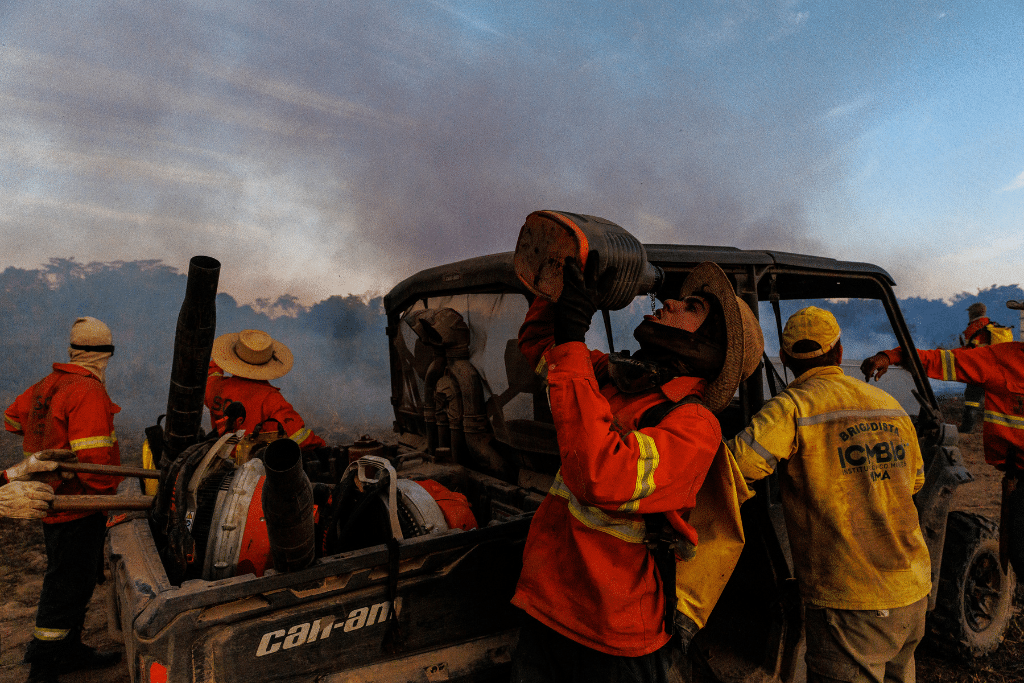
Climate change has extended the average global wildfire season by approximately two weeks, primarily due to increased fuel availability from higher temperatures and drier conditions. According to Climate Central, the average wildfire season in the western United States is now 105 days longer than in the 1970s, with burned areas expanding sixfold and the number of large fires exceeding 1,000 acres tripling. Despite the global increase in wildfire frequency and severity, the annual burned area has declined over recent decades. A 2017 paper in Science noted that the global burned area decreased by about 25% over the past 18 years, attributed to agricultural expansion and intensification reducing burning rates in grasslands and savannas.
Related Products


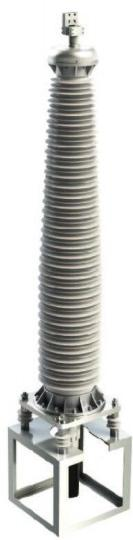
220kV Composite Outdoor Cable Terminal
Shenyang Guolian Cable Accessories Manufacture Co., Ltd.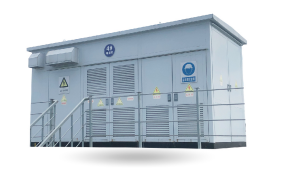
Smart Photovoltaic Prefabricated Substation
Shanghai Jinyou Jinhong Intelligent Electric Co., Ltd.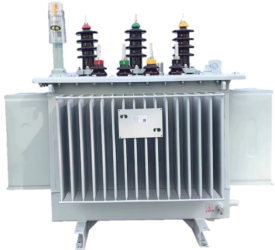
Oil-immersed Amorphous Alloy Core Distribution Transformer
Pinggao Group Smart Electric Co., Ltd.
Standard Nozzle Flowmeter
Jinggong Automatic Control Instrument Complete Technology Development Company
6kV-35kV Medium and High Voltage Direct-Connected Energy Storage System
Hainan Jinpan Smart Technology Co., Ltd.