Wedoany.com Report-Nov. 11, Kazakhstan and Russia have reached an agreement to broaden bilateral trade in agricultural goods and foodstuffs during a session of the intergovernmental commission on cooperation (IGC), according to the Kazakh government's press service on Sunday.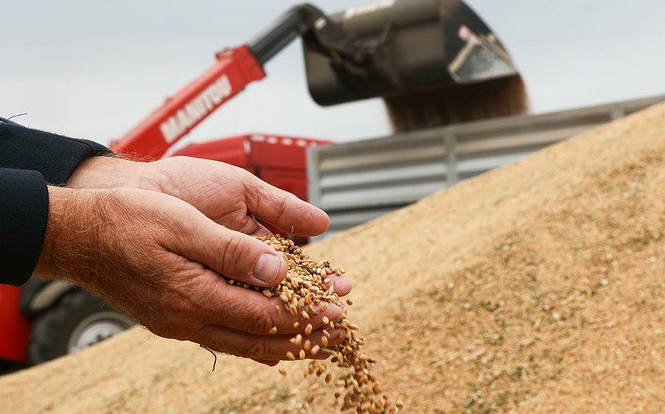
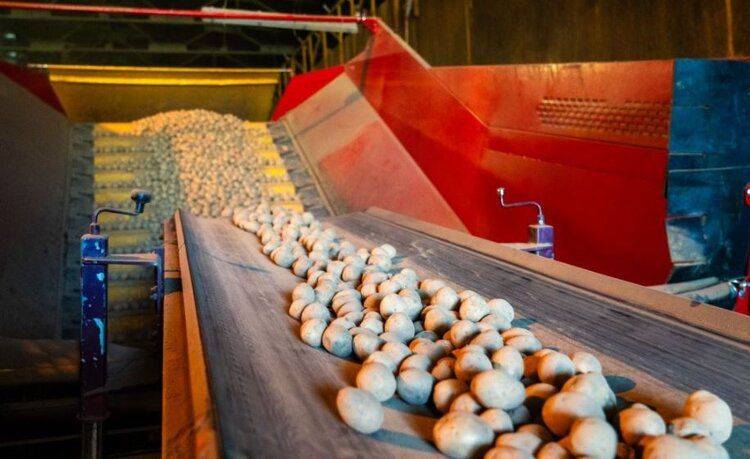
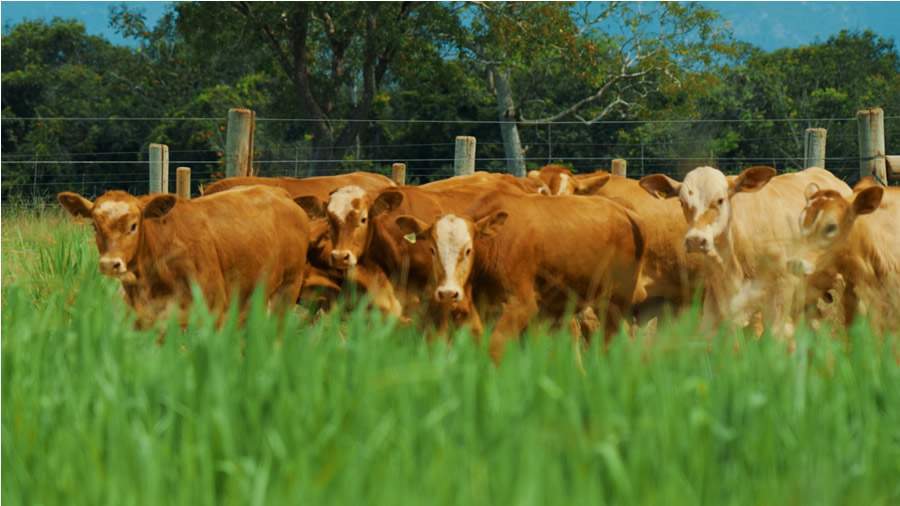
"Separate attention was paid to issues in the agricultural sector. The parties discussed joint work on creating new competitive varieties of agricultural crops with high yields, resistance to external factors and improved quality characteristics. An agreement was reached to expand mutual trade in agricultural products and food," the press service said.
Russia indicated willingness to review easing phytosanitary controls on flax and lentil seed imports from Kazakhstan, along with facilitating grain and legume transit with storage options on Russian land, the statement added.
The discussions also examined opportunities to enhance rail freight volumes, linked to the September activation of second tracks on the Dostyk-Moiynty route and anticipated increases in transit via the China-Europe-China pathway. "An agreement was reached on a joint assessment of prospective cargo levels passing through Kazakh-Russian checkpoints, as well as on further promoting the development of the North-South international transport corridor to increase cargo flow in bilateral and transit traffic," it said.
Kazakh representatives highlighted challenges for local road transport operators stemming from updates to Russian migration rules effective January 1, 2025. These changes shortened the stay duration for non-residents without registration from 180 to 90 days annually. "The Russian side expressed readiness to facilitate a speedy resolution of the issue regarding returning the period of stay for Kazakh drivers engaged in international transportation to the previous 180 days," it said.
Participants further addressed ongoing collaboration in fuel and energy, finance, oil and gas, industry, nuclear energy, standardization and metrology, tourism, education, communications, and information technology.
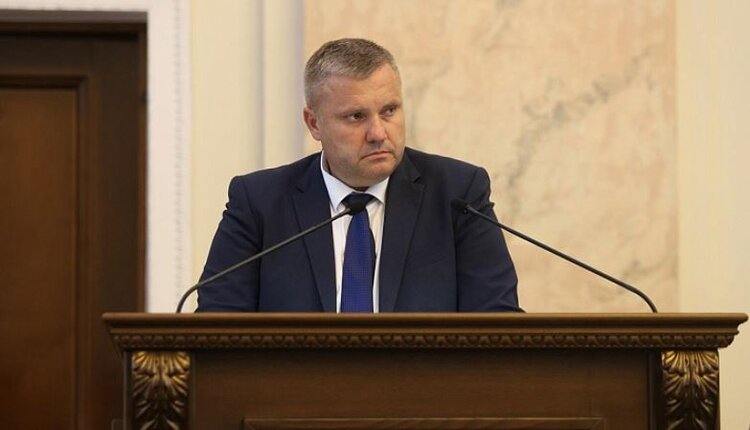
The 26th IGC session occurred in Astana, led by Kazakhstan's Deputy Prime Minister and National Economy Minister Serik Zhumangarin for the Kazakh group and Russia's Deputy Prime Minister Alexei Overchuk for the Russian team.
The subsequent commission gathering is planned for 2026 in Omsk, Russia.
This accord aligns with efforts to strengthen economic ties, building on established frameworks for cross-border exchanges. Joint crop development initiatives aim to boost productivity through resilient strains suited to diverse conditions, supporting food security in both nations. Expanded trade in farm outputs could diversify supply chains and stabilize regional markets.
Phytosanitary adjustments for seeds like flax and lentils would ease market access, while transit provisions for grains and legumes enhance logistical efficiency, reducing bottlenecks in bulk movements. Rail enhancements on key segments promise higher capacities, vital for handling growing volumes along Eurasian routes connecting Asia and Europe.
Addressing migration hurdles for drivers underscores practical support for transport sectors, ensuring smoother operations under updated regulations. Broader talks on energy and finance reflect comprehensive approaches to shared challenges, fostering integrated growth.
The Astana meeting reinforces long-term partnerships, with Omsk's hosting signaling continued momentum. These steps contribute to balanced development, leveraging complementary strengths in agriculture and logistics for mutual benefit.