Wedoany.com Report-Nov. 11, Australia shipped 2.1 million tonnes of chickpeas in the 2024/25 season, setting a new record, per Australian Bureau of Statistics data. This exceeds the prior high of 2 million tonnes from 2016/17 and doubles the 789,000 tonnes exported in 2023/24. Lentil exports reached 1.05 million tonnes over the same period.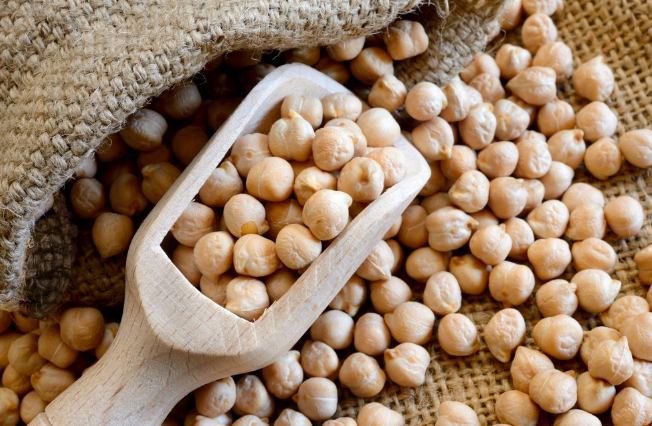
Lentil volumes decreased from a peak of 1.75 million tonnes in 2023/24 to 1.05 million tonnes in 2024/25. The reduction stemmed from dry weather that lowered output in South Australia, the main lentil-growing area.
India purchased the largest share of chickpeas at 1.41 million tonnes. The bulk of these deliveries happened in the season's first half, prior to the end of India's duty-free import period in March. Pakistan followed with 323,000 tonnes, and Bangladesh took 242,000 tonnes.
For lentils, India led with 375,000 tonnes, closely trailed by Bangladesh at 372,000 tonnes. Sri Lanka placed third, receiving 151,000 tonnes.
Experts observe that the peak chickpea exports reflect renewed strong interest from South Asian markets after quieter years. The lentil shortfall appears short-term, with potential recovery in the following season under better rainfall.
Chickpea success ties to favorable growing conditions across key Australian regions, enabling high yields and quality suitable for diverse culinary uses. The surge underscores Australia's role as a reliable pulse supplier, meeting dietary protein needs in importing nations.
Early-season focus on India maximized tariff advantages, streamlining logistics and pricing. Secondary markets like Pakistan and Bangladesh absorbed consistent flows, supporting regional food processing industries.
Lentil challenges highlight weather sensitivity in pulse cultivation. South Australia's reduced harvest impacted overall availability, yet core production zones maintained export-grade standards.
Market dynamics show balanced demand patterns, with chickpeas gaining ground amid stable lentil preferences. Future outlooks depend on seasonal forecasts, influencing planting decisions and stock management.
Australia's pulse sector benefits from advanced farming techniques and traceability, enhancing buyer confidence. Record volumes contribute to agricultural revenue, reinforcing export infrastructure investments.
As global plant-based protein interest grows, Australian pulses align with sustainable sourcing trends. The 2024/25 results demonstrate adaptability to market shifts and environmental factors, positioning the industry for continued expansion.